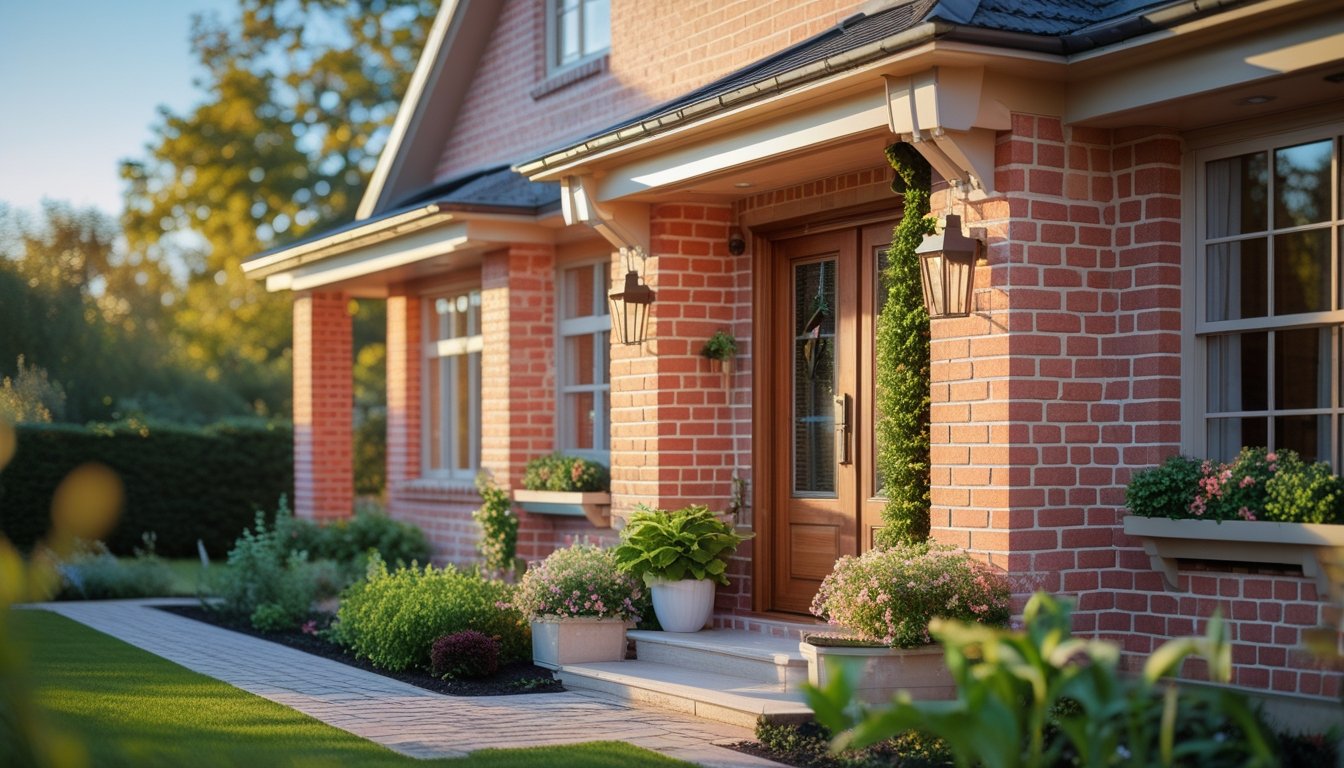
Soft red brick brings a gentle warmth and lived-in charm that instantly enriches any home design. Its soft pinks, peach undertones, and subtle surface texture create a welcoming atmosphere rooted in history and craftsmanship. This classic brick style adds depth and character, whether used indoors or outdoors.
New Orleans Brick & Stone continues this heritage by offering hand-selected reclaimed soft red bricks sourced from century-old structures. Their natural patina and proven durability support projects that value authenticity, beauty, and dependable materials with fast nationwide availability.
In this article, you’ll learn what defines soft red brick, how it’s made, and where it performs best across architectural and landscape applications. You’ll also explore benefits, installation practices, design inspiration, and practical guidance for selecting the right reclaimed materials.
Key Takeaways
- Soft red brick adds authentic historic charm and soft color tones.
- Reclaimed bricks deliver unmatched character and durability for your project.
- Quick availability makes it a reliable choice for builders and homeowners alike.
What Is Soft Red Brick?
Soft red brick brings a unique blend of warm tones and subtle textures to your projects. Its rich history and distinct production methods set it apart from other bricks. Understanding its types and qualities helps you choose the right material for restoration or new builds.
Definition and Characteristics
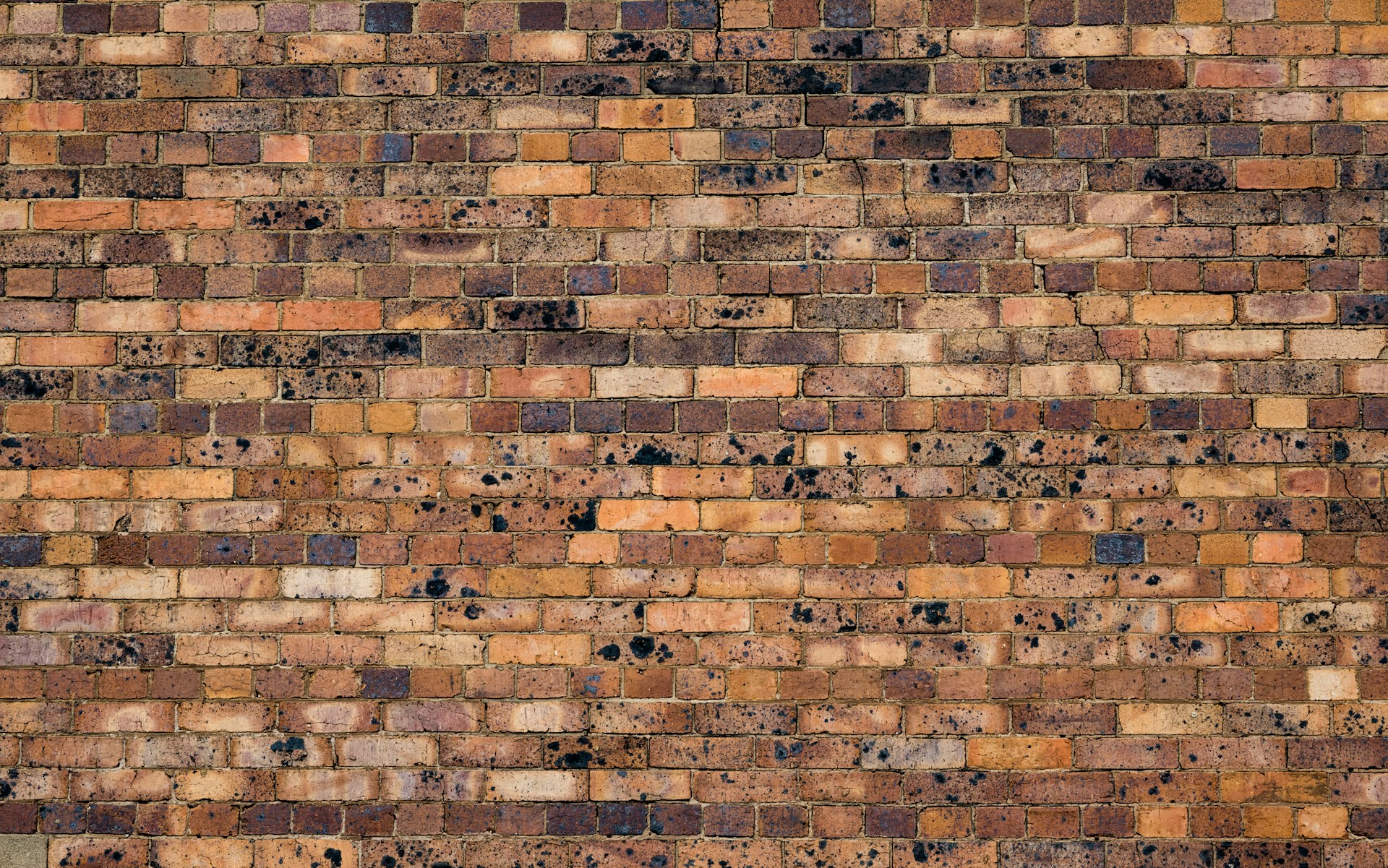
Soft red brick is recognized for its muted red color, often blended with hints of pink, peach, and orange. These bricks have a softer appearance compared to more intense red bricks, giving a historic, weathered look.
Their texture is slightly rough or uneven, reflecting traditional kiln-firing methods. This adds depth and authenticity, especially in reclaimed bricks from century-old buildings.
Soft red brick remains durable while keeping a handcrafted feel. These qualities make them ideal for creating a warm, inviting facade or restoring architectural heritage.
History of Soft Red Brick
Soft red brick has roots in early American and European construction, where natural clay and lower firing temperatures produced its gentle hues. These bricks were prized in Southern U.S. architecture for their ability to age gracefully.
Many soft red bricks come from reclaimed materials that have endured over 100 years, carrying stories of past craftsmanship. The technique reflects a tradition of sustainable building and aesthetics valued by architects like A. Hays Town.
Types of Soft Red Brick
Soft red bricks are broadly categorized into new-made and reclaimed types. New bricks replicate traditional colors and textures using modern manufacturing, but may lack the unique patina of aged bricks.
Reclaimed soft red bricks come from historic buildings, featuring natural weathering, chips, and color variations. These bricks bring irreplaceable character, perfect for restoration or adding soul to new homes.
Within each category, bricks vary by size, finish, and firing method. Some have smooth surfaces, while others retain rough edges or hammer marks. Your choice influences the visual appeal and authenticity of the final installation.
Manufacturing Process
Soft red brick starts with carefully chosen natural ingredients and specific techniques that create its unique qualities. This process shapes its texture, strength, and color, setting it apart from other brick types.
Materials Used
Soft red brick begins with a blend of local clay and shale, which determines its texture and hue. The clay is rich in iron oxide, giving the brick its deep red color. The composition often includes organic materials or sand to add porosity.
Workers thoroughly grind and mix this blend for consistency. The natural materials must be clean and free of impurities to ensure durability. Authentic clay helps preserve the heritage feel in every piece.
Production Techniques
Workers mold the clay mix by hand or with soft molding machines, giving soft red brick its slightly irregular, textured surface. Once shaped, the bricks dry slowly to reduce cracking or warping.
They fire the bricks in kilns at lower temperatures, usually between 900–1100°C. This longer, gentler firing keeps the brick softer but still strong enough for many construction uses. The result is a brick that is easier to cut or shape on-site while retaining its traditional character and warmth.
Differences from Other Bricks
Unlike hard, dense bricks used for heavy structural work, soft red bricks have higher porosity, giving them a more absorbent and weathered look. This makes them ideal for restoration or aesthetic projects where character is important.
Soft red bricks wear more naturally over time, developing a patina that enhances your building’s charm. In contrast, harder bricks focus on strength and uniformity, which can sacrifice the lived-in appearance. Reclaimed or soft red bricks provide materials with genuine legacy and beauty that new bricks can’t replicate.
Common Applications
Soft red brick offers qualities that make it a preferred choice for many building and design needs. Its charm and texture adapt well to both structural and decorative functions, adding warmth and character inside or out.
Residential Construction
When building or remodeling your home, soft red brick creates an inviting, classic look. Its porous nature helps regulate indoor humidity, improving comfort. It performs well with both traditional mortar and modern adhesives.
Homeowners often use soft red brick for exterior walls, chimneys, and accent facades. Its texture and color evoke historic Southern architecture, lending authenticity to your project. It pairs well with wood and stone for a timeless aesthetic.
Because it’s easier to cut and shape, soft red brick suits custom layouts. Builders value its workability during installation.
Restoration Projects
Restoring historic buildings demands materials that match original craftsmanship. Soft red brick’s irregularities and aged patina make it ideal for this purpose. It brings authenticity back to period homes and commercial structures.
Reclaimed soft red brick lets you replicate century-old looks without sacrificing durability. It matches mortar colors and joint depths typical of older construction. This attention to detail keeps your restoration true to its heritage.
Because it’s sourced from aged structures, soft red brick naturally blends with existing materials. Timely delivery helps you avoid project delays. Check out Reclaimed Stone Fireplaces and Features.
Landscaping Uses
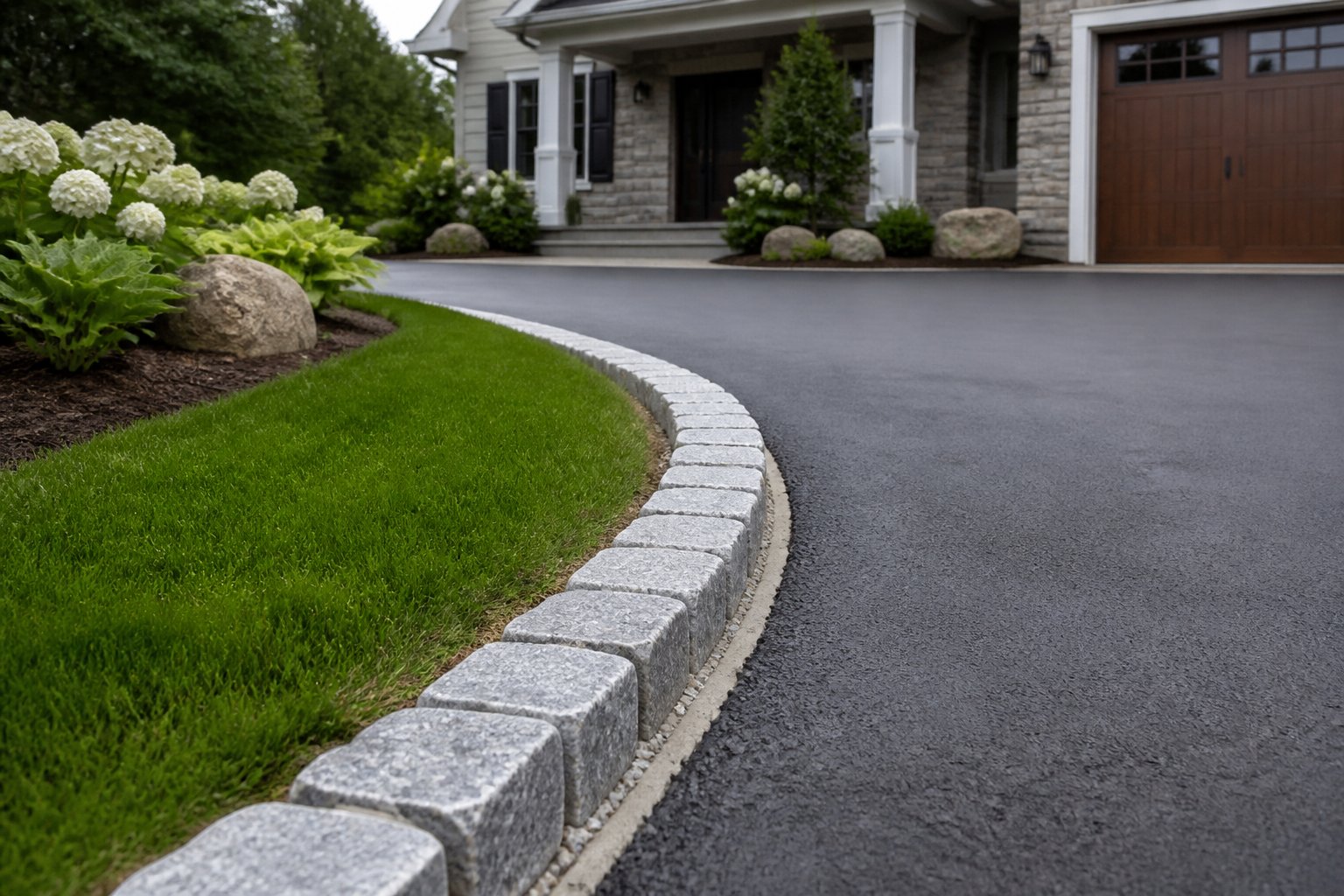
Soft red brick isn’t just for walls; it’s excellent for outdoor living spaces. Use it to build walkways, patios, garden borders, and fire pits. Its natural texture provides slip resistance and a rustic feel.
The bricks weather beautifully over time, enhancing your yard’s character. Their unique color variations add visual interest without overwhelming your garden design. Installation flexibility allows you to create straight lines or curved shapes easily.
Reclaimed soft red brick is tested for strength and longevity, so it withstands outdoor elements year-round. When sourcing your materials, look for a supplier who offers fast shipping, so you get what you need exactly when you need it.
Benefits of Soft Red Brick
Soft red brick provides unique aesthetic charm, effective insulation, and long-lasting durability. These qualities make it a practical and beautiful choice for a variety of building projects. Its appeal goes beyond looks, supporting both comfort and endurance in your home or commercial space.
Aesthetic Advantages
Soft red brick carries a warm, timeless look with a natural texture that adds character to any structure. Its rich, earthy tones complement both classic and contemporary designs, making it versatile for fireplaces, patios, and accent walls. The slightly irregular surface and historic patina give your space a lived-in, authentic feel.
Choosing soft red brick reclaimed from century-old buildings adds even more depth and history to your project. Hand-selected bricks ensure each piece carries the right balance of color variation and texture to enhance your design. This material's charm never goes out of style.
Insulation and Energy Efficiency
Soft red brick naturally provides excellent thermal mass, helping regulate indoor temperatures by absorbing heat during the day and releasing it slowly at night. This can reduce reliance on artificial heating and cooling, lowering your energy bills.
Its density also resists heat transfer, making it effective at insulating your home in colder seasons. Reclaimed soft red brick has already proven its energy-saving capability across decades. This balance of comfort and efficiency contributes to a healthier, more sustainable living environment.
Durability Factors
Soft red brick is known for strength and longevity, enduring harsh weather conditions without losing integrity. It resists cracking, chipping, and erosion better than many man-made materials. This makes it ideal for areas exposed to fluctuating temperatures and moisture.
Reclaimed bricks have been time-tested, often surpassing century-old benchmarks for durability. When properly maintained and installed, soft red brick structures stand strong for generations, protecting your investment and maintaining their original beauty over time.
Installation and Maintenance
Proper installation and maintenance keep soft red brick beautiful and durable for years. Focus on careful laying, weather protection, and routine cleaning to keep your brickwork strong and vibrant.
Proper Laying Techniques
Start with a solid, level foundation. Use a consistent mortar mix with lime to complement the softness of the brick and reduce cracking. Apply thin, even joints so the bricks settle without damage.
Stagger the brick joints (running bond pattern) for stability. Avoid excessive hammering, as soft red bricks can chip or crumble. Gently clean each reclaimed piece before installation to preserve its character without weakening the surface.
Weather Resistance
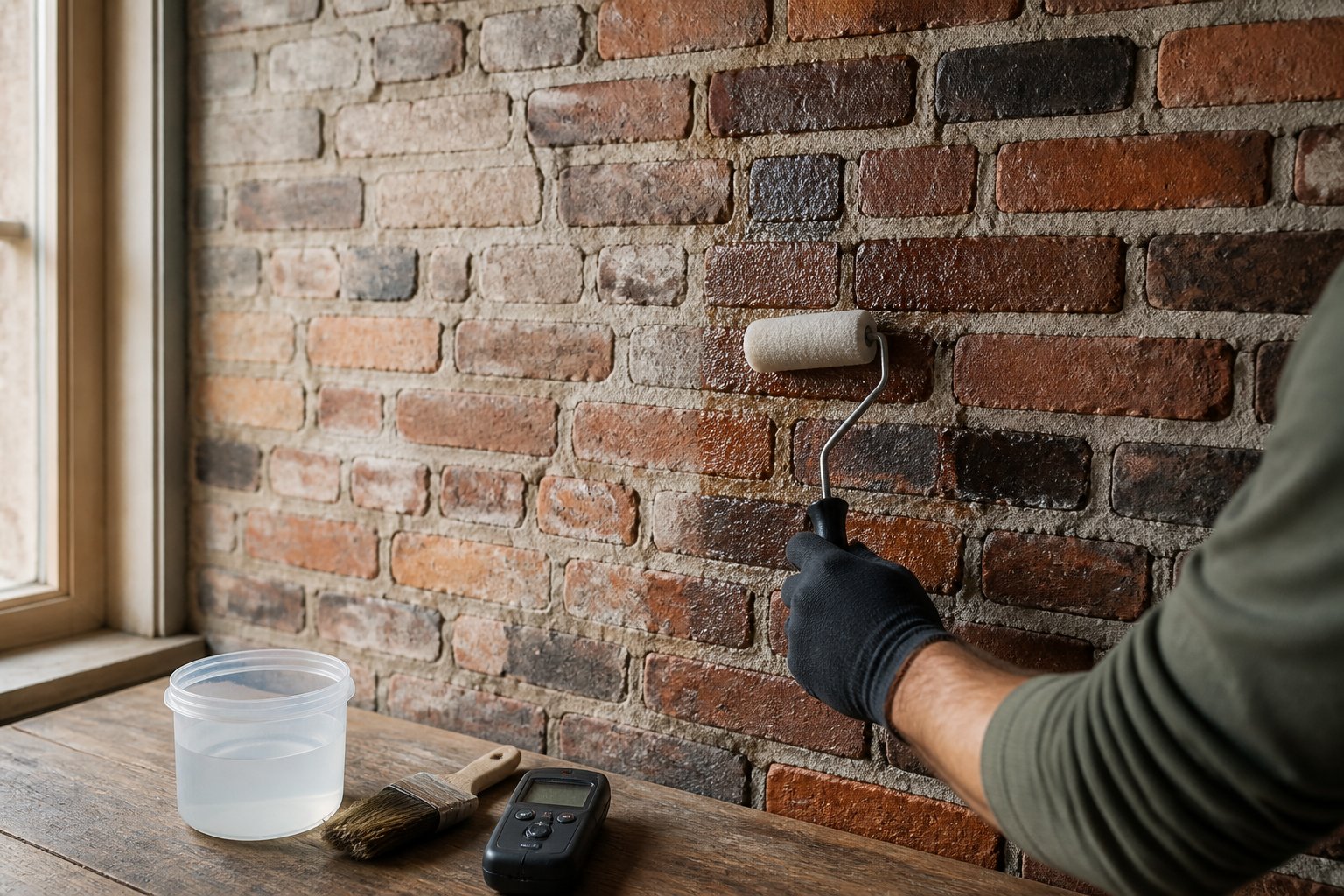
Soft red bricks are porous and absorb moisture, so protecting your wall is important. Install proper flashing and weep holes to avoid water buildup behind the bricks. A breathable sealant can help reduce water absorption without trapping moisture inside.
During freeze-thaw cycles, moisture inside can cause damage. Keep your mortar joints intact and replace any that deteriorate to prevent water infiltration. Well-maintained bricks resist most weather conditions but need extra attention in wetter climates to avoid spalling or efflorescence.
Cleaning and Care
Clean soft red brick with gentle methods. Use a soft brush and mild detergent mixed with water. Avoid high-pressure washing or harsh chemicals, which can erode the brick surface and mortar. For tough stains or moss, use a diluted vinegar solution carefully.
Inspect your bricks regularly for cracks, mortar gaps, or discoloration. Repoint mortar joints as needed with matching mortar to maintain structural integrity. Keeping your brick clean and dry preserves its rich color and rustic charm over time.
Managing Moisture to Protect Historic Masonry
Moisture control is essential for preserving soft red brick. The National Park Service clearly states that historic, more porous bricks require breathable mortar and well-managed water paths to prevent deterioration.
Using vapor-permeable mortars and maintaining drainage allows moisture to evaporate safely rather than becoming trapped behind the brick. These practices help soft red brick avoid spalling, efflorescence, and freeze–thaw damage, extending the life of your brickwork.
Cost Considerations
Understanding the costs involved with soft red brick helps you make informed decisions for your project. Several factors affect pricing, and it’s useful to compare these costs with other brick types before deciding.
Pricing Factors
The price of soft red brick depends on its origin, condition, and preparation. Reclaimed bricks typically cost more because of their authentic character and hand-selected quality.
Labor costs for installation may be higher since soft red brick needs careful handling and attention to mortar. Suppliers with inventory on hand can ship faster, saving you time and extra fees.
Prices vary by region and supplier, but expect a premium for bricks with genuine patina and historic value. Budget for extra bricks if your project requires matching the existing look.
Comparing Cost to Other Bricks
Soft red brick usually costs more than standard new clay bricks but less than specialty stones or engineered veneers. Its price reflects its heritage, texture, and unique character.
Compared to hard-fired or glazed bricks, soft red brick offers a warmer, more natural look but may need more maintenance over time. Cheaper bricks often lack the authenticity or weathered appeal of reclaimed soft red bricks.
Soft Red Brick Design Ideas
Soft red brick adds a warm, rich texture that brings character to any space. You can use it to create appealing contrasts or subtle blends, depending on your design goals. The right placement highlights its historic charm and complements your home’s style.
Exterior Facades
Use soft red brick on exterior walls to add natural warmth and timeless appeal. Its gentle color pairs well with neutral materials like wood or stone for balanced, eye-catching facades.
Try patterns such as herringbone or basketweave to add visual interest. It looks great with dark trim or wrought iron details for classic Southern-inspired designs.
Highlight entryways or chimneys with this brick to create inviting focal points. This material brings heritage and authenticity to your project.
Interior Accents
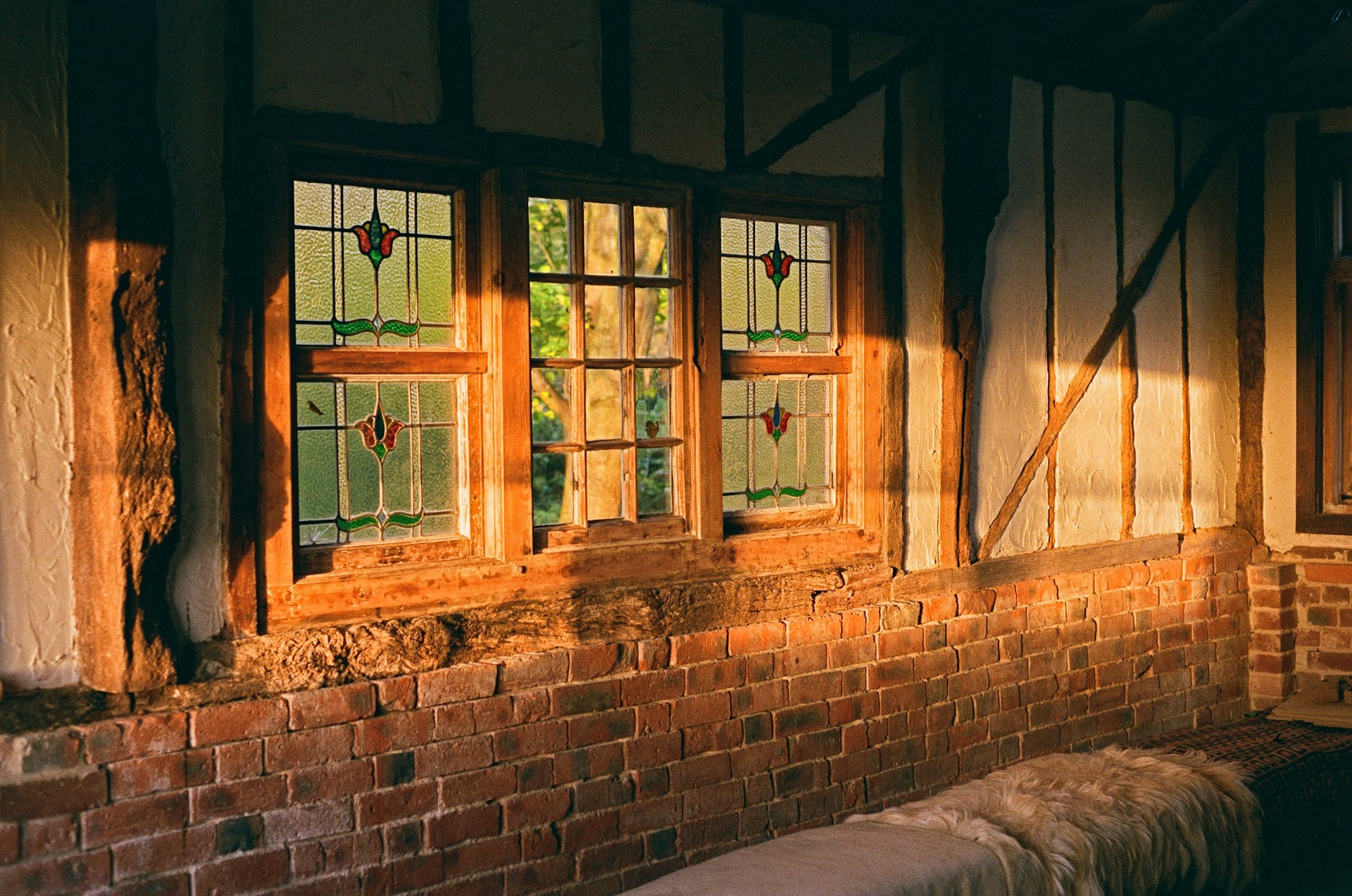
Inside, soft red brick adds texture and warmth, perfect for accent walls, fireplaces, or kitchen backsplashes. Its soft hue creates a cozy atmosphere and a tactile surface. Pair it with light-colored walls or cabinetry to brighten your space while keeping the brick’s character.
For a rustic or industrial look, leave the brick exposed and unpainted. This durable, timeless material makes rooms feel both historic and lived-in. Reclaimed soft red brick offers authentic pieces with real patina and history.
Where to Buy Soft Red Brick
Finding high-quality soft red brick with authentic character and lasting durability is essential for your project. Whether you want reclaimed materials with historic charm or new blends that reflect traditional hues, choosing the right supplier and knowing how to order can make a big difference.
Trusted Suppliers
Look for suppliers specializing in reclaimed soft red brick to ensure authenticity and unique character. Family-run businesses that source bricks from century-old buildings offer authentic textures and rich patinas you won't find in mass-produced bricks.
Choose a supplier with inventory on hand to avoid long wait times. Reliable companies ship quickly and provide direct contact with experts who understand your project’s needs.
Ordering Tips
When ordering soft red brick, consider quantities carefully—buy extra to account for breakage and cutting. Ask your supplier about the brick’s origin and whether it is reclaimed or newly made to match your project’s style.
Request samples before committing. This lets you see the exact color, texture, and weathering, ensuring the bricks meet your expectations. Confirm shipping timelines and clarify return policies. If speed matters, choose a supplier known for quick, reliable delivery without sacrificing craftsmanship.
Timeless Warmth for Inspired Home Design
Soft red brick offers a blend of color, texture, and history that enriches spaces with cozy, authentic character. Its natural warmth, versatility, and time-tested durability make it a meaningful addition to both interior and exterior projects seeking a classic, welcoming aesthetic.
New Orleans Brick & Stone helps bring this vision to life with reclaimed soft red bricks. They honor craftsmanship and architectural legacy. With reliable nationwide access, you can source materials that add story and soul to your design work.
Bring historic charm into your home: contact us to request reclaimed soft red brick today and build with materials that carry both beauty and heritage.
Frequently Asked Questions
Maintain the look and durability of soft red brick with regular cleaning and proper sealing. Use the right repair techniques to preserve both appearance and structural integrity. Choose between brick types based on your aesthetic goals and installation needs. Texture and color choices can shape your home’s overall feel.
How can I maintain the appearance of a soft red brick exterior?
Clean your soft red brick gently with mild detergent and water to avoid damaging the surface. Avoid pressure washing, which can erode the brick’s texture. Apply a breathable sealant every few years to protect against moisture and stains.
What are the best methods for repairing a soft red brick wall?
Use matching mortar when repointing to keep the historic look consistent. Fill small cracks with color-matched epoxy or mortar patch. For larger damage, carefully remove and replace individual bricks with reclaimed soft red bricks for authenticity.
Where can I find high-quality soft red bricks for sale?
You can source authentic reclaimed soft red bricks from suppliers who specialize in materials that honor the legacy of historic Southern architecture, with inventory available for quick shipping nationwide.
What should I consider when choosing between red brick veneer and traditional red bricks?
Traditional bricks offer full-depth durability and authentic texture, but need more structural support. Veneers are thinner, easier to install, and cost-effective, but may not last as long or feel the same. Make your choice based on budget, structural needs, and design goals.
What are some common uses for deep red brick in home design?
Deep red brick works well for exterior walls, fireplaces, and accent walls. It adds warmth and a timeless quality that complements craftsman and colonial-style homes. It also pairs nicely with natural stone and wood elements.
Can you explain how soft red brick texture can enhance a building's aesthetic?
The subtle variations and worn edges of soft red brick bring character and depth to a facade. This texture creates a sense of history and craftsmanship, making spaces feel inviting. The tactile quality of soft red brick adds visual interest without overwhelming the design.