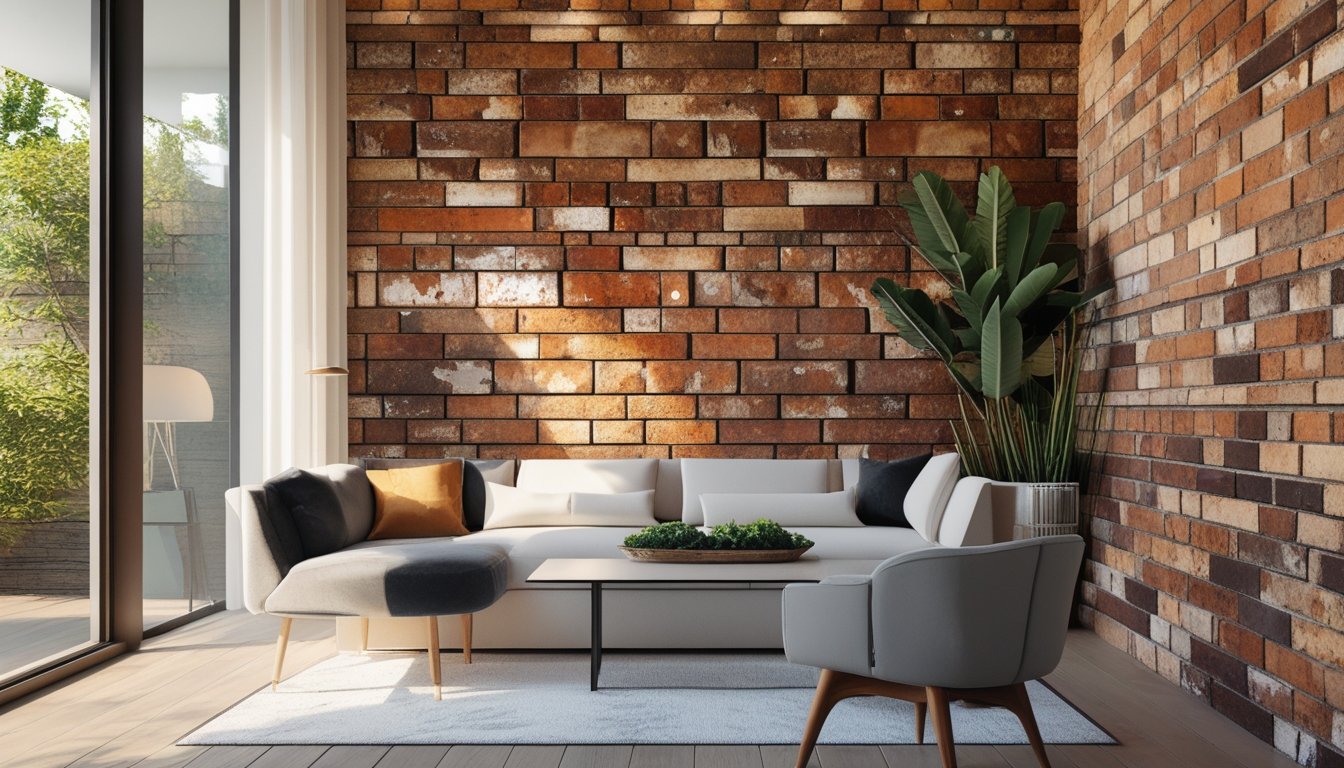
Reclaimed brick tile brings timeless beauty and sustainable craftsmanship into modern design. Cut from bricks salvaged from century-old buildings, these tiles hold the character of real history—complete with natural texture, color variation, and patina that new materials can’t duplicate.
At New Orleans Brick & Stone, every reclaimed brick tile is hand-selected from historic Southern structures, cleaned, and prepared for modern installation. With nationwide shipping available within 48 hours, you receive genuine materials that balance beauty, sustainability, and authenticity.
This guide explores the benefits, sourcing, and installation of reclaimed brick tile while showcasing design ideas that bring old-world texture into today’s interiors.
What Is Reclaimed Brick Tile
Reclaimed brick tile brings the texture and history of old bricks into your space while fitting modern design needs. It offers durability and character that new bricks often lack. Knowing what sets it apart and what to expect is key to making the right choice for your project.
Definition and Characteristics
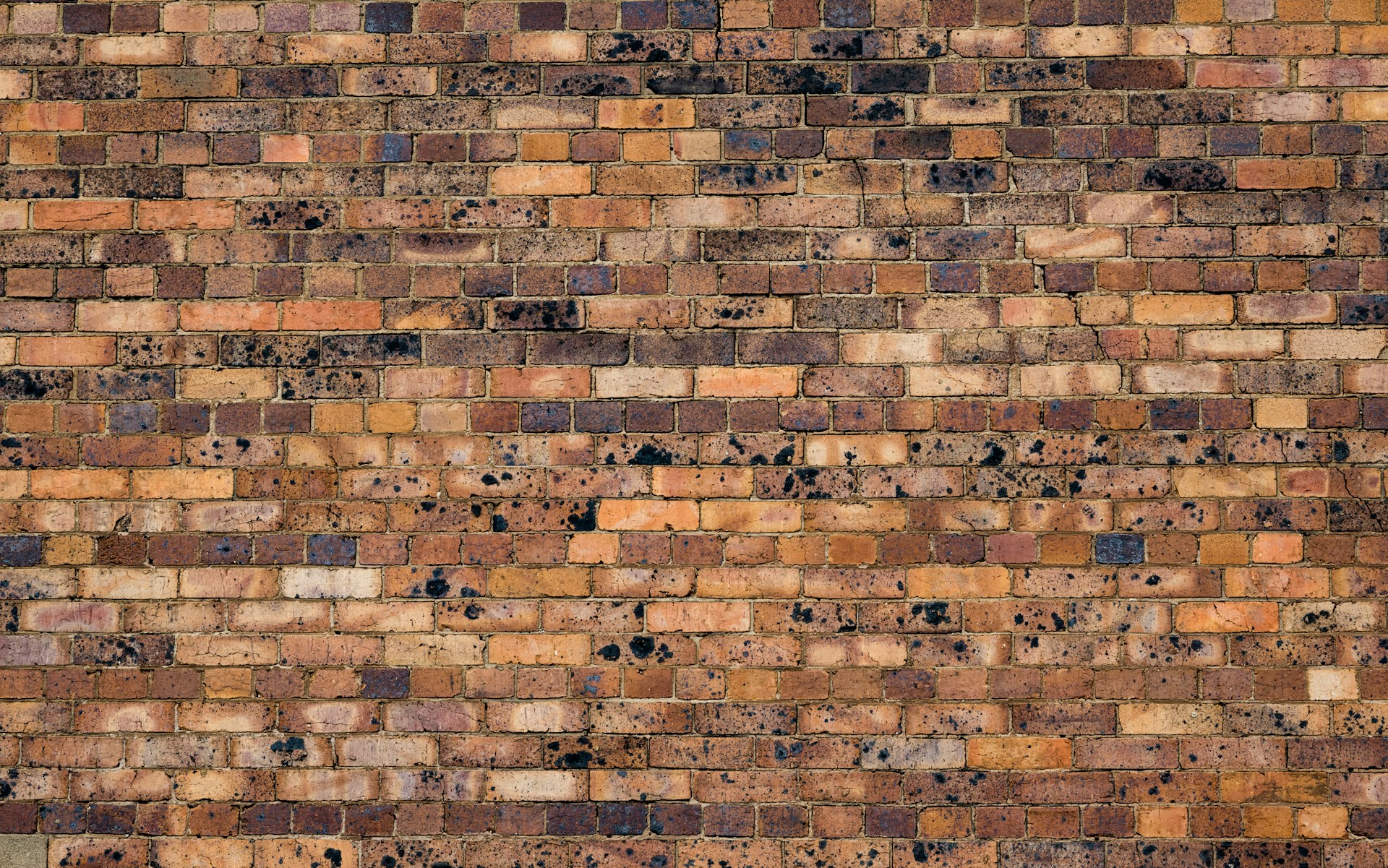
Reclaimed brick tile is made from bricks salvaged from buildings that are often over 100 years old. These bricks are carefully cleaned, cut, and prepared for reuse as tiles. They keep their original weathered look, showing rich patina and texture that new bricks cannot replicate.
Because they come from sturdy, old structures, these tiles are hard-wearing and can handle heavy foot traffic. Their size is usually thinner than full bricks, making them lighter and easier to install on floors or walls.
Many builders choose reclaimed brick tile for backsplashes, accent walls, and flooring to add an authentic historic feel to a room.
Differences from Traditional Brick
Traditional brick is a new product often made in a factory, with uniform color and texture. Reclaimed brick tile, on the other hand, is a real piece of history, with unique imperfections and color variation that tell a story.
Unlike traditional bricks that are thick and heavy, reclaimed brick tiles are thin slices of original bricks, making them more versatile for interior use. You won’t find the same worn edges or surface wear in new brick products, since those signs of age give reclaimed tiles their character.
With a trusted supplier, you get genuine reclaimed bricks cut into tiles, ensuring you receive authentic materials with true historic value and unmatched durability for your project.
Benefits of Reclaimed Brick Tile
Reclaimed brick tile offers distinct advantages that impact your project’s environmental footprint, visual character, and long-term performance. Choosing reclaimed materials means you gain sustainability, unique aesthetics, and strong durability—all important factors for a lasting installation.
Sustainability Advantages
When you choose reclaimed brick tile, you reduce the need for new raw materials and minimize energy consumption linked to manufacturing. This lowers carbon emissions and helps cut down on landfill waste by reusing materials from old buildings.
Reclaimed brick tile is eco-friendly because it preserves resources and requires less processing. This aligns with sustainable building practices and supports responsible material sourcing. Our team provides authentic bricks reclaimed from century-old structures, ensuring your project supports heritage and sustainability.
Unique Aesthetic Appeal
Reclaimed brick tiles carry a historic, lived-in look that factory-new bricks cannot match. Their natural patina, texture, and color variations create a distinct character that adds warmth and story to your space.
Each tile has unique marks from years of wear, giving your walls, floors, or fireplaces authenticity and charm. This natural variation complements both traditional and modern designs.
By selecting reclaimed brick tile, you bring a timeless, soulful quality into your home or project that honors architectural history.
Durability and Longevity
Reclaimed brick tile is strong and time-tested, originally made from high-quality clay. Because these bricks have endured decades or even centuries, they demonstrate excellent resistance to weather and wear.
Their durability holds up well in both indoor and outdoor applications, meaning your investment lasts for years with minimal maintenance. Reclaimed bricks are often more stable than newer manufactured bricks, as they have already undergone natural drying and settling.
For a reliable, hard-wearing material that ages gracefully, reclaimed brick tile offers lasting performance matched to its historic beauty.
Sourcing and Selection
Finding the right reclaimed brick tile means focusing on how the tiles are made, confirming their authenticity, and checking important quality factors. Each step affects the look, strength, and suitability of the material for your project.
How Reclaimed Brick Tiles Are Made
Reclaimed brick tiles start as full-sized bricks salvaged from buildings that are often over 100 years old. These bricks come from homes, mills, schools, or other historic sites. Specialists carefully cut these bricks into thin tiles, usually about 3/8 to 1/2 inch thick.
This cutting process preserves the brick’s original texture and color while making the material lighter and easier to install. Some tiles are cut from the brick’s face for wall veneers, while others come from the top for flooring tiles.
This method ensures the tile keeps the character of the original brick but in a format suited to modern design needs.
Choosing Authentic Reclaimed Materials
Authentic reclaimed brick tile comes only from bricks that were part of old, well-loved buildings. You want tiles that have real age, wear, and patina—not new bricks made to look old. Ask about where the bricks were sourced and how long they’ve been stored.
Reputable suppliers keep detailed records and test every piece. You should also expect transparency about the brick’s condition and origin. Authentic reclaimed bricks connect your space to architectural history and craftsmanship.
Quality Considerations
When selecting reclaimed brick tile, watch for strength and consistency. Tiles from century-old bricks can vary, so look for materials that have been cleaned and stabilized for reuse. Check that the tile is free from major cracks or damage that could weaken it over time.
Thickness, durability, and color uniformity are key quality factors. Thin brick tiles should be strong enough for floors or walls but still lightweight. It helps if the supplier maintains a good inventory, allowing you to pick tiles that best fit your style and installation needs.
Installation Considerations
Installing reclaimed brick tile requires careful attention to both the surface and the materials you use. Proper preparation ensures your tile lasts and looks authentic. Having the right tools and supplies also helps you avoid common issues during installation.
Surface Preparation
Start by cleaning the existing surface thoroughly. Remove dust, grease, or loose materials to ensure good adhesion. If your surface is brick or concrete, check for cracks or uneven areas and repair them first.
The surface must be dry and stable. Moisture can weaken adhesives and cause tile failure. Use a moisture barrier if needed, especially on floors or exterior walls.
For walls, roughen smooth surfaces slightly to help the thin brick tiles bond better. You can use a wire brush or sanding block. Make sure the surface is level to avoid lippage (uneven edges between tiles).
If tiling over old brick, test its porosity. Highly porous brick might absorb adhesives too quickly, so sealing may be required to prevent failure.
Tools and Materials Required
You will need a notched trowel designed for thin tiles to apply adhesive evenly. Use a high-quality, flexible thinset mortar made for brick or stone. A rubber grout float helps press tiles firmly into place.
Choose a grout formulated for reclaimed brick—it should match the historic look and accommodate natural tile movement.
Other necessary tools include:
- Tile spacers to keep consistent gaps
- A level to ensure flatness
- A wet saw or angle grinder with a diamond blade for cutting tiles
- A sponge and bucket for cleaning grout
A trusted supplier provides hand-selected reclaimed materials that work well with standard installation products, but always verify compatibility based on your project’s conditions. Using the right tools and materials is as important as surface prep to preserve the tile’s durability and appearance.
Installation Methods
Installing reclaimed brick tile requires careful planning in how you lay the tiles, the right choice of adhesives, and proper grouting techniques. These key steps ensure your project holds up well and looks authentic.
Laying Patterns
You have several options for laying reclaimed brick tiles. The most common pattern is the running bond, which staggers tiles to create a traditional brick look. Another option is the stacked bond, where tiles line up evenly both vertically and horizontally for a clean, modern feel.
Spacing is vital. Leave a 3/8” to 1/2” gap between tiles to mimic classic brickwork. This spacing helps with grout application and allows flexibility as the floor or wall settles.
Before fixing tiles, dry-lay them first to see how they fit and look. This step helps you plan cuts and avoid awkward gaps. Keep your layout balanced for the most even and professional finish.
Adhesive and Mortar Tips
Use a high-quality mastic or thin-set mortar to attach your reclaimed brick tiles to the surface. Thin-set is usually preferred for floors or areas exposed to moisture because it offers strong, lasting adhesion.
Prepare your surface properly by cleaning and leveling it. Apply the adhesive with a notched trowel to ensure even coverage. Press each tile firmly into place and adjust quickly before the mortar sets.
Cutting tiles comes next. Use a wet saw designed for stone or brick to make clean cuts. Remember to wear protective gear like gloves and eye protection during this step. Sealing the tiles before grouting can protect their surface, especially for unsealed or porous bricks inventory.
Grouting Techniques
Grouting fills the gaps between your tile and finalizes the look. For reclaimed bricks, use sanded grout because it matches the texture and strength of the material.
Work grout into the joints with a float or grout bag. Keep the grout level with the tile surface while avoiding smearing it onto the bricks. After the grout sets slightly, clean the tile surface carefully with a damp sponge to remove residue without pulling grout from joints.
Consider sealing the grout after it dries. This adds protection against moisture and staining, which helps maintain the charm and durability of your reclaimed brick tiles over time.
Modern Mortar Technology for Reclaimed Brick
Mortar selection plays a major role in reclaimed brick installations. Research from The Building Conservation Directory notes that lime-based mortars maintain flexibility and allow moisture to escape—essential for older, porous materials.
Cement-heavy mortars may trap moisture, leading to cracking or spalling over time. Builders restoring historic materials should prioritize breathable, moderately strong mixes compatible with the reclaimed brick’s age and composition.
This approach preserves both the structure’s appearance and long-term durability while aligning with sustainable conservation methods.
Design and Application Ideas
Reclaimed brick tile adds unique texture and history to your building projects. Its natural wear and color variations create lasting character, whether inside or outside.
Interior Wall Features
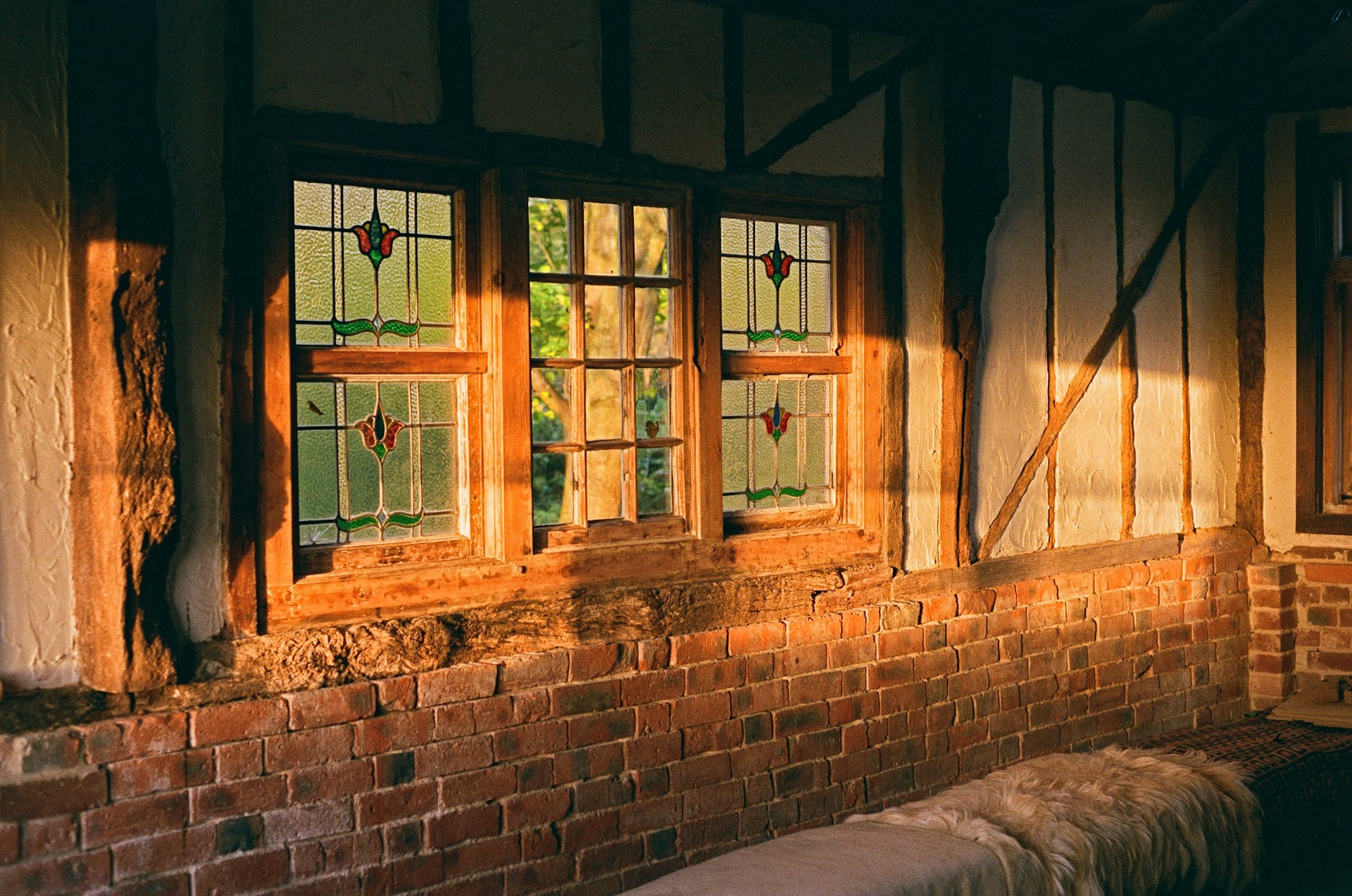
Using reclaimed brick tile on interior walls gives your space authentic charm and warmth. You can highlight a fireplace, create an accent wall in living rooms, or add texture in kitchens and bathrooms.
The uneven surfaces and aged patina offer a rustic or vintage feel not found in new bricks. Walls with reclaimed brick tile work well with wood and metal finishes. You can pair them with modern furniture to add contrast or with classic details for a timeless look.
Consider sealing the tiles for easier cleaning, especially in kitchens or bathrooms.
Exterior Facades
Reclaimed brick tile is strong and durable enough for use on exterior walls and facades. It withstands weather while preserving historic appeal.
You can use it to restore older homes or give new construction a sense of heritage. Using authentic reclaimed brick outdoors also adds insulation benefits and improves your home’s curb appeal. Choose tiles with a rough texture to help hide dirt and wear.
For reliable materials and fast shipping, we offer a wide selection of reclaimed brick tiles ready for exterior use.
Flooring Solutions
Reclaimed brick tile floors provide a rustic foundation with natural slip resistance. They work in entryways, kitchens, and even patios.
The bricks’ durability means floors last a long time, even with frequent use. Because these tiles come from aged sources, each piece has unique markings and color shifts, adding character underfoot.
They are best sealed to prevent moisture damage in wet areas. If you want quick access to hand-selected, authentic reclaimed brick flooring, a reliable company can supply materials that ship within 48 hours.
Care and Maintenance
Caring for reclaimed brick tile means regular cleaning, sealing to protect against wear, and prompt repair of any damage. These steps help keep your tile looking authentic while lasting for years in your home or project.
Cleaning Practices
Cleaning reclaimed brick tile requires gentle methods to preserve its unique texture and patina. Use a soft broom or vacuum to remove loose dirt frequently. For deeper cleaning, mop with warm water mixed with a mild detergent.
Avoid harsh chemicals and acidic cleaners as they can damage the brick’s surface. If stains appear, treat them quickly using a poultice or gentle scrub with a soft brush. Avoid pressure washing, which may erode mortar or surface details.
Let the tile dry completely after cleaning to prevent moisture buildup that can cause mold or deterioration.
Sealing Recommendations
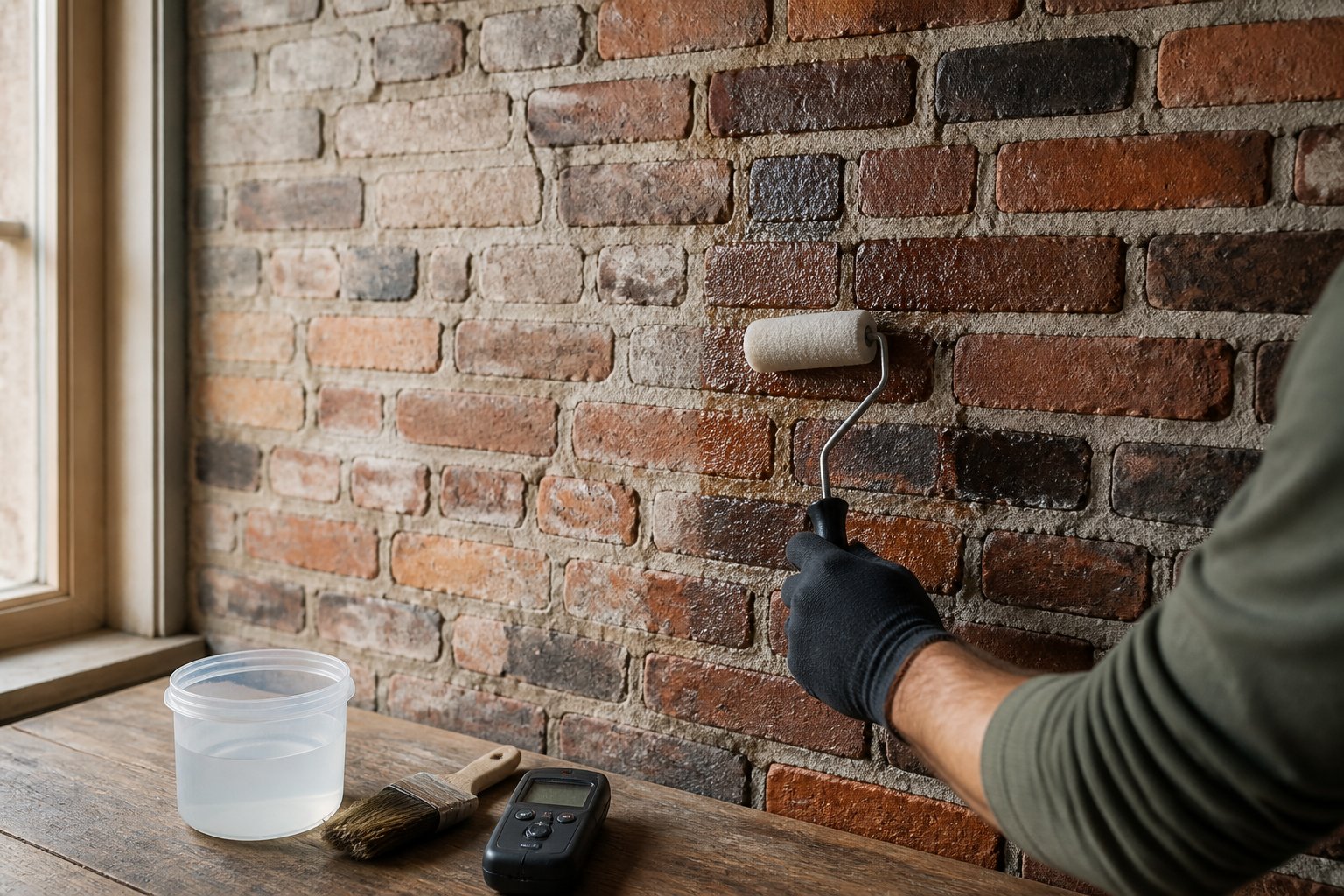
Sealing your reclaimed brick tile protects it from stains, moisture, and wear while maintaining breathability. Choose a high-quality, penetrating sealer designed for porous materials like brick.
Avoid surface coatings that create a thick film because they can trap moisture and cause damage over time. Apply sealers evenly with a brush or roller, following the product instructions. Typically, sealing should be reapplied every 2 to 5 years depending on exposure and use.
High-traffic or outdoor areas may need more frequent treatment. Proper sealing preserves color and texture while making cleanup easier.
Repairing Damaged Tiles
Damage like chips, cracks, or loose tiles should be addressed promptly to avoid further issues. Small chips can sometimes be filled with matching mortar or epoxy. For cracked tiles, replace them if possible to maintain structural integrity.
When removing and replacing tiles, be careful to preserve surrounding mortar and brick. You can source replacement reclaimed tiles from suppliers, who provide authentic, hand-selected materials to match your project’s character. Always test repair materials on a small area first to ensure proper color and texture match.
Cost and Value Considerations
Reclaimed brick tile pricing depends on many factors connected to its sourcing, quality, and preparation. You should weigh these against the cost of new brick tiles while keeping in mind the value reclaimed materials add through their history and character.
Pricing Factors
Several key elements impact the price of reclaimed brick tile. First, the age and condition of the bricks matter. Bricks sourced from century-old buildings usually carry higher value due to their historic character and durability.
Transportation and handling add to the cost—reclaimed materials must be carefully removed, cleaned, and sometimes modified for reuse, which raises expenses compared to new tiles. Availability is another consideration.
Rarer colors or styles of reclaimed bricks tend to demand a premium. Additionally, lead times can be longer, affecting project schedules and budgets. Our team offers hand-selected reclaimed bricks with inventory ready to ship nationwide within 48 hours, improving cost efficiency through speed and reliability.
Comparing to New Brick Tiles
New brick tiles generally cost less upfront than reclaimed ones. You can expect reclaimed bricks to cost between 85p and £1.50 per brick or $9.60 to $16.80 per square foot for tiles, depending on rarity and condition.
While new tiles save money initially, reclaimed brick tile provides unique textures and historic appeal that new materials can't replicate—adding long-term value to your project.
Reclaimed tiles may involve extra labor or special installation techniques, which can increase costs compared to new products. However, their durability and distinct look often justify the investment.
Environmental Impact
Choosing reclaimed brick tile helps you reduce waste and supports responsible sourcing. These bricks lower your project's carbon footprint and connect your work to sustainable building practices.
Recycling and Waste Reduction
Reclaimed brick tiles cut down on construction waste by reusing materials from old buildings. Instead of sending bricks to landfills, you give them a new life, saving natural resources.
Using these tiles means less demand for new brick production, which uses a lot of energy and emits greenhouse gases. The process to mine clay and fire new bricks produces significant CO₂ emissions.
Reclaimed bricks skip all that, lowering your overall environmental impact. By sourcing reclaimed tiles, you contribute to a circular economy, where materials are continuously reused. This approach reduces landfill waste, conserves raw materials, and makes your building project more eco-friendly.
Ethical Sourcing Practices
Sourcing reclaimed bricks ethically means you know where your materials come from and how they were handled. Bricks are salvaged from century-old structures with care, ensuring authenticity and environmental respect.
Using hand-selected reclaimed materials avoids the harmful effects of new brick extraction. It also preserves historic textures and character, giving your project a timeless look. Ethical practices include minimal processing and careful preparation, reducing waste during reclamation.
This attention to detail maintains material durability and supports long-lasting, sustainable construction.
Bringing Heritage and Sustainability Into Modern Design
Reclaimed brick tile unites history, craftsmanship, and modern sustainability. From walls and floors to facades, these materials add depth, warmth, and integrity that stand the test of time. Choosing authentic reclaimed tiles ensures both strength and heritage. It gives your project an enduring connection to the past while enhancing today’s spaces.
At New Orleans Brick & Stone, every reclaimed brick tile is hand-cut from century-old buildings, cleaned, and tested for quality. With fast nationwide shipping and expert guidance, you receive authentic materials ready for installation.
Bring timeless character into your design with genuine reclaimed brick tile. Explore our authentic, sustainable materials and start building your space with history, beauty, and lasting value.
Frequently Asked Questions
Reclaimed brick tiles offer unique character but need careful thought before purchase. You should evaluate sources, local availability, tile types, pricing, and vendors to make the best choice. Understanding these details helps you find bricks that match your project needs and budget.
What are the best sources to purchase reclaimed brick tiles?
The best sources are businesses that reclaim bricks from century-old buildings and prepare them for reuse. Look for suppliers with ready inventory and quick shipping. New Orleans Brick & Stone is one such supplier, known for quality and fast delivery across the United States.
How can I find reclaimed brick tiles in my local area?
Check local demolition sites, historic building restorations, or salvage yards. You can also contact specialized reclamation companies that handle the cleaning and processing. Local builders or architects might know trusted suppliers nearby.
What are the differences between reclaimed brick tiles and veneers?
Reclaimed brick tiles are made from full, used bricks cut into thinner pieces. Veneers are usually manufactured to look like brick but are thinner and lighter. Reclaimed brick tiles offer authentic texture and history, while veneers focus more on ease and cost.
What should I consider when selecting reclaimed brick floor tiles?
Consider thickness and durability since floor tiles need to withstand foot traffic. Check if the tile has been properly treated or sealed for floors. Also, think about color and wear patterns—it should match the look you want while being long-lasting.
How is the pricing structured for reclaimed brick tiles?
Pricing depends on labor involved in salvaging, cleaning, and shipping. Authentic reclaimed bricks usually cost more than new bricks because of this. Expect suppliers like New Orleans Brick & Stone to offer competitive prices with transparent fees.
Are there any reputable vendors specializing in vintage brick salvage?
Yes. Some vendors focus solely on brick salvage from historic buildings. New Orleans Brick & Stone is a trusted name with family heritage and a strong commitment to quality and service. They maintain meaningful inventory and ship nationwide within 48 hours.