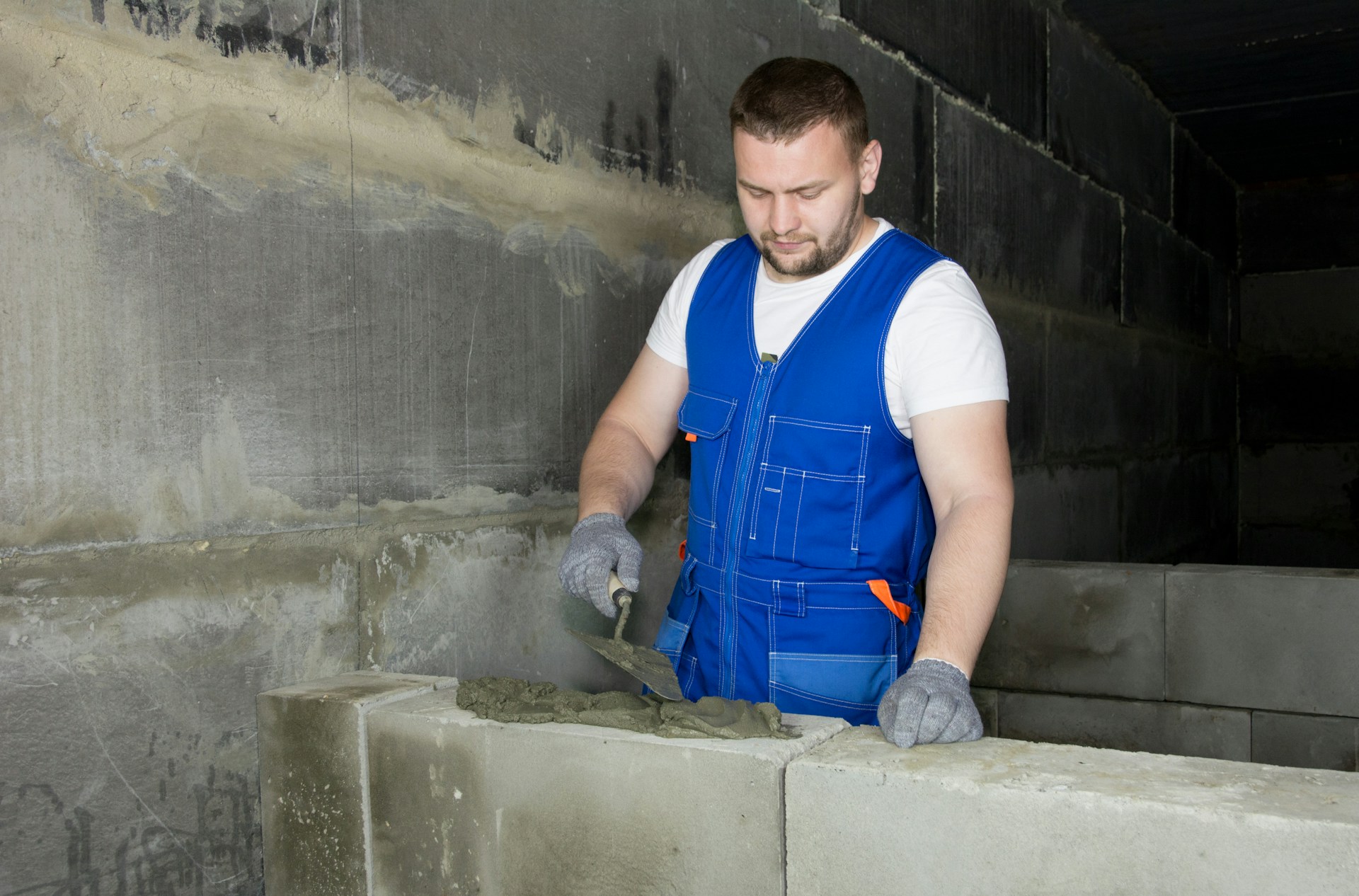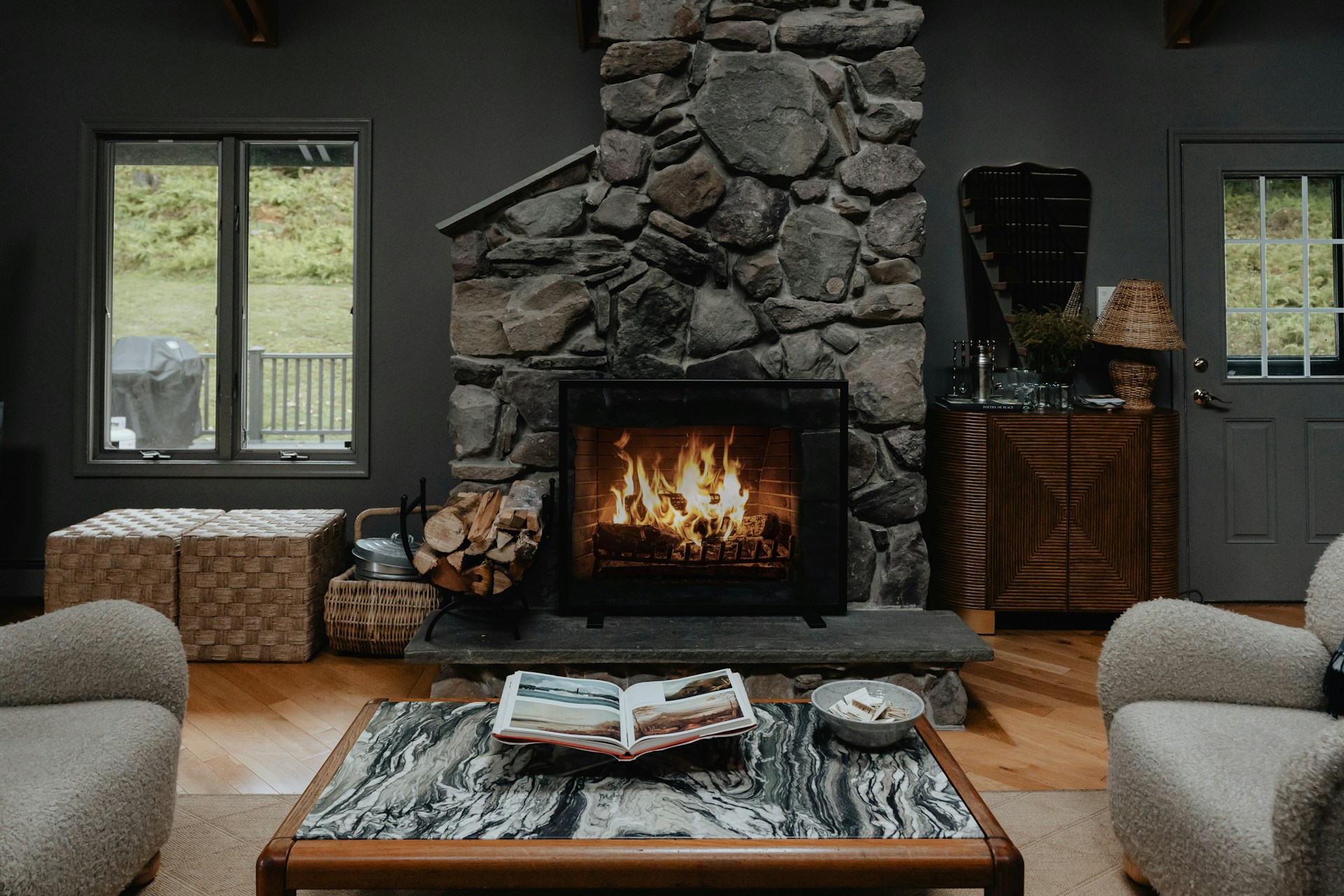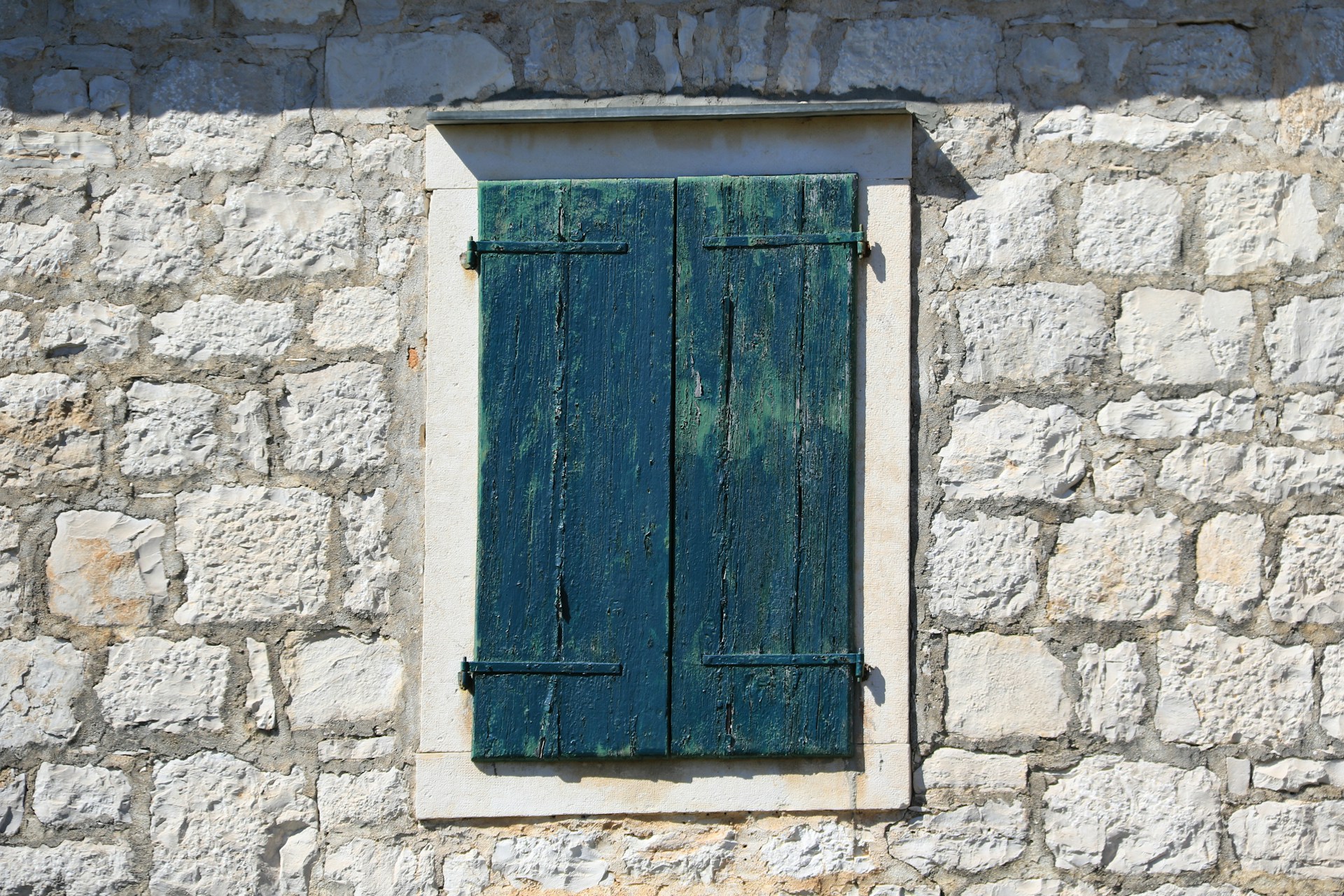
Coastal homes demand materials that can stand up to salt air, high winds, shifting moisture, and long seasons of sun. But strength shouldn’t come at the expense of warmth or character. That’s why reclaimed brick, stone, and slate are such smart choices—they’ve already endured decades of weather, developed natural patina, and carry the kind of texture and authenticity you simply can’t manufacture.
In this guide, you’ll learn which traditional materials perform best in harsh coastal environments, how modern prep and sealing methods protect natural finishes, and what maintenance habits keep a seaside home looking beautiful year after year.
And if you need heritage-rich materials that can handle coastal conditions without long lead times, New Orleans Brick & Stone supplies hand-picked reclaimed brick and stone—tested, curated, and shipped fast—so your project stays durable, sustainable, and right on schedule.
Authentic Materials in Coastal Architecture
Authentic materials offer more than surface charm; they bring genuine durability, a real sense of place, and a nod to history. Here’s what authenticity means, how to spot it, and why it matters so much along the coast.
Authentic materials are made for long-term use and have proven themselves in real-world conditions. For coastal projects, that means things like reclaimed brick, natural stone, and dense hardwoods—materials that shrug off salt, wind, and moisture. You want materials with real patina and tested performance, not just thin veneers or synthetic stand-ins.
Choosing authentic materials means you’ll spend less on replacements and get a building that actually lasts. They also deliver the visual depth and texture that new substitutes just can’t fake. When you pick these, you’re investing in something honest and sturdy—something that feels right for the coast, not like a cut corner.
When you’re picking materials for coastal homes, focus on durability, compatibility, and maintenance. Durability means standing up to salt air, humidity, sun, and wind-driven rain. Compatibility is about matching how materials expand, breathe, and fasten—otherwise, things fail early.
Use the right details: stainless fasteners, through-wall flashing, breathable membranes, and raised foundations. Plan for upkeep—oiling, repointing, sealing—so your authentic materials keep doing their job. Look for materials with real wear and proven structure; reclaimed brick and stone from old buildings already tell you they’ll last.
History
Coastal architecture borrows from local traditions, shaped by tough environments and what’s on hand. Old coastal homes used thick masonry, raised floors, wide porches, and lime mortars to deal with storms and humidity. These weren’t just style—they were survival, refined over generations.
Reclaimed materials carry that story forward. They’ve already proven they can handle coastal life and bring a lived-in story to new projects. Using authentic reclaimed brick or stone ties your project to those time-tested methods and supports sustainable reuse. New Orleans Brick & Stone makes sure this heritage stays alive, hand-selecting and prepping reclaimed masonry for modern coastal builds.
Traditional Building Materials for Coastal Environments
You want materials that stand up to salt, wind, and moisture, but also bring in character and a bit of history. Durable stone, rot-resistant timber, and fired clay have always been solid picks for a reason.
Locally Sourced Stone
Local limestone, granite, and coastal sandstone handle salt spray and help balance indoor temps. Go for stone with tight grain and low porosity—it sheds water, keeps salt out, and shrugs off freeze-thaw damage.
Salvaged stone from nearby historic sites gives you that authentic patina and strength. New Orleans Brick & Stone supplies reclaimed flagstone and veneers that have already survived decades of coastal weather, so you’re reusing proven material with almost no extra fuss.
Set stone with breathable mortars and good drainage. Skip the heavy-duty sealants that trap water. Get the details right—flashing, through-stones, weep channels—and you’ll cut down on repairs.
Timber Varieties
Naturally tough woods like cypress, teak, and black locust are excellent for framing, siding, and trim near the water. They fight off rot and bugs without needing lots of chemicals. For decks and railings, stick with heartwood and tight grain—it just lasts longer.
Pressure-treated lumber works for stuff below grade, but above ground, cypress or reclaimed timbers give you historic character. Old beams from coastal buildings have deep grain and a weathered look you can’t get from new boards.
Use breathable oils or water-repellent stains. Make sure decks and siding get plenty of ventilation and don’t let moisture get trapped at fasteners or seams.
Clay and Terracotta
Fired clay tiles, terracotta pavers, and brick perform well in salty air thanks to their dense, low-porosity finish. Salt-glazed or dense clay is great for roofs and hardscapes, limiting salt absorption and erosion.
Authentic reclaimed brick brings unmatched character and strength. Antique clay tiles and brick have already survived coastal cycles, so they’re a smart, sustainable pick for real coastal style.
Install clay with breathable bedding and good drainage. For roofs, use corrosion-resistant fasteners and marine-rated underlayments to protect what’s underneath.
Modern Innovations with Natural Materials
Engineered wood and composites can look like the real thing but handle coastal weather and salt air better than you might think.
Engineered Wood Solutions
Engineered wood gives you the look and warmth of timber but with less warping and shrinking. Cross-laminated timber (CLT) and laminated veneer lumber (LVL) hold up to salt spray and humidity, and you can get longer beams for wide porches or deep eaves.
Most engineered products use tough, exterior adhesives and treatments that slow down rot and fungus. You can still use authentic reclaimed boards or new boards with a weathered finish to keep the historic vibe. If you’re working with New Orleans Brick & Stone, you can pair engineered structure with reclaimed brick or stone veneers for a unified, heritage-driven look.
Installations go faster—factory-cut panels fit tight, so you spend less time exposed to the elements.
Composite Materials for Durability
Composites mix natural fibers with polymers for decking, trim, and siding that resist moisture, bugs, and sun. They don’t splinter and need less sealing, so you spend less time on upkeep. Many even mimic wood grain pretty convincingly.
Pick capped composites or ones with UV-stable colors so they don’t fade. If your site gets harsh storms, look for products rated for freeze-thaw and salt. Use the right fasteners—stainless or coated screws—and you’ll avoid staining and rust. Composites work well with reclaimed masonry, letting you keep those authentic accents while updating other surfaces for longevity.
Material Performance in Coastal Conditions
Coastal materials have to handle moisture, salt, and sun without losing their look or texture. Choose stuff that resists water, blocks corrosion, and stands up to UV if you want less maintenance and a longer lifespan.
Resistance to Moisture
Water’s the main enemy. Use dense, low-porosity stone or reclaimed brick that’s kiln-dried or sealed to keep water absorption low. Materials that soak up less than 5% by weight usually dodge freeze-thaw damage and efflorescence.
Mortar and grout matter, too. Use Type N or S mortar with water repellents for above-grade work—add lime for breathability on older masonry. Good flashing, grading, and drainage behind veneer are non-negotiable.
Sealants can help but need touch-ups. Reapply breathable silane/siloxane sealers every 3–7 years, depending on exposure. Check joints yearly and replace any failed caulk to keep water out.
Salt and Corrosion Protection
Salt eats metal and mortar fast. Use stainless steel (316) or hot-dipped galvanized anchors and ties, or go non-metallic where you can. Plain carbon steel near the surf? Just don’t.
Salt also pulls minerals into masonry, causing spalling and stains. Rinse surfaces with fresh water now and then to knock off salt. For reclaimed brick, pick ones tested for salt load; low-salt bricks from interior buildings are best for exposed spots.
Protect metal flashings and weep vents with covers, and use corrosion-inhibiting coatings where you can’t use stainless. If you spot corroded anchors, swap them out fast.
UV and Weather Endurance
Sun and wind break down finishes and binders. Stick with natural stone, dense reclaimed brick, or lime mortars—they don’t rely on UV-sensitive polymers and hold color and texture longer.
For paints and coatings, go with high-UV acrylics rated for coastal use and plan to recoat every 5–10 years. If you want breathability and a classic look, mineral paints or limewash are the way to go—they breathe and soften sun fade.
Wind-driven sand is brutal. Put the toughest materials down low and reinforce corners. After storms, give everything a once-over for erosion, cracked mortar, or loose veneer—catching issues early saves you headaches.
Sustainable Practices in Coastal Material Selection
Pick materials that beat salt air, shed water, and come from sources that don’t trash the planet. Focus on sourcing, reuse, and careful installation to keep your coastal build durable and low-impact.
Eco-Friendly Sourcing
Buy local stone or reclaimed masonry to cut down on shipping and support the local scene. Ask suppliers where their stuff comes from and how it’s removed.
Look for third-party certifications—responsibly managed quarries, reclaimed provenance. Pick salt-tolerant woods and non-corroding metals to avoid early replacements.
Work with suppliers who test for structural soundness and historic reuse, so you don’t get hidden problems. New Orleans Brick & Stone stocks hand-selected reclaimed brick and stone, ready to ship fast, which helps you avoid delays and waste.
Recycled and Renewable Options
Use reclaimed brick, slate, and flagstone from deconstructed buildings to preserve character and cut down on raw material use. These materials already have proven durability and a weathered look that fits coastal styles.
Composites with recycled content work for trim or decking—they resist moisture and save old-growth timber. For insulation, try recycled denim or cellulose from post-consumer paper to lower embodied carbon.
Document your reclaimed materials for project files, certifications, or incentives. Choose materials that can be disassembled and reused later to keep future waste down.
Low-Impact Installation Methods
Build breathable wall systems with good flashing and weep holes to keep moisture moving out. Use stainless or hot-dip galvanized fasteners to fight corrosion.
Go for mechanical fastening and reversible mortar mixes so you can take things apart and reuse them. Minimize excavation and protect shoreline plants during staging to avoid erosion.
Train your crews on handling reclaimed materials—breakage is waste. Plan deliveries in batches to cut down on truck trips and emissions.
Aesthetic Integration and Design Considerations
Pick materials that suit the site’s light, wind, and landscape. Go for textures and colors that age gracefully and don’t demand constant touch-ups.
Blending with the Natural Environment
Set reclaimed brick or stone where it feels like part of the land, not just an afterthought. For seaside facades, use heavier stone at the base to anchor the building and deflect splash and wind. Go with thinner veneers or bluestone higher up to cut weight but keep the look real.
Keep plantings native and low near masonry—less moisture against the walls, fewer headaches. Leave some drainage gaps and pick mortars that flex with salt air to dodge cracks. Want a historic vibe? Mix bricks from different eras, but keep mortar joints consistent for a unified look.
Reuse salvaged flagstone for paths and terraces to connect the house to dunes or marshes. Pick stone with the right grit for the expected foot traffic—nobody wants a slick path when it rains.
Color and Texture Choices
Choose colors that play nice with sand, sea, and local greenery. Warm reds, soft tans, and weathered gray bricks blend into dune grasses and oak stands. Skip stark white or pitch-black finishes—they just look out of place in coastal light.
Textured surfaces beat smooth ones; they hide chips and develop patina in a way that feels right. When you’re picking thin brick or veneer, get real samples and check them in sun and shade to see how the color shifts. For mortar, decide if you want it to blend in for a seamless look or stand out a bit to show joint lines—each choice hints at a different historic period.
If you’re sourcing materials, ask for hand-selected, reclaimed pieces that fit your palette. New Orleans Brick & Stone can send tested, hand-picked samples quickly if you need to see them on site.
Maintenance and Longevity of Authentic Materials
Gentle cleaning, salt control, and timely repairs help reclaimed brick, stone, and slate last for decades. Stick with gentle methods, keep an eye on moisture, and match repair materials to the originals.
Routine Care Tips
Check masonry twice a year for loose mortar, cracks, and salt stains. Salt (efflorescence and spalling) pops up near the coast; brush off salts with a stiff brush and low-pressure water—skip the harsh acids.
Keep gutters, downspouts, and flashing clear so water drains away from walls and foundations. Trapped moisture speeds up mortar failure and invites algae or lichen.
Use breathable sealers only if you really need them—nonbreathable coatings just trap moisture. For walkways and patios, sweep sand into joints and replace lost jointing material to keep things stable and prevent freeze-thaw damage.
Store extra reclaimed units in a dry, airy spot so you can match texture and color when you need to patch things up.
Repair and Restoration Techniques
When repointing, stick to the original mortar mix—historic lime-based mortars aren’t the same as modern Portland blends. Use a soft, slightly weaker mortar than the masonry itself to protect old brick and stone from cracking.
Remove damaged mortar in small bits and repoint in layers, letting each one cure. Only swap out units that are really beyond saving; keep salvageable pieces for a perfect match.
For cracked or spalled bricks and stones, use replacements from your own stash or a reliable supplier like New Orleans Brick & Stone if you need that century-old look and patina. Patch small chips with lime-compatible mortars colored to blend in.
Always test cleaning and repair tricks on a hidden spot first. For big structural jobs, bring in a mason who knows historic materials—better safe than sorry.
Building or renovating in a coastal environment means every material choice matters—durability, sustainability, and authenticity aren’t optional; they’re essential. Reclaimed brick, stone, and slate offer the perfect balance: they’ve already withstood decades of weather, they age beautifully, and they carry the kind of character that makes a coastal home feel rooted in its surroundings.
When you choose authentic reclaimed materials, you’re investing in strength, longevity, and a look that genuinely belongs by the water. And when you choose us at New Orleans Brick & Stone, you get all of that - plus unmatched speed, transparency, and craftsmanship. Our team hand-selects every reclaimed brick and stone, tests each batch, documents its history, and keeps real inventory in stock so you don’t wait weeks for material that still might not fit your project.
If you’re ready to build a coastal home that feels honest, durable, and deeply connected to place, we’re here to help.
Reach out to our team at New Orleans Brick & Stone to source heritage-rich materials that ship fast, install beautifully, and stand strong against the coast - year after year.
Frequently Asked Questions
Here are some real-world answers about weather-ready materials, how salt and wind factor in, eco-friendly choices, roofing, easy-care finishes, and design steps for coastal homes.
What are the most durable materials for constructing a beach house?
Stick with marine-grade stainless steel fasteners and anchors—they don’t rust easily.
Go for dense, kiln-fired brick, concrete block, or fiber cement for walls; they handle wind and moisture well.
For wood, choose pressure-treated or naturally tough options like cedar or cypress.
Use stainless or hot-dipped galvanized connectors with a solid corrosion rating.
How does the coastal climate affect the choice of building materials?
Salt spray speeds up corrosion on metal and wears down paint and sealants faster.
High humidity makes untreated wood rot and grow mold.
Strong winds mean you’ll need reinforced framing, tougher connections, and impact-rated glass.
UV rays fade finishes, so look for UV-resistant paints and coatings.
Can you suggest eco-friendly options for coastal home construction?
Reclaimed brick and stone keep waste out of landfills and add a touch of history.
Find certified reclaimed materials from suppliers you trust for quality and safety.
Locally sourced shell or salt-tolerant native stone can cut down on transport emissions.
Go for high-efficiency insulation and ventilated rainscreens to lower energy use and moisture issues.
What are the best roofing materials for homes in coastal areas?
Metal roofing—standing seam aluminum or zinc—holds up against salt and wind if you get the right coating.
Clay or concrete tiles handle salt and sun, but check wind ratings and make sure they’re anchored well.
Skip untreated wood shingles; they soak up moisture and need replacing too often.
Use wind-rated underlayment and fasteners made for marine conditions.
What are some low-maintenance exterior finishes for seaside properties?
Fiber cement siding shrugs off rot, bugs, and salt with hardly any fuss.
Engineered stone veneer and reclaimed brick last a long time and don’t need much care.
Powder-coated aluminum trim and stainless fixtures cut down on repainting and rust.
Pick breathable, mildew-resistant paints for quicker drying and fewer do-overs.
Are there specific design considerations when selecting materials for coastal architecture?
Raise living spaces above the base flood elevation, and stick with flood-resistant materials for anything below that line.
Set up mechanicals and electricals so you can actually service and swap them out without tearing everything apart.
Think about ventilation and drainage—ventilated rainscreens, big overhangs, and raised hearths really help cut down on moisture.
Pick materials and fasteners that have proven themselves in marine or coastal settings, and if you need authentic reclaimed masonry in a hurry, try reaching out to suppliers like New Orleans Brick & Stone.