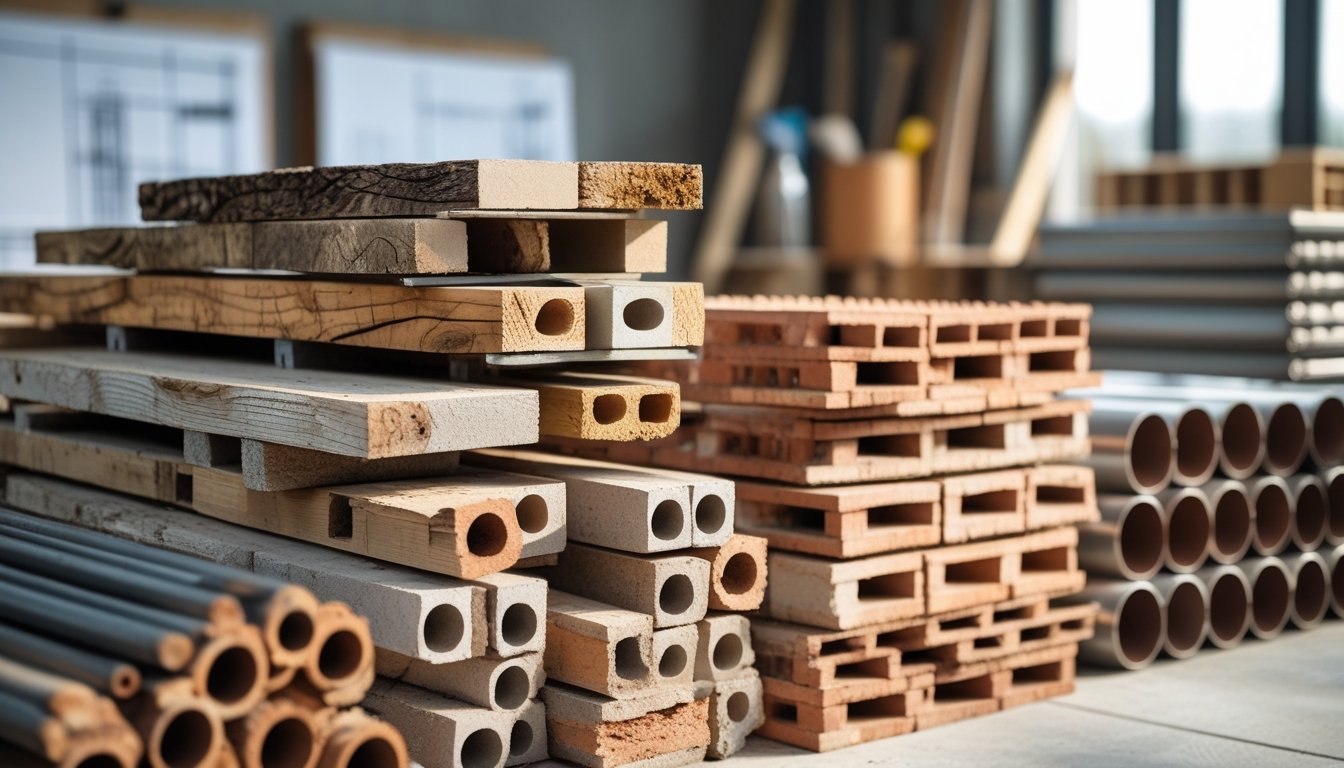
Eco-friendly reclaimed building materials offer authentic texture, proven durability, and meaningful sustainability benefits. These materials carry the patina of age, giving every project warmth and character that new products simply can’t match.
New Orleans Brick & Stone continues the tradition of sourcing genuine reclaimed brick and stone. That reflects Southern craftsmanship and architectural heritage. With fast nationwide shipping and hand-selected materials, we help builders, architects, and homeowners create sustainable projects.
In this article, you’ll learn how reclaimed materials support environmentally conscious building, what types are most commonly used, and how to source them responsibly. You’ll also discover practical guidance for installation, real-world applications, and sustainability trends shaping modern construction.
Key Takeaways
- Reclaimed materials combine durability with authentic historic character.
- Sourcing from heritage-focused suppliers ensures quality and fast delivery.
- Using reclaimed brick and stone minimizes environmental impact and waste.
What Are Eco-Friendly Reclaimed Building Materials?
Eco-friendly reclaimed building materials use authentic, durable components from old structures, reducing waste and preserving craftsmanship. These materials carry historical character and are often sourced from buildings over a century old, giving your project a meaningful connection to the past.
Definition and Overview
Reclaimed building materials come from existing buildings or structures for reuse. They include wood, brick, stone, and metal that people carefully remove, clean, and prepare for new construction or renovation.
Using reclaimed materials reduces the need for new resources, lowers landfill waste, and cuts energy consumption associated with producing new materials. For your project, this choice means authentic texture and patina with proven durability.
History and Evolution
The practice of reclaiming building materials dates back centuries, but gained widespread recognition during 20th-century conservation efforts. Originally born from necessity, the reuse of materials now reflects an informed choice toward sustainability and design integrity.
Architect A. Hays Town helped popularize reclaimed masonry in Southern architecture, valuing its timeless quality. Today, this tradition continues through family businesses that emphasize connecting modern design to architectural legacy with materials that carry stories and soul.
Types of Reclaimed Materials
Common reclaimed materials include:
- Brick and Stone: Often taken from century-old buildings, prized for durability and unique weathered surfaces.
- Wood: From old barns, homes, and factories—rich in grain and history, ideal for flooring, beams, and paneling.
- Metal: Doors, hardware, and decorative elements are salvaged and reused to maintain authenticity.
Each category offers distinct benefits. You can choose the exact style and finish that fits your vision, all while reducing environmental impact.
Environmental Benefits of Reclaimed Building Materials
Using reclaimed building materials helps you make smarter choices for the environment by cutting down on new resource use, lowering emissions, and reducing landfill waste. These benefits contribute to a more sustainable approach without sacrificing quality or character in your projects.
Reduced Embodied Carbon in Reclaimed Masonry
The embodied carbon of reclaimed masonry is far lower than that of newly manufactured materials. According to the U.S. Department of Energy, producing new brick requires high-temperature kilns that consume significant energy and generate substantial emissions.
Reusing historic brick avoids this process entirely, making it a meaningful step toward low-carbon construction.
When builders choose reclaimed materials, they extend the lifecycle of existing brick while preventing the environmental impact tied to resource extraction and manufacturing. These choices support long-term sustainability goals in both residential and commercial projects.
Reducing Resource Consumption
When you choose reclaimed brick or stone, you avoid the need to extract and process raw materials. This saves valuable natural resources like clay, limestone, and timber. By giving new life to materials from century-old buildings, you preserve the earth’s finite supplies.
Reclaimed materials arrive pre-aged and durable, requiring less energy for production compared to new alternatives. This conserves water and minimizes damage to ecosystems caused by mining or quarrying.
Lowering Carbon Footprint
Manufacturing new building materials generates significant carbon emissions due to extraction, processing, and transportation. By selecting reclaimed materials, you reduce these emissions considerably. The embodied carbon in reused brick or stone is far lower because no additional manufacturing is needed.
Minimizing Waste in Landfills
Old buildings often end up as debris in landfills, contributing to pollution and lost resources. When you use reclaimed building materials, you divert significant amounts of waste from these sites. This helps extend landfill lifespans and reduces harmful environmental impacts tied to construction waste.
By incorporating these materials, you actively participate in the circular economy, giving historic elements new purpose while keeping waste low.
Popular Types of Eco-Friendly Reclaimed Materials
Choosing reclaimed materials means selecting pieces with history, character, and proven durability. You get authentic textures that modern manufacturing can’t replicate, plus the environmental benefit of reusing resources without sacrificing quality. Know more about Carbon Footprint of Reclaimed vs New Brick.
Reclaimed Wood
Reclaimed wood offers warmth and rich textures that come from decades or even centuries of use. It often features unique grain patterns, nail holes, and color variations that tell a story of its past life. This makes it perfect for flooring, furniture, and exposed beams.
Using reclaimed wood reduces the demand for new lumber, preserving forests and preventing unnecessary waste. It's also typically well-seasoned, which minimizes shrinking and warping. You can find varieties ranging from old-growth pine to hardwoods salvaged from barns or warehouses.
Reclaimed Brick
Reclaimed brick is prized for its durability and timeless aesthetic. Sourced from buildings over 100 years old, these bricks carry the patina and texture of historic craftsmanship. The strength and color variation in these bricks add character and authenticity to any project.
Reclaimed Metal
Reclaimed metal, including iron, steel, copper, and bronze, offers strength and a unique patina that develops over time. These materials can be repurposed for framing, roofing, hardware, and decorative elements. Their weathered look adds an industrial or vintage vibe.
Reusing metal reduces the need for mining and energy-intensive metal production. You gain materials that are often thicker and more durable than modern equivalents, making them a smart choice for sustainable construction and design.
Reclaimed Glass
Reclaimed glass brings distinct colors, textures, and imperfections found only in older glass panes and bottles. It works well in windows, doors, lighting fixtures, and decorative features. The subtle variations in thickness and bubbles create a handcrafted, nostalgic effect.
By reusing glass, you cut down on energy use needed for new production and avoid landfill waste. You can find everything from clear to stained or frosted glass, allowing you to customize the light and mood in your space while honoring historic character.
Sourcing Reclaimed Materials Responsibly
Securing reclaimed building materials means balancing authenticity, sustainability, and quality. You want to work with suppliers who prioritize local sourcing, meet trusted standards, and provide materials that hold up over time.
Finding Local Suppliers
Start by identifying suppliers near your project site to reduce transportation emissions and costs. Local suppliers often have a better understanding of regional architecture and material histories, which helps ensure the reclaimed materials fit your design.
Look for businesses that maintain a ready inventory of quality reclaimed bricks and stone. They can offer immediate availability and fast shipping, meaning your project stays on schedule. Choosing local sources also supports smaller family-owned businesses committed to heritage and craft.
Certifications and Standards
Check if your supplier follows industry guidelines that verify materials are truly reclaimed and handled responsibly. Certifications can include formal documentation of a material’s age, origin, and environmental impact.
Ask for proof of lead paint testing or asbestos clearance when dealing with older structures. Verified authenticity preserves the historic value of your materials and keeps your project compliant with safety standards. Responsible sourcing protects both the environment and the integrity of your build.
Evaluating Material Quality
Before purchasing, inspect the physical condition of the reclaimed bricks, stone, or pavers. You want materials that show natural weathering, but no serious cracks or crumbling that could affect durability.
Always confirm the supplier offers support in matching material style, texture, and color with your project’s needs.
Building with Reclaimed Materials
Using reclaimed brick, stone, and other materials adds authentic character and lasting durability to your project. These materials require careful preparation, thoughtful design, and attention to safety to preserve their historic value and ensure a successful build.
Preparation and Cleaning
Before installation, thoroughly clean and inspect reclaimed materials. Removing old mortar, dirt, and debris helps reveal their true texture and color, as well as ensures a better bond with new mortar.
You may need special tools like grinders or wire brushes to clean bricks or stone without damaging their surface. After cleaning, check each piece for cracks or weaknesses that could affect structural integrity.
Design Considerations
When designing with reclaimed materials, embrace their irregularities and natural wear. These are part of the material’s charm and add a unique story to your project.
Plan for varying sizes and slight imperfections by allowing flexibility in your layout. You might use reclaimed bricks for feature walls or accents rather than structural elements needing uniformity.
Consider how the colors and textures of historic brick and stone will blend with new materials. Combining reclaimed with contemporary can highlight the timeless quality that reclaimed pieces offer.
Safety Precautions
Safety is key when handling and installing reclaimed materials. Wear protective gear such as gloves, dust masks, and eye protection to guard against dust and small debris.
Inspect materials for nails, metal ties, or embedded hazards left from previous structures. Removing these helps prevent injury during cutting or installation.
Use proper lifting techniques because reclaimed stone and brick can be heavy and unevenly shaped. If you’re unsure, consult professionals experienced in working with these materials to ensure safe handling and placement.
Reclaimed Materials in Residential Projects
Using reclaimed materials connects your home to history while adding character and durability that new materials often lack. These materials bring a unique patina and timeless appeal to your projects, from structural renovations to design details and outdoor features.
Home Renovations
When renovating your home, reclaimed brick and stone offer authentic texture and strength that modern replacements can’t match. You can restore original features or add vintage charm to new spaces without losing structural integrity.
Choosing materials from century-old buildings means your renovation gains a story and character built over decades.
Reclaimed materials are especially well-suited for fireplaces, exterior facades, and accent walls. Their natural aging process enhances your home’s warmth and historic feel while being environmentally responsible.
Interior Design Ideas
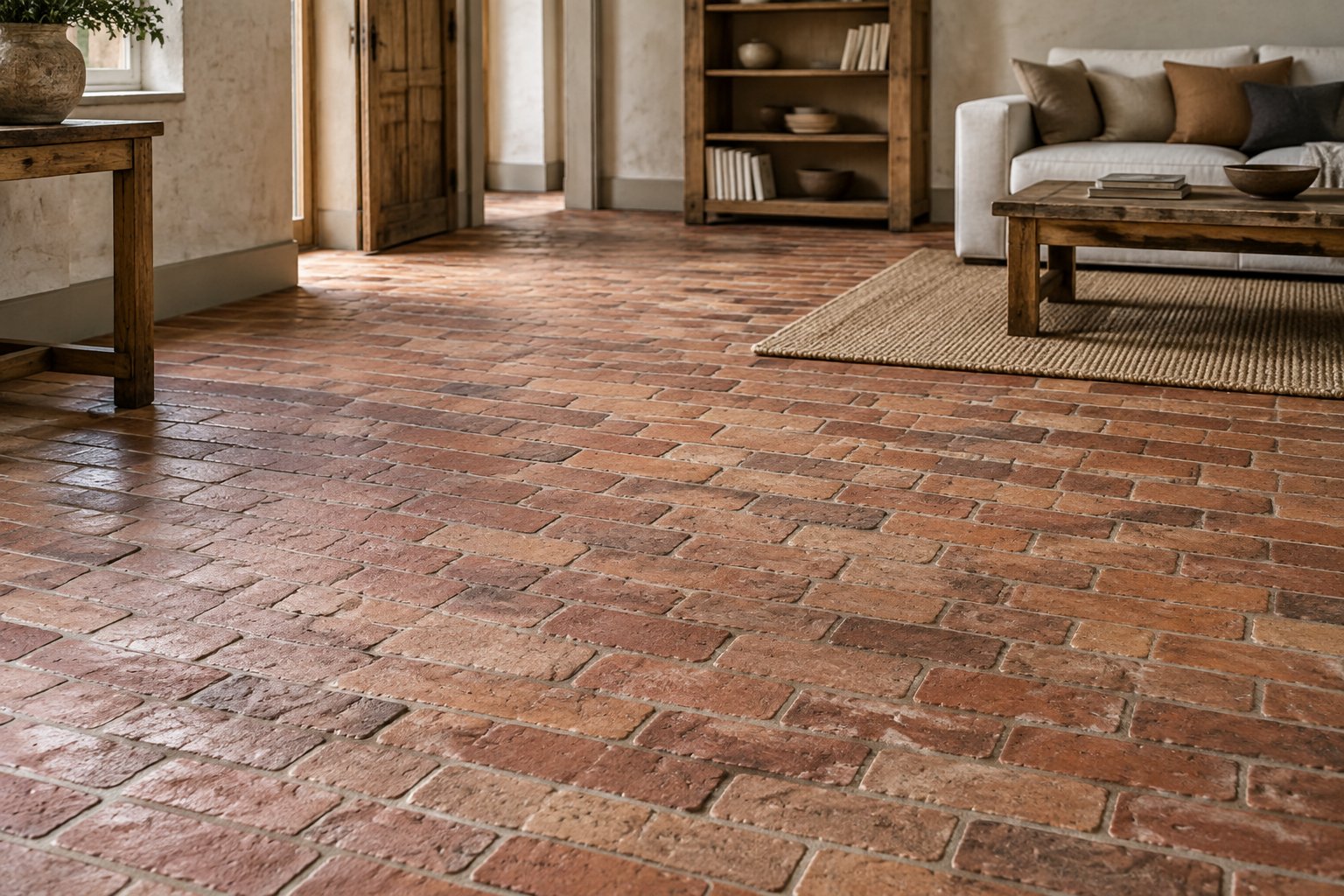
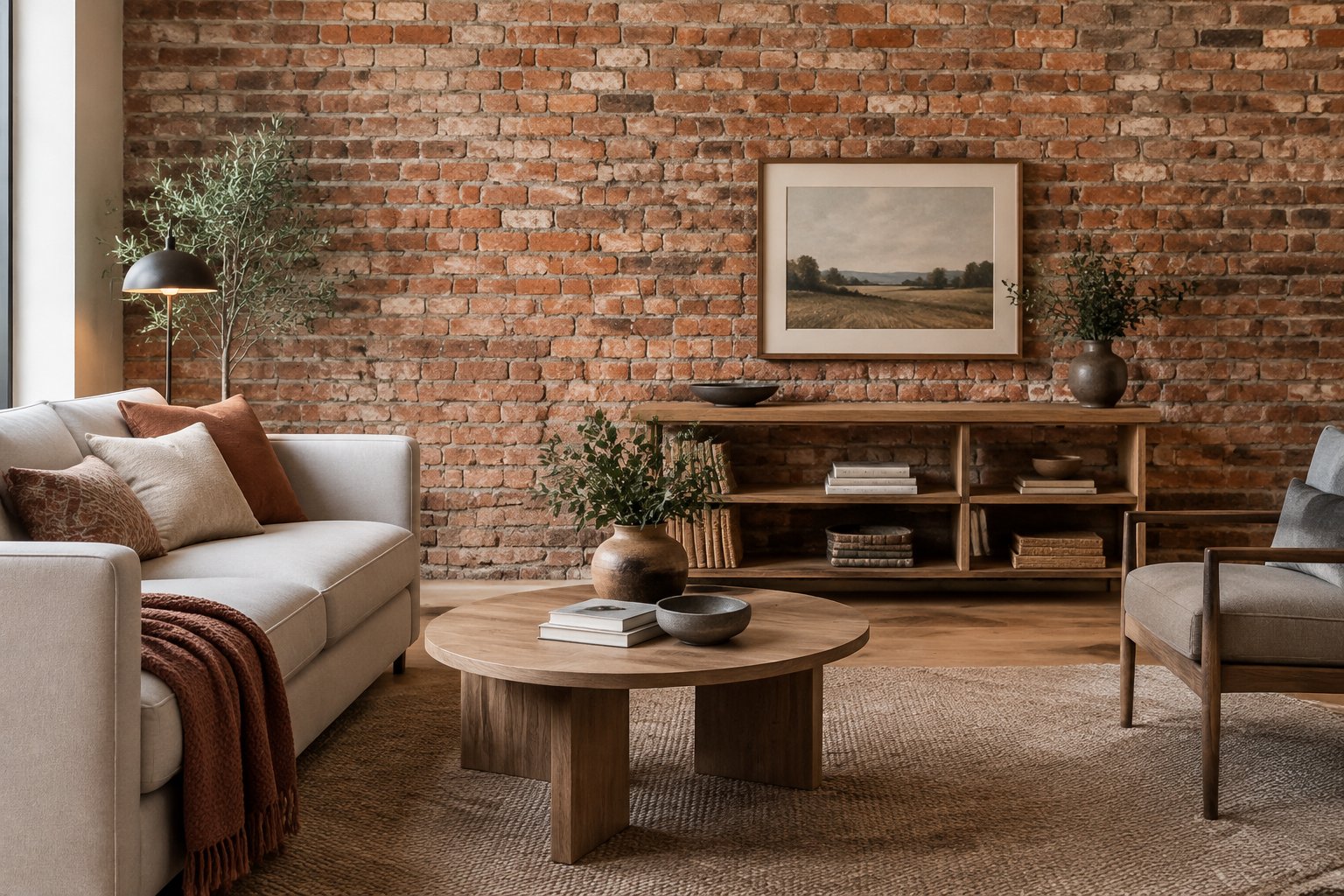
Incorporating reclaimed brick or stone inside your home creates a warm and inviting atmosphere rooted in craftsmanship. Whether you use it for a kitchen backsplash, exposed walls, or flooring, the material’s authenticity shines through.
You get unique color variations and imperfections that bring life to interiors. These natural flaws tell a story that adds depth and personality to your rooms, far beyond what new materials offer.
Pair reclaimed brick with modern furnishings for an exciting contrast or use it alongside wood and metal for a rustic, soulful aesthetic. Your home becomes a reflection of both history and refined taste.
Outdoor Structures
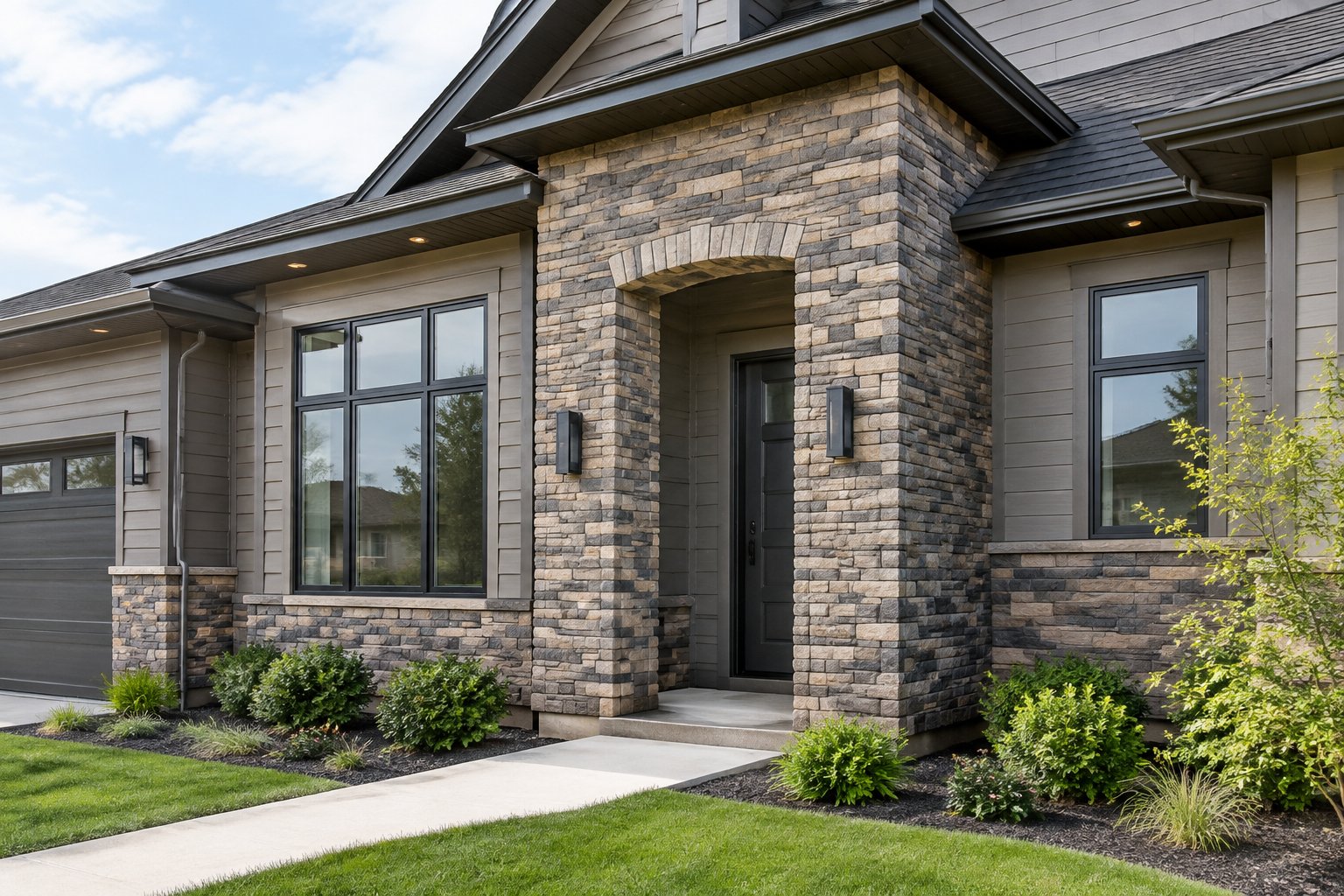
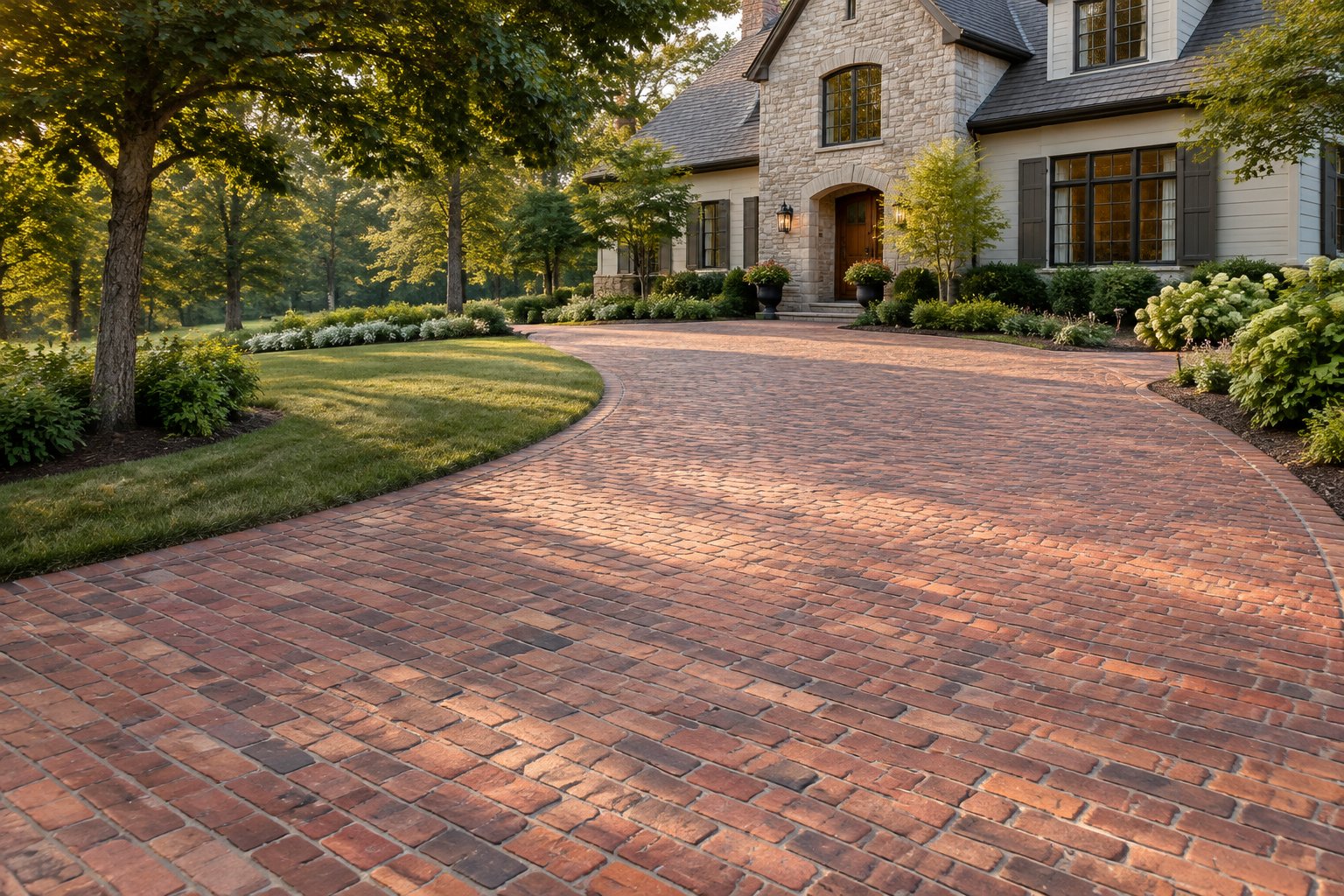
Reclaimed materials can transform your outdoor living spaces with rugged beauty and enduring strength. Imagine patios, walkways, garden walls, and outdoor fireplaces made from hand-selected brick or stone. Their durability withstands weather and develops rich patinas, adding charm to your yard over time.
Using authentic reclaimed brick and stone supports sustainable building by reusing resources from buildings that have stood for over a century. These materials ensure your landscape has a foundation built on heritage and lasting craftsmanship.
Reclaimed Materials in Commercial Construction
Reclaimed materials bring character and sustainability to commercial projects. You gain durable, unique assets that honor heritage and support fast, reliable sourcing. This approach works well in offices, retail spaces, and community ventures, creating spaces with lasting appeal and environmental responsibility.
Green Offices
When outfitting your office, reclaimed brick and stone offer more than old-world charm. They provide excellent thermal mass, improving energy efficiency and reducing heating and cooling costs.
Choosing these materials signals your commitment to sustainability, which can positively influence employees and visitors. You can mix reclaimed brick veneers with modern glass and steel, adding texture and depth to your office interior.
Flooring made from flagstone or slate adds natural durability that withstands heavy foot traffic. Finding authentic materials becomes easy and fast, helping you meet tight project deadlines without sacrificing style or quality.
Retail Spaces
Your retail design benefits from reclaimed materials by creating a memorable atmosphere rooted in authenticity. Using century-old brick walls or stone accents evokes a sense of trust and permanence—important for customer loyalty. These materials also age gracefully, maintaining their appeal even with daily wear.
Reclaimed wood flooring paired with brick or thin brick walls offers authentic character beyond what new materials provide. This heritage-driven look fits well with boutique shops, cafes, and artisanal markets, making your space stand out in competitive retail environments.
Community Projects
In community development, reclaiming materials aligns with sustainable values and budget-conscious building. You reduce waste by reusing stone, pavers, and brick sourced from historic structures. These materials bring a tactile connection to the past, fostering pride and a sense of place.
Whether restoring a historic park pavilion or constructing a town hall, reclaimed products provide timeless durability. Experts can guide your selection for optimal fit and finish, linking modern needs with architectural tradition and strengthening the project’s legacy.
Challenges of Using Reclaimed Building Materials
Reclaimed materials present unique hurdles that affect your project’s timeline, compliance, and budget. You’ll need to navigate limited availability, meet building regulations, and carefully weigh costs against the value of authentic materials.
Sourcing Consistency
Finding enough reclaimed materials to match your project’s scale can be difficult. Unlike new materials, reclaimed bricks and stones come from old buildings with varying quantities and conditions. You may face irregular supply and inconsistent sizes or colors, making it hard to maintain a uniform look, especially for larger projects requiring consistent batches.
Working with a trusted supplier helps mitigate these issues—they keep meaningful inventory on hand and ship nationwide quickly, so your orders stay on schedule.
Regulatory Compliance
Reclaimed materials must meet local building codes and safety standards, which vary widely by region. You need to confirm that the materials are free from contaminants such as lead paint or asbestos. Many jurisdictions require documentation proving strength and durability, especially for structural components. Testing and certifications can add time and expense to your project.
Verify these requirements early. Some suppliers provide tested, hand-selected materials, helping you maintain compliance confidently.
Potential Costs
While reclaimed materials often seem cost-effective, unexpected expenses can arise. The labor to clean, sort, and prepare these materials adds to your budget. Irregular sizing might require extra cutting or fitting on-site. Shipping costs may be higher, especially if your source is far from your location. Some specialty reclaimed materials demand premium pricing due to their rarity and historic value.
Factor in these costs upfront and compare them against the character and durability you gain. Careful budgeting ensures you get authentic materials without surprises.
Future Trends in Eco-Friendly Reclaimed Building Materials
You can expect growing interest in sustainable sourcing and circular construction. Reclaimed materials will be valued not just for their history but for their role in reducing waste and preserving resources.
Advances in technology will improve how reclaimed brick and stone are cleaned, tested, and prepared, ensuring durability and safety while maintaining authentic character. Many builders aim for faster project timelines.
That’s why some companies focus on keeping meaningful inventory on hand with quick nationwide shipping within 48 hours. This speed makes eco-friendly choices easier for your projects.
The demand for mixed-material designs is rising, with more creative blends of reclaimed brick, flagstone, slate, and thin veneer, combining textures to celebrate both old and new.
Architecture is showing a deeper connection to heritage. Using materials that reflect A. Hays Town’s philosophy helps your projects tell stories rich in legacy and craftsmanship.
Sustainable Design Rooted in History
Sourcing eco-friendly reclaimed building materials allows you to create sustainable, character-rich spaces that honor both craftsmanship and the environment. Understanding material performance, responsible procurement, and industry trends enhances your project's depth, longevity, and purpose.
New Orleans Brick & Stone supports these goals with heritage-driven reclaimed brick and stone. We offer hand-selected materials that ship quickly and reliably nationwide. This blend of authenticity and efficiency helps bring historic texture into modern design.
Bring history home—reach out and request authentic reclaimed materials. Build a project that carries timeless character and sustainable value.
Frequently Asked Questions
Choosing materials that are both durable and sustainable shapes the character and lifespan of your home. You’ll find options that blend heritage, innovation, and environmental responsibility, offering practical benefits and authentic beauty.
What are the most innovative sustainable building materials currently available?
Cross-laminated timber (CLT) and recycled metal lead in strength and sustainability. Hempcrete, a combination of hemp fibers and lime, offers excellent insulation and carbon absorption. Advancements in bio-based insulation and low-impact concrete alternatives are also emerging.
How can I identify eco-friendly materials for my home construction?
Look for materials with certifications like FSC for wood or Cradle to Cradle for recyclability. Check the source and processing methods to ensure low environmental impact. Authentic reclaimed materials come from structures over 100 years old and carry a verified legacy.
What are the benefits of using reclaimed building materials in construction?
Reclaimed materials reduce landfill waste and lower demand for new resources. They offer unique character with historic texture and patina, creating timeless spaces. These materials also often require less processing, cutting energy use and carbon emissions.
Which construction materials are known for having the lowest carbon footprint?
Locally sourced reclaimed brick, stone, and timber have a low carbon impact. Bamboo grows quickly and can substitute wood in many cases. Materials with minimal manufacturing, like rammed earth or straw bale, are also good options.
Can you provide a list of sustainable building materials suitable for homes?
- Reclaimed brick and stone
- Cross-laminated timber (CLT)
- Hempcrete
- Bamboo
- Recycled steel
- Rammed earth
- Straw bale insulation
- Low-VOC paints and finishes
Specialists in authentic reclaimed brick and stone offer ready-to-ship options, supporting your sustainable build.
Are there any health considerations when choosing eco-friendly building materials?
You should avoid materials with toxic chemicals, such as formaldehyde or high VOC emissions. Choose non-toxic finishes and ensure good ventilation. Natural materials like reclaimed brick or stone offer healthy, breathable surfaces without synthetic additives.