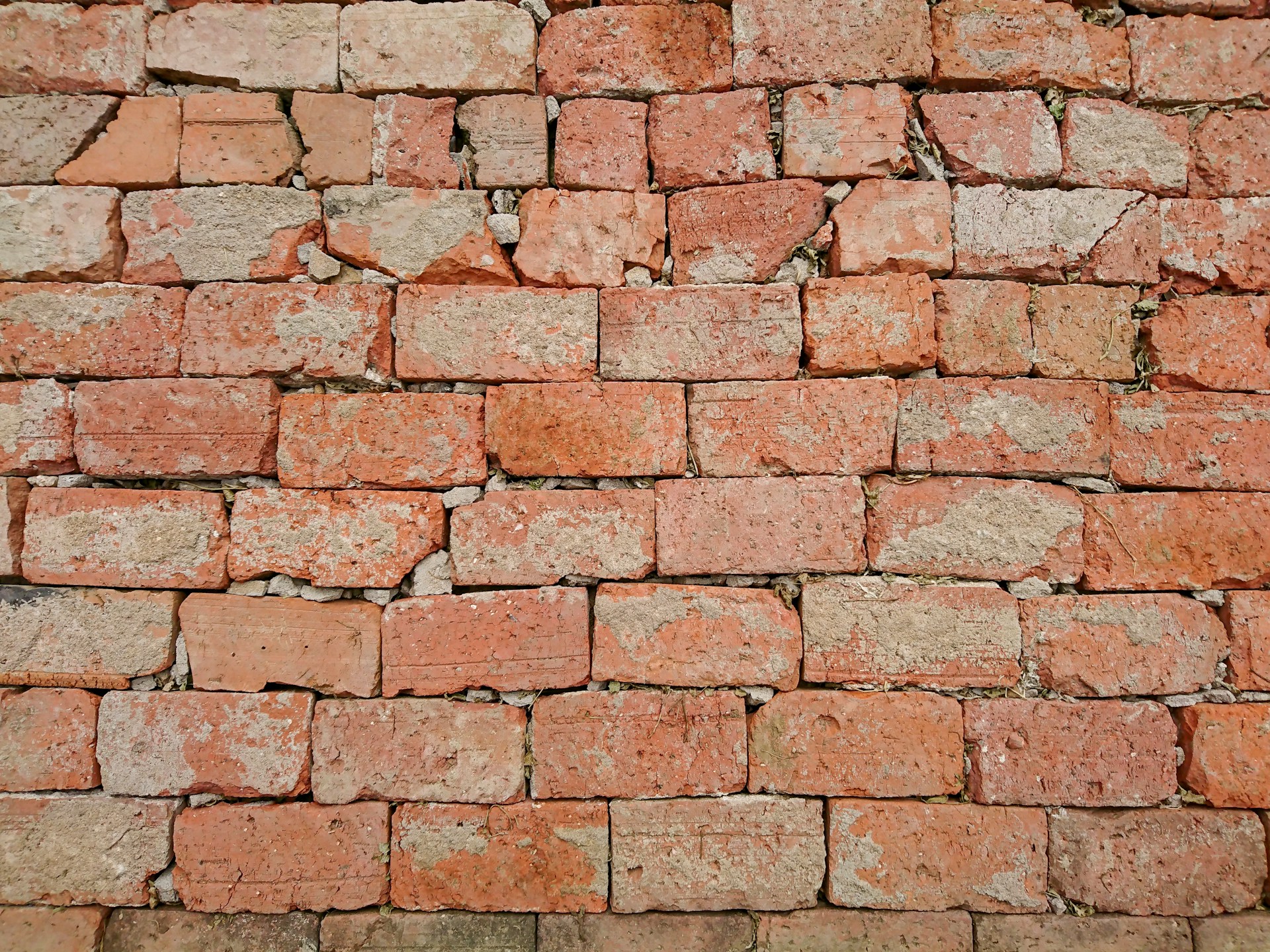
Reclaimed brick pavers bring timeless character and long-lasting strength to patios, walkways, and driveways. Their aged color, worn texture, and proven durability create a look that new pavers cannot match. By choosing reclaimed materials, you add history to your space and often save money compared to buying new custom options.
In this guide, you will learn what reclaimed brick pavers are, the styles available, where they work best, and how to install and care for them so they stay beautiful for years. Expect clear advice on choosing the right type, spotting quality pieces, and avoiding the common problems that lead to uneven surfaces or early wear. And if you want reliable reclaimed brick pavers without the long search, our team at New Orleans Brick & Stone can help you compare options, match colors, and get pallets shipped quickly when your project is ready to move forward.
What Are Reclaimed Brick Pavers?
Reclaimed brick pavers are old bricks repurposed for new hardscaping. They bring aged texture, varied color, and proven durability to driveways, patios, and walkways.
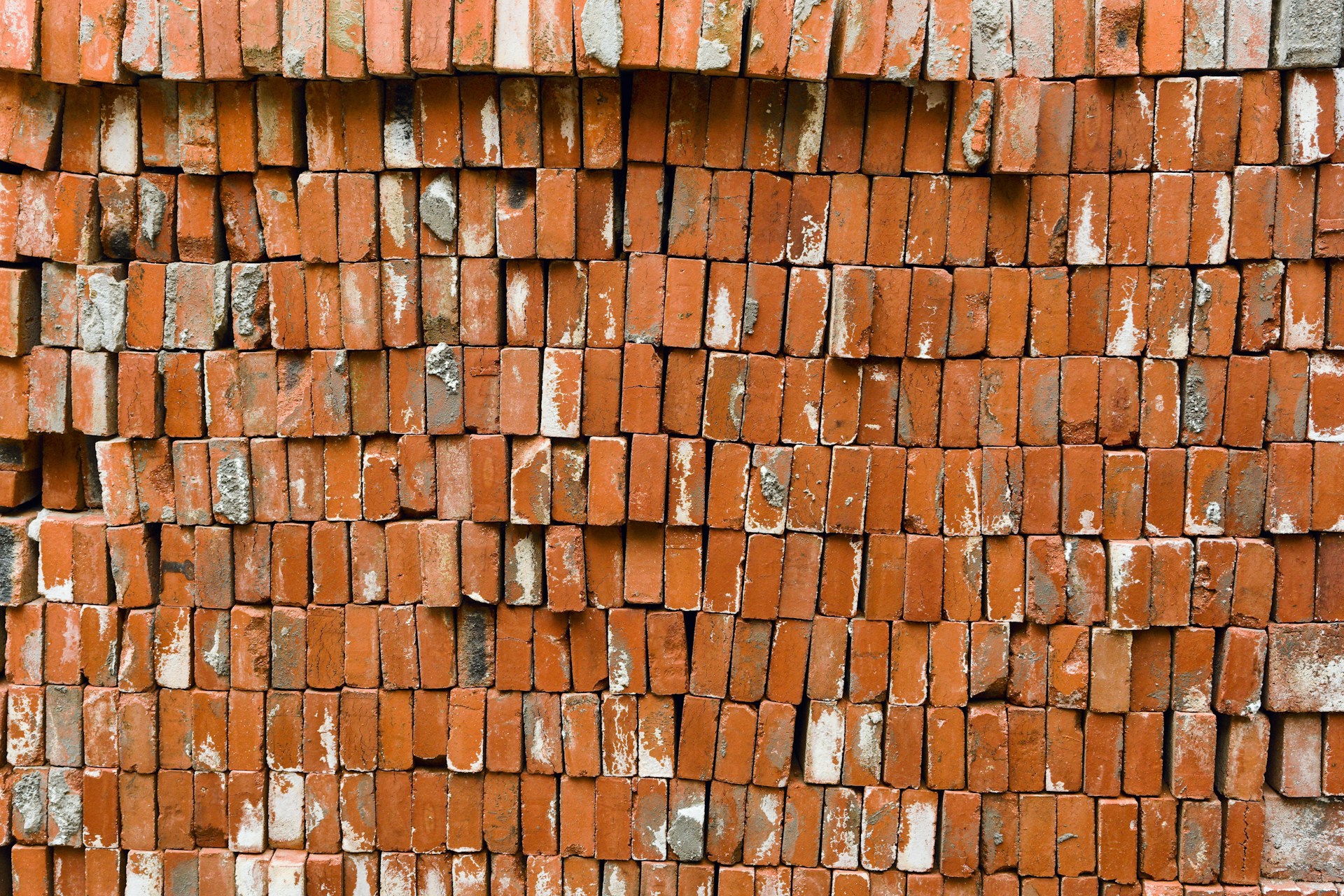
Reclaimed brick pavers are bricks removed from old streets, buildings, or industrial sites and cleaned for reuse. You’ll find irregular edges, surface wear, and color variation that give a natural, historic look you can’t get from new brick pavers.
They usually come in several sizes and shapes: standard rectangular units, thin brick slips, and thicker street pavers. Expect mixed thicknesses and nail or mortar remnants; these require sorting and sometimes cutting before installation.
Many reclaimed bricks were fired longer and made from dense clay, which makes them durable. They’re weather-tested and often more frost-resistant than cheap new units. Still, check each batch for cracks or heavy spalling before laying.
What’s The Difference Between Reclaimed Brick Pavers and New Pavers?
Reclaimed brick pavers show surface wear, color fading, and chipped edges. New pavers have consistent size, color, and smooth edges. That means reclaimed lanes and patios look more authentic, while new pavers give a uniform, modern appearance.
Performance can be similar, but reclaimed bricks vary more in thickness. You may need extra leveling or a tighter sanding and jointing process to get a flat surface. New pavers simplify installation because manufacturers control dimensions and strength.
Cost varies by source. Reclaimed materials can be cost-effective if local salvage is available, but shipping, cleaning, and sorting raise prices. New bricks often have predictable pricing and warranties.
How Reclaimed Brick Pavers Are Sourced
You’ll get reclaimed brick pavers from demolition sites, salvage yards, and specialized dealers. Common sources include old factories, sidewalks, city streets, historic homes, and public buildings. Salvage companies extract bricks by hand or machine to preserve as many intact units as possible.
After removal, suppliers sort bricks by size, color, and condition. They clean old mortar and may grade pavers into categories like “structural,” “face quality,” or “pavers only.” Some sellers offer samples or graded pallets so you can match existing materials.
Ask about origin and grading when you buy. Knowing whether bricks came from street pavers or a building can tell you about thickness and wear patterns, which helps you plan base depth, drainage, and expected lifespan for your project.
What Are The Best Types and Styles Of Reclaimed Paving Materials?
You’ll find a mix of textures, colors, and weights in reclaimed paving. Some pieces are hand-cut stone, others are machine-made clay bricks with worn edges. Each type suits different uses like driveways, patios, or garden paths.
Antique Brick Varieties
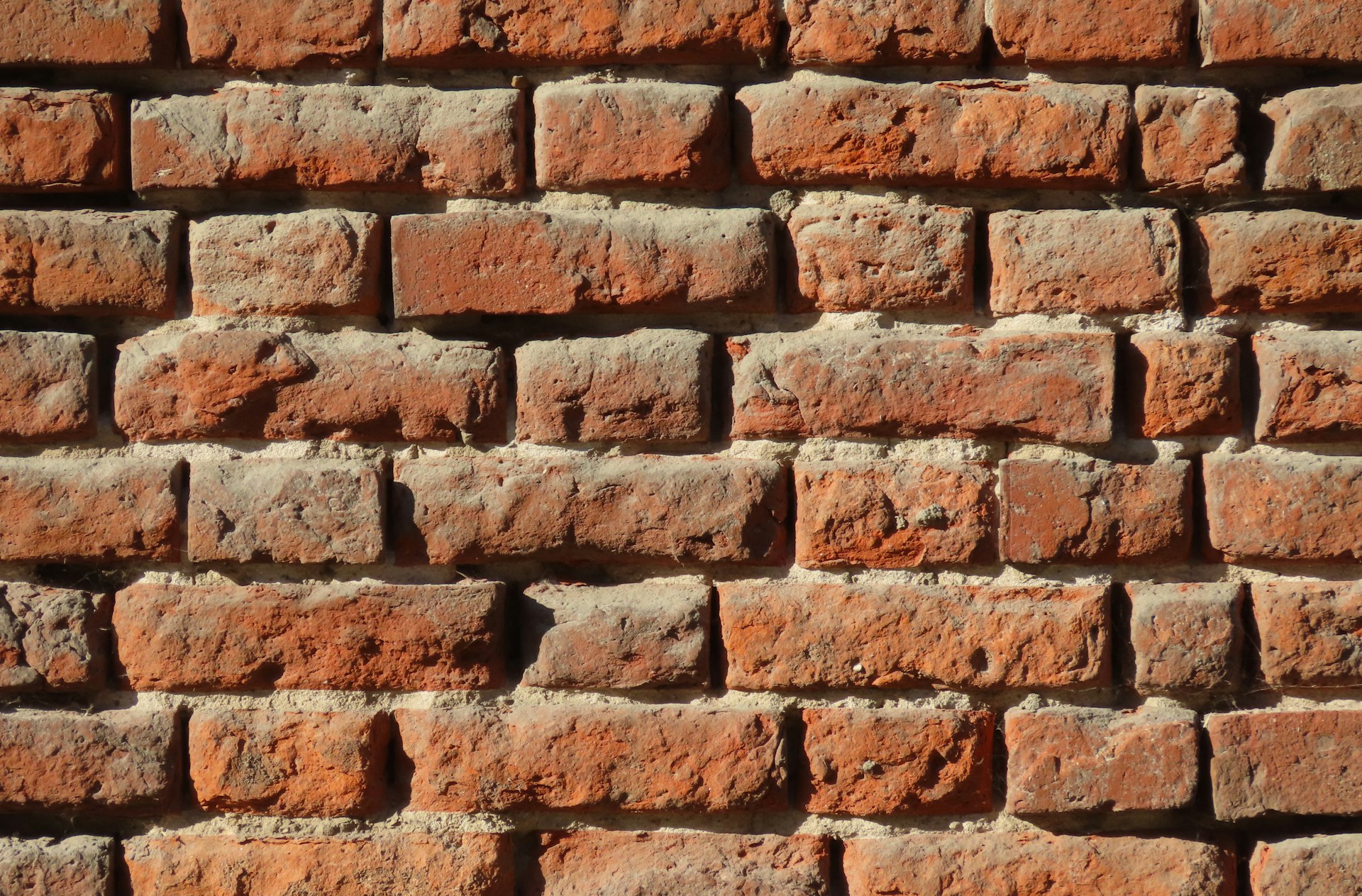
Antique brick covers many old bricks used for paving and building. You’ll see Chicago common brick, old Chicago brick, and other historic brick types. These tend to have deep reds, soft orange tones, and worn corners from decades of use.
Choose antique brick when you want a warm, lived-in look. The bricks often measure irregularly, which adds character but may need more leveling work. They work well for patios, walkways, and low-traffic driveways.
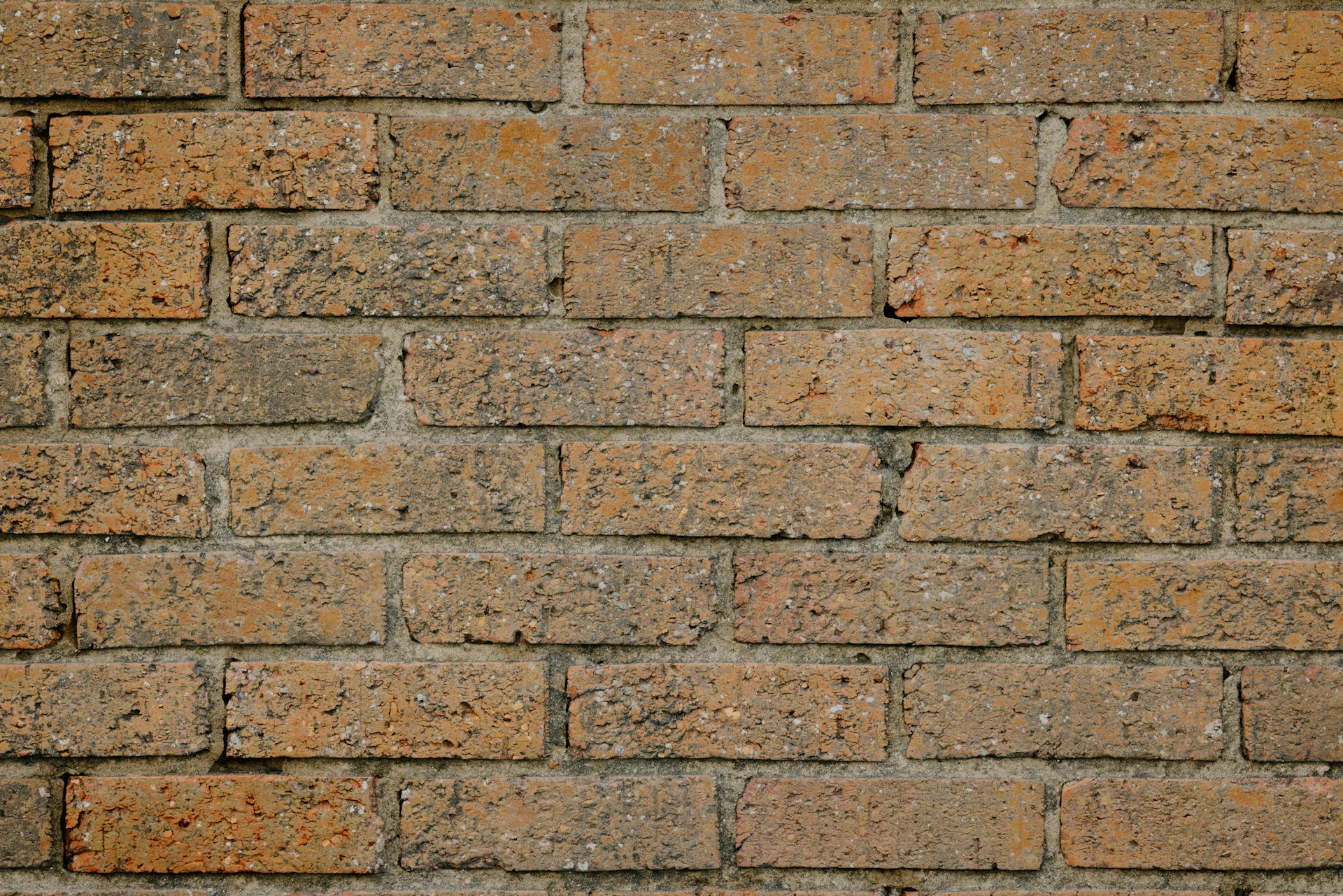
When matching existing material, check color, size, and thickness. Antique bricks can come from old buildings or demolished streets, so expect variation in surface patina and occasional mortar remnants. Seal for stain resistance if you’ll use them near a pool or cooking area.
Reclaimed Granite Cobblestones and Belgian Block
Granite cobblestones and Belgian block are heavy, dense stones originally used for streets and curbs. You’ll notice their rounded or rectangular shapes and a range of grays, browns, and tans. They resist wear and handle heavy loads, so they’re ideal for driveways and high-traffic paths.
Belgian block usually has a more regular rectangular profile; cobblestones can be more irregular and rounded. The surface may be saw-cut, hand-chiseled, or naturally weathered. Set them on compacted sand or mortar, depending on the installation and load requirements.
Expect a rougher, more rustic surface that provides good traction. Because these stones are thick and heavy, plan for higher labor and delivery costs. They’re a strong choice when you want durable, historic-looking paving.
Vintage Clay Pavers
Vintage clay pavers are kiln-fired bricks made for paving rather than building. They often show deep reds, oxblood, and terra-cotta shades with chip-worn edges. You’ll find them reclaimed from streets, industrial sites, and old yards.
These pavers are thinner than granite but still durable for patios, walkways, and light driveways. Their uniform rectangular shape makes patterns like herringbone or basketweave easy to lay. Antique clay pavers add a classic, European feel to your project.
Inspect for frost damage and hairline cracks before buying. Some vintage clay pavers retain original stamp marks or grooves, which add authenticity. Use a permeable joint material for good drainage when installing them outdoors.
Where To Use Reclaimed Brick Pavers
Reclaimed brick pavers work well in places where you need hard-wearing surfaces, visual character, and a historic look. You can use them to build long-lasting driveways and walkways, cozy patios, and eye-catching retaining walls or small decorative features.
Driveways and Walkways
Reclaimed paving bricks handle vehicle and foot traffic when installed on a proper base. Use a compacted gravel and sand base, then lay the reclaimed pavers in a tight pattern like herringbone or basketweave to spread loads and prevent shifting. Edge restraints are essential; add concrete, steel, or solid timber edging so the brick row stays square under stress.
Choose thicker reclaimed pavers for driveways (typically 2 1/4 inches or more) and check each brick for cracks or holes before laying. For walkways, you can use thinner reclaimed pavers and more varied patterns. Sealants help reduce staining and weed growth, but choose a breathable sealer made for historic brick.
Patios and Outdoor Living Spaces
Reclaimed pavers give patios a warm, lived-in look that works with fire pits, outdoor kitchens, and seating areas. Start with a level subbase and compacted sand, then set the pavers tight to limit movement and tripping hazards. Use a pattern that fits the space—running bond for a clean look, or old-world patterns for texture.
Drainage matters: slope the patio away from the house at about 1/8 inch per foot. You can mix reclaimed pavers with new pavers or stone for contrast. For comfort, fill joints with polymeric sand to resist weeds and insects while allowing some permeability.
Retaining Walls and Decorative Projects
You can use reclaimed brick pavers for low retaining walls, raised planter edges, and decorative garden steps. Stack bricks with a slight batter (lean) and cap the top row with flat reclaimed bricks or stone for a finished look. For walls over two feet tall, add geogrid reinforcement and a proper footing to keep soil pressure from collapsing the wall.
Reclaimed bricks work well as garden edging, small columns, and freestanding planters where the brick’s patina adds character. Match mortar type to the brick—softer lime-based mortars work better with old bricks to avoid cracking.
Why Use Reclaimed Brick Pavers
Reclaimed brick pavers give your outdoor space a worn, lived-in look, cut the demand for new materials, and often last longer than many modern alternatives. You get vintage appearance, lower environmental impact, and proven durability all in one material.
Unique Character and Aesthetics
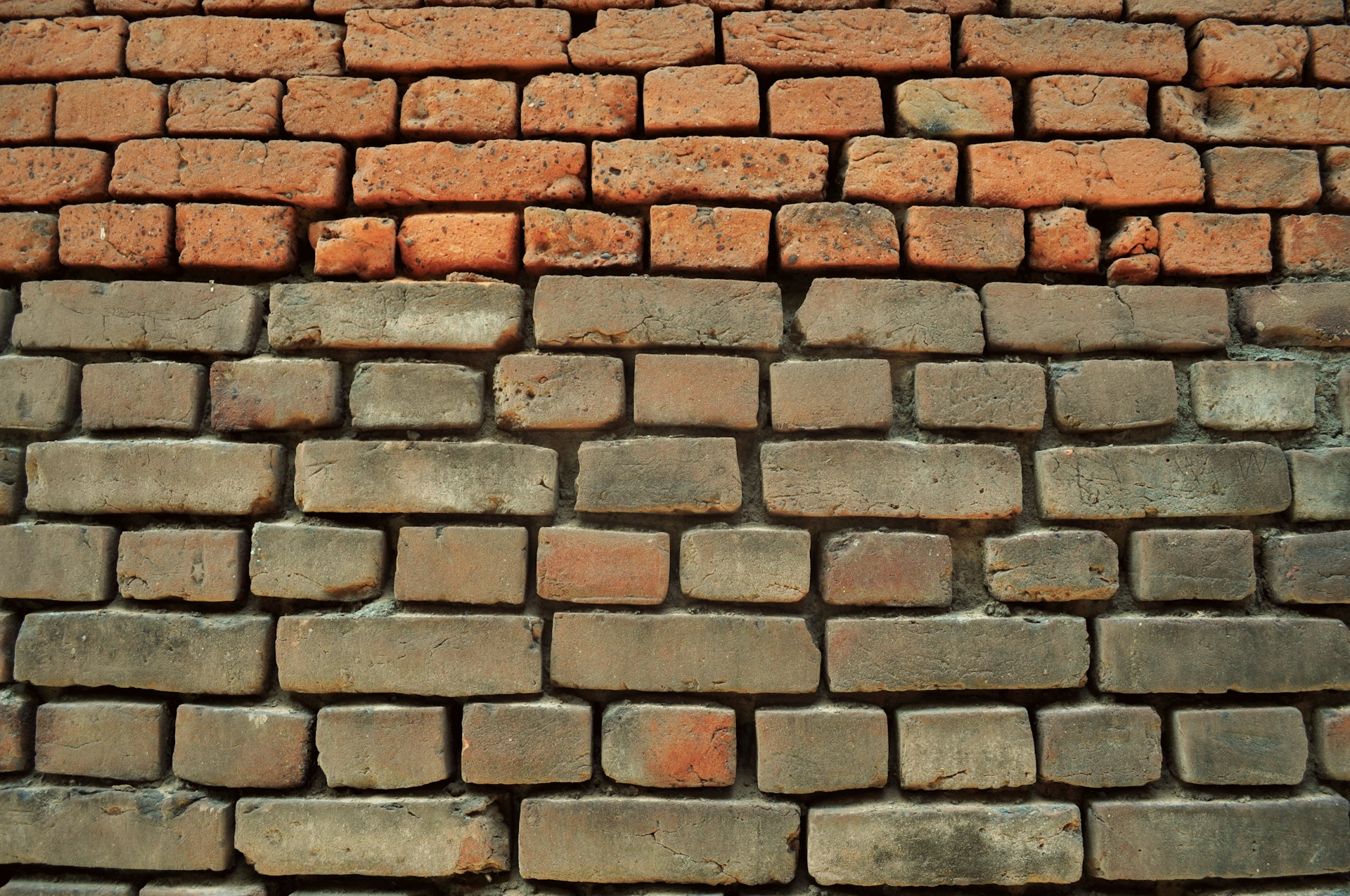
Reclaimed brick shows color variation, chips, and surface wear you won't find in new pavers. Those marks come from decades of use and weathering, so your patio, path, or driveway will look authentic and layered rather than factory-perfect.
You can mix sizes and tones for a cobbled, antique street brick effect. That variety helps hide future stains or repairs because new pieces can be blended in without looking out of place.
If you want a specific style—rustic, industrial, or historic—reclaimed bricks deliver it immediately. You also gain a one-of-a-kind pattern when you lay bricks by hand, which adds curb appeal and can raise perceived property value.
Eco-Friendliness and Sustainability
Using reclaimed materials lowers the need for new brick production, which saves energy and raw clay. When you reuse bricks from demolition, you also keep tons of construction waste out of landfills.
Salvage yards and reclamation suppliers often sort and clean bricks for reuse. That means you can source reclaimed brick pavers with known origins and avoid unknown contaminants.
Choosing reclaimed pavers supports circular building practices. It reduces transport and manufacturing emissions if you buy locally, and it makes your project part of a growing trend toward sustainable landscaping.
Durability and Longevity
Many reclaimed bricks come from older buildings and were fired with techniques that produced dense, hard units. That makes them resistant to frost, abrasion, and heavy foot traffic when properly installed.
Check each brick for cracks and sort by strength before laying. Use a solid base and good jointing material to extend life; the brick itself often outlasts the bedding or mortar around it.
Antique street brick in particular was built to take carriage and vehicle loads. When you reuse those bricks for driveways or high-traffic patios, you tap into proven longevity and get decades of service from a material that already stood the test of time.
Installation and Maintenance Tips
Follow key steps to build a stable base, lay reclaimed brick pavers correctly, and keep them clean and protected for years. Focus on firm, well-drained foundations, careful placement and jointing, and gentle cleaning plus proper sealing.
Preparing the Site and Sub-Base
Clear the area of plants, roots, and topsoil. Excavate to 6–8 inches below final grade for patios and walkways, deeper for driveways to handle vehicle load. Slope the site away from structures at about 1/8 inch per foot to ensure water drains off.
Lay 4–6 inches of crushed gravel or crushed stone and compact it with a plate compactor. Add a 1–2 inch screeded layer of coarse sand for clay or brick pavers to bed into. Use landscape fabric between soil and base if weeds are a concern. Check compaction with a level and by walking over the surface; it should feel solid and not springy.
Estimate materials with a 10–15% overage for waste and cuts. Keep the base dry and compacted before you start laying reclaimed brick pavers to avoid future settling.
Proper Installation Techniques
Start laying along a straight edge or a fixed border so your pattern stays true. Use string lines and a level to keep courses straight. For clay pavers or reclaimed brick pavers, maintain consistent joint widths—about 1/4 inch for sand-set, wider if using mortar.
If you set pavers on sand, tap each brick gently with a rubber mallet to bed it. For walls or vertical features, use a mortar mix that matches the brick’s porosity (Type N is common). Cut bricks with a masonry saw for clean edges; measure twice and cut once to avoid waste.
Fill joints with kiln-dried sand for pavers or point with mortar for structural installs. Compact the surface again after joint filling to lock bricks in place. Check for loose, cracked, or hollow-sounding bricks and replace them before finishing.
Cleaning and Protecting Reclaimed Bricks
Clean loose dirt with a stiff-bristle broom and rinse with a low-pressure hose. For mortar stains or heavy soiling, use a pH-neutral masonry cleaner and a non-metallic brush. Test cleaners on a hidden brick first to avoid color change.
Avoid rock salt for winter de-icing; use calcium chloride or sand to reduce surface wear. Apply a breathable masonry sealer if you want stain resistance and easier cleaning. Choose a sealer labeled for clay or brick pavers so moisture can still escape.
Inspect joints and mortar yearly. Refill sand joints or repoint mortar where needed to prevent movement. Quick small repairs prevent bigger issues and keep your reclaimed brick pavers looking good longer.
Reclaimed brick pavers bring history, texture, and durability to any outdoor project, from small walkways to full driveway installations. With the right selection, preparation, and care, these bricks will serve your space for decades and only grow more beautiful with time. If you want help finding authentic reclaimed pavers that match your vision and arrive when you need them, our team at New Orleans Brick & Stone is here to guide you, answer questions, and ship quality materials fast. Let us help you build something timeless.
Frequently Asked Questions
You’ll find answers about where to buy, what to pay, and how to pick bricks that fit your project. The tips cover local sourcing, price ranges, single-brick buys, cost comparisons, best sellers, and quality checks.
How can I find reclaimed brick pavers in my area?
Search local salvage yards, architectural salvage stores, and demolition contractors. Check online marketplaces and local Facebook Marketplace or Craigslist listings for reclaimed brick lots.
Ask nearby masonry shops or landscape contractors if they know suppliers. They often have leads on pallets from recent jobs.
What’s the average cost of reclaimed brick pavers?
Expect wide price ranges depending on type, condition, and quantity. Small lots or specialty antique pavers often cost more per brick than bulk common brick.
Typical costs in many areas run from a few cents per brick for very common, chipped pieces to several dollars each for cleaned, vintage pavers. Delivery and cleaning add to the total.
Is it possible to buy just one reclaimed brick for a small project?
Some salvage yards and specialty shops sell single bricks or small sample pieces. Online sellers and tile shops that cut thin brick also offer small quantities.
If you need a match for repair work, bring a photo and a size sample to help sellers find a close match.
Can reclaimed brick pavers be more affordable than new ones?
Large, mixed pallets or bricks recovered nearby can be less expensive. Savings come from reuse and lower material costs.
However, rare, well-preserved, or hand-cleaned antique bricks usually cost more. Factor in extra labor for sorting and cleaning when comparing totals.
Where is the best place to purchase reclaimed brick pavers?
Start by checking local brick salvage yards and demolition contractors who sell stacked bricks. These sources often provide the best local availability and lower transport costs.
Specialty vintage brick dealers and online reclaimed-brick marketplaces are good options for rare or high-quality pieces. Big box stores do not sell reclaimed brick.
What should I look for when choosing reclaimed brick pavers?
Check for consistent thickness and soundness—avoid bricks with severe cracks or crumbling. Choose bricks with similar color, size, and surface wear to achieve a uniform appearance.
Ask about the brick’s original use, such as street paver or common building brick, and ensure it has adequate frost resistance for outdoor projects. Confirm how the seller cleaned and stored the bricks before making a purchase.