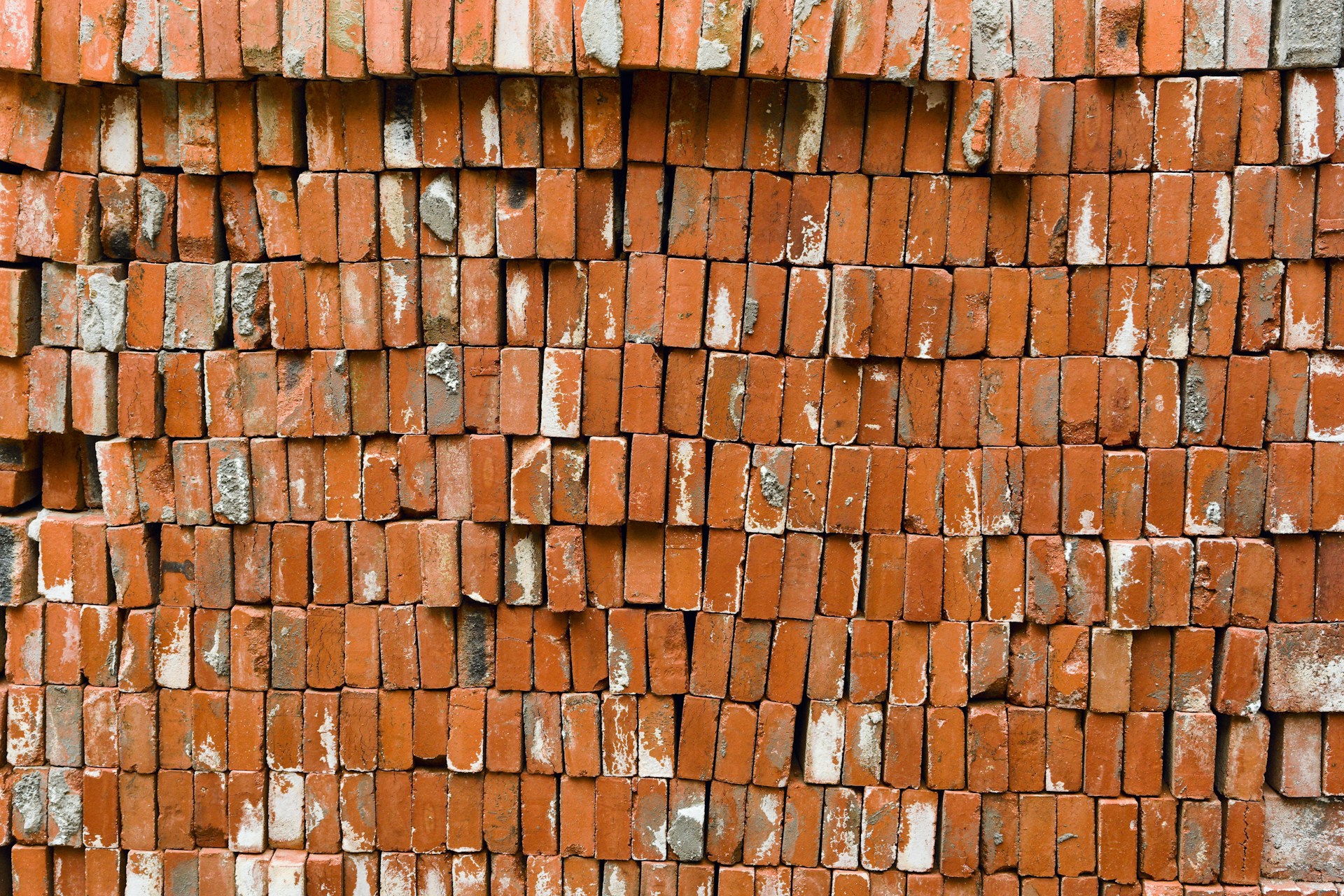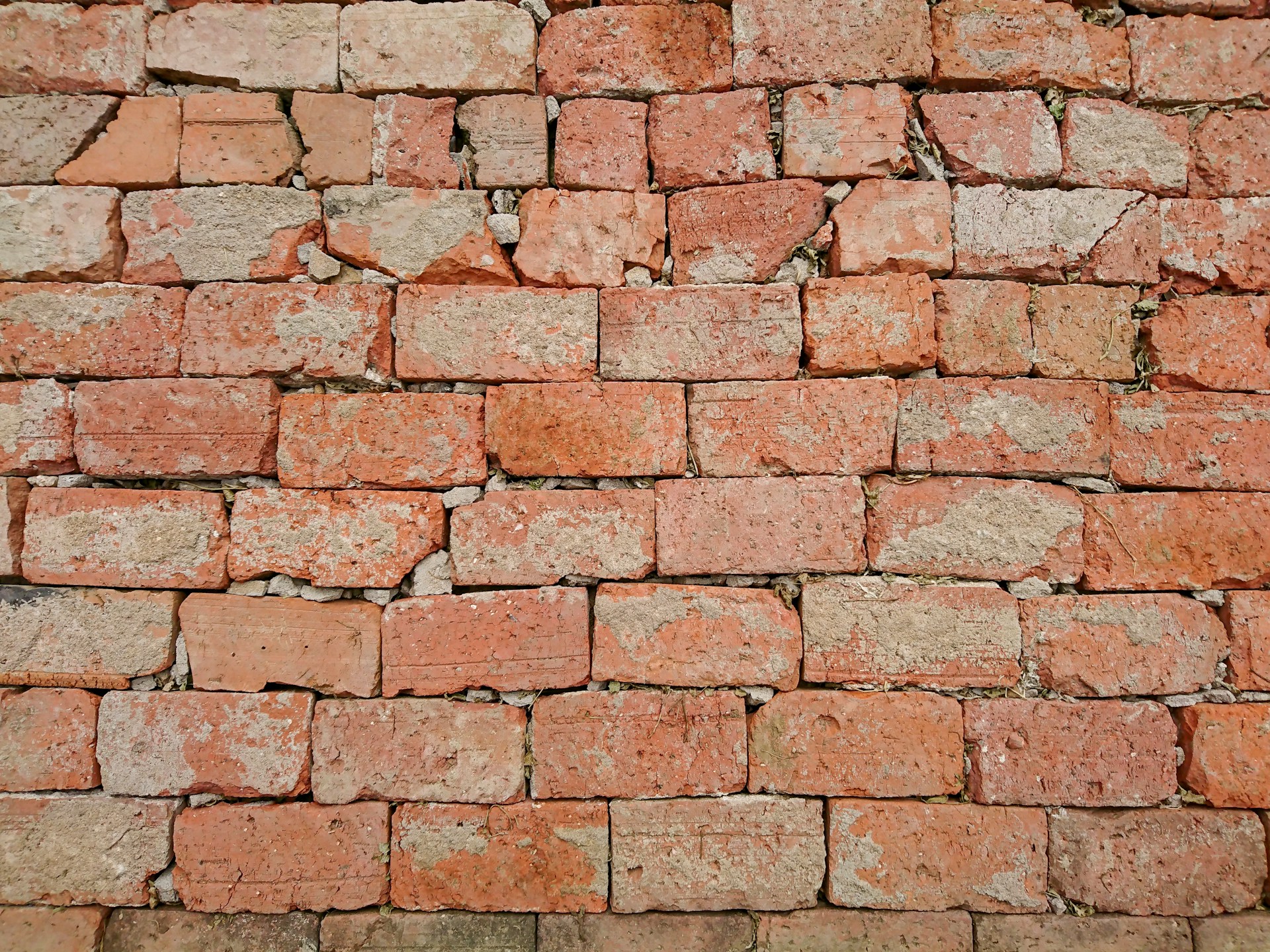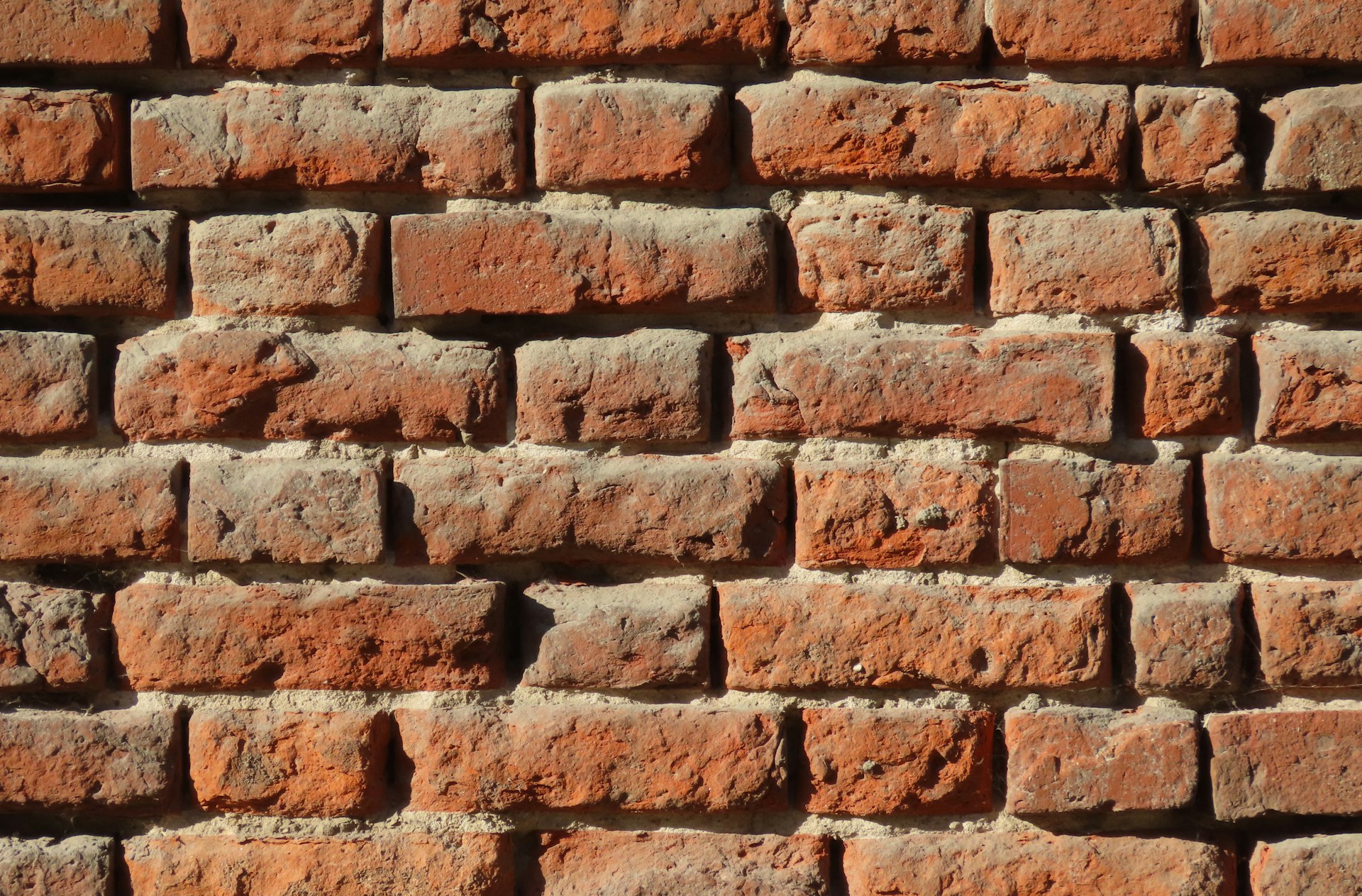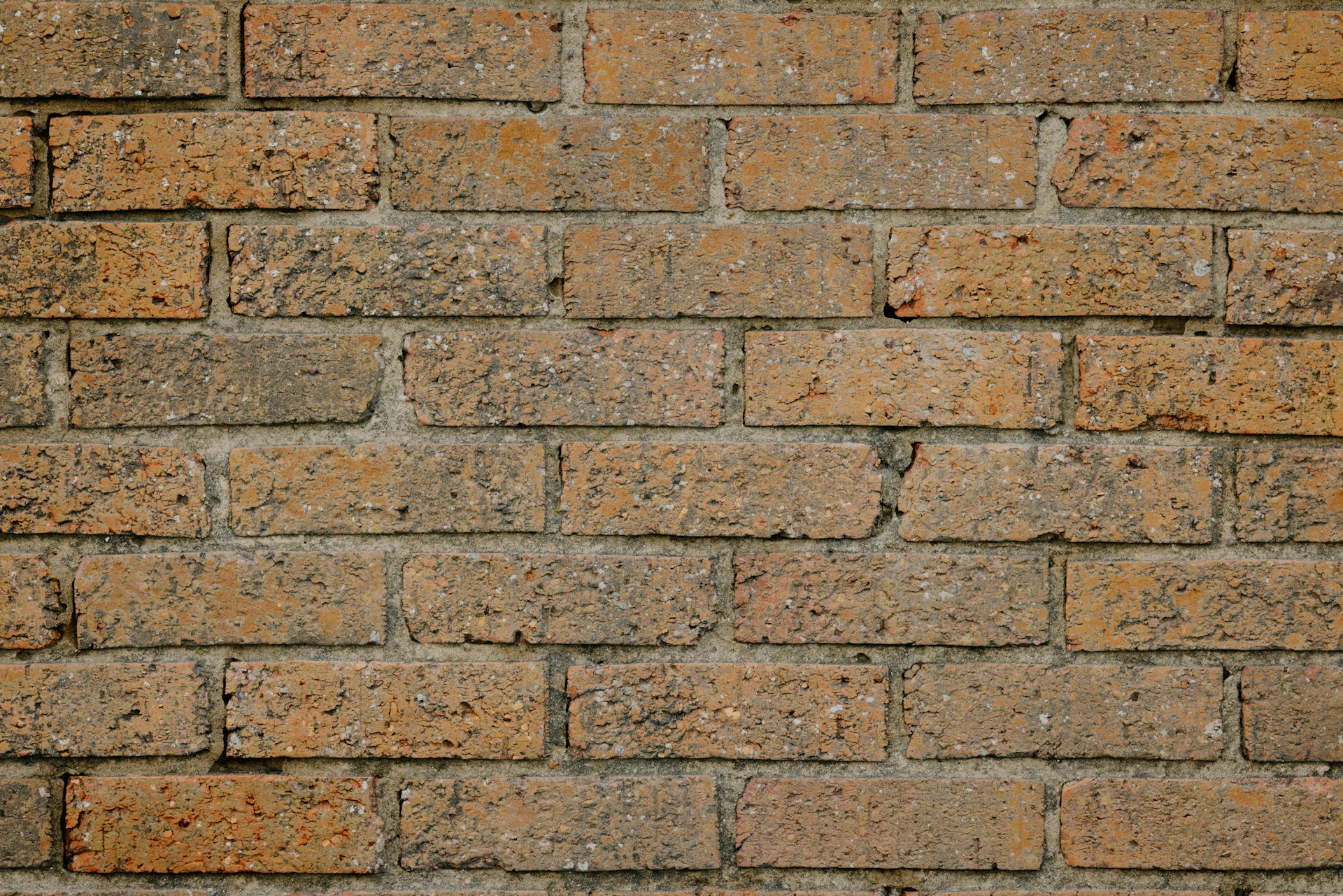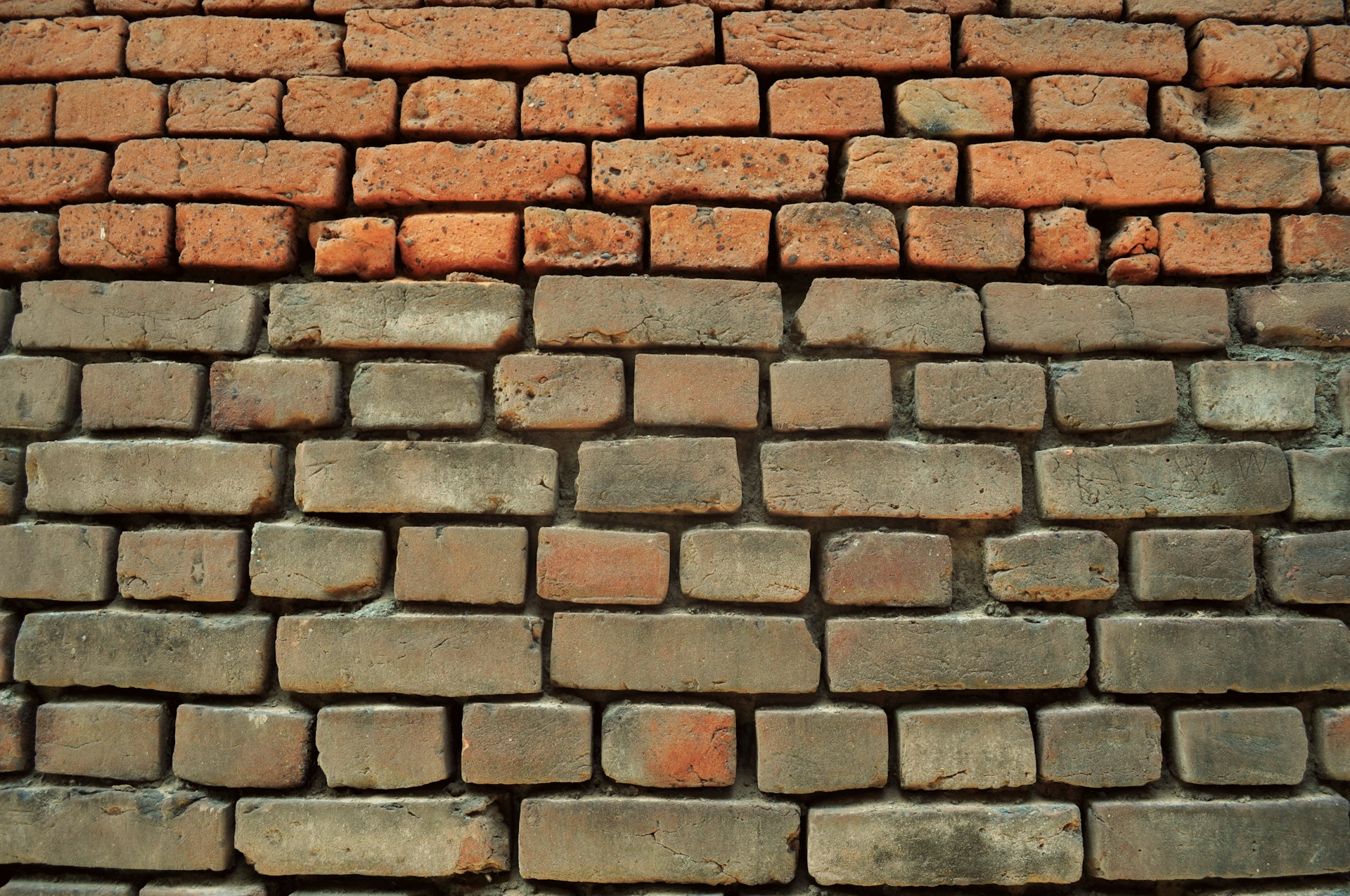
Historic restorations deserve materials that honor the past and hold up for the future. Reclaimed brick brings authentic age, proven durability, and the color variation that gives older buildings their depth and character. When you choose reclaimed brick, you protect the original look of the structure, reduce waste, and create repairs that blend so naturally they feel like they have always been there.
In this guide, you will learn why reclaimed brick suits historic projects, how to select the right pieces, and where they work best on a building. You will also find practical advice for installation, mortar matching, and maintenance so your restoration stays true to its history. And if you need help sourcing authentic reclaimed brick for a project, our team at New Orleans Brick & Stone can guide you through options and ship materials quickly when your schedule depends on it.
What Is Reclaimed Brick?
Reclaimed brick comes from buildings that crews have torn down or remodeled. You get bricks that already proved their strength, carry real age, and show wear that new bricks can’t mimic.
Salvaged bricks often originate from 19th- and early 20th-century structures like factories, rowhouses, mills, and old storefronts. Those buildings used dense, hand-pressed clay bricks fired in coal or wood kilns. Over time, many cities demolished or renovated these structures, and salvage crews pulled bricks by hand to avoid damage.
You can also find reclaimed bricks from street paving, farm outbuildings, and churches. Salvage yards sort and clean them, sometimes chisel away old mortar, then grade by size and color. Knowing the source helps you match the reclaimed bricks to your restoration—whether you want a Federal-period red, a faded Victorian blend, or heavy industrial stock.
Types of Antique Bricks and Vintage Brick Varieties
Antique bricks vary by size, era, and manufacturing method. Common types include:
- Handmade soft-mud bricks: irregular faces, deep texture, common in 1800s homes.
- Wire-cut bricks: straighter edges and more uniform size, typical from late 1800s to mid-1900s.
- Pavers or cobbles: dense, small bricks used for streets and driveways.
You may also encounter special shapes like bullnose, corbels, and glazed headers from older factories or decorative façades. Sellers usually label bricks by era, color range (deep red, brown, buff), and condition. Picking the right type helps maintain historical accuracy and ensures consistent laying and mortar joint size during restoration.
Characteristics and Patina of Aged and Salvaged Bricks
Aged bricks show a patina made of color variation, surface wear, crazing, and old mortar traces. That patina gives an old world look you can’t fake. Expect chips, rounded edges, and mortar ghosts that add depth to an interior wall or a façade.
Reclaimed bricks are often denser and fired longer than many modern bricks, which can mean better freeze-thaw resistance. Condition varies: some bricks are structurally sound; others need repair or sorting out. When you buy, look for consistent thickness and few cracked units. Use mortar mixes compatible with the old brick—softer lime-based mortars for historic work—to protect the brick and keep the restored surface authentic.
Mortar Matching and Installation Methods
Match mortar in both color and physical properties. For most above-grade historic work, use a softer mortar mix (lime-based or Type N) rather than high-strength Portland cement. Softer mortars protect older, softer brick from stress and reduce future cracking.
Mix mortar to suit joint width and texture. Use wider, variable joints for inconsistent reclaimed bricks. Butter each brick and adjust the bed thickness to maintain level courses, fitting each antique brick by eye and with a gentle tapping block to avoid chipping.
Rake and finish joints to match surrounding work—concave or struck profiles shed water well. Keep mortar curing slow and damp for at least 3–7 days in warm, dry weather. For structural uses, have an engineer confirm the brick’s load capacity.
Preserving Patina and Vintage Character
Keep the original surface whenever possible. Avoid aggressive cleaning that strips the soft patina or removes historic markings. When you must remove stubborn deposits, test treatments on spare bricks first.
When replacing bricks, pick reclaimed bricks that match color, texture, and wear. Blend newer-looking pieces deeper in the wall so visible faces retain a uniform aged look. Use gentle tooling to mimic original joint profiles and weathering.
Document significant markings or stamps before work begins. If you apply a sealant, choose breathable, penetrating products that preserve vapor movement. Repoint only deteriorated mortar and retain as much original fabric as possible to maintain the historic value of the bricks.
Where to Use Reclaimed Brick in Historic Restorations
Reclaimed brick works across many parts of a building, especially where preserving authenticity matters most. Use it where the original masonry is visible, load bearing, or tied closely to the building’s architectural story.
1. Exterior Walls and Facades
Exterior walls benefit the most from reclaimed brick because color variation, patina, and long term weathering match the character of the original structure. Reclaimed units blend into existing courses more naturally than new manufactured brick, especially on homes built before the mid 1900s.
2. Chimneys and Fireplaces
Older chimneys often show unique brick bonds and soot-aged color that new brick cannot replicate. Reclaimed brick lets you repair or rebuild the stack and firebox while keeping the original look intact. Use lime-based mortar to manage heat and vapor safely.
3. Foundations and Structural Repairs
For historic homes with exposed brick foundations or piers, reclaimed brick allows you to match strength, unit dimensions, and appearance. Always confirm compressive strength before structural use, and blend reclaimed bricks with original courses to avoid visible patchwork lines.
4. Arches, Lintels, and Decorative Brickwork
Historic brick details like corbels, arches, and patterned bands require bricks with specific sizes and aging. Reclaimed bricks help you maintain these proportions and avoid mismatches that distract from the architecture.
5. Interior Accent Walls and Restored Rooms
Many homeowners choose to expose or rebuild interior brick walls to bring back the building’s original charm. Reclaimed brick keeps these surfaces visually consistent with the rest of the home, especially in kitchens, entryways, and historic basements.
6. Garden Walls and Outbuildings
For carriage houses, garden walls, and other secondary structures tied to the property’s history, reclaimed brick creates continuity between main and ancillary buildings while staying period appropriate.
The right reclaimed brick can bring a historic building back to life with honesty, depth, and the kind of character that only time can create. When you select bricks that match the original fabric and install them with care, your restoration becomes a true continuation of the building’s story. If you are ready to source authentic reclaimed brick for an upcoming project, our team at New Orleans Brick & Stone is here to help you choose the right materials and keep your work faithful to its past.
Frequently Asked Questions
This section gives clear, practical answers you can use when choosing, verifying, buying, and installing reclaimed bricks for a historic restoration. Expect steps for matching period, inspection checklists, vendor types, cost ranges, and installation tips tied to preservation best practices.
How can I ensure the reclaimed bricks match the era of my restoration project?
Ask the supplier for provenance details: original building address, date range, and photos of the bricks in place. Compare brick size, color, texture, and mortar joint width to samples from your building or period photos.
Measure a few original bricks from your site and bring those dimensions to suppliers. Match firing marks, tooling, and edge wear, not just color, to keep the façade historically accurate.
What are the best practices for installing reclaimed bricks in historic buildings?
Use lime-based mortar that matches the original mortar in composition and color to allow vapor movement and avoid trapping moisture. Repoint in small sections and test mock-ups to confirm appearance and performance before doing full runs.
Clean bricks gently with low-pressure water and soft brushes; avoid abrasive blasting. Store bricks dry and elevated on pallets until installation to prevent salt uptake and freeze damage.
Where can I find vendors that supply authentic reclaimed bricks?
Check specialty architectural salvage yards, regional brick reclaimers, and historic restoration dealers that list provenance and condition photos. Local preservation nonprofits and municipal deconstruction programs often offer period-appropriate materials and documentation.
You can also contact contractors involved in nearby demolitions or restoration projects; they may have leads or surplus bricks from the same era.
Are there specific characteristics to look for when selecting reclaimed bricks for restoration purposes?
Look for consistent size and minimal spalling or deep cracks. Check for salt efflorescence, hairline fractures, and previous repairs that might hide structural weakness.
Inspect for original tool marks, maker stamps, and firing color variation typical of the period. For structural uses, confirm compressive strength and density if documentation is available.
How much should I expect to pay for reclaimed bricks suitable for historic restorations?
Prices vary by rarity, condition, and documentation. Expect common reclaimed facing brick to range from modest per-unit rates to higher prices for rare or well-documented units; reclaimed special-order or maker-stamped bricks command premiums.
Ask vendors for bulk pricing, delivery, and any milling or cleaning fees. Factor in extra costs for matching, testing, and transport when budgeting.
What is the process for verifying the quality of reclaimed bricks before purchase?
Request provenance records, photographs of the bricks in situ, and condition reports from the seller. Visually inspect for cracks, salt, and previous repairs; use a magnet to check for embedded metal and a moisture meter to assess damp history.
If you plan to use the bricks structurally, ask for lab testing or a supplier-supplied strength rating. Buy a small sample lot first to lay a mock-up and test mortar and cleaning methods before ordering the full quantity.