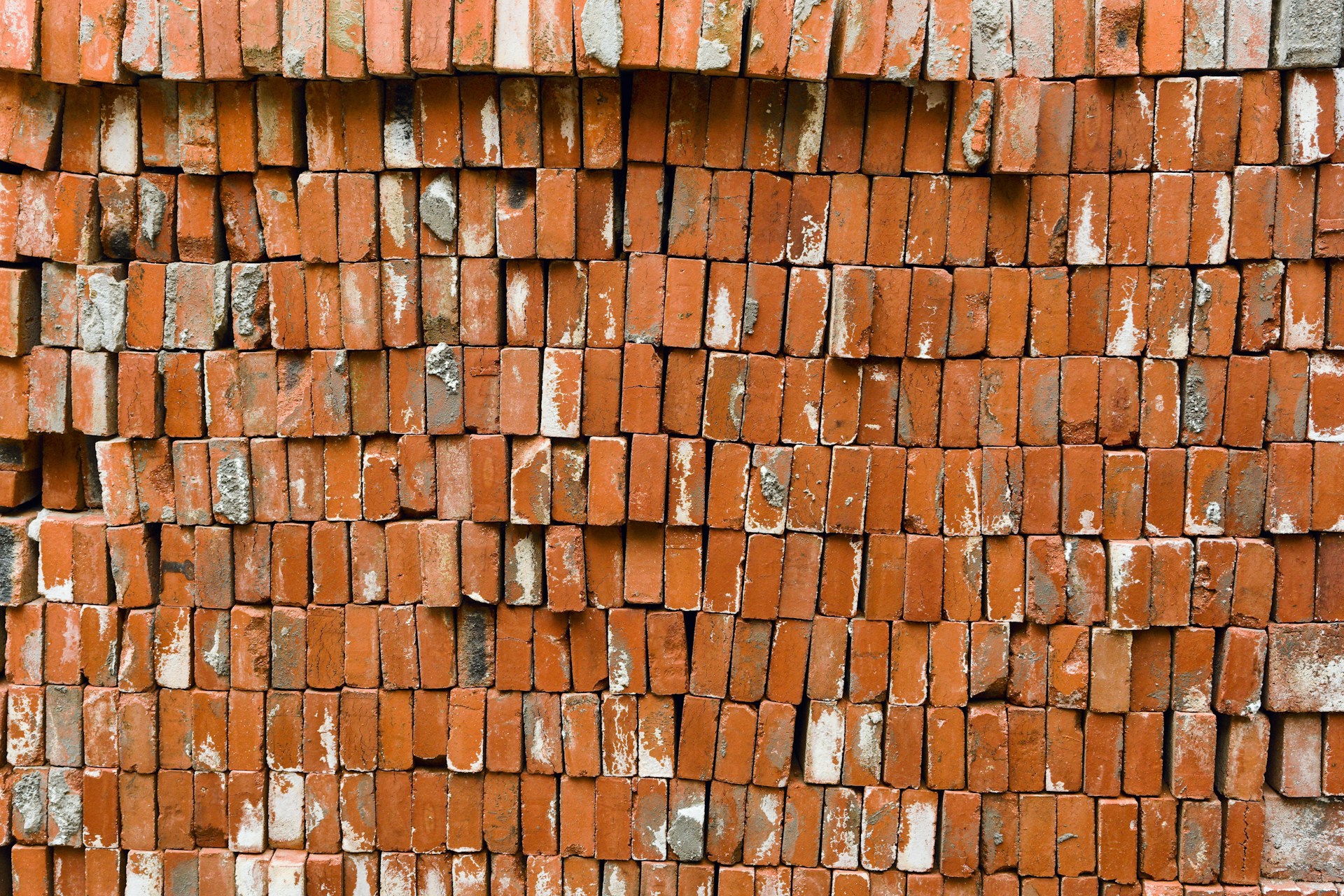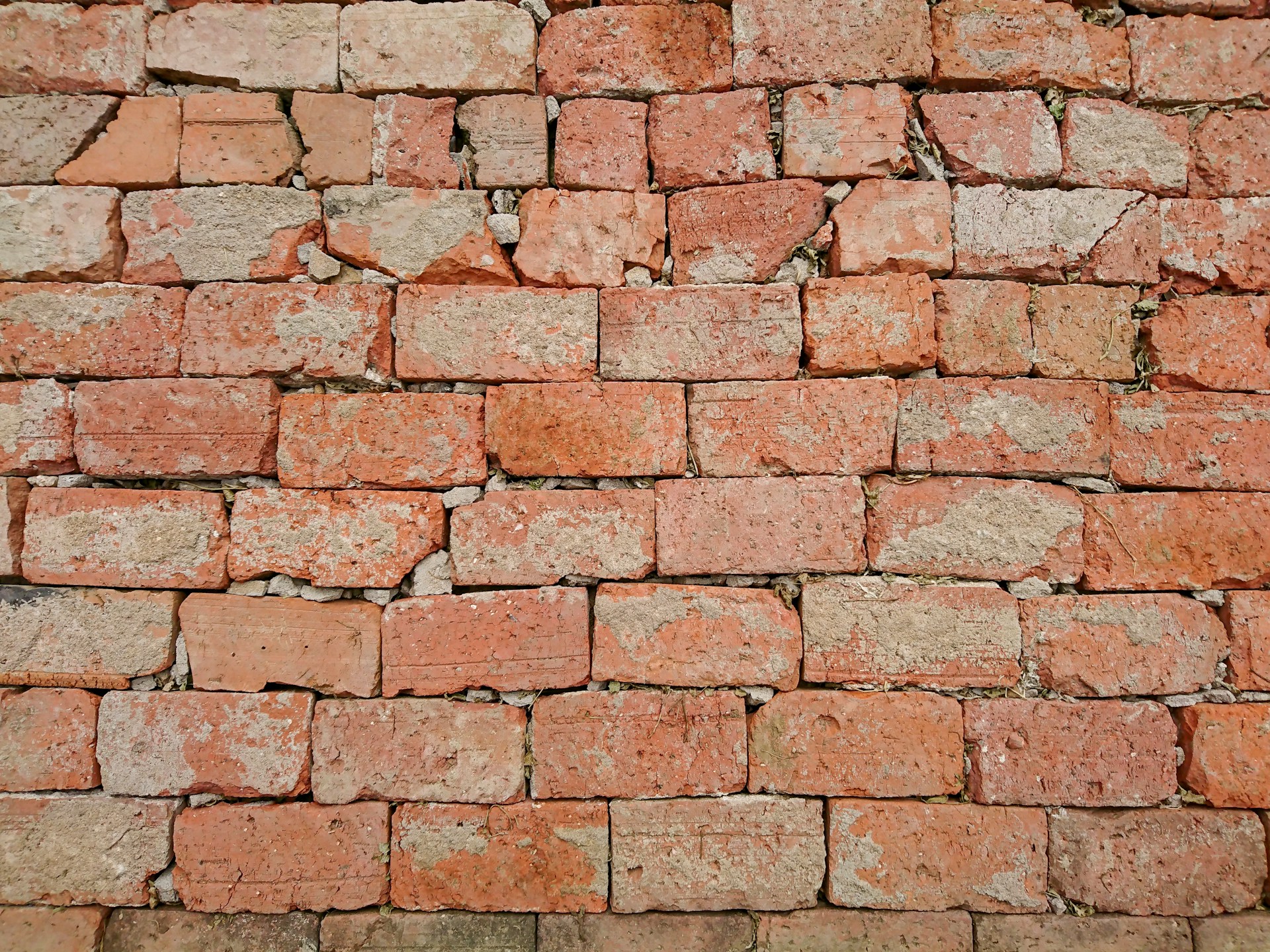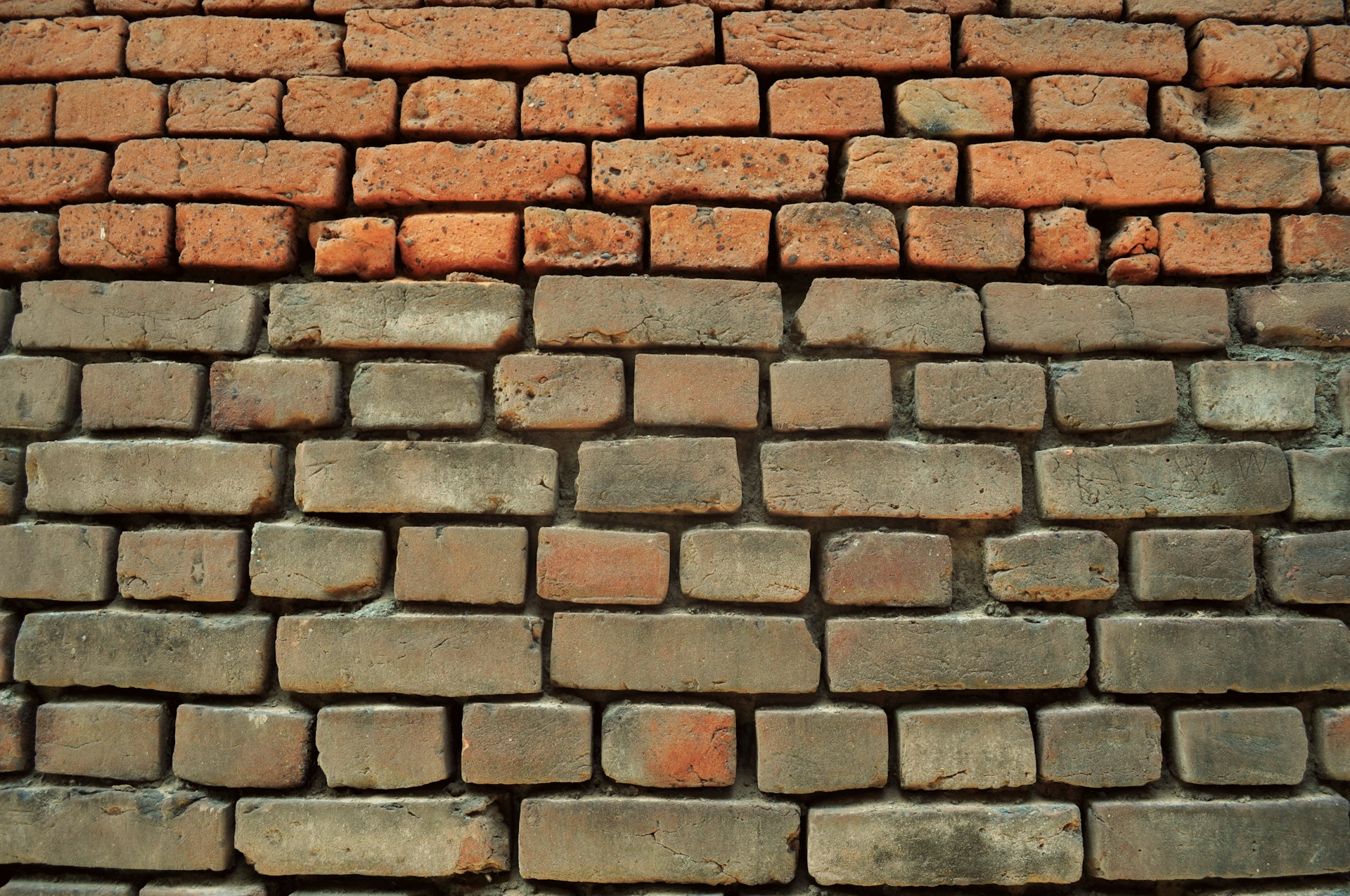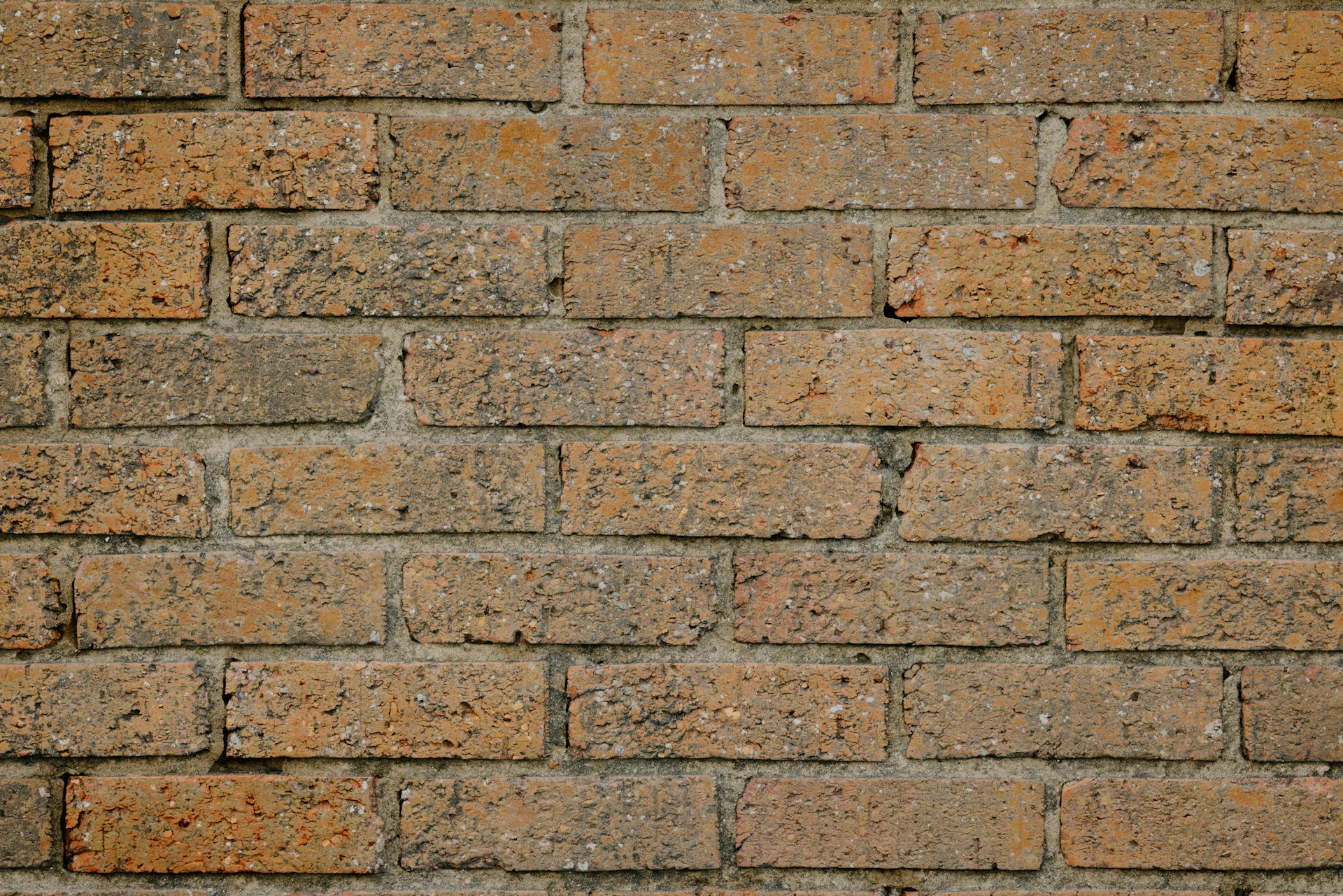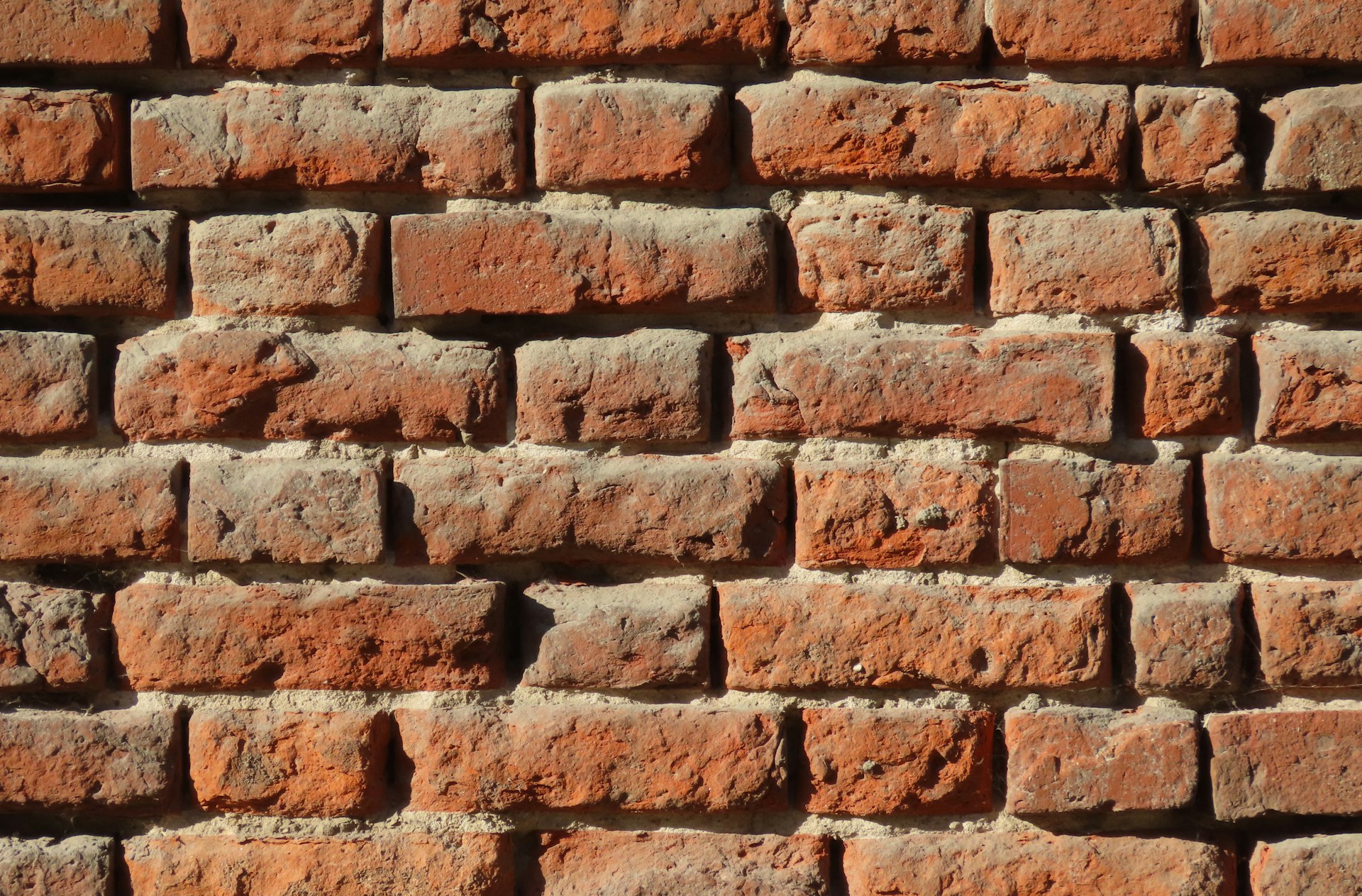
Finding reclaimed brick locally is often easier than you think. Salvage yards, reuse centers, and community listings are some of the best places to uncover old brick with real character and proven durability. When you source nearby, you save on freight, reduce your project’s carbon footprint, and gain the chance to inspect bricks in person so you know exactly what you are getting.
In this guide, you will learn where to look, how to judge quality, and what to expect when sorting through antique, vintage, or thin reclaimed brick. We will walk you through simple inspection checks, tips for matching color and size, and practical advice for choosing the right reclaimed material for walls, patios, fireplaces, and more. And if you want help finding consistent, high quality reclaimed brick without the long search, our team at New Orleans Brick & Stone can show you available stock and ship what you need quickly.
Finding Reclaimed Brick Locally
The fastest and most reliable way to source reclaimed brick is to work directly with our team at New Orleans Brick & Stone. We keep meaningful inventory on hand, ship within 48 hours, and help you match color, size, and texture with confidence. Because we specialize in authentic reclaimed materials, you avoid the long searches, inconsistent batches, and unknown quality that often come with local listings or one-off salvage finds.
Once you know what we offer and how quickly we can get material to your jobsite, you can still explore other local options if you want to supplement small quantities or hunt for specific accents. Each source has its own advantages and limitations, so here is what to expect.
Local Brick Salvage Yards
Local salvage yards can be useful when you need a few extra pieces or want to browse mixed pallets in person. You can sort through bricks by size and tone, but stock is often limited and may not be consistent enough for large-scale projects. Bring measurements and photos so you can compare proportions with your existing work. Pricing varies by pallet or square foot, and condition can range widely.
Architectural Salvage Stores
Salvage shops usually carry smaller, curated batches of reclaimed brick and decorative pieces. These are ideal for accent walls or historic details, though prices tend to be higher. Inventory moves quickly, so it may be difficult to secure the quantities needed for large renovations. Quality is generally good, but matching tones or full lots can be a challenge.
Online Marketplaces for Used Bricks
Classified listings and online resale platforms can sometimes provide affordable or even free reclaimed brick. The trade-off is unpredictability. Bricks are rarely graded, often covered in mortar, and may not match what you need. Always request photos, confirm counts, and inspect in daylight before committing. Factor in cleaning time and the possibility of significant waste.
Showrooms and In-Person Selection
Some suppliers display reclaimed thin brick veneer or sample palettes you can view in person. This can help you compare tones and surface texture before ordering. Ask about cutting services, lead times, and return policies to avoid surprises. Showrooms give a clearer picture of what the finished installation will look like, but availability may still be limited.
Types of Reclaimed Bricks Available
You can find reclaimed bricks with different sizes, colors, and uses. Some are thick structural units, while others are thin veneers meant for cladding. Know the typical looks, strengths, and best uses to pick the right material for your project.
Antique Brick
Antique brick comes from very old buildings, often 19th or early 20th century structures. You’ll notice deep, varied colors—dark reds, browns, and near-black tones—and heavy wear like rounded corners and weathered faces. These bricks often show lime or sand residue from old mortar.
Antique bricks tend to be thicker and denser than modern bricks. That makes them good for load-bearing walls, restoration jobs, or pathways where durability matters. Expect to sort and test them; some pieces may be cracked or friable and need replacement or reinforcement.
When buying, ask about source age and previous use. Sellers should let you inspect a sample pallet so you can match color and condition to your project. Vintage patina can vary greatly even within one pallet.
Vintage Brick
Vintage brick covers mid-20th century salvaged brick with less wear than antiques but more character than new stock. Colors range from warm reds to soft oranges and mottled browns. You’ll see straighter edges and more uniform sizes than antique bricks, but still some irregularities.
These bricks work well for interior feature walls, fireplaces, and exterior facades where you want an aged look without the heavy fragility of antique stock. They usually require less sorting, so you can save time on installation.
Check for consistent thickness and minimal spalling if you plan to use them outdoors. Ask the supplier whether the bricks were reclaimed from industrial buildings, homes, or streets—origin affects size, finish, and strength.
Thin Brick
Thin brick is sliced or reclaimed full brick cut to a veneer thickness, typically 1/2" to 3/4". You’ll use it when you want the look of reclaimed brick but can’t support full-depth units. It bonds to plywood, drywall, or concrete with adhesive or mortar.
Reclaimed thin brick keeps the aged surface and color of antique or vintage stock while saving weight and space. It’s ideal for interior walls, backsplashes, and light exterior cladding. Make sure the thin brick has a racked or sawn back for good adhesion.
Confirm frost resistance and water absorption if using outdoors. Some thin reclaimed pieces may still contain old mortar or contaminants, so expect a cleaning step before installation.
Face Brick
Face brick refers to units used for visible exterior surfaces; reclaimed face brick comes from facades, storefronts, and decorative work. These bricks usually have the best surface condition—less mortar damage and more intact color and texture.
You’ll pick reclaimed face brick when appearance matters most. They often have uniform sizes and smooth or molded faces that create a clean look with historic character. They work well for building fronts, accent walls, and restorations where matching existing masonry is key.
Ask sellers about grade and suitability for the local climate. Face bricks from urban facades can be high quality, but you should still inspect for hairline cracks, efflorescence, or embedded metals before purchase.
How to Choose and Inspect Reclaimed Bricks
Inspect reclaimed and vintage brick for soundness, size, and look before you buy. Check for cracks, salt stains, and consistent color so the bricks will fit and last where you plan to use them.
Assessing Quality and Condition
Look for cracks, deep chips, or severe erosion. Tap a brick — a clear ringing sound usually means it’s solid. Avoid bricks that crumble when dropped from about 1 m.
Check for salt deposits (white powder). That indicates soluble salts that can damage mortar and cause staining. Soak a sample brick for 24 hours and watch for efflorescence when it dries.
Test water absorption by weighing dry and after 24-hour submersion. For outdoor use, choose bricks that gain less than ~20% weight. Also inspect mortar residue; heavy, hard mortar can be costly to remove and can hide damage.
Bring a few bricks from your site to compare against reclaimed stock. Buying extra for breakage and cutting saves time later.
Matching Size and Color
Measure your existing bricks in length, width, and height. Take at least 10 bricks and calculate the average size to avoid course misalignment.
Know whether your wall uses Metric or Imperial bricks. Mixing the two often causes uneven mortar joints and warped courses. Stick to bricks within a few millimeters of your average measurements.
Compare color under natural daylight. Wet and dry bricks can look different, so inspect both conditions if possible. For a smoother match, ask suppliers for sample packs or have them send a few bricks to your site.
Plan for variation: reclaimed and vintage brick will not be perfectly uniform. Use blending during laying—mix bricks from different pallets to avoid visible banding.
Verifying Authenticity of Bricks
Look for telltale signs of age: irregular edges, hand-made marks, and old mortar traces. Genuine vintage brick often shows kiln marks, variable size, and surface wear that machine-made bricks lack.
Ask the supplier for provenance details. Reliable yards will tell you the source building, approximate age, and whether bricks were salvaged whole or cut from rubble.
Check for modern machining or uniformity. If bricks look too consistent, they may be reproduction or new bricks with artificial aging. Confirm with the supplier and request a small batch for testing before you commit to a large purchase.
Popular Uses and Projects for Reclaimed Brick
Reclaimed brick brings warmth, history, and strength to many projects. You can use it outdoors for paths and walls, restore vintage buildings with matching units, or add textured accents inside your home.
Home and Garden Landscaping
You can build durable patios, raised garden beds, and edging using reclaimed brick and granite cobblestones. Lay common brick in herringbone or running-bond patterns for paths that resist settling. Use reclaimed antique brick for visible faces where color and patina matter most.
Stack bricks for low retaining walls or use them as planter surrounds; mortar or dry-stack depending on soil pressure. For steps, set granite cobblestones at treads or use common brick with a non-slip finish. Seal areas with heavy foot traffic to reduce moss and staining. Sort mixed batches by size and color before you start.
Historic Restoration
When you restore an older building, matching the original look matters. Source antique brick that matches historic tooling, size, and fired color. You may also find common brick from the same era that adapts well after cleaning and repointing.
Test bricks for strength and salt content before use. Use softer lime-based mortar when working with very old units to avoid damage. Keep photographed samples and measurements to help you order more reclaimed brick or granite cobblestones that fit window sills, arches, and chimney repairs.
Interior Design Accents
Inside your home, exposed reclaimed brick walls add texture and character to living rooms and kitchens. Use antique brick for a focal wall behind a stove or fireplace where the worn surface reads as authentic. Common brick works well for painted interior walls or backsplashes.
You can create small features like bookends, hearth surrounds, or a bar front using single bricks or trimmed courses. Clean and seal bricks that will be near food prep or high-touch areas. For modern spaces, pair reclaimed brick with metal or wood to keep the look balanced and practical.
Benefits of Choosing Reclaimed and Recycled Bricks
Choosing reclaimed or recycled bricks can cut waste, lower material costs, and give your project a unique look with real history and texture. You get durable, time-tested masonry and a visual character that new bricks rarely match.
Sustainability and Environmental Impact
When you pick reclaimed or recycled bricks, you avoid sending heavy demolition waste to landfills. Reusing bricks saves the energy and raw materials needed to make new clay bricks, which reduces your project's embodied carbon.
Salvage yards and recycling centers often sort and clean bricks for reuse, so you can source materials locally and cut transport emissions. Local sourcing also helps you meet green-building goals or certification requirements more easily.
Recycled bricks—made from factory scraps or crushed brick—offer another low-waste option. They work well for paths, garden beds, and structural infill where full reclaimed units aren’t required. Using either type helps stretch the life of existing materials and supports more responsible construction practices.
Unique Aesthetics and Character
Reclaimed bricks bring color variation, weathering, and surface texture that give walls and floors a lived-in look. If you want a rustic, historic, or industrial style, reclaimed units provide that patina without extra finishing. Mix sizes and shades for a bespoke pattern, or pick sorted runs for a more uniform facade.
Old mortar marks and slight chips add visual depth you won’t get from new production bricks. Recycled bricks offer eco-friendly visuals with some texture and tone, making them ideal when you want a subtler look than fully reclaimed pieces.
Both options allow you to create distinct features - fireplaces, exposed interior walls, patios, or garden edging - that tell a story and increase curb appeal.
Finding reclaimed brick near you takes some searching, but the right material makes the whole project worth it. Whether you want antique character, vintage warmth, or thin reclaimed veneer for a lighter application, taking time to inspect, match, and choose the right brick will pay off in the final look and long-term durability. And if you prefer to skip the hunt and work with a team that already has reliable stock, consistent batches, and fast shipping, we can help. At New Orleans Brick & Stone, we source, sort, and ship reclaimed brick every day, and we are ready to match you with the material that fits your project and your timetable. When you are ready to compare options or check current availability, reach out and we will guide you through the next step.
Frequently Asked Questions
You’ll find reclaimed brick at salvage yards, through contractors, in online listings, and from deconstruction projects. Prices and quality vary by source, so check photos, sizes, and available square footage before committing.
What are the best places to find reclaimed brick for sale?
Check local brick salvage yards and architectural salvage centers first. These places sort bricks by size and style and often sell by the pallet.
Specialty reclaimed-brick dealers also ship pallets nationwide and usually list inventory by type and price per square foot.
How can I get reclaimed bricks for free?
Watch classified sites like Craigslist, Freecycle, and local Facebook Marketplace for free listings. People often give away bricks from chimney or patio demolitions if you haul them away.
Contact demolition contractors and excavators working on deconstruction jobs. Offer to remove and haul the bricks—contractors may prefer you take them rather than pay disposal fees.
Where can I find affordable reclaimed bricks for my project?
Nonprofit reuse centers and salvage stores often sell bricks below market price. They may have mixed pallets or partial loads that cost less than curated pallets.
Search local online classifieds for small lots near you to avoid heavy shipping fees. Buying locally can cut costs dramatically for a small-to-medium project.
What should I consider when purchasing reclaimed bricks?
Confirm the brick size, face quality, and how many square feet you’ll get per pallet. Ask for photos of corners and faces, and check for chips, staining, and mortar remnants.
Match vintage brick color and texture to your project and order extra for breakage and cuts. Also check if the seller offers cleaning or cutting services, such as thin veneer conversion.
How does the cost of reclaimed brick compare to new bricks?
Reclaimed brick often costs more per square foot than standard new brick due to salvage labor and sorting. Curated pallets with consistent color and good corners usually carry the highest price.
You can save money if you find free or mixed lots, but factor in labor for cleaning and de-nailing. For exact pricing, compare pallet prices from local salvage yards with per-unit prices from new-brick suppliers.
Can you recommend any architectural salvage yards for reclaimed building materials?
Search for regional reuse centers, nonprofit building-materials exchanges, and brick salvage yards in your state. Places like Rebuilding Exchange and local reuse depots often list inventory online and accept donations.
To find specific names, check local directories or use a “brick salvage yards near me” map to locate yards, reuse centers, and specialty dealers within driving distance. For more ideas, explore resources such as ReUse Centers or Habitat for Humanity ReStores for reclaimed building materials.