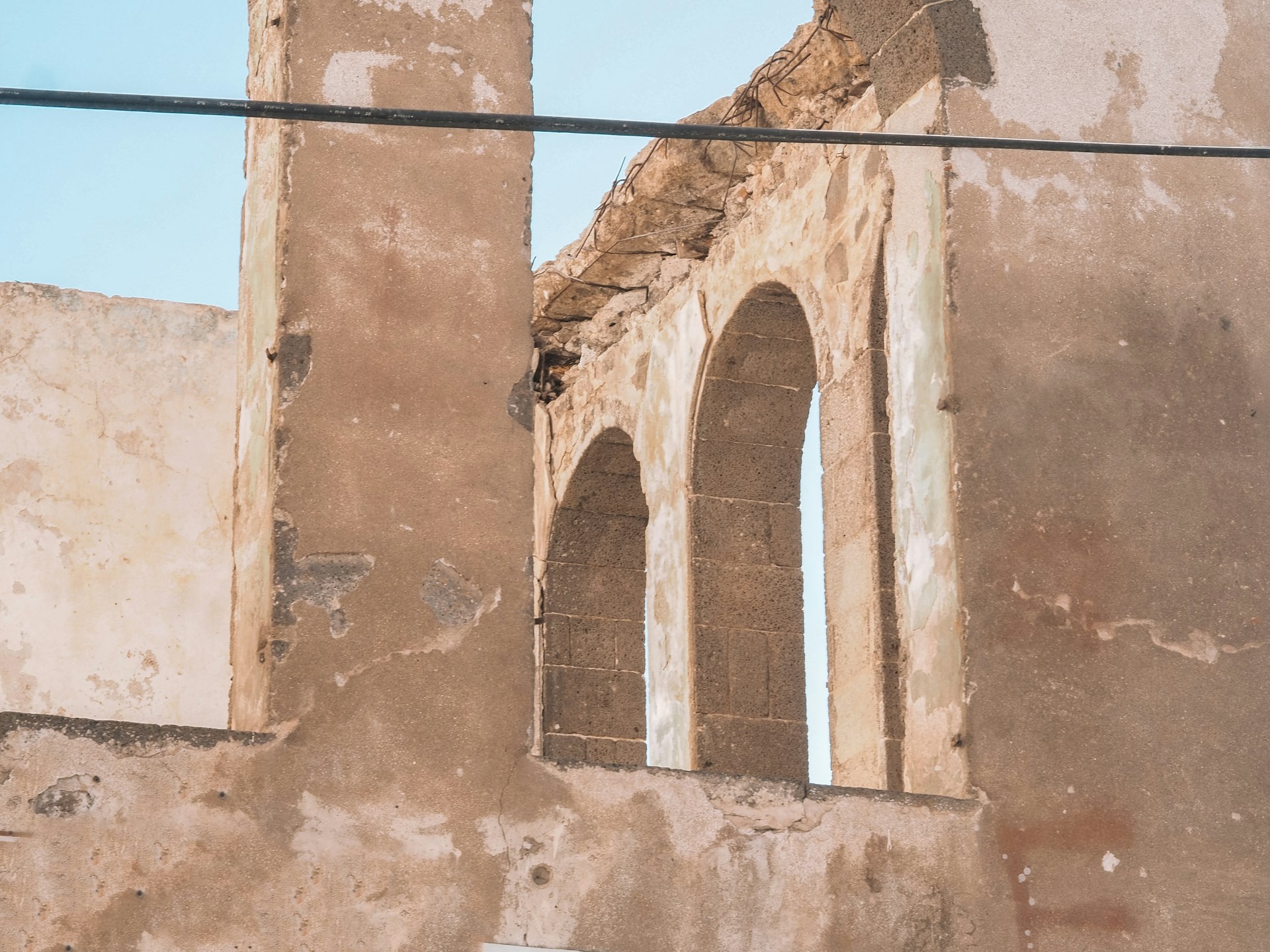
Historic reclaimed building materials bring authenticity and craftsmanship to modern projects. Each brick, beam, and stone carries the marks of its maker and the passage of time—qualities that add warmth, depth, and heritage value to any build.
At New Orleans Brick & Stone, every reclaimed element is carefully sourced from historic structures across the country. The company ensures each material retains its original character and integrity while meeting today’s performance and restoration standards.
This guide explores the types of historic reclaimed materials, how to source and verify them, and how to use them responsibly in restoration or new construction. You’ll find practical insights into authenticity, condition testing, and integration for both structural and decorative use.
What Are Historic Reclaimed Building Materials?
Historic reclaimed building materials are authentic components removed from older structures and prepared for reuse. They include items like hand-hewn beams, antique bricks, slate roofing, and cast-iron radiators that show visible age and original craftsmanship.
Defining Reclaimed and Salvaged Materials
Reclaimed building materials are pieces you can reuse after careful removal and restoration. They usually come from deconstruction, where materials are recovered intact for a planned second life. Salvaged materials may be recovered quickly from demolition sites and often need more cleaning or repair before installation.
Look for provenance, structural soundness, and any treatments the material has had. Common reclaimed items include barn boards, antique flooring, and historic bricks that show original firing marks or tool scars. Knowing the difference helps you assess durability, cost, and suitability for your project.
The Legacy and Story Behind Each Material
Each historic material carries a story—where it came from, how it was made, and how it was used. For example, hard tan bricks reveal 19th‑century firing techniques and heavy foot traffic, while old-growth oak beams show hand-hewn tool marks and tighter grain than modern lumber.
Using authentic materials preserves those stories in your space and adds character you can point to. You get visual cues—nail holes, patina, mortise cuts—that confirm authenticity. Ask suppliers for provenance photos or documentation, so your project keeps the material’s history intact.
Key Types of Historic Reclaimed Materials
These materials offer distinct textures, structural value, and provenance you can show or document. Expect hand-hewn timbers with tight grain, bricks with varied firing marks, dense flagstone or bluestone slabs, and cast-iron railings or carved corbels that carry maker’s marks.
Reclaimed Wood and Hand-Hewn Beams
Reclaimed wood from barns, mills, and old houses gives you dense, often old-growth hardwood that modern mills rarely produce. Hand-hewn beams show adze or axe marks, square edges, and mortise holes; those features signal authenticity and make each beam visually unique.
When selecting wood, check for rot, insect damage, and past repairs. Look for patina, nail holes, and tight grain—these indicate stability and historical use. You may need to plane or sister beams for structural reuse, but many beams can be cleaned, stabilized, and oil-finished for exposed applications.
Reclaimed hardwood flooring often comes from the same sources and provides wide planks with sawmill marks and original wear patterns. If you want uniformity, sort boards by color and milling marks before installation to create a consistent look.
Antique Brick and Aged Brick
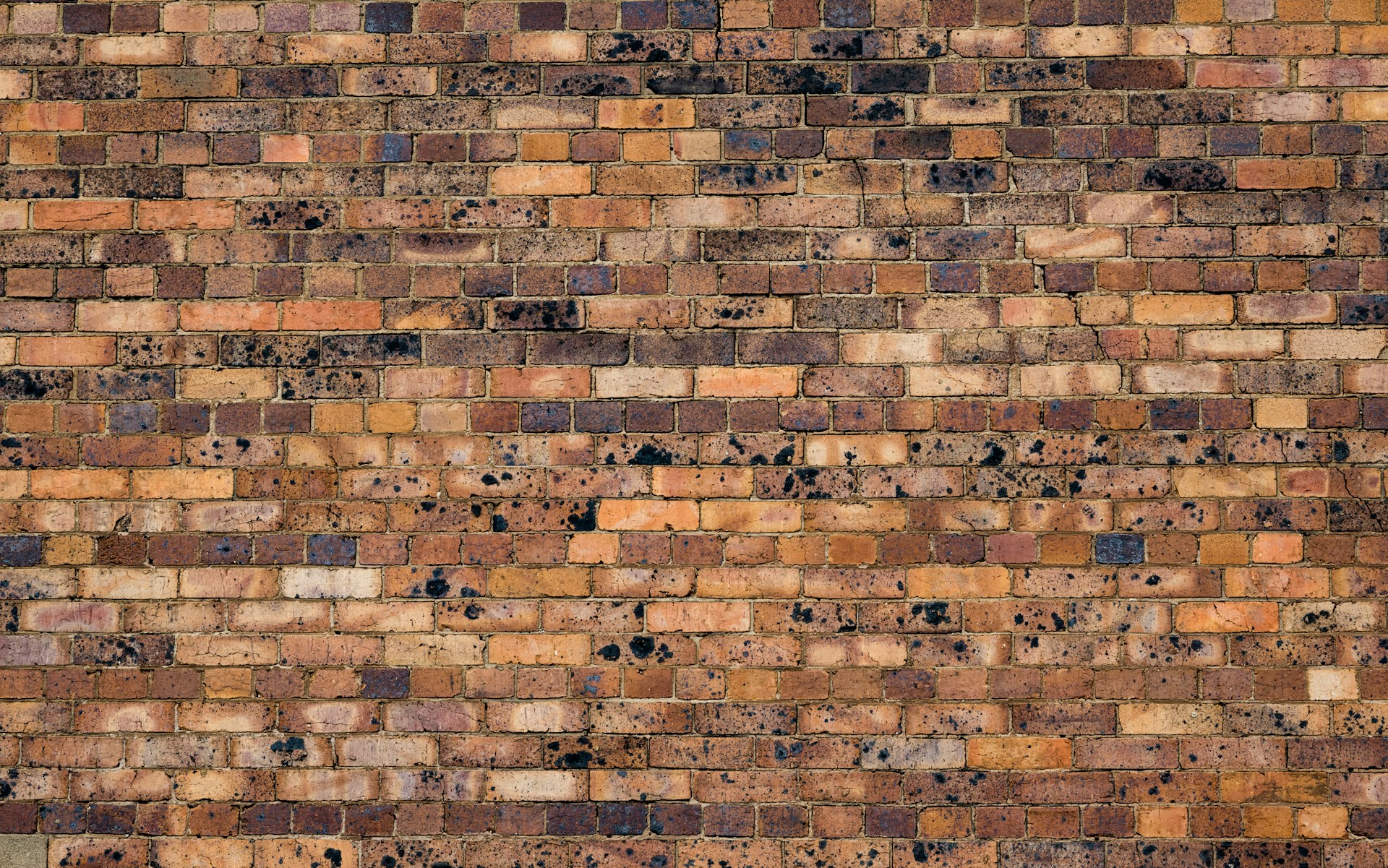
Antique bricks deliver color variation, softer edges, and firing irregularities you cannot replicate in new brick. Common types include hand-pressed 19th-century bricks and region-specific examples like hard tan bricks, each with distinct density and wear patterns.
Check bricks for salt efflorescence, hairline cracks, and bonding mortar. Use reclaimed brick as veneer, full-thickness walls, or paving; determine if bricks were semi-fired or over-fired to estimate strength. For repointing, match mortar composition and color to avoid damage from incompatible modern cement.
When laying historic bricks, consider patterns—herringbone, running bond, Flemish bond—and mix salvaged units to keep natural variation. Salvaged brick floors and fireplaces add warmth and a tangible link to place and time.
Reclaimed Stone and Unique Flooring
Reclaimed stone includes flagstone, bluestone, sandstone, and cut limestone from old porches, sidewalks, and public buildings. These pieces often show original tool marks, natural color banding, and sizes not commonly quarried today.
For flooring, prioritize flatness and thickness consistency. Reclaimed flagstones might need leveling beds or mortar set systems.
Check for previously applied sealers or salts; proper cleaning and drying prevent future spalling. Regionally named stones like Pennsylvania bluestone provide stable, dense surfaces for both interior and exterior use.
Repurpose stone as thresholds, stair treads, or feature floors. Keep records of provenance when possible; documented origin adds value and helps you match new-to-old transitions.
Vintage Architectural Elements
Vintage architectural elements include stair railings, cast-iron balusters, corbels, mantels, doors, and hardware salvaged from historic buildings. These pieces often carry maker marks, hand-forged joinery, and original finishes that lend immediate character.
Inspect metalwork for corrosion and wood elements for structural soundness. Repaired or reinforced stair railings should meet modern code if used structurally; decorative elements may need only cleaning and a protective finish. Hardware like hinges and locks may require new pins or retrofit plates to fit modern doors.
Use vintage elements as focal points: a salvaged stair railing in a foyer, an antique mantel in a living room, or reclaimed doors in adaptive reuse projects.
Where to Find Historic Reclaimed Building Materials
You can find quality historic reclaimed materials through dedicated sellers, on-site salvage at demolitions, and community preservation programs. Each route offers different access to beams, flooring, doors, bricks, and architectural elements—along with varying costs, lead times, and documentation.
Specialty Dealers and Architectural Salvage Showrooms
Look for architectural salvage showrooms that list inventory online and offer condition photos, dimensions, and provenance. Many specialty dealers also provide milling, restoration, and delivery services; ask if they can plane, trim, or replicate missing pieces for your project.
Visit showrooms in person when possible to inspect patina, insect damage, and structural soundness. Shops that keep records or photos of items’ original locations are helpful if you need historic preservation documentation.
When vetting a dealer, check for:
- Provenance or age verification
- Return or inspection policies
- On-site services (sawmill, refinishing, custom millwork)
Dealers often stock mantels, newel posts, reclaimed flooring, and antique brick. Expect higher prices for rare or well-documented pieces, but benefit from lower risk and easier logistics than unknown sources.
Salvage From Old Buildings and Demolition Sites
Salvage directly from barns, factories, churches, and homes slated for demolition. Contact contractors or site managers before demolition and arrange to remove items; many sites will let you claim materials for little or no cost if you coordinate pickup.
Bring measuring tools, heavy-duty gloves, and a small crew or a pickup truck. Prioritize large structural timbers, intact windows, decorative hardware, and labeled architectural fragments that fit your design.
Obtain written permission, check for asbestos or lead paint, and remove items only during approved hours. If you lack tools or time, local salvage crews often offer removal for a fee and can supply photos and origin notes useful for preservation records.
Community Preservation Initiatives
Historic preservation organizations, local museums, and nonprofit salvage programs can be rich sources of reclaimed materials and documentation. These groups often salvage elements during certified preservation projects and may sell or donate items to support conservation work.
Contact your city’s historic preservation office, local heritage society, or Habitat for Humanity ReStore to learn about upcoming deconstruction projects and donation or purchase opportunities. Membership or volunteering can give you early access to inventory and expert advice on matching period-appropriate materials.
These initiatives sometimes provide condition reports or provenance files that strengthen your restoration’s authenticity. They also connect you with craftsmen, preservation architects, and showrooms that specialize in period-correct rehabilitation.
Benefits of Using Historic Reclaimed Materials
Using historic reclaimed materials reduces demand for new resources and brings distinctive character to your project. You gain environmental savings, stronger thermal performance in many cases, and authentic textures that are hard to replicate with new products.
Sustainable Building Practices
When you choose reclaimed bricks, stone, or timber, you cut embodied carbon by avoiding new manufacturing and quarrying. Salvaging materials from deconstruction reduces landfill volume and often requires only cleaning, sorting, and selective repair before reuse.
Sourcing locally from salvage yards or reuse networks also trims transportation emissions and supports circular-economy supply chains. Practical benefits include lower waste-management costs during demolition and potential points toward green certifications. Plan early to match quantities and inspect for soundness for the best results.
Enhanced Design and Lasting Authenticity
Historic reclaimed materials give your building a visual depth you rarely get from factory-made products. Weathered bricks, irregular stones, and aged timbers bring varied color, texture, and tooling marks that read as authentic in both conservation and contemporary contexts.
Many reclaimed elements show proven durability; dense, fired bricks and old-growth timbers often outperform newer equivalents. Using them can increase market appeal and, in many cases, property value because buyers recognize the combination of quality and provenance.
How to Successfully Incorporate Historic Reclaimed Materials
Focus on choosing compatible materials, working with specialists, and installing and maintaining elements to meet safety standards and preserve authentic character. Match dimensions and finishes, document provenance, hire experienced trades, and plan for ongoing care.
Material Selection and Matching
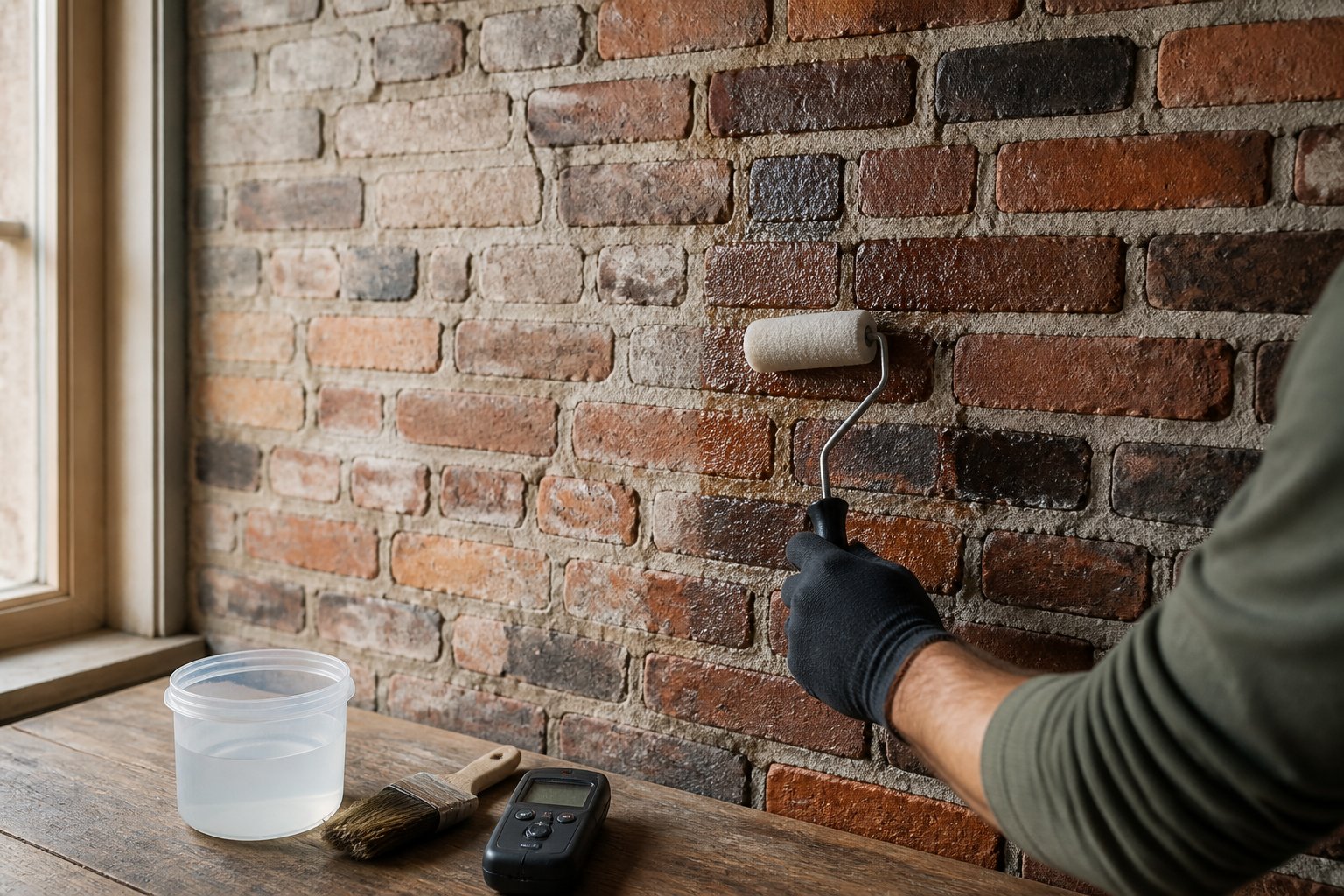
First, check reclaimed elements for structural soundness. Inspect wood for rot, insect damage, and moisture history. Measure beams for straightness and check bricks for efflorescence or spalling. Use a moisture meter and perform pull tests on timbers to confirm load capacity before using them structurally.
Match appearance and performance to the original building. Record mortar composition, brick size, and wood species. Source pieces from the same era or region when possible. For visible finishes, create on-site sample mock-ups to compare color, tooling, and weathering under real light conditions.
Document provenance and testing results. Label materials with source, date, and any treatments applied. This helps with preservation compliance and future repairs. For high-end reclaimed finishes like decorative plaster or carved wood, verify authenticity and condition with close-up photos and lab tests.
Working With Specialists and Contractors
Hire a conservator or historic architect early. They set treatment standards and determine what to reuse or replicate. Ask for references and request condition reports before purchasing materials.
Choose contractors experienced in deconstruction and careful handling. Deconstruction teams recover larger intact pieces, reducing repair work later. Require contractors to follow a written handling and storage plan: covered, ventilated storage for timber and palletized stacks for brick to prevent warping and contamination.
Clarify responsibilities in contracts. Specify who tests for lead paint, asbestos, or contaminants and who pays for remediation. Include acceptance criteria for materials and schedule inspections at delivery and after installation.
Tips for Installation and Maintenance
Prepare reclaimed materials before installation. Clean, treat timber for pests and stabilizers, re-point bricks with lime-based mortar matching historic vapor permeability, and seal salvaged glass with proper glazing compounds.
Use sympathetic fasteners and connectors. Stainless steel or hot-dip galvanized hardware reduces corrosion. Where original fixing methods won’t work, hide modern anchors behind trim or use reversible connections for future removal without damage.
Plan routine maintenance and record interventions. Set a schedule—annual visual checks for moisture, biannual mortar joint inspections, and timber checks after major weather events. Keep a maintenance log noting treatments, products used, and dates to inform future work.
Ensuring Longevity Through Compatible Techniques
According to preservation guidance from the Newburyport Historical Commission and Preservation Trust, historic masonry lasts longest when repaired with compatible, breathable materials.
Lime-based mortars allow vapor to escape and avoid trapping moisture inside brick and stone, while gentle, preservation-oriented cleaning protects original surfaces. Using the right methods helps reclaimed materials retain texture and form while reducing stress and long-term deterioration.
Preserving Craftsmanship, Building for Generations
Historic reclaimed materials link the artistry of the past with the functionality of the present. From bricks and beams to stone and ironwork, each element adds meaning and authenticity to your space—rooting it in a lineage of enduring craftsmanship.
New Orleans Brick & Stone continues this legacy by providing genuine reclaimed materials for restoration and design projects across the country. Their careful sourcing and preservation expertise help ensure that every piece you choose contributes to your project’s integrity and historical continuity.
If you’re planning a restoration or want to incorporate genuine historic materials, contact our team for a sourcing consultation and learn how to bring true heritage into your build.
Frequently Asked Questions
Here you’ll find where to source reclaimed bricks, timber, windows, and hardware, how to confirm their origin, and what to check when buying online. The answers also cover performance expectations, storage, handling, and practical tips for integrating reclaimed pieces into specific rooms and exterior work.
What are the best places to find historic reclaimed building materials?
Salvage yards and architectural reclaim centers specialize in authentic historic elements like antique brick, millwork, and cast iron hardware. Look for local historic-house salvage dealers and regional brick reclaimers that salvage from demolition sites and old streets.
Demolition and deconstruction projects often yield batches of usable materials. Contact local contractors, preservation groups, or municipal building departments to learn about upcoming deconstructions.
Online marketplaces and specialty suppliers ship nationwide. Choose sellers who provide origin details, photos, and dimensions for each item.
How do I verify the authenticity of reclaimed building materials?
Ask for provenance, including where the material came from, photos of it in place, and any paperwork from the salvage operation. Genuine historic bricks and pavers often show manufacturer stamps, patina, and wear consistent with age.
Inspect materials for tool marks, mortaring patterns, aging, and non-uniform sizing typical of older manufacturing. For structural timbers, request species identification and look for hand-hewn surfaces, pegged joinery, or old fasteners.
If unsure, consult a conservation specialist or historic preservation architect to confirm age, species, and suitability.
Can I purchase historic reclaimed building materials online, and what should I look for?
Yes, many reputable suppliers list inventories online and ship palletized loads nationwide. Check for detailed photos, dimensions, and whether the seller pre-cleans and secures items for shipping.
Review minimum order quantities, lead times, return policies, and shipping preferences. Ask about storage conditions and whether materials have been tested for contaminants.
Request references or project photos and confirm whether the supplier provides salvage source certification if you need documentation.
What are the benefits of using reclaimed building materials in construction?
Reclaimed materials lower demand for new extraction, reduce construction waste, and preserve historical character. They offer durability and a unique texture that new materials rarely match.
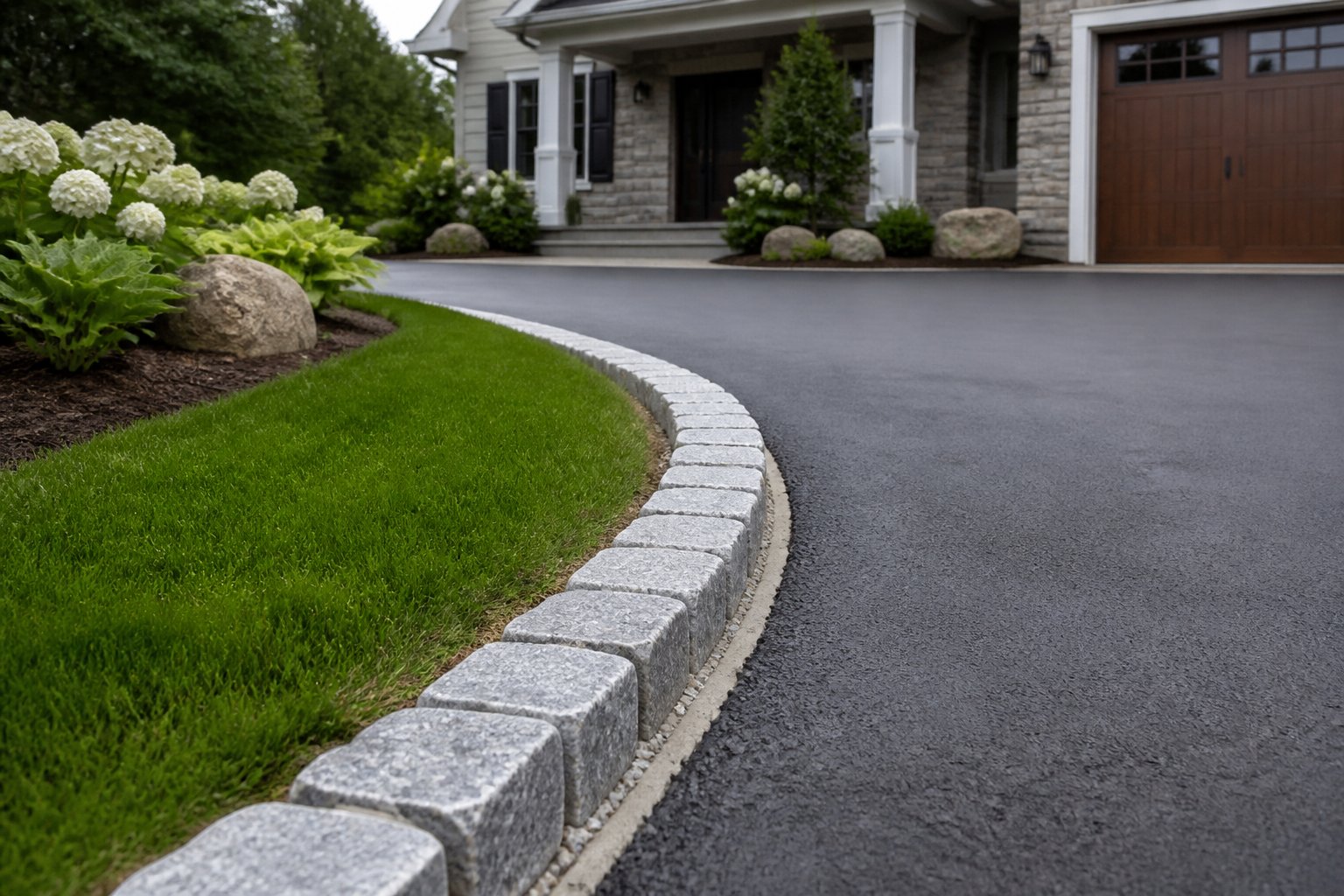
Century-old brick, granite cobbles, and old-growth timbers add longevity and distinctive color variation to floors, facades, and interiors.
How can I ensure the quality of the reclaimed building materials I buy?
Inspect samples before large purchases. For brick and pavers, check density and frost resistance; for timbers, check for rot, insect damage, and straightness.
Ask for testing records and verify storage practices. Materials kept under cover and on pallets usually arrive in better condition.
Hire an installer experienced with reclaimed materials to evaluate suitability and catch issues early.
What are some tips for incorporating reclaimed building materials into my renovation project?
Plan early and measure carefully to determine the quantities you need. Order extra materials to account for breakage and the natural variation in reclaimed items.
Test a small area before starting the full installation to ensure the materials look and work well with your project. Use mortar that matches the reclaimed masonry, and let wood products adjust to your home’s humidity before installation.
Label and store reclaimed materials by type and condition when they arrive. Choose contractors experienced with cleaning, repairing, and installing older building components.