Renovating with reclaimed materials is one of the most meaningful ways to bring history, warmth, and real craftsmanship into your home. When you choose brick, stone, or wood that has already lived a century or more, you invite texture, authenticity, and a sense of place that new materials simply cannot reproduce. With thoughtful planning, reclaimed pieces can fit seamlessly into modern schedules, codes, and design needs.
Start by thinking about where each material came from, how it was handled, and what kind of preparation it may need before installation. Understanding patina, sizing, and structural integrity helps you create a renovation that feels cohesive and true to its era. Our team at New Orleans Brick & Stone can guide you toward well-matched materials that arrive ready for use.
In this guide, we will look at how to source quality reclaimed pieces, plan around modern requirements, and care for these materials so your renovation keeps its character for years to come.
Reclaimed Materials
Reclaimed materials bring real history, texture, and durability to your renovation. Here’s what types exist, why they add value, and how to handle the usual snags.
Reclaimed materials come from existing buildings or structures and get reused in new projects. You’ll see brick, structural timber, stone, flagstone, slate, pavers, thin brick, and metal fixtures most often.
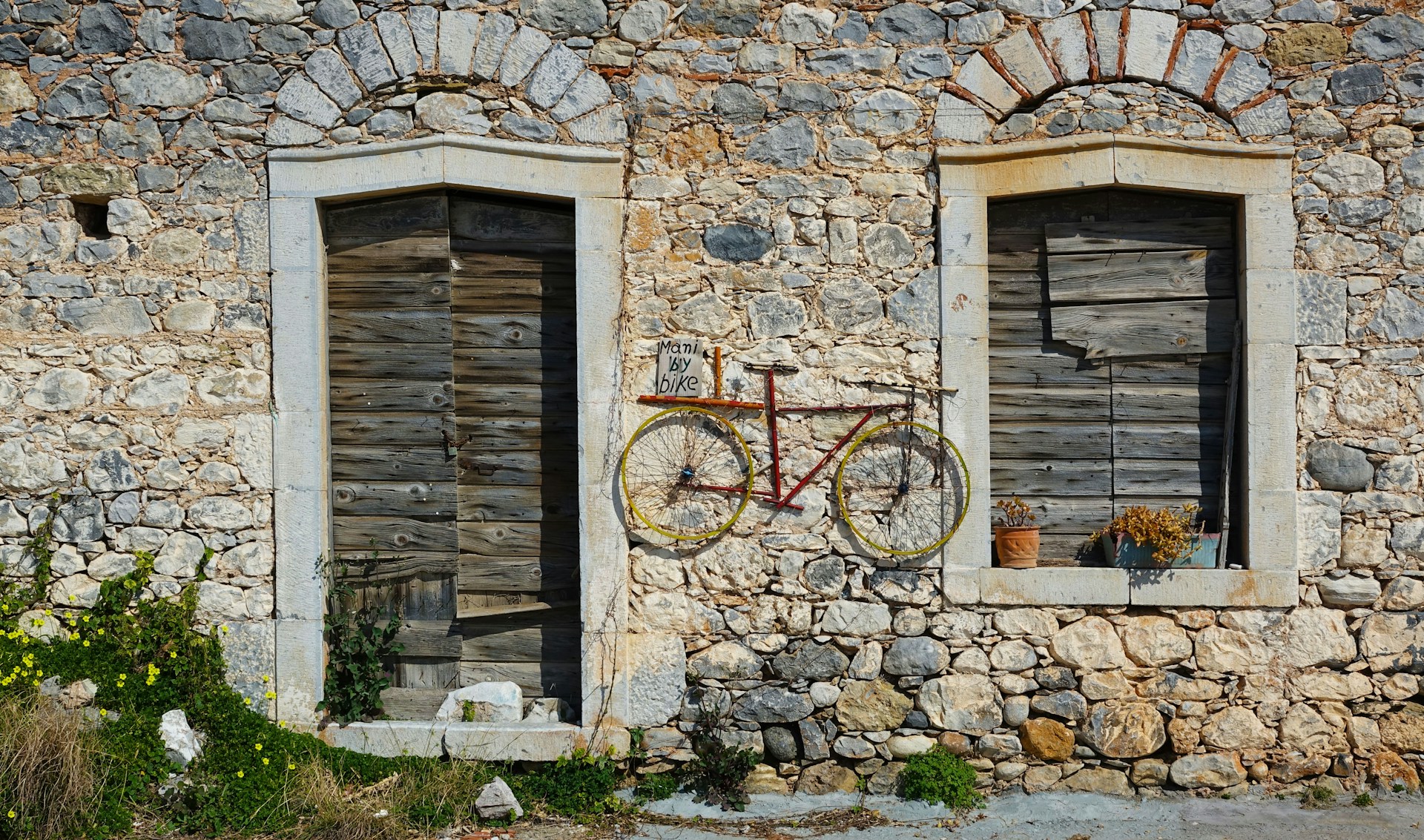
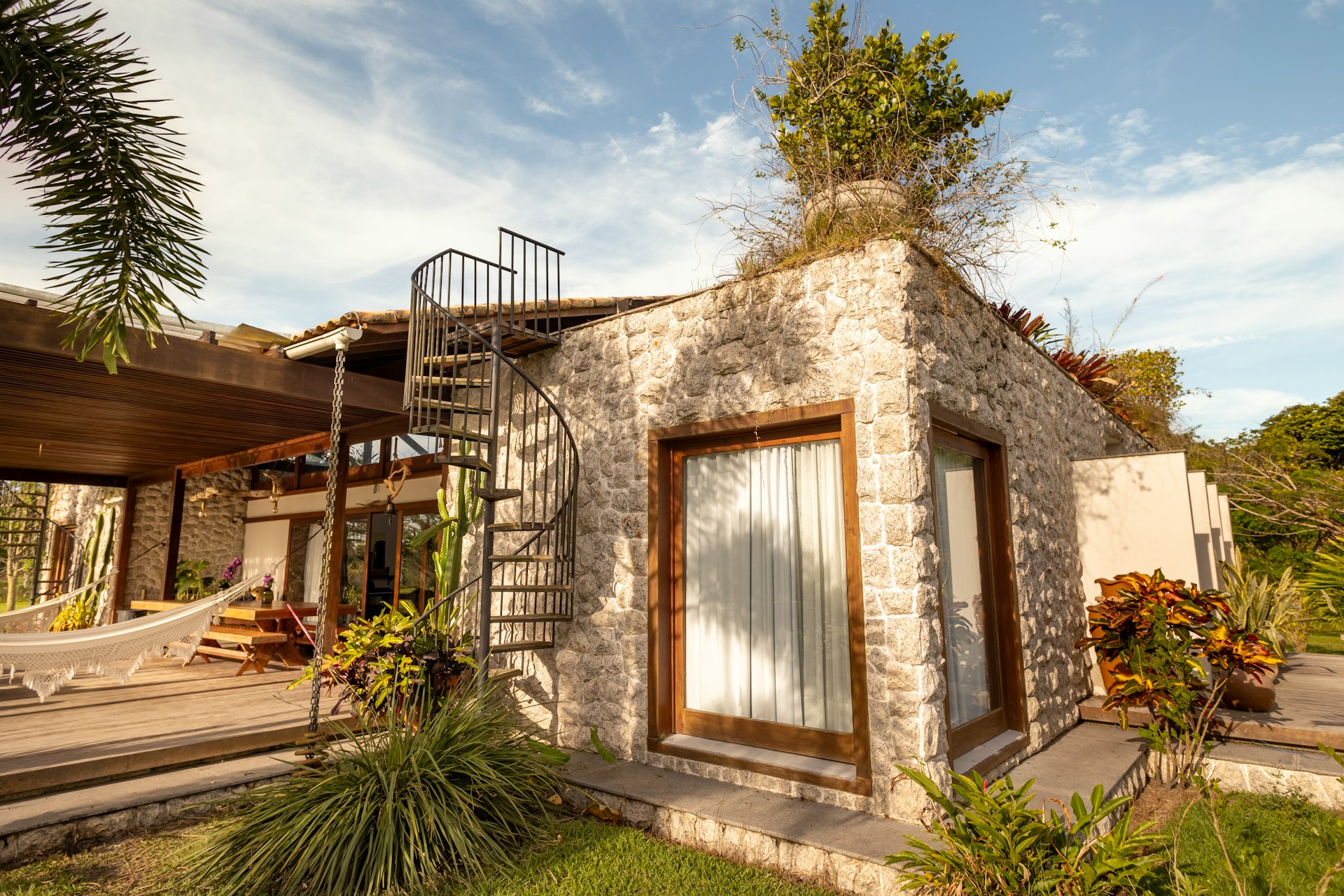
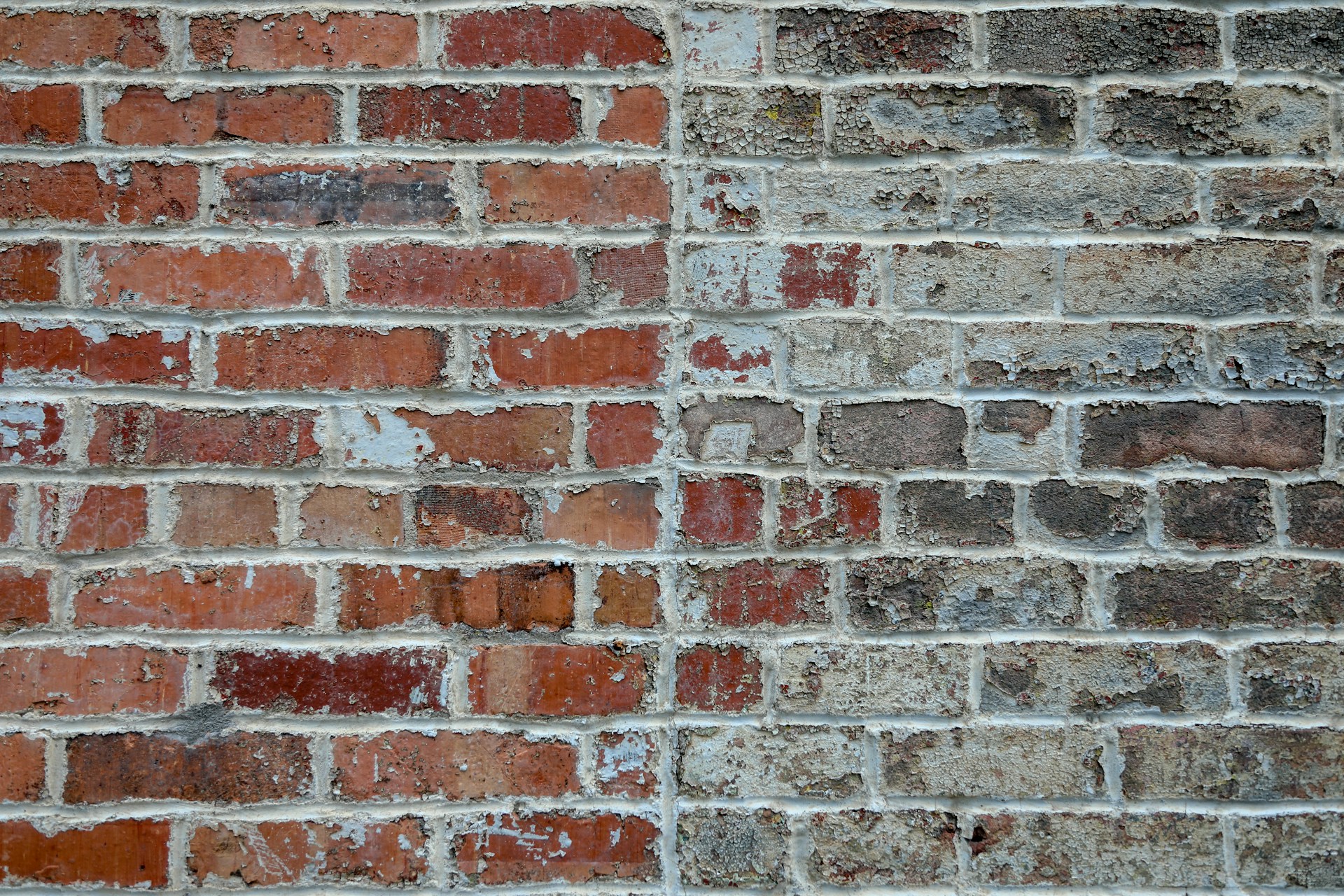
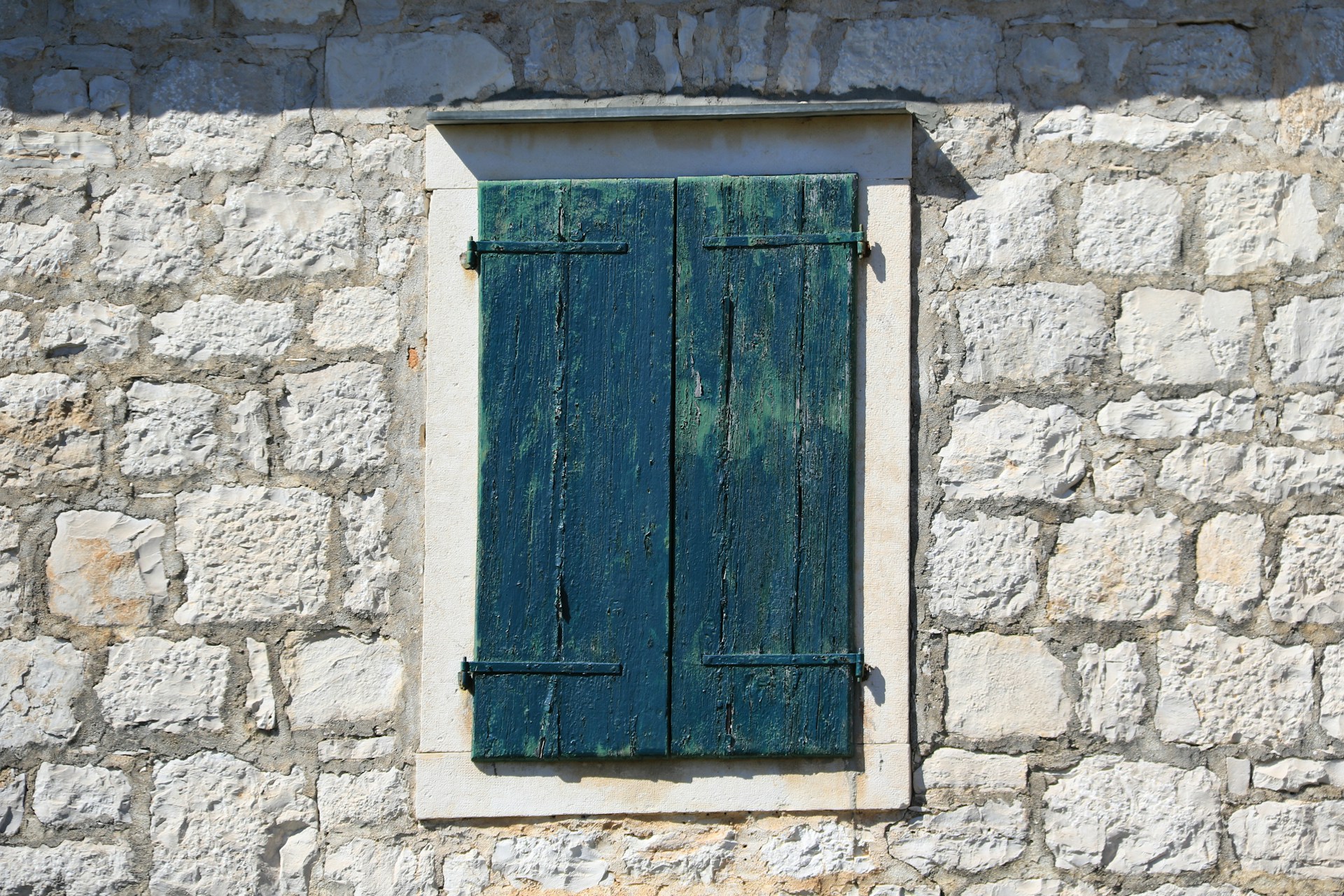
Bricks might show worn edges and all sorts of colors, especially if they’re pulled from old walls. Reclaimed wood can mean heavy beams with dense old growth and nail holes that tell a story. Stone and flagstone? They’ve got shapes and patina you just can’t fake with new material.
When you’re sourcing, check if the supplier cleans and preps the pieces—some test strength and remove contaminants. New Orleans Brick & Stone offers hand-selected reclaimed brick, stone, and thin veneer ready for reuse, and they ship fast if you’re in a hurry.
Why Use Reclaimed Materials
Reclaimed materials cut waste and reduce the need for new manufacturing, lowering environmental impact. They also bring unique surface textures and color variations you just won’t get from anything new.
Using reclaimed brick or timber means proven durability; a lot of this stuff has already lasted a century or more. That history can boost your home’s value and give rooms a warm, lived-in vibe that works in both classic and modern spaces.
You might save money compared to specialty new items, especially if your supplier keeps stock on hand. Quick access matters for tight timelines—always ask about inventory and shipping before you dive in.
Potential Challenges and Solutions
Reclaimed materials aren’t always uniform in size, condition, or finish, so layouts and installs can get tricky. You’ll probably need to sort and trim pieces. Have your contractor measure carefully and order 10–20% extra to cover cuts and any duds.
Some stuff arrives with mortar, paint, or efflorescence. You can dodge most headaches by working with suppliers who clean and test, or by hiring installers who know their way around reclaimed materials. Store everything covered and on pallets so it stays in good shape.
If you’re using reclaimed timber or stone structurally, get an engineer to check it out. Use mortars and fasteners designed for older masonry to avoid future problems.
Sourcing High-Quality Reclaimed Materials
Choosing the right reclaimed materials starts with choosing the right partner. You want a supplier who honors the history behind every piece, tests for durability, and keeps real inventory on hand so your project stays on schedule. That combination is rare, which is why so many builders and homeowners turn to New Orleans Brick & Stone.
Finding Reliable Suppliers
The best suppliers don’t just “sell” reclaimed materials. They know exactly where each piece came from, how it was recovered, and why it’s suitable for modern construction. Look for clear provenance, photos of the original structures, and honest grading.
You also want inventory ready to ship, not long waits or guesswork. That is where our team excels. We keep meaningful stock on hand, we ship nationwide within 48 hours, and when you call, you speak with someone who understands the materials and can help you select the right match for patina, size, and structural needs. It is personal service rooted in family, not a ticketing system.
Evaluating Material Quality
Quality reclaimed materials should be sturdy, clean, and consistent enough to install smoothly. Check for cracks, spalling, or hidden repairs. Make sure veneers and thin brick hold their thickness and strength. Ask about testing for contaminants like salts or old coatings.
Our team hand-selects each piece and prepares it for reuse, which means cleaning, de-nailing, and strength testing happen before it ever reaches your site. You get reclaimed brick and stone that is ready for installation, with photos and grading that tell you exactly what to expect.
Environmental Impact Considerations
Using reclaimed materials is one of the most sustainable choices you can make, and your supplier plays a big role in that impact. Prioritize partners who reclaim through careful deconstruction, keep usable materials out of landfills, and reduce the need for new quarrying or firing.
We follow responsible recovery practices and reuse packing materials whenever possible. With clear provenance, testing records, and efficient nationwide shipping, our reclaimed inventory supports lower embodied carbon and helps you meet green-building goals without sacrificing character or quality.
Planning Renovations With Reclaimed Materials
Measure the spaces where you’ll use reclaimed brick, stone, or wood. Know your quantities, lead times, and whether you want matching or mixed textures.
Integrating Reclaimed Elements Into Design
Decide where you’ll show off reclaimed materials: a fireplace surround, exterior facade, kitchen island, or entry path. For a uniform look, pick pieces close in size and color. For a more historic, mixed vibe, go with varied pallets.
Take photos of your site and sketch out where reclaimed pieces will sit next to new stuff. Mark transitions and stop-ends so mortar color and joint width match up. If you want the patina or weathering to show, plan for cleaning and sealing.
Ask your mason or contractor to mock up a small section. A mock-up helps you see the look and catch any sizing or structure issues early.
Budgeting Strategies
Price reclaimed materials by the square foot and add 10–20% for waste from cuts or defects. Figure in cleaning, de-nailing, and any repairs like repointing brick or stabilizing stone.
Factor in labor for installers who know reclaimed work—they usually work faster and waste less. List shipping and storage costs if materials arrive before you’re ready. Keep a little extra (5–10%) for surprises or matching repairs.
If you need rare or tight-match pieces, expect to pay more. Save by mixing reclaimed with new, or use reclaimed only where it’ll show and new where strength matters.
Compliance With Codes and Regulations
Check local codes, especially for structural uses like load-bearing walls or steps. Get written sign-off if you plan to reuse historic masonry where it matters.
Ask your engineer or inspector about tests for compressive strength, moisture, or frost resistance. Save reports and supplier test sheets for your permits.
For reclaimed wood, check fire codes and make sure it’s treated or sealed to meet flame-spread ratings indoors. Keep documentation of where materials came from and how they were handled—inspectors will want to see it.
New Orleans Brick & Stone can get you inventory and testing info fast to help with permits.
Installation Techniques for Reclaimed Materials
Prep your materials, match modern construction, and hire experienced installers so your reclaimed pieces fit safely and look right. Clean, check dimensions, pick compatible mortars or fasteners, and work with pros who know how to adapt old units to new standards.
Preparation and Cleaning
Sort pieces by size, color, and condition. Knock off loose mortar, dirt, and salts with a stiff brush, low-pressure water, or a mild acid rinse if you have to.
Check each unit for cracks, spalls, or hidden damage. Set aside anything that won’t hold up.
Dry pallets or covered storage keep materials stable before use. If bricks or stone have been damp, let them dry slowly to avoid new cracking.
Label quantities and measure true dimensions after cleaning—reclaimed stuff can vary by up to an inch. Accurate counts keep you on track.
Adapting Materials to Modern Spaces
Measure openings, slopes, and substrates before you start. You might need to cut or thin bricks and stone—use a wet saw or angle grinder with a diamond blade for clean edges.
Match mortar strength and color to both the reclaimed units and the existing structure. Use softer mortars for delicate historic brick and stronger ones where needed.
For floors or patios, install proper base layers and drainage. Use adjustable ties, veneers, or thin brick for walls where full bricks won’t fit.
Document any changes in size so future repairs match what you did.
Hiring Skilled Professionals
Look for installers who’ve actually worked with reclaimed materials. Ask for photos, references, and proof they can blend old and new.
Check that they understand compatible mortars, cutting, and protecting patina. A good installer will test-fit and wet-mock areas to check layout and joints.
Agree on the scope, timelines, and how they’ll protect finished surfaces. Expect them to recommend reinforcement, flashing, or breathable wall assemblies if needed.
If you want hand-selected materials or fast shipping, New Orleans Brick & Stone can supply inventory and technical help to match historic character and speed up delivery.
Use in Different Spaces
Reclaimed materials add real texture, history, and value to specific rooms. Consider durability, maintenance, and what each piece brings to the look.
Reclaimed Wood in Living Areas
Use wide-plank reclaimed heart pine or oak for floors—warm color, irregular grain, and it hides wear. Go for a low-sheen finish to show patina but still protect the wood. For mantels, a single hand-hewn beam makes a strong focal point over the fireplace.
Turn salvage boards into floating shelves or a media wall with routed channels for cords. Seal wood near kitchens or entryways with a water-resistant finish, and add felt pads under furniture to avoid scratches. If you want a consistent look, sort boards by color and nail pattern before installing.
Repurposed Brick and Stone
Lay reclaimed brick as an interior accent wall—running bond or herringbone adds texture and rhythm. Brick works well in kitchens, mudrooms, and sunrooms because it handles temperature swings and cleans up with mild detergent. Use thin brick or veneers where weight is an issue, and play with mortar color—white softens, dark sharpens.
For floors, pick reclaimed pavers or flagstone rated for interiors and seal with a penetrating sealer to cut down on dust. Use stone thresholds and hearths from reclaimed slabs for durable, authentic transitions. New Orleans Brick & Stone has hand-selected reclaimed brick and stone if you’re after fast matching and historic character.
Vintage Fixtures and Hardware
Go for period lighting, door knobs, and hinges to finish the reclaimed look. Swap out modern pulls for aged brass or iron cup pulls in kitchens and on dressers to match reclaimed wood or brick. For plumbing, restored cast-iron or brass faucets offer durability and a tactile link to the past.
When you reuse hardware, test moving parts and replace pins or bushings as needed. Mix a few vintage pieces with new matte-finish fixtures to meet code and performance while keeping the look. Label and store any original hardware you remove during demo—you can often refurbish and reuse it for both cost savings and authenticity.
Caring for and Maintaining Reclaimed Materials
Regular checks, gentle cleaning, and timely repairs help reclaimed brick and stone stay authentic and perform well. Focus on preventing damage, use the right cleaning methods, and fix problems as soon as they show up.
Preventing Wear and Damage
Check reclaimed materials every few months for cracks, loose mortar, or surface wear. Keep an eye out for stains, salt deposits, or weeds, especially outside on walls and pavers.
Make sure gutters stay clear and slope soil away from foundations to control water. Use breathable sealers sparingly on old brick or porous stone—non-breathable coatings just trap moisture and cause more trouble. Put area rugs and felt pads under furniture legs on high-traffic floors to help prevent scratches.
When you install reclaimed pieces, match the mortar and backing to the original materials to avoid stress. Store any extra reclaimed units off the ground and covered, so they don’t get hit by freeze-thaw cycles or mold.
Routine Cleaning Methods
Start with a soft-bristle brush to dry-brush away dirt and soot. For deeper cleaning, rinse with low-pressure water (under 500 psi) so you don’t damage the surface.
Stick to pH-neutral cleaners or mild soap for general stains. Always test your cleaner in a hidden spot first. For efflorescence (that white salty crust), use a dry brush or a diluted vinegar rinse—never go for acid cleaners on soft or historic mortar.
Skip sandblasting and harsh abrasives on antique surfaces. For indoor reclaimed brick, vacuum mortar joints now and then, and give them a wipe with a damp cloth. Let everything dry thoroughly after cleaning.
Restoration and Repairs
Try to match new mortar to the old stuff—color, hardness, composition. For historic brick, softer lime-based mortar is better than hard Portland cement. Repoint a small area first to see how the new mortar works with the old masonry.
If you see cracked or broken pieces, just remove the damaged parts and swap in hand-picked reclaimed matches. Save unique faces and reuse them where the patina shows. When you’re replacing pavers or flagstone, bed them on compacted aggregate and use flexible jointing material so things can move a little.
If you hit a structural issue or you’re just not sure, reach out to a masonry conservator. If you got your materials from New Orleans Brick & Stone, their team can help with matching tips and compatibility advice.
Showcasing Renovations That Feature Reclaimed Materials
Here’s a look at how reclaimed brick and stone can add texture, history, and real durability to projects. These examples dig into how people chose, prepped, and placed materials to solve design and structural challenges.
Inspiring Home Transformations
You can turn a dated room into a warm, lived-in space just by using reclaimed brick for a focal wall or fireplace. In one kitchen makeover, century-old bricks replaced a flimsy veneer to create a load-bearing island face. They cleaned and retooled each brick to match the mortar joints, so the island carries both weight and character.
In another home, reclaimed flagstone replaced new pavers on a backyard terrace. The irregular edges and worn surfaces add traction and a rustic vibe that blends with the landscaping. For interiors, thin reclaimed brick brings texture to accent walls without major structural work.
Notable Commercial Projects
Reclaimed materials can give a café, office lobby, or retail space an authentic, established feel. Weathered brick makes a great choice for an entryway that needs instant character. In one project, they tested reclaimed brick for compressive strength, sorted it by color, and used it on a storefront to meet local code while keeping the antique look.
Reclaimed stone works well for paths and steps in public spaces—durability and slip resistance matter here. When you’re sourcing, ask about testing and prep so your supplier can certify the material for commercial loads and exposure.
Before-and-After Examples
Before: a 1970s split-level with a plain concrete porch and a failing veneer. After: reclaimed brick steps and a new thin-brick riser that match the home’s original mortar. The job needed extra bricks to account for breakage and odd sizes.
Before: an office lobby with shiny new tile that looked sterile. After: a reclaimed brick wall and slate floor inserts that brought warmth and hid wear. The team budgeted for extra cleaning and prep up front, which kept costs predictable and the finish long-lasting.
- Quick checklist for before-and-after success:
- Inspect and test materials before installation.
- Order 10–20% extra for breakage and selection.
- Use an installer who knows reclaimed work.
You can get hand-selected reclaimed brick and stone from suppliers with inventory ready to go, so you’re not stuck waiting. New Orleans Brick & Stone can ship many items nationwide within 48 hours if you’re on a tight timeline.
Sustainable Renovation Practices
Using reclaimed materials cuts waste, lowers embodied carbon, and adds lasting character to your project. It’s smart to think about testing, storage, and certification to keep performance high and headaches low.
Reducing Waste
Reclaiming brick, stone, and timber keeps good materials out of landfills. You save on disposal fees and skip the energy that goes into making new stuff.
Check and test every piece before you install it. Ask for moisture, strength, and contaminant reports. Store materials covered and on pallets so they stay in good shape while you wait.
Plan demolition so you can salvage whole units—bricks, headers, flagstones—rather than smashing everything. Use leftover fragments for garden paths, patchwork walls, or infill to avoid tossing small pieces.
Bring in an installer who knows reclaimed materials. They spot problems early and waste less when cutting. This approach saves on material and keeps cleanup and rework to a minimum.
Green Building Certifications
Reclaimed materials can help you rack up points for certifications like LEED, Living Building Challenge, and local green standards. These programs reward reuse, lower embodied carbon, and a documented chain-of-custody.
Keep records for every reclaimed shipment—receipts, salvage docs, lab results. That paperwork proves recycled content and helps you claim regional or reuse credits.
Focus on specifics: percent of reused material by weight, landfill tons avoided, transportation miles saved. Those numbers make your application stronger and give inspectors something concrete.
Get your team on board early so your certification goals line up with your procurement plan. Listing reclaimed suppliers, inspection steps, and delivery windows up front makes everything smoother.
Long-Term Benefits
Reclaimed brick and stone often outlast new manufactured materials. Their history—fired or quarried decades ago—means proven durability and a patina that hides wear. You don’t have to replace them as often, and maintenance is usually just repointing, sealing, or a gentle clean. Those jobs keep things performing without major work.
Reused materials also add resale and cultural value. Buyers and tenants notice authentic texture and history, and that can boost perceived value. If you buy from a trusted supplier like New Orleans Brick & Stone, you get fast availability and tested inventory ready to ship.
Plus, using reclaimed materials supports regional circularity. It keeps people working in salvage, reduces demand for new quarrying or firing, and ties your project to local heritage.
Renovating with reclaimed materials is a chance to bring real history into your home. When you choose pieces that have already stood the test of time, you build with character, intention, and a deep respect for the craft that shaped them. With thoughtful planning and the right guidance, reclaimed materials can carry your renovation gracefully into the next generation.
If you want authentic reclaimed brick and stone that arrives ready to use, supported by people who treat every project like their own, New Orleans Brick & Stone is here to help you build something lasting, beautiful, and true to its history.
Frequently Asked Questions
Here are some practical answers about using reclaimed wood, brick, stone, and salvaged items in renovations. You’ll find safety tips, creative uses, cost trade-offs, sourcing advice, and environmental benefits.
What are the best ways to incorporate reclaimed wood into my home remodel?
Try reclaimed wood for floors, exposed beams, paneling, or custom furniture to bring in warmth and patina. Match board widths and grain to the space, and order extra for sorting and defects.
Let the wood acclimate indoors to reach room humidity before you install it. Have a carpenter who’s worked with reclaimed lumber check for hidden nails, rot, or insect damage.
How can I ensure that reclaimed materials are safe and free of contaminants?
Check for lead paint, asbestos, mold, or chemical stains before bringing materials inside. Hire a licensed tester if you’re unsure about finishes or anything from industrial sites.
Clean and strip finishes as needed. Use HEPA vacuums and wear a respirator during demo and prep. Keep documentation of tests and treatments for future owners.
Can you suggest creative ideas for using salvaged items in modern home designs?
Old doors can become sliding barn doors or headboards. Reclaimed brick makes a great accent wall, fireplace surround, or patio—lots of texture and history.
Salvaged metal can turn into stair railings or light fixtures. Pair thin reclaimed brick or stone veneers with modern materials for a cool contrast.
What are the cost benefits of using reclaimed materials in renovation projects?
Reclaimed materials can save money, especially when you avoid pricey custom millwork or new bricks that try to mimic old ones. You might pay more in labor to clean and adapt reclaimed pieces, but material costs can be lower for unique finishes.
Using in-stock inventory—like what New Orleans Brick & Stone keeps ready to ship—can cut lead times and help you dodge project delays that drive up costs.
How do I find reliable sources for high-quality reclaimed building materials?
Look for suppliers who test, sort, and warranty their materials and let you inspect before you buy. Ask for photos, provenance details, and shipping timelines.
Work with vendors who ship quickly and communicate directly. A family-run supplier with meaningful inventory on hand can help you avoid long waits and mix-ups.
What are the environmental advantages of using recycled elements in home renovations?
Reclaimed materials help cut down the need for new extraction and processing—so you end up using less energy and creating fewer emissions overall. Plus, when you use old materials, you're keeping them out of landfills and, in a way, hanging onto some historic character.
Opting for sturdy, time-tested reclaimed brick or stone means you get elements that last longer and usually don’t need as much fixing up or replacing. That’s a win for both the environment and your peace of mind, honestly.