You can see history in the grain of an old brick or the softened edge of a weathered flagstone. Each mark, color shift, and worn surface carries the imprint of years gone by, giving your project a sense of place that new materials simply cannot offer. These pieces have lived a life before yours, and that life adds depth, warmth, and authenticity to any space.
Reclaimed materials tell their story through visible history, natural patina, and proven durability. They connect your design to the past while grounding it firmly in the present. When you choose reclaimed brick or stone, you’re choosing craft, heritage, and materials shaped by real time rather than factory finishes.
With hand-selected inventory prepared for reuse, New Orleans Brick & Stone helps you bring that legacy into your home or project with confidence and clarity.
The Meaning Of Reclaimed Materials
Reclaimed materials bring history, proven durability, and environmental value. They show where something came from, how it was used, and why it still matters.
Reclaimed materials come from older buildings, roads, or structures and get prepped for reuse. You’ll see bricks, stone, pavers, slate, and timber with original wear, maker stamps, and patina.
Suppliers test and clean these items so they work like new, but the aged look sticks around. For you, that means authenticity—each piece has a real origin and a story you can actually point to.
When you pick reclaimed brick or stone, you’re choosing materials with character that modern reproductions just can’t fake. That character grounds a design in a specific time and place.
History Of Material Reclamation
People have reclaimed building materials for ages, long before recycling became a buzzword. Early builders pulled usable brick and timber from old buildings to save money and time. Over the years, this turned into a craft—careful removal, sorting, and prepping for a new chapter.
In the U.S., a lot of reclaimed bricks come from structures over a century old. These bricks show off manufacturing marks and weathering that hint at regional building styles and local industry roots. You can almost read a neighborhood’s past in the materials themselves.
Reclamation keeps craftsmanship alive. When you use hand-selected reclaimed stone, you’re letting old techniques show in new builds. That continuity matters for restorations, or for designs that want to feel lived-in and true.
Environmental Benefits
Reclaimed materials cut waste by keeping good stuff out of landfills. You’re reusing resources instead of demanding new bricks or quarried stone, which saves energy and cuts emissions from production and shipping.
Using reclaimed pieces supports a circular approach to building. You lower demand for new materials and stretch the life of durable elements like brick and flagstone. This really counts if you want your project to look historic and tread lighter on the planet.
Going reclaimed can also save you money compared to custom new items, and sometimes it’s just faster. Suppliers like New Orleans Brick & Stone keep inventory on hand, so you can get real pieces without waiting forever.
How Reclaimed Materials Tell Their Story
Reclaimed materials carry real history, visible wear, and a clear chain of care. You get pieces that show where they came from and how they were used.
The Journey Of Materials
Each reclaimed piece came from a specific place and time. Maybe a brick started in a factory-built warehouse or a stone came from an old courthouse. That backstory shapes how the material looks and holds up.
You’ll spot nail holes, leftover mortar, and uneven edges—proof the material’s already survived decades of use. For you, that means less guesswork about durability.
How you source matters, too. When a supplier hand-picks materials from century-old buildings, they document origin, age, and condition. If you go with New Orleans Brick & Stone, you get verified provenance and quick access to inventory.
Preserving Character And Patina
Patina is that surface change only time can make—color shifts, worn corners, mineral stains. New stuff just doesn’t have it. These features add warmth and a lived-in look that’s hard to fake.
When you pick reclaimed brick or stone, you keep that history on display. Craftspeople clean and test the pieces but leave the surface character alone. That way, authenticity stays put and the material’s safe to use.
You also get built-in variation. Reclaimed materials come in different sizes, colors, and textures, which adds visual depth. That mix helps hide future wear and makes repairs blend in naturally.
Connecting Past And Present
Reclaimed materials create a real link between what stood before and what you’re building now. You’re placing a piece of local or national history into your project, and that gives a room or facade some real meaning.
Using these materials shows respect for past craftsmanship. You’re pulling from centuries of proven construction and aesthetics. Architects and builders use reclaimed brick to ground modern designs in something genuine.
Sometimes, a visible date stamp, a certain brick color, or a worn stone step sparks questions and conversation. Your project becomes part of an ongoing story, not just another new build.
Sources Of Reclaimed Materials
Reclaimed materials come from places that show age, craft, and real use. You’ll find pieces with wear, patina, and solid structure that tell where they’ve been.
Architectural Salvage
Architectural salvage covers parts of old buildings: bricks, lintels, mantels, windows, ornate trim. These come from homes, churches, schools, and theaters that are getting restored or torn down. Expect visible wear, old nail holes, hand-tool marks, and color variation.
When you pick salvaged elements, ask about where they came from and how they’ve been tested. Good suppliers check strength and clean them up for reuse. New Orleans Brick & Stone, for example, hand-selects and preps materials from century-old structures so you know what you’re getting.
Use salvaged items for things you want to show off—facades, flooring, fireplace surrounds. They work for historic restorations or modern designs that want a little lived-in texture.
Industrial Finds
Industrial finds come from factories, warehouses, mills, and rail sites. Think big bricks, heavy pavers, cast-iron columns, steel beams. These materials have a rougher look and usually more durability—they were built for hard work.
You’ll see unique sizes and finishes you can’t get new. That might mean more planning for cutting and fitting, but the result is worth it. Make sure to check for contamination and get any needed cleaning, especially with older industrial stuff.
Industrial pieces work great for commercial projects, loft conversions, and outdoor spaces where you want bold texture and long life.
Personal Relics
Personal relics are reclaimed items from family homes, small local buildings, or landmarks. Porch columns, stair treads, mantlepieces, window sashes—these get salvaged by homeowners or local crews.
They come with a clear story—maybe a town, a family, or a certain era. Usually, there aren’t huge quantities, so use them for feature pieces, not whole walls. Ask where they came from and how they were stored or treated.
Try using personal relics as focal points: a mantle with initials, a reclaimed stair tread as shelving, or a vintage window in a sunroom. These touches give your space a real link to a place and a past.
Storytelling Through Material Selection
Pick materials that fit the mood and history you want the space to express. Pay attention to texture, color, and marks that prove age. Use pieces that spark a memory or an idea for visitors.
Selecting Materials With Character
Look for visible signs of age: maker stamps, uneven edges, mortar bits, or surface patina. These details show where and how the piece lived before. Ask for photos and any salvage paperwork so you know the material’s origin.
Match material to use. For floors, pick dense, worn bricks that have lasted. For walls, go for bricks with color and texture variation for depth. Consider reclaimed slate or flagstone for patios where slip resistance and weathering matter.
Decide how much wear you want. Hand-picked pieces let you control the vibe—more patina means older and lived-in; cleaner pieces keep it subtle. Keep samples on-site to see how light and nearby finishes affect the final look.
Incorporating Local History
Use materials physically from nearby buildings or the same region. Local brick, pavers, and stone carry quarry marks and kiln colors unique to your area. Those details tie your project to a place and a time.
If you can, find out what the original building was used for. Hospital, warehouse, plantation bricks—they each suggest a different past and add context. Labeling reclaimed pieces in plans or displays helps visitors catch that history.
Work with suppliers who document provenance and test materials. New Orleans Brick & Stone offers hand-picked inventory and paperwork so you can check authenticity and match style.
Design Applications That Showcase History
Reclaimed materials add visible age, texture, and story to rooms and outdoor spaces. They work well anywhere you want authentic character and lasting strength.
Furniture And Fixtures
Use reclaimed wood, brick, or stone for tabletops, mantels, and shelves to bring in history. A dining table made from hand-picked reclaimed oak will show nail marks and patina that stand out in photos and everyday life.
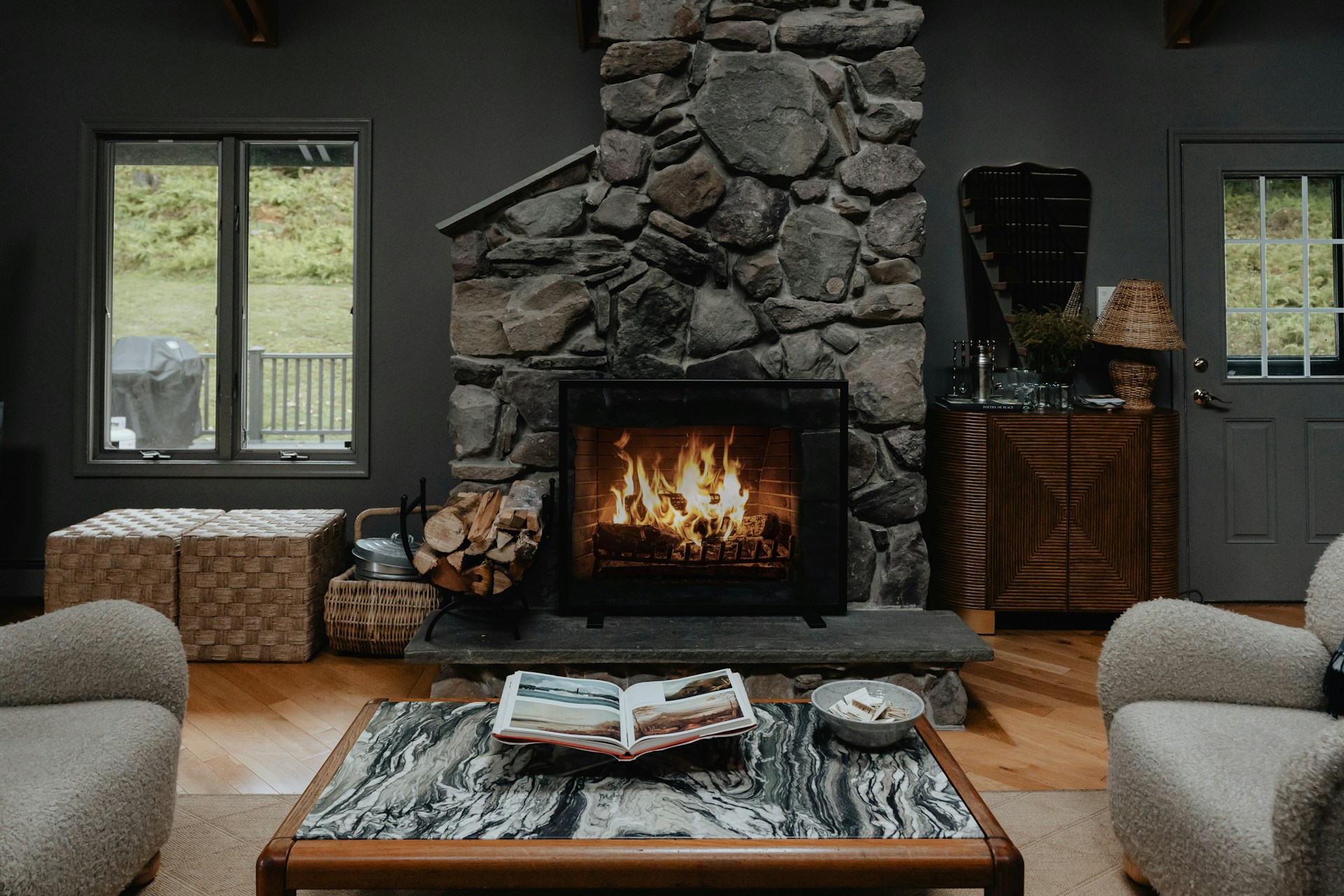
Install a thin brick or stone veneer on a fireplace surround for a warm, memorable focal point. Thin brick keeps weight down but keeps the original surface wear and color variety.
Pick fixtures that highlight imperfections—drawer pulls set into a reclaimed-beam console, or a sink base made from old cabinetry. These details create contrast with new finishes and tell a story through touch and close-up views.
If you’re working with New Orleans Brick & Stone, ask for pieces that match your project’s era and color palette to keep things cohesive.
Walls And Flooring
Reclaimed brick is great for interior accent walls and exterior facades if you want visible history. Bricks with faded stamps, flared edges, and leftover mortar give a depth you just don’t get from new stuff. Lay them in running bond for a classic look, or try herringbone for something custom.
For flooring, reclaimed brick pavers and reclaimed heart pine offer durability and a lived-in surface that gets better with age. Expect some thickness and wear variation; plan for extra leveling and sealing when you install.
Set up a layout sample and a small mock-up area to see how color and texture play with your light before you go all in.
Celebrating The Stories In Reclaimed Materials
Reclaimed materials have real stories behind them—places, people, craft. They tie your project to actual buildings, makers, and moments in time.
Community Connections
Choosing reclaimed brick or stone keeps parts of your town’s past alive. Maybe that wall came from an old schoolhouse or a nearby factory. That kind of history gives neighbors something to talk about and a reason to feel proud.
You can track provenance with photos, location notes, or paperwork from the salvager. Plaques or a quick write-up near the finished work let visitors know where it all came from. It’s a small public archive, and it helps local craftsmen and salvage crews get the recognition they deserve.
Inspiring Future Creativity
Old materials bring in texture, color, and just enough irregularity to spark new ideas. Maybe you’ll pair worn red bricks with modern steel for contrast, or use flagstone in a wild, one-off pathway. These decisions push you past the usual, cookie-cutter palettes.
Leftover pieces? Use them for custom accents—hearth surrounds, garden edging, or even art. Mixing old with new lets you build spaces that feel lived-in and personal. If you work with someone like New Orleans Brick & Stone, you’ll get hand-picked heritage materials, ready to go.
Reclaimed materials don’t just fill a space—they enrich it. They carry stories, hold memory in their surfaces, and bring authenticity that no factory finish can match. When you design with reclaimed brick, stone, or timber, you’re building with pieces that have already lived a lifetime and are ready to begin another. That connection between past and present is what gives a space real depth and character.
If you want heritage materials that are genuinely reclaimed, carefully prepared, and ready to install without delays, New Orleans Brick & Stone is here to help. Our hand-selected inventory, verified provenance, and fast nationwide shipping make it easy to bring meaningful history into your next project.
Tell a richer story - start your project with materials that already have one.
Frequently Asked Questions
Here’s how reclaimed materials carry history—through texture, marks, and original use. You’ll find concrete techniques, honest examples, and ways to use aged brick, stone, and objects to give rooms and artworks a story.
What techniques do designers use to highlight the history in reclaimed materials?
Designers leave original mortar lines, chip marks, and tool scars visible—they want you to see the past. They’ll put old bricks next to simple new materials, so the reclaimed stuff stands out.
Lighting at a low angle brings out surface texture and patina. Designers put reclaimed items where people notice—by a fireplace, at the entry, or on a bar face—so the history becomes part of daily life.
Can you share some successful examples of storytelling through repurposed items in architecture?
A kitchen island wrapped in century-old brick keeps the memory of a demolished warehouse alive. Salvaged windows used as interior dividers keep original glass imperfections and frame profiles for an authentic look.
A hotel lobby built from reclaimed flagstone and stair treads can reference regional industry and craft. New Orleans Brick & Stone often supplies materials that let architects recreate period details while meeting modern codes.
In what ways do reclaimed objects add unique value to modern interior design?
Reclaimed pieces give you texture and depth you just can’t get from new stuff. Rooms get a layered look, hinting at a timeline of use and life.
You also get durability—century-old brick and stone have already proven their strength. Buyers and guests pick up on that history as character, which can boost emotional and resale value.
How does incorporating ancient artifacts into new artworks affect the narrative of a piece?
Add an artifact and suddenly the artwork feels grounded. The object brings its own backstory, which changes how people see the piece.
Artists might put the artifact front and center or break it up across the work to hint at continuity or rupture. That clash between old and new highlights shifts in time and technique.
What role does the origin of reclaimed materials play in the story they convey?
Origin gives you specifics—a pier plank tells a maritime story; a factory brick hints at industrial labor. Knowing the place and age lets you tell true, compelling stories in a space.
Provenance changes value, too. Materials from well-documented buildings just feel more authentic, and they let you connect design choices to real local or architectural history.
How might the patina of aged materials contribute to the storytelling in a renovated space?
Patina tells stories—weather, years of use, quick fixes. Scuffs, faded colors, and those worn-down edges? They all quietly mark the passage of time.
If you clean gently instead of scrubbing everything back to perfection, you’re really showing some respect for the object’s history. It gives the place a sense of honesty, like people have actually lived there.