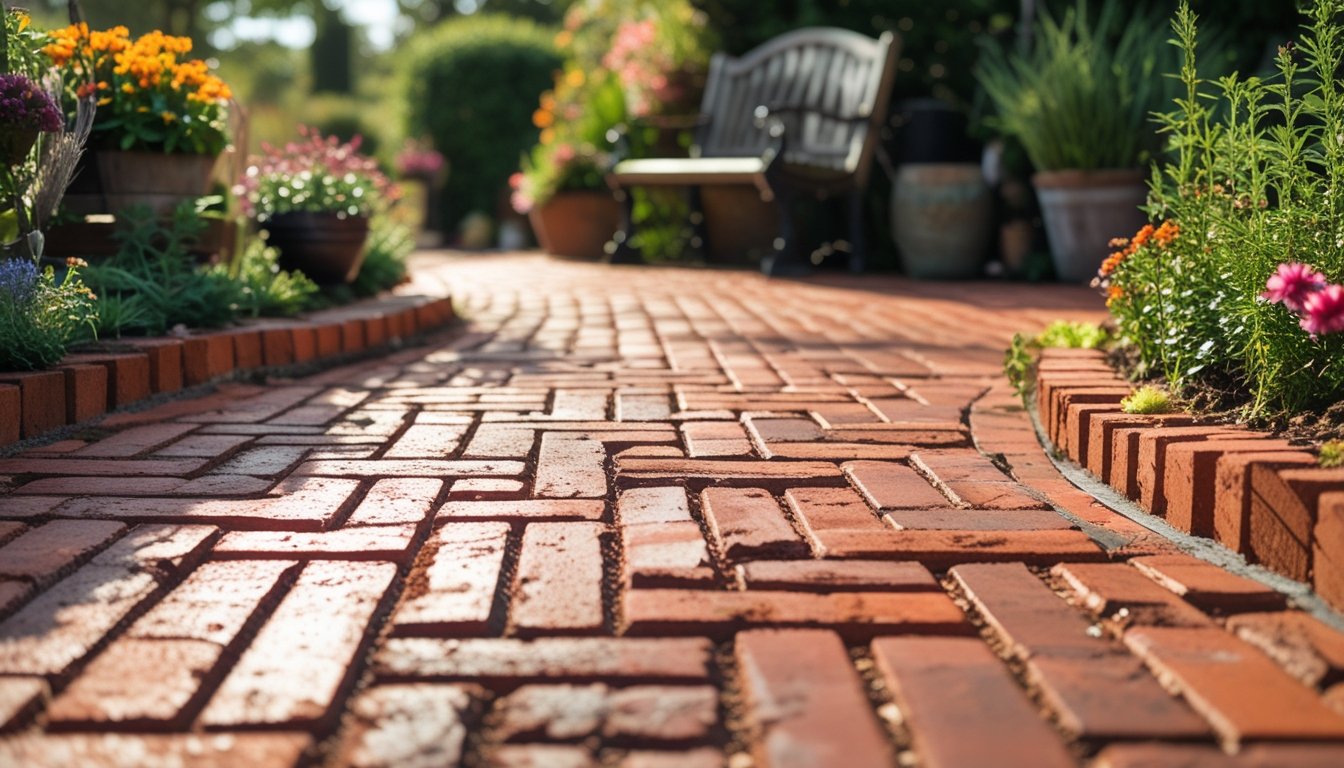
Reclaimed red brick paving brings a warm, time-worn character that instantly enriches any outdoor space. Each brick carries the marks of decades past, offering texture, depth, and a sense of lived history that new materials rarely match.
For homeowners, architects, and builders seeking genuine materials, New Orleans Brick & Stone offers reclaimed brick with provenance and enduring strength. These bricks reflect generations of craftsmanship, offering both visual richness and long-term performance.
In this guide, you’ll learn how reclaimed red brick paving works, why it stands apart from modern alternatives, and how to design, prepare, and maintain outdoor spaces using authentic reclaimed materials.
Key Takeaways
- Reclaimed red bricks offer lasting beauty and strength.
- Each brick brings authentic character and historical value.
- Prompt access to quality materials supports timely project completion.
What Is Reclaimed Red Brick Paving?
Reclaimed red brick paving offers a rich history, distinct features, and unique appeal compared to new bricks. Understanding its origin, texture, and differences helps you appreciate why it stands out for your project.
Definition and History
Reclaimed red brick paving uses bricks salvaged from old buildings, roads, or industrial sites. These bricks are typically over 100 years old, bearing the marks of time that give them character and authenticity.
Early American and European builders repurposed materials out of necessity, and today, reclaiming bricks supports sustainable building by reducing waste and preserving architectural heritage.
Key Characteristics
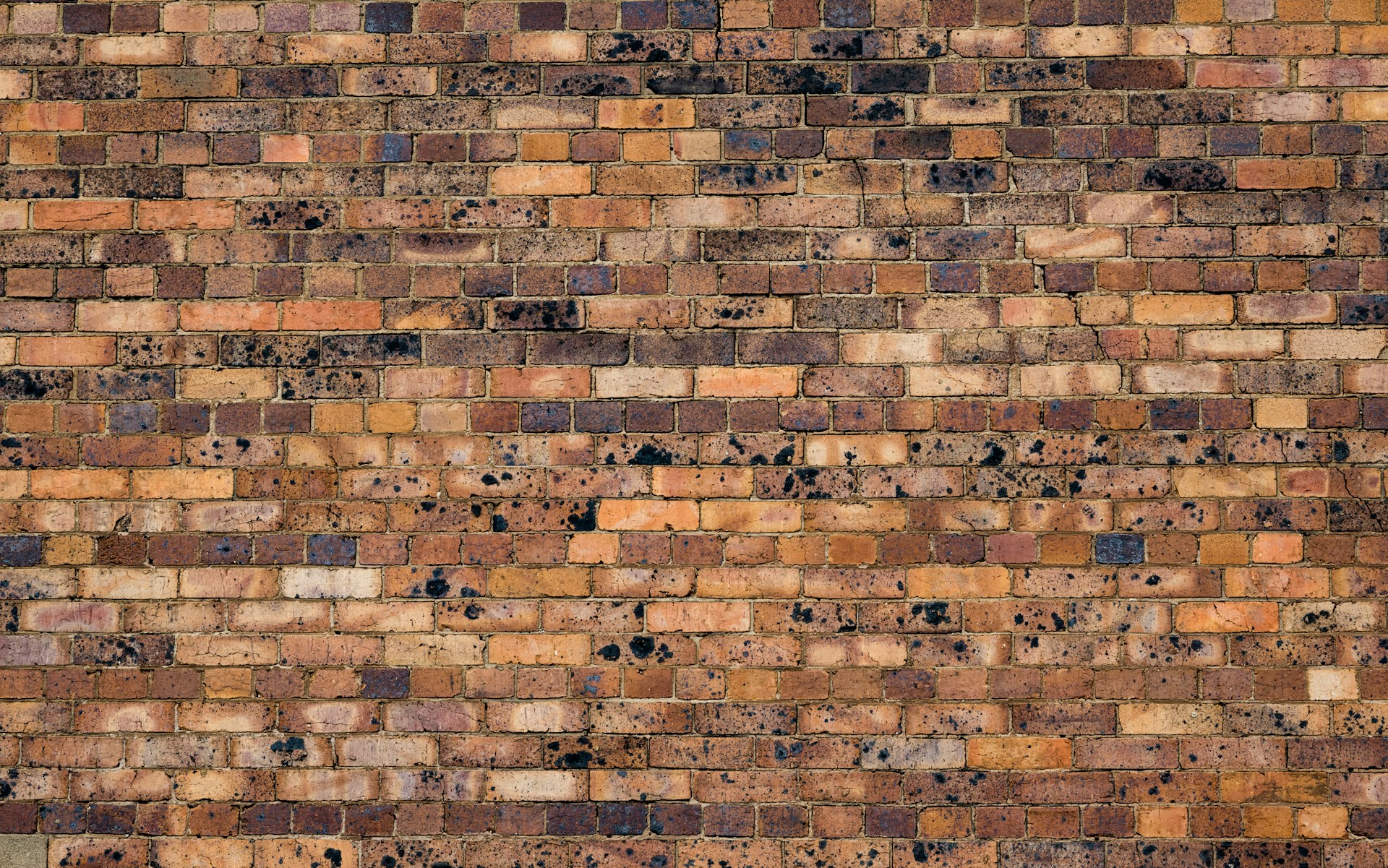
Reclaimed red bricks show signs of age, like weathering, color variations, and natural wear. This patina creates a textured, warm surface not found in new bricks. Their size can vary slightly due to old manufacturing methods, adding uniqueness to your paving.
These bricks offer lasting durability. Having endured decades or centuries, they withstand harsh weather and heavy foot traffic effectively.
When installed, reclaimed bricks give a timeless look and tactile feel that enhances outdoor spaces with a lived-in charm. This rugged beauty appeals to homeowners and architects seeking authentic materials.
How It Differs from New Brick Paving
Unlike new bricks, reclaimed bricks come from historic sites, carrying individual stories and varied hues. New bricks are uniform in size and color, resulting in a more modern and consistent appearance.
New bricks lack the surface texture and imperfections that add character to reclaimed paving. Manufacturing new bricks requires energy, while reclaimed bricks embrace sustainability by reusing already-fired materials.
Working with reclaimed bricks means handling varied sizes and textures, but you gain authenticity and historical connection.
Why Authentic Surface Patina Matters
The natural patina on reclaimed red brick forms slowly over decades as weather, minerals, and wear shape each surface. This aged finish offers depth and variation that manufactured antiquing techniques simply cannot reproduce. Its irregularity creates visual movement and enriches the surrounding landscaping features.
According to the National Park Service, historic masonry surfaces gain unique performance advantages as the outer layer hardens and stabilizes over time. This long-formed patina not only offers beauty but also improves durability in outdoor environments.
Designers often highlight that patina enhances scale and proportion in outdoor spaces. The varied tones catch sunlight differently throughout the day, creating subtle shifts that bring warmth and life to your paving.
Benefits of Using Reclaimed Red Brick
Reclaimed red brick adds unique beauty, reduces environmental impact, and ensures long-lasting durability. These bricks offer character unavailable from new materials, support sustainable building, and stand strong through time.
Aesthetic Appeal
Reclaimed red bricks bring an authentic character that new bricks cannot offer. Each piece carries patina and texture developed over a century or more, with natural variations in color and wear. This makes your paving look historic and uniquely beautiful.
The subtle imperfections and weathering provide a warm, lived-in feel that enhances the charm of gardens, patios, or walkways. Expect a rich palette of reds, browns, and oranges that create depth and visual interest, giving your space a timeless quality.
Environmental Impact
Reclaimed bricks reduce waste and the demand for new manufacturing, which consumes significant energy and resources. By reusing century-old materials, you help keep historic products out of landfills and limit the environmental footprint of new production.
Reclaimed bricks support circular economy principles. Your choice helps preserve heritage while minimizing carbon emissions associated with firing new bricks.
Durability and Longevity
Skilled artisans made reclaimed red bricks and fired them at high temperatures, giving them exceptional strength that lasts. Many are salvaged from buildings that have stood for over 100 years, proving their ability to withstand weather and heavy use.
Their density and composition help resist cracking, chipping, and erosion better than many new bricks. This durability means your paved surfaces stay solid and beautiful with minimal maintenance over decades.
Design Ideas for Reclaimed Red Brick Paving
Reclaimed red brick paving creates both timeless and fresh looks in your outdoor spaces. You can emphasize traditional craftsmanship, embrace modern patterns, or mix brick with other materials to enhance texture and color.
Traditional Patterns
Classic patterns like herringbone, basketweave, or running bond give a traditional feel. Herringbone adds dynamic movement by laying bricks at 45 or 90 degrees. Basketweave creates a grid effect, ideal for small patios or walkways with vintage charm.
Running bond, the overlapping brick pattern seen in classic walls, offers simplicity and timeless elegance. These patterns reflect heritage and craftsmanship, making them ideal for period homes or garden paths where history and character matter.
Contemporary Styles
For a modern touch, combine reclaimed red bricks with sleek geometric layouts. Straight rows with varied spacing or offset placements add subtle interest. Try larger-format designs like running bond broken by bold accents using stack bond patterns.
Minimalist designs focus on clean, linear arrangements with uniform mortar joints. Experiment with unexpected brick orientations for a fresh yet authentic look. Contemporary styles let you honor the material's history while creating a polished, up-to-date space.
Blending with Other Materials
Mixing reclaimed red brick with stone, slate, or wood adds dimension to your paving. Contrasting textures between rough brick and smooth stone create a layered, natural feel. This approach complements diverse landscaping elements.
Use bricks to outline patios or pathways, then fill interiors with flagstone or slate to highlight color differences. Combining narrow brick borders with larger centerpieces made of other materials lends visual interest.
Your paving will benefit from the rugged durability of brick alongside the versatility of companion materials.
Sourcing Reclaimed Red Brick
Finding reclaimed red brick involves more than just locating old supplies. You want bricks that carry historic character, guarantee durability, and arrive ready for your project with reliable timing. Knowing where to search, what signs indicate quality, and how to verify the brick’s authenticity helps your paving look great for years.
Where to Find Quality Bricks
Seek sources specializing in reclaimed materials from century-old buildings. These bricks have natural weathering and a rich texture you won’t find in new bricks. Family-driven suppliers, salvage yards, and restoration specialists often handle old building materials carefully.
Prioritize vendors who offer immediate availability and direct communication rather than large distributors with long delays.
What to Look For
Look for bricks with consistent color variation, intact edges, and a robust surface texture that shows age without crumbling. Bricks should feel solid without excess powder or flaking, indicating strength and durability.
Avoid bricks with heavy mortar remnants or significant cracking that could reduce longevity. Selecting bricks with a natural patina confirms they were exposed to decades of weather, adding historic charm. Ask if the bricks have been cleaned or tested for usability.
Verifying Authenticity
Authentic reclaimed brick comes from historical buildings, not new bricks made to look old. To verify, request documentation or provenance proving the bricks’ origin. Trusted suppliers can share details about the building sources and age.
Inspect bricks closely for uneven aging, small imperfections, and varied sizing, all signs of genuine reclaimed material. Authentic bricks will not have uniformity like new bricks pressed to exact standards. Direct contact with experts ensures your bricks hold true to their heritage and quality.
Preparation and Planning
Before starting your reclaimed red brick paving project, evaluate your site, estimate costs, and understand any necessary permits. Proper preparation saves you time and ensures your project reflects the authentic, lasting character that reclaimed brick offers.
Assessing Your Space
Measure the area you plan to pave. Consider the shape, slope, and soil type, as these factors impact drainage and foundation work. Look for obstacles like trees, utility lines, or uneven ground that may need adjustment.
Evaluate sunlight exposure and wear patterns if your paving will experience heavy foot or vehicle traffic. Proper site assessment helps you determine the amount of material required and guides your choice of installation technique.
Project Budgeting
Estimate costs by factoring in materials, labor, site preparation, and delivery. Reclaimed bricks carry a premium for their quality and history, but they offer durability and a unique look you won’t find with new bricks.
Request detailed quotes, including shipping details and onsite preparation costs such as excavation or base layers. Include a contingency of 10-15% for unexpected expenses to keep your project on track and your budget covers all essentials.
Permitting and Regulations
Check local building codes for any permits required before you begin paving. Regulations vary depending on your municipality, so contact your city or county building department early.
Permits may affect the project timeline and cost. Some locations require drainage plans or materials inspections. Meeting these requirements upfront prevents fines or delays.
If you’re working with reclaimed materials, clarify if they have any special restrictions or need documentation about their origins. This can simplify the approval process and keep your project compliant.
Installation Process
Prepare your site thoroughly, carefully lay reclaimed bricks, and add finishing touches to ensure a durable, authentic red brick paving. Each step requires attention to detail, from creating a stable base to setting the bricks evenly and sealing the surface.
Site Preparation
Clear the area of debris, vegetation, and any existing pavement. Excavate to a depth of about 8 inches to allow room for a strong foundation.
Lay down a geotextile fabric to prevent weed growth and soil mixing. Add a 4-inch layer of crushed stone or gravel, compacting it firmly with a plate compactor to create a stable base.
Spread 2 inches of coarse sand or stone dust on top. Level and compact this layer to provide a smooth bedding for your reclaimed bricks. Ensure a slight slope away from buildings for proper drainage and to avoid water pooling.
Laying the Bricks
Begin placing your reclaimed red bricks carefully, keeping spacing and alignment consistent. Dry lay a small section first to adjust the pattern and fit.
Use a rubber mallet to gently tap bricks into place so they sit flush and level. Trim bricks near edges with a masonry saw for clean cuts when needed.
Check the pattern regularly to keep lines straight and tight. Patterns like herringbone or running bond highlight the bricks’ historic character.
Finishing Touches
After laying the bricks, sweep fine sand or polymeric sand into the joints. This locks the bricks in place and helps prevent weed growth.
Lightly water the sand to activate polymeric bonding if used, but avoid overwatering. Allow 24 hours for curing.
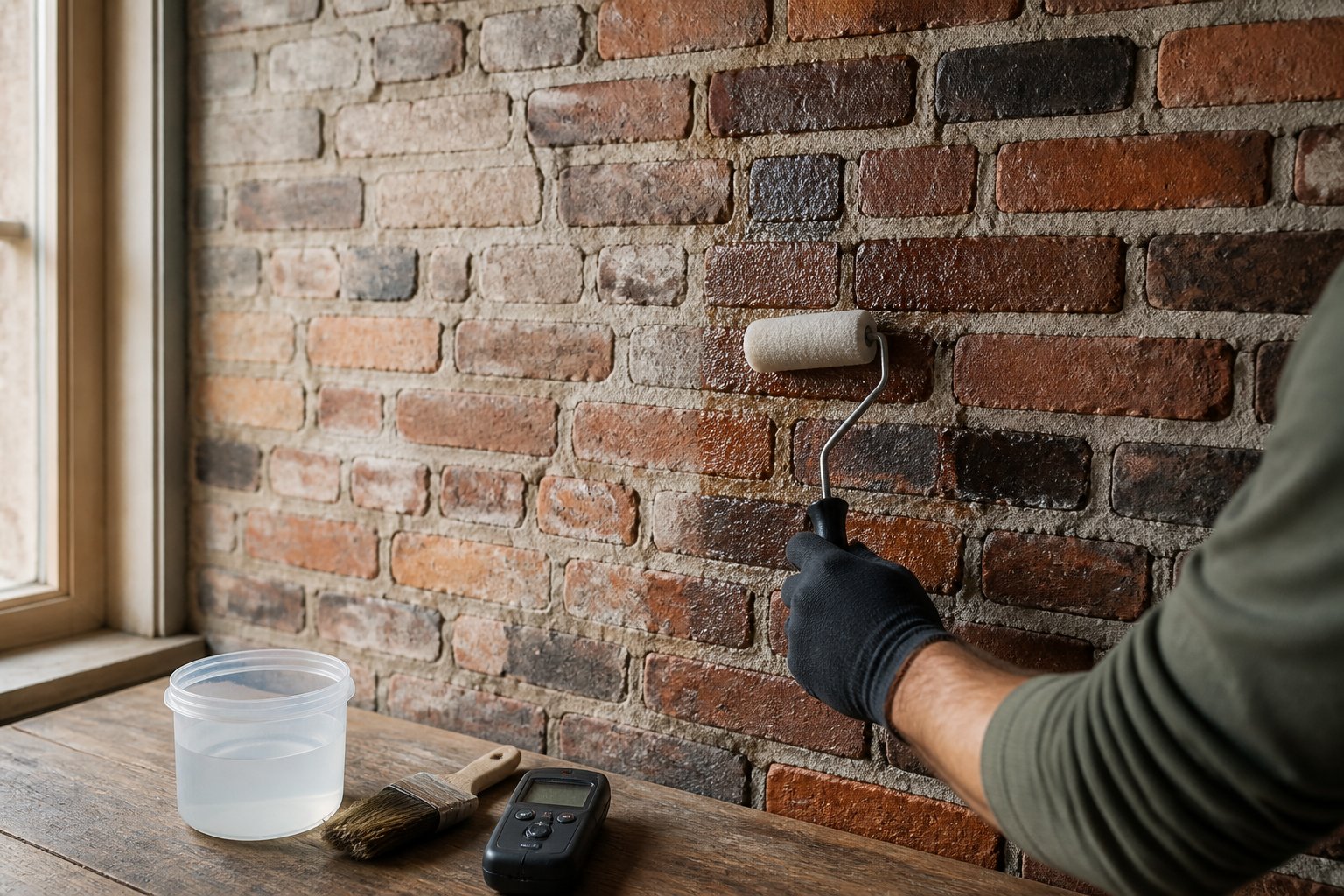
Consider applying a breathable sealer to enhance color and protect the bricks from staining while keeping their natural texture. This preserves the rich patina unique to reclaimed red brick.
Maintenance Tips
To keep your reclaimed red brick paving looking its best, clean regularly to avoid dirt buildup, manage weeds and moss between bricks, and protect the surface from harsh weather to maintain its durability and character.
Regular Cleaning
Sweep away leaves, dirt, and debris at least once a week using a stiff-bristle broom to avoid scratching the brick surface.
For deeper cleaning, mix warm water with mild detergent and scrub gently using a nylon brush. Avoid harsh chemicals or acidic cleaners, as they can damage the brick’s patina.
Rinse thoroughly with clean water and let the bricks dry naturally. If using a power washer, choose a low-pressure setting to protect mortar and brick surfaces.
Addressing Weeds and Moss
Weeds and moss often grow in the gaps between bricks, especially in shaded or damp spots. Remove them by hand or use a non-toxic, eco-friendly weed killer safe for historic materials.
Apply a diluted vinegar solution to persistent moss, let it sit for 10 minutes, then scrub gently and rinse with water.
Inspect regularly to catch growth early. Fill gaps with fresh sand or mortar to help block weed roots and keep bricks tightly set.
Protecting Against Weather
Reclaimed bricks are durable but still face freeze-thaw cycles, rain, and sun. Applying a breathable, penetrating sealant helps protect the bricks without trapping moisture.
Avoid non-breathable sealers, which can cause surface damage over time. Reapply sealant every few years, especially on surfaces exposed to heavy rain or freezing temperatures.
In areas with heavy winters, remove snow promptly with a plastic shovel and avoid salt or chemical ice melt products that can harm brick composition.
Challenges and Solutions
Working with reclaimed red brick paving brings unique challenges like matching colors, handling uneven shapes, and repairing old damage. Tackling these issues carefully helps preserve your project’s historic charm and durability.
Sourcing Consistent Colors
Finding reclaimed bricks with consistent color tones can be difficult. Bricks from different sources vary from deep reds to faded oranges, which may disrupt the visual flow.
Sort bricks by shade before installation to achieve a uniform look. Mixing bricks can balance strong reds with softer hues for a natural patina.
Order extra bricks to accommodate color variation during installation. Exact matches are rare with reclaimed materials, so allow for some tonal variety to give your paving an authentic character.
Dealing with Brick Irregularities
Reclaimed bricks often have uneven edges, chipped corners, or varying thicknesses. These irregularities can make paving uneven or challenging.
Use flexible mortar mixes to accommodate size differences. Skilled masons can angle bricks or fill small gaps with sand or grout to maintain a flat surface.
Sort bricks by size to create more even layers. While these quirks add historic charm, plan carefully to avoid tripping hazards and uneven wear.
Repairing Damage
Old bricks may show cracks, chips, or surface erosion. Many imperfect bricks can be repaired or used in less visible areas.
Fill small cracks with color-matched mortar or epoxy. Place chipped bricks where less visible, and use severely damaged ones for borders or fill areas rather than high-traffic zones.
Reclaimed bricks remain durable because they were quarried to last, so you can balance authenticity with functionality.
Cost Considerations
Understanding cost factors helps you budget more effectively for reclaimed red brick paving. Prices vary depending on the condition, age, and size of the bricks you choose.
Authentic reclaimed brick usually costs more than new bricks due to the labor involved in sourcing and preparing them. The character and durability you gain often outweigh these initial expenses.
Here’s a quick breakdown of cost elements:
- Material price per square foot: Generally higher for hand-selected, century-old bricks.
- Installation fees: May increase due to the irregular size and shape of reclaimed bricks.
- Preparation and cleaning: Reclamation requires careful testing and cleaning, which adds to costs.
Your project’s scale impacts the total cost. Larger areas require bulk ordering, which can lower per-unit prices but increase overall costs.
Using reclaimed brick adds timeless appeal and value to your space. When budgeting, balance upfront costs with the long-lasting beauty and heritage you create.
A Lasting Legacy Beneath Your Feet
Reclaimed red brick paving brings warmth, texture, and timeless character to outdoor spaces while offering durability shaped by a century of use. With thoughtful planning, proper installation, and seasonal care, these historic materials continue performing beautifully for decades to come.
By choosing authentic materials through New Orleans Brick & Stone, you ensure your project reflects true heritage rather than imitation. Every brick carries a story etched into its surface, adding depth and authenticity that elevates courtyards, walkways, and gathering spaces.
Bring history home with reclaimed red brick that enriches your outdoor spaces with beauty and authenticity. Request your reclaimed materials today and begin creating a space grounded in craftsmanship and legacy.
Frequently Asked Questions
Choosing reclaimed red brick paving involves thinking about durability, color variations, and the history behind each piece. Knowing the costs, sourcing options, and the visual impact can help you make informed decisions for your outdoor space.
What should I consider when choosing reclaimed red brick for paving?
Check for consistent quality and thickness to ensure even paving. The bricks should be free from excessive cracks or crumbling. Consider the vintage patina and color variation—it adds character but may affect matching.
How do I estimate the cost of my reclaimed red brick paving project?
Calculate the area you want to cover in square feet. Factor in the price per brick or square foot, plus delivery, labor, and preparation costs.
Where can I find quality reclaimed red bricks for paving in my area?
Look for reputable suppliers who specialize in authentic reclaimed materials.
How can reclaimed red brick paving enhance the look of my outdoor space?
Reclaimed red bricks bring warmth and texture that new materials often lack. Their historic charm creates a timeless, inviting atmosphere, blending well with both classic and contemporary designs.
What are the environmental benefits of using reclaimed red brick for paving?
Reusing bricks from old buildings reduces landfill waste and lowers demand for new production. This conserves natural resources and energy while preserving the craftsmanship of historic materials.
How do prices for reclaimed red brick paving compare with new paving materials?
Reclaimed bricks offer competitive pricing, especially when you factor in their durability and unique look. Although the upfront cost may be similar or a bit higher, their lasting value and character often make them a better choice than new, uniform options.