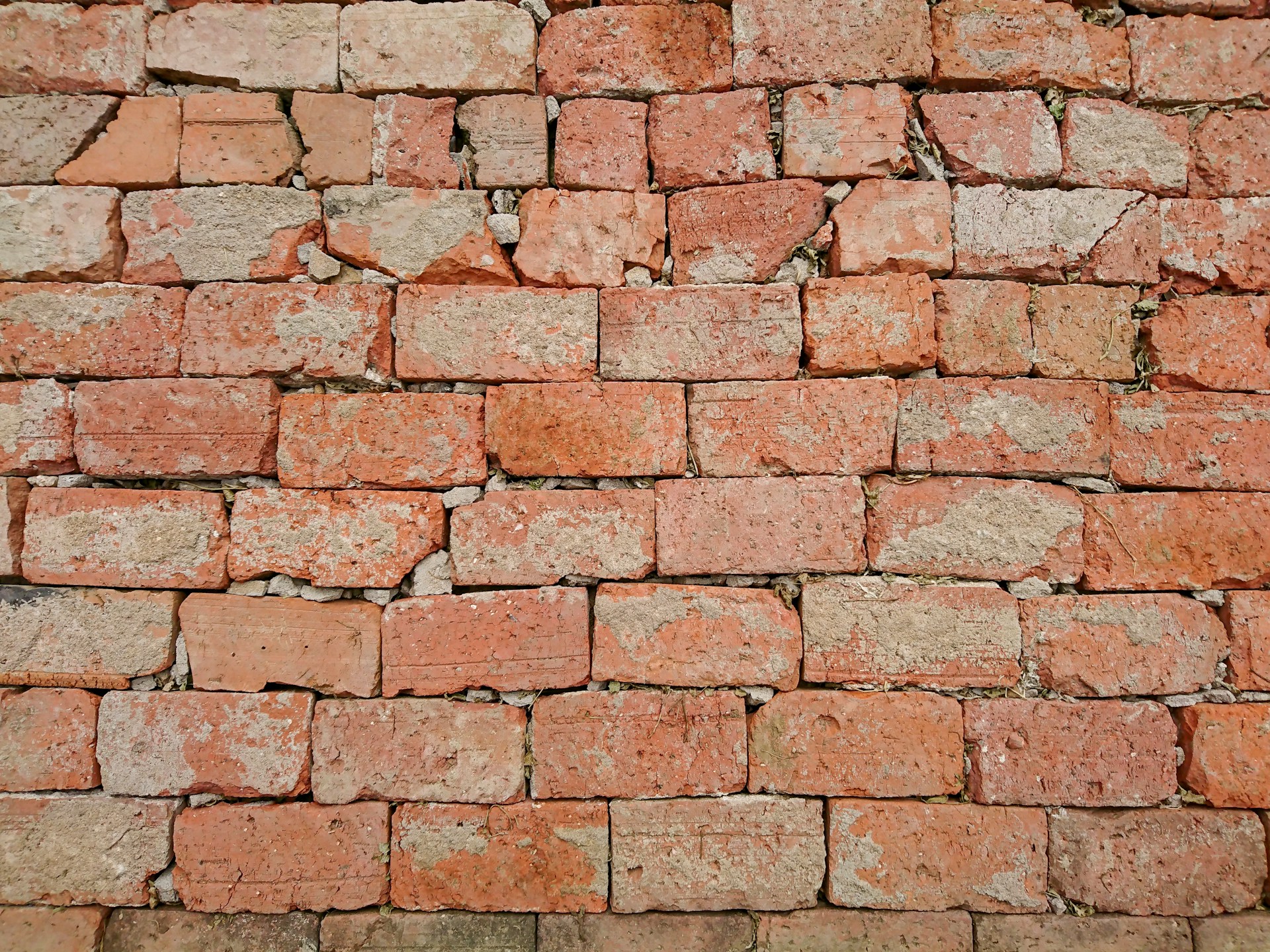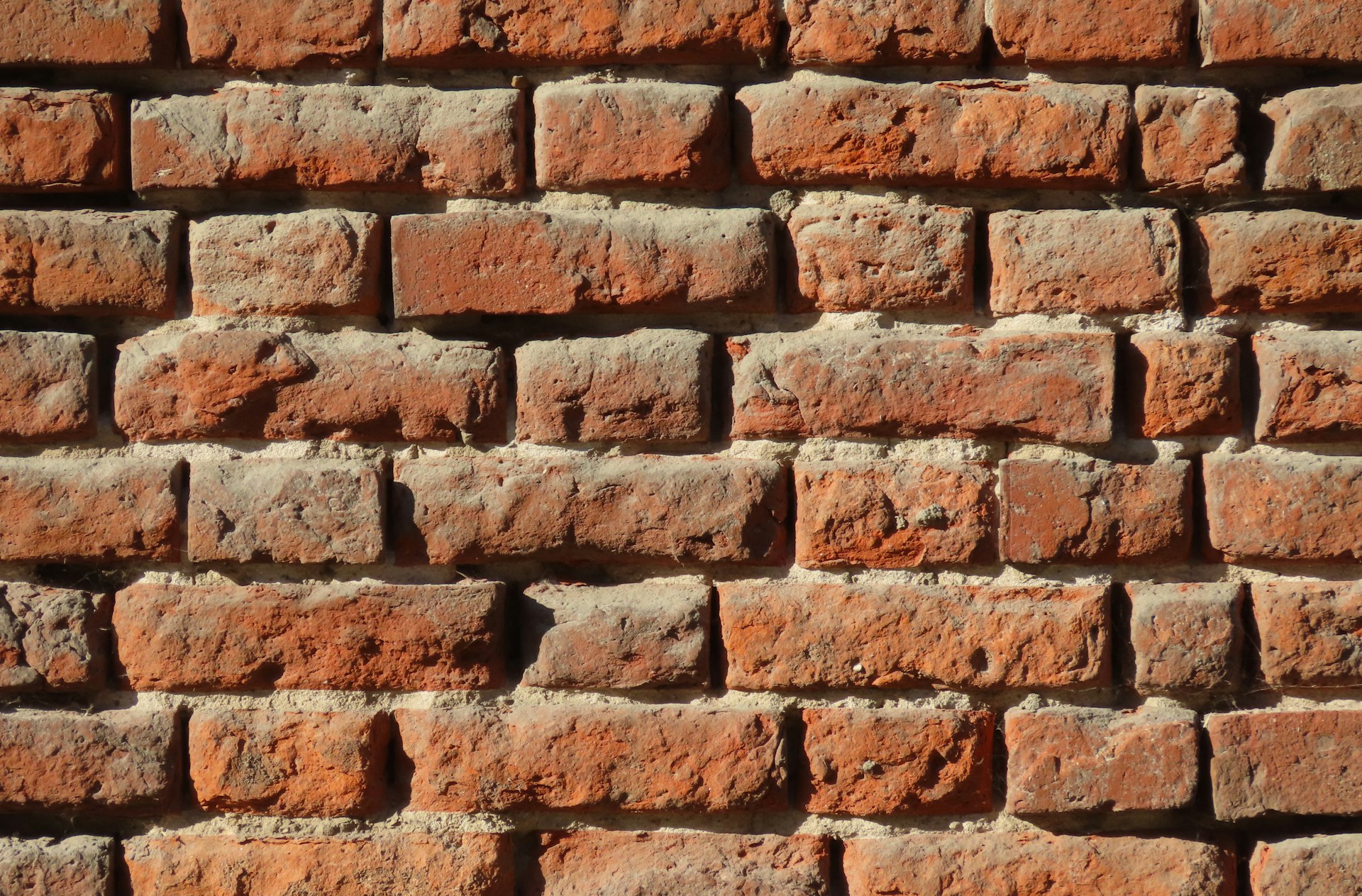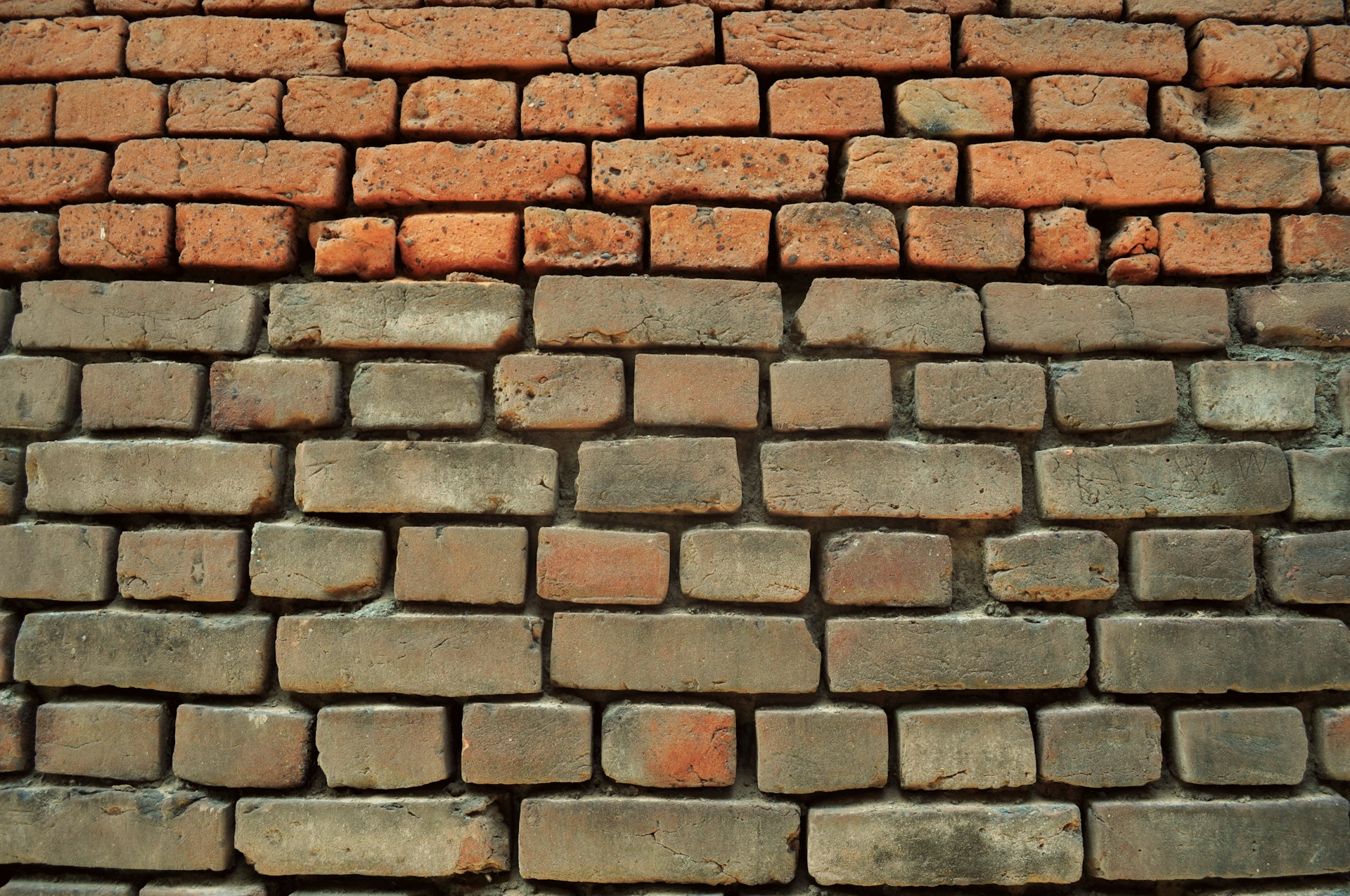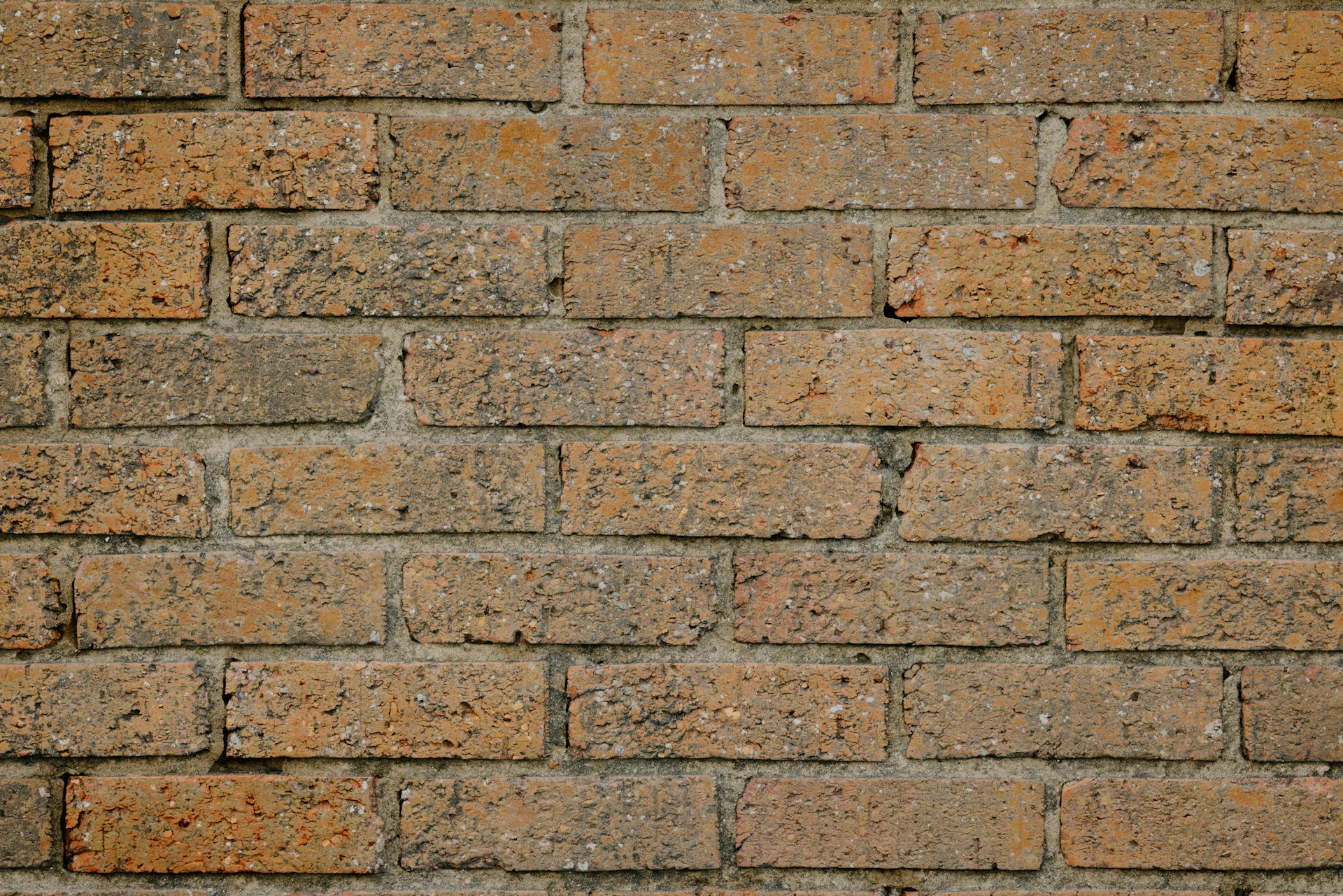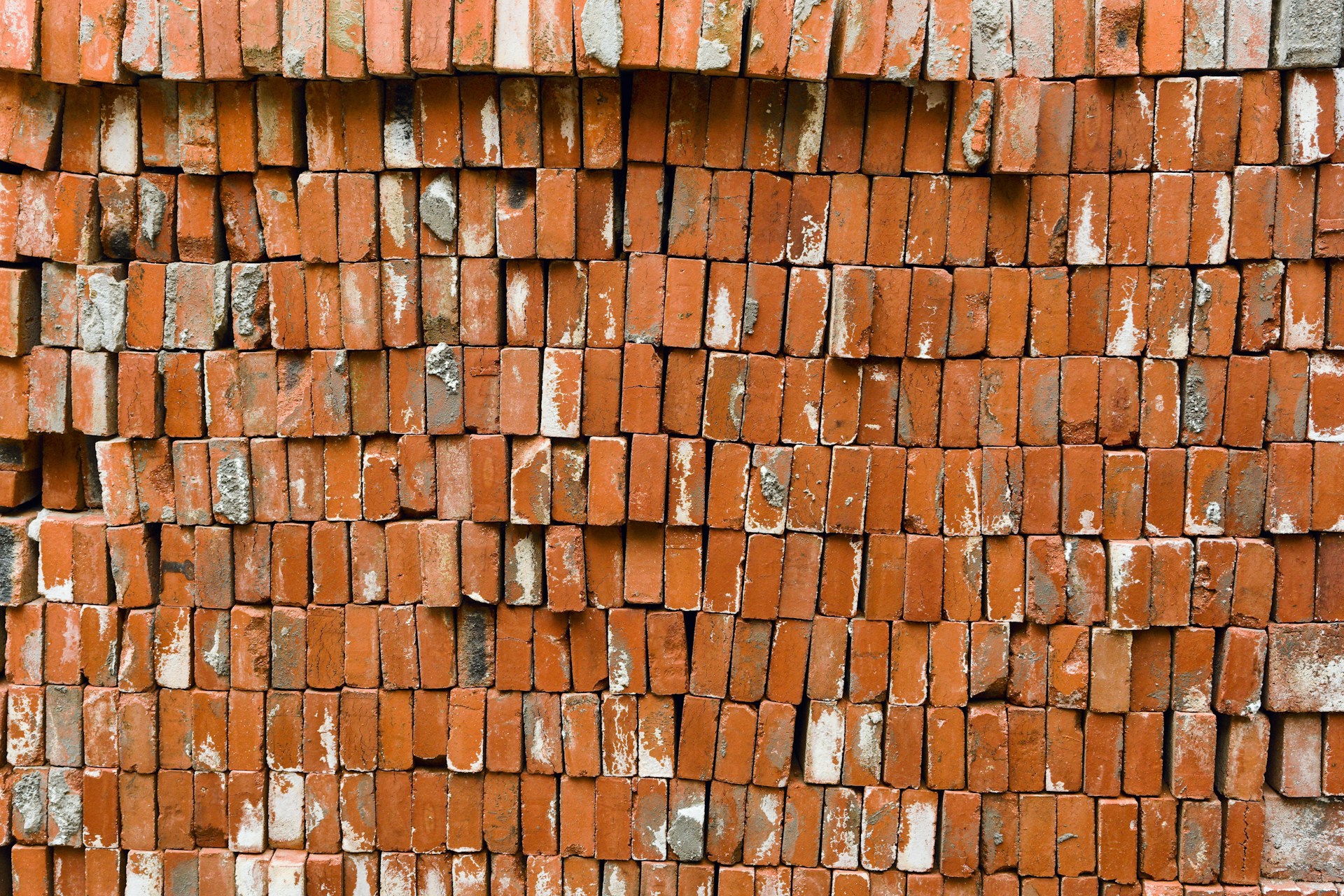
Reclaimed brick prices can vary widely, but most homeowners and builders can expect a practical cost of $2.00 per brick for common salvaged pieces, with rare, special, or stamped antique bricks costing more. Understanding these price ranges upfront helps you plan a realistic budget before you start calling yards, browsing online listings, or comparing suppliers.
In the sections ahead, you will learn how brick type, condition, rarity, and freight influence cost, plus the best places to source reclaimed brick without overpaying. You will also see how preparation, grading, and installation affect the total project price so you can avoid surprises. And if you want consistent, high quality reclaimed brick without the guesswork, our team at New Orleans Brick & Stone can help you compare options and ship reliable inventory fast when your schedule calls for it.
Reclaimed Brick Prices
Several factors influence reclaimed brick prices: the source of the bricks, the amount of preparation required, and the distance they must travel to your site. Prices shift with condition, quantity, and whether the bricks are rare antique or common salvaged stock.
What Affects Reclaimed Brick Costs?
The origin and age of the bricks matter. Antique bricks from historic buildings or well-known sites usually cost more because they offer unique color, texture, and provenance. Stamped or specially shaped bricks add value.
Condition plays a key role. Vintage bricks with minimal chips or cracks need less cleaning, so they cost less per usable piece. Bricks requiring heavy mortar removal or repairs increase your bill.
Quantity and preparation also matter. Buying in bulk typically lowers the price per brick. Processing fees for cutting, creating veneers, or pressure-washing appear as separate charges. Labor rates for hand-sorting and testing strength or absorption also affect the total.
Shipping and handling add weight-based costs, and special packing for fragile salvaged brick increases fees. If you plan to store bricks on-site, unloading requirements or pallet returns can impact the final cost.
Price Comparison: Reclaimed vs. New Bricks
You’ll often pay more per unit for reclaimed bricks than for basic new bricks. Standard reclaimed bricks commonly fall in a range near $1–$3 each, while plain new bricks can be under $1 depending on type and region.
However, reclaimed brick can save you in other ways. You avoid manufacturing embodied carbon and may need less finishing work for a historic look. Rare antique or specialty vintage bricks can cost $10–$30 each, reflecting scarcity and high demand.
Consider total project cost, not just material price. Reclaimed bricks may require more labor time for sorting and fitting, which raises installation costs. Mixing new and salvaged brick can balance budget with authentic appearance.
Types of Reclaimed Bricks and Their Pricing
Reclaimed bricks vary by age, size, and use, and those differences drive price. Some pieces are full-size antique bricks worth more for restoration, while others are thin veneers or pavers sold by the pallet or ton.
Antique and Vintage Bricks
Antique and vintage bricks come from old buildings and often show wear, stamps, or maker marks. Prices range widely: expect $30–$200 per brick for rare, branded, or highly weathered pieces used in restoration. More common vintage bricks often sell for $0.50–$5 each when bought in bulk.
Check size and condition. Full-size antique bricks (about 8" × 4") that retain molded edges, date stamps, or unique colors fetch higher prices. Look for firms that sort by grade: A (clean, intact), B (minor chips), and C (heavily worn). Shipping and cleaning add to cost.
If provenance matters for your project, branded or reclaimed bricks from notable structures can reach $200–$800 per brick in niche markets. For most interior or garden work, reclaimed antique bricks from general salvage yards are more affordable.
Brick Pavers and Cobblestones
Brick pavers and granite cobblestones differ in material and price. Reclaimed brick pavers typically sell by the pallet. Expect $3–$12 per reclaimed brick paver when bought in larger quantities; prices drop further for mixed-condition batches. Granite cobblestones cost more, often $25–$80 per stone depending on size.
Factor in labor and grading. Pavers with consistent thickness and good faces reduce installation time and waste. Cobblestones require more effort to set but provide historic paving looks and last longer, which affects their value.
For driveways or patios, buy extra (5–15%) for cuts and breakage. If you need uniform color or tight tolerances, reclaimed brick pavers graded as “select” will cost more than loose, mixed pallets.
Thin Brick and Brick Veneer
Thin brick and brick veneer are sliced or manufactured from reclaimed stock for easy installation. They cost less than full bricks by piece and are priced by square foot. Expect $3–$12 per sq ft for reclaimed thin brick or veneer, depending on finish and backing.
Choose veneer when weight or budget limits prevent full brick. Thin brick installs faster and uses standard drywall or adhesive methods. Check thickness and backing type—some reclaimed thin bricks have mortar-adhered backs, which speeds installation but can increase price.
For interior accent walls or lightweight facades, reclaimed thin brick gives the look of antique or vintage bricks at a lower cost and with less structural work.
Popular Reclaimed Brick Products
Reclaimed bricks come in many styles and uses, from worn street bricks to smooth fireplace faces. You’ll see them used for durable paths, textured walls, and signature architectural elements that match period details.
Chicago Common Brick
Chicago common brick is dense, heavy, and full of warm, weathered tones you can’t easily match with new brick. Salvaged from old city buildings, its irregular edges and slight color shifts give walls a lived-in look.
Use these bricks for exterior facades or interior feature walls where you want authentic industrial or vintage character. They handle freeze-thaw cycles well, so they suit Midwest climates. Expect to pay more per brick for sorted, cleaned stock and for matching batches if you need consistent color across a large surface.
Garden and Landscape Uses
Reclaimed bricks work well for patios, walkways, and raised beds because they are sturdy and slip-resistant. Lay them in herringbone, running bond, or circular patterns to create visual interest in outdoor areas.
They age gracefully in soil and under foot traffic. For paths and driveways, choose thicker pavers or cobbles; for edging and planters, thinner face bricks work fine. You’ll save on landfill waste and get a unique finish that ties a garden to historic surroundings.
Fireplaces and Columns
Reclaimed brick gives fireplaces a warm, authentic hearth that blends with wood or stone mantels. Use cleaned, heat-rated bricks for the firebox face and reclaimed brick with intact faces for the surround. Select mortar that matches the period look and bonds well to older brick surfaces.
For columns, choose solid, load-bearing reclaimed bricks or use a structural core with a reclaimed-brick veneer. Columns show their age prominently, so inspect bricks for cracks or damage before building. Proper cleaning and repointing make your finished fireplace or column both safe and visually striking.
Where to Buy Reclaimed Bricks and Inventory Considerations
The most reliable place to buy reclaimed brick is directly from our team at New Orleans Brick & Stone. We maintain meaningful inventory on hand, keep materials carefully sorted and tested, and ship nationwide within 48 hours so your schedule never stalls. When you source through us, you skip the uncertainty of mixed pallets, inconsistent quality, or long hunts through salvage yards and online listings. You know exactly what you are getting before it ever arrives on your jobsite.
Working With New Orleans Brick & Stone
When you reach out, you speak with someone who knows reclaimed materials inside and out. We send detailed photos, brick dimensions, and close-up views of patina and texture so you can match your project with confidence. Our team hand-sorts reclaimed brick by color range, condition, and type, including face brick, pavers, and full-depth reclaimed units. Every pallet is prepared for clean installation, with old mortar removed and pieces stacked securely for transport.
If you need samples, we provide small batches or individual bricks so you can test color, texture, and mortar compatibility before you place a full order. We work closely with builders, architects, and homeowners to help them compare lots, verify sizing, and choose materials that suit both aesthetic goals and performance requirements.
Buying in Bulk or by Pallet
Most customers buy by the pallet because it offers the best blend of value, consistency, and speed. We can tell you exactly how many bricks are in each pallet, the weight, and how many square feet you can expect to cover. If your project requires truckload quantities, we pack and ship in a way that protects every pallet and keeps unloading simple. Our team helps you estimate waste allowance, typically 5 to 10 percent, so you order enough material without overspending.
Because everything is already in stock, we can ship quickly and without the uncertainty that comes from buying scattered salvage lots. Pricing stays clear and predictable, and you avoid delays from incomplete or mismatched loads.
Inventory Quality and Assurance
Quality is central to how we operate. Each reclaimed brick is inspected for structural soundness, appropriate density, and usable faces. We remove any heavily damaged or unstable units so you receive material that installs cleanly and performs well. You can request detailed counts, condition notes, and pallet photos before shipping, and we document every load so you know exactly what is coming your way.
When your pallets arrive, you can expect them to match the samples and images we provided. And if something is not right, we take responsibility and make it right. That level of accountability is one of the reasons builders and architects rely on us for consistent reclaimed material they can trust.
Reclaimed brick prices can vary, but the right partner makes the entire process clearer, faster, and far more reliable. With the right guidance, you can choose materials that fit your budget, reflect your project’s history, and arrive ready to install without surprises. If you want authentic reclaimed brick, consistent grading, and shipping you can count on, our team at New Orleans Brick & Stone is here to help you find the right match and move your project forward with confidence. Reach out anytime and let us help you build something lasting.
Frequently Asked Questions
You’ll find typical per-brick rates, pallet and 1,000-brick estimates, sourcing options for veneer, likely local buyers, where to check for free salvage, and current market values. Prices vary by grade, age, condition, and shipping distance.
What's the going rate for one reclaimed brick?
A single reclaimed brick often sells for $0.50 to $3.00. Face-grade, decorative, or rare maker-stamped bricks sit at the higher end.
Condition matters. Clean, A-grade bricks cost more than tumbled or mortar-covered pieces.
Can you give me an idea of how much 1000 reclaimed bricks might cost?
Expect $500 to $3,000 for 1,000 reclaimed bricks, depending on quality and rarity. Bulk discounts often apply, so the per-brick cost drops as quantity increases.
Factor in trucking and handling fees for delivery. Local availability can reduce shipping costs significantly.
Where can I find reclaimed brick veneer for my project?
Check reclaimed brick suppliers, salvage yards, and specialty masonry dealers. Some companies offer veneer-cut reclaimed faces or thin-face reclaimed brick for easier installation.
Online marketplaces and local restoration contractors also list veneer in various grades. Ask sellers about thickness, backing, and suitability for your wall type. Historic restoration projects often use these materials.
Who might be interested in buying used bricks in my area?
Local landscapers, historic restoration contractors, home remodelers, and DIY homeowners often buy used bricks. Salvage shops and resale businesses also purchase or trade used stock.
Contact local masonry groups or community forums to find buyers and gauge demand in your neighborhood.
Are there places offering free used bricks near me?
Demolition sites, construction waste exchanges, and community reuse centers sometimes give away bricks. Check local “free” listings, building deconstruction programs, and municipal salvage initiatives.
Always confirm the brick condition and whether removal is allowed before taking material.
What's the estimated value of old bricks in today's market?
Most common reclaimed bricks range from $0.50 to $3.00 each, while rare or historic maker-stamped bricks can exceed $5.00 apiece. Pallet pricing usually starts around the low hundreds and increases with grade and scarcity.
Local demand, transportation costs, and quantity needed influence market value.