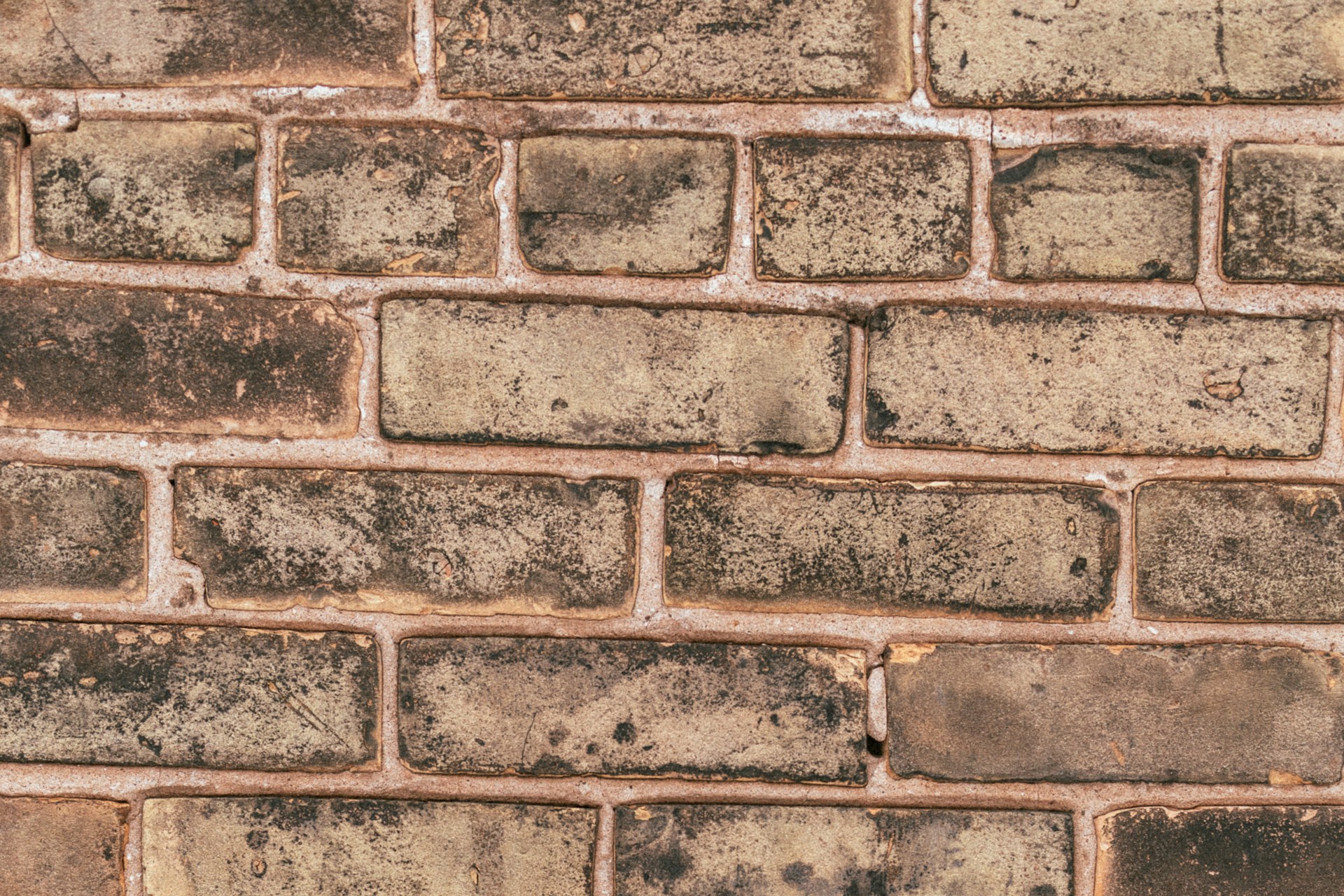
Heritage brick adds character that new materials can’t reproduce. Each reclaimed brick carries history in its texture, color, and wear. Builders and homeowners choose it to bring warmth, depth, and authenticity to projects of every style.
At New Orleans Brick & Stone, every reclaimed brick is carefully selected from century-old structures. The company’s team ensures each piece reflects true craftsmanship, durability, and regional history—offering clients genuine materials ready for new use.
In this guide, you’ll learn what defines heritage brick, explore its historical importance, and discover how to use it in modern construction. From sourcing and restoration to design applications, this article explains why heritage brick remains timeless and trusted.
Key Takeaways
- Heritage brick is reclaimed from century-old structures, offering unique character.
- Authentic materials connect your project to history and craftsmanship.
- Quick shipping and reliable availability make sourcing easier for builders and homeowners.
What Is Heritage Brick?
Heritage brick carries the stories and character of buildings from the past. It offers authenticity, durability, and a distinctive look that new bricks often cannot match. Understanding its qualities and history helps you appreciate why it remains a valued material for restoration and new construction.
Definition and Characteristics
Heritage brick refers to bricks reclaimed from old buildings, typically more than 100 years old. These bricks show signs of weathering, unique textures, and patinas developed over decades, giving them distinct visual depth.
Heritage bricks are denser and often stronger than modern bricks due to traditional manufacturing methods. Their color ranges from rich reds to deep browns and greys, reflecting the natural materials and firing techniques used in the past.
Choosing heritage brick means selecting authenticity and character for your project.
Historical Significance
Heritage brick links your building to architectural history. These bricks often came from landmark structures or homes shaped by early builders who valued craftsmanship over mass production.
By using heritage brick, you help preserve this legacy and maintain the visual story of a place. The bricks convey history not just visually but through their durability and character.
Common Types of Heritage Brick
You’ll find several types of heritage brick, each with its own appeal:
- Reclaimed Soft Mud Brick: Made from wet clay pressed into molds, these bricks display rough textures, ideal for rustic or historic restorations.
- Hard Burnt Brick: Fired at high temperatures, these bricks have a smooth, dense surface and deeper colors, offering durability and elegance.
- Handmade Brick: Irregular in shape and surface, adding unique character and perfect for projects demanding one-of-a-kind materials.
Select the type that matches your project's style and era to enhance authenticity and ensure structural compatibility.
The History of Heritage Brick
Heritage brick has a story that dates back thousands of years. It’s more than just a building material; it connects you to craftsmanship, architectural evolution, and iconic structures that have stood the test of time.
Origins of Brick Making
Brick making began as early as 7,000 BC in ancient Mesopotamia. Early bricks were sun-dried and made from clay mixed with straw, providing durable materials for homes and temples.
By 2,000 BC, people used kilns to fire bricks, increasing their strength and weather resistance. This advancement made bricks affordable and widely available across ancient Egypt, Rome, and later Europe.
Their consistent size and durability allowed bricks to become a standard building unit, laying the foundation for modern masonry.
Evolution Through the Centuries
As societies advanced, brick production shifted from small workshops to specialized factories during the Industrial Revolution. Machines standardized brick sizes and improved firing techniques, making bricks more uniform and cost-effective.
Throughout history, regional clay and firing methods gave bricks unique textures and colors. These variations give heritage brick its distinct character and authenticity. Many reclaimed bricks come from century-old buildings, each bearing signs of weather and use that new bricks lack.
Notable Heritage Brick Structures
Many buildings around the world showcase the timeless appeal of heritage brick. Roman aqueducts remain standing after nearly 2,000 years, illustrating the durability of ancient fired bricks.
In the American South, historic homes and public buildings feature handcrafted bricks with rich patinas, adding depth and warmth to their facades.
Landmarks such as early colonial houses and industrial-era factories carry stories embedded in every brick, connecting your project to a broader architectural legacy.
Benefits of Using Heritage Brick
Heritage brick offers distinct advantages that blend timeless style with lasting performance. Its authentic character, structural resilience, and environmentally friendly qualities make it a smart choice for your projects. You gain both aesthetic charm and practical benefits with every brick.
Sustainability and Reuse in Modern Architecture
The U.S. Environmental Protection Agency notes that reusing materials such as brick reduces landfill waste and lowers carbon emissions from new production. Salvaging heritage brick gives life to materials that have already proven their strength and endurance.
By integrating reclaimed masonry into new construction, designers help preserve cultural heritage while promoting sustainability.
Aesthetic Appeal
Heritage brick carries a rich patina and natural texture cultivated over decades. This weathered look provides a unique character you won’t find in new bricks. It works beautifully for accent walls, patios, fireplaces, and classic homes, adding warmth and authenticity.
Each reclaimed brick is one-of-a-kind, telling a story through its color variations and surface irregularities. Using heritage brick transforms your space with a lived-in feel that complements traditional and contemporary designs alike.
Durability and Strength
These bricks come from century-old buildings, so they have proven their ability to withstand time and weather. Their density and solid composition offer superior strength compared to many modern bricks. You get a product tested by history, not just by lab standards.
Because heritage bricks have endured cycles of heat, cold, and moisture, they resist cracking and wear better than many newer alternatives. Installing them means fewer repairs and longer-lasting surfaces, whether on walls, walkways, or chimneys.
Eco-Friendly Qualities
Choosing reclaimed heritage brick reduces waste by giving new life to materials otherwise destined for demolition. This lowers demand for new production, saving energy and raw resources in manufacturing processes.
By sourcing reclaimed bricks, you support sustainable building practices without sacrificing quality or beauty. You also minimize your project’s carbon footprint, making environmentally thoughtful design easier to achieve.
How to Identify Heritage Brick
Knowing what sets heritage brick apart helps you choose materials with authentic character and lasting value. Key signs include its aged appearance, specific material traits, and unique markings that tell a story of craftsmanship and history.
Visual Clues
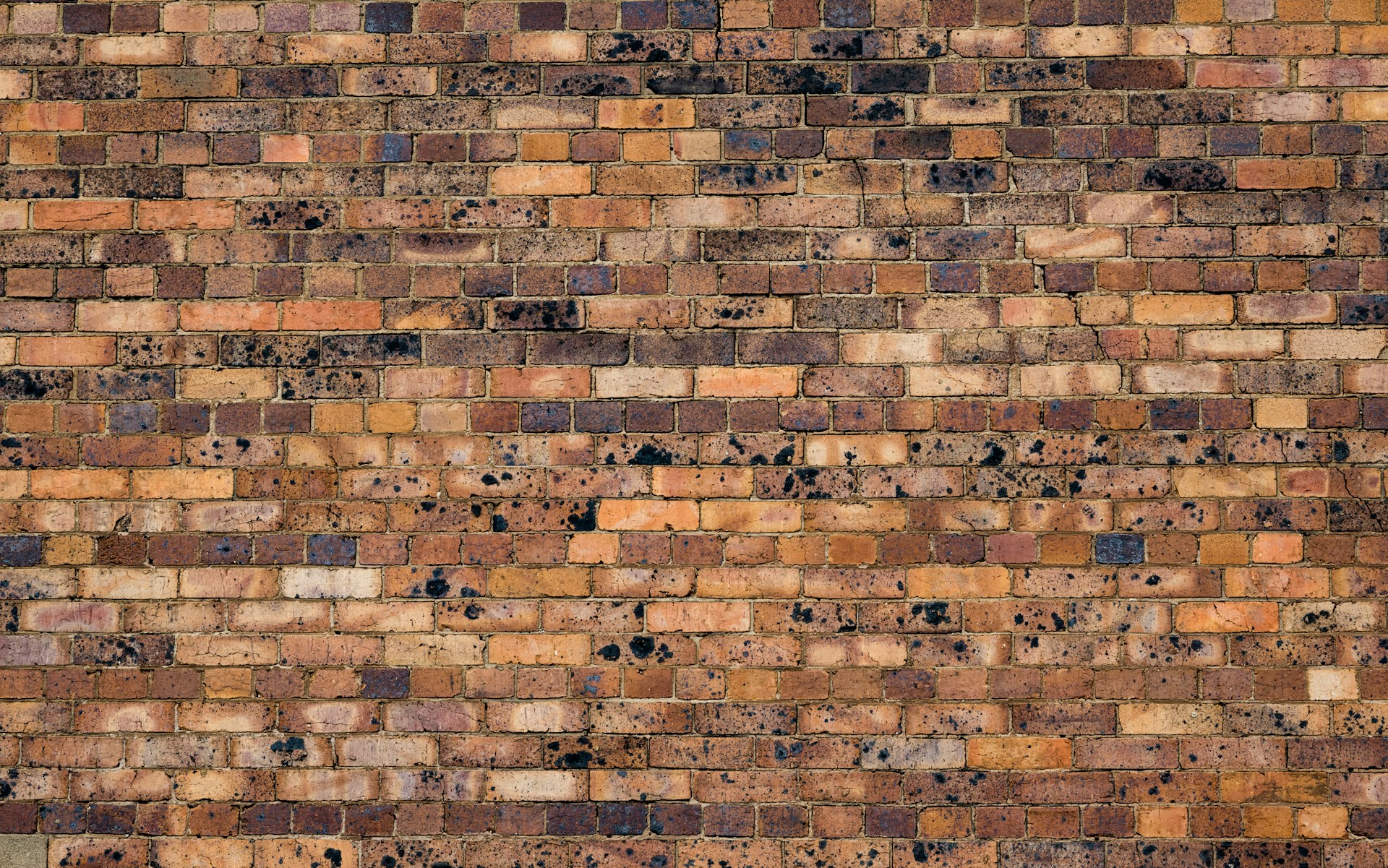
Heritage bricks show natural signs of aging, with irregularities in color and texture that newer bricks lack. Expect a range of deep reds, browns, and earth tones with subtle fading or weathering unique to reclaimed bricks.
Look for chips, surface pits, or slight crumbling edges—these imperfections result from decades of exposure and add to the brick's authentic charm. The size and shape may also vary slightly since historical bricks were less standardized.
Bricks with a patina that hints at previous use convey the kind of history you want in your build. These visual clues help you distinguish truly reclaimed materials from modern reproductions.
Material Composition
Heritage bricks are typically fired from dense, high-quality clay that changes over time, creating a durability modern bricks often miss. Their composition allows them to withstand weathering while developing a distinct texture and coloration.
You might notice slight variations in hardness and weight, which speak to the handmade, low-volume production methods of past brickmakers. These qualities ensure the bricks will perform well in restoration or new construction with a historical feel.
Common Markings and Signatures
Many heritage bricks carry maker’s marks, date stamps, or unique indentations pressed during original firing. These details can pinpoint the brick's origin and age, often linking it to specific regional manufacturers or time periods.
Such marks may appear as initials, symbols, or raised patterns and are prized by builders and architects for their storytelling quality. They confirm the brick’s reclaimed status and elevate your project’s historic authenticity.
Restoration and Preservation Techniques
Proper care keeps heritage brick looking authentic and strong. Use specific methods to clean, repair, and match mortar that respect the brick’s age and character. Each step ensures your brickwork maintains its historic beauty and durability.
Cleaning Heritage Brick
Remove dirt and biological growth like moss or mildew using soft brushes and low-pressure water. Avoid harsh chemicals or sandblasting, as they can damage the surface and cause permanent erosion.
For tougher stains, use a mild detergent or a poultice designed for reclaimed brick. Test any cleaning solution on a small, hidden area first to ensure it doesn’t discolor or weaken the brick.
Patience is key. Slow, gentle cleaning preserves the brick’s patina and texture, keeping the character intact.
Repairing Damaged Brickwork
When bricks crack or crumble, replace them with reclaimed brick that matches in size, texture, and color. Avoid new bricks, as they differ in appearance and aging patterns. Use hand tools to carefully remove damaged bricks without disturbing the surrounding ones.
Clean the cavity before inserting a replacement for strong adhesion. If bricks are chipped, patch with lime-based mortar. This method maintains breathability and flexibility, preventing further cracking.
Mortar Matching and Repointing
The original mortar mix usually contains lime, sand, and sometimes clay. Test existing mortar to replicate its color and composition. Use a lime-based mortar rather than Portland cement, which is too hard and can damage heritage brick over time.
Matching the texture and joint profile is as important as the color. Repointing involves removing deteriorated mortar to the right depth and carefully applying new mortar. Proper curing prevents shrinkage cracks and maintains the wall’s integrity.
Incorporating Heritage Brick in Modern Construction
Using heritage brick in your project bridges history and modern design while meeting current building standards. You gain authentic materials that bring warmth and character to new structures without compromising functionality or compliance.
Blending Old and New Designs
When you incorporate heritage brick, consider how its aged texture complements modern materials like glass, steel, or concrete. The contrast highlights the brick’s patina and craftsmanship, giving your project a unique character.
Focus on patterns and mortar colors that enhance cohesion between old brick and new elements. For example, using white or gray mortar creates a clean transition without overshadowing the brick’s natural tones.
Heritage brick works well as accent walls, fireplaces, and outdoor features. Its timeless appeal anchors contemporary spaces, making them feel more rooted and inviting.
Regulations and Guidelines
When working with reclaimed brick, follow current building codes for structural integrity, fire resistance, and insulation, just as with new materials. Inspect and test heritage brick for strength, moisture, and contaminants before installation.
Consult local preservation laws in historic districts, as guidelines for material reuse and appearance may affect your choices. Coordinate with your architect or builder to ensure your project complies with all regulations.
Where to Source Authentic Heritage Brick
To find authentic heritage brick, look for materials with real age, texture, and character. The best sources offer hand-selected bricks reclaimed from century-old buildings and keep reliable inventories so your project stays on track.
Salvage Yards and Reclamation Centers
Salvage yards collect materials from historic buildings during renovations or demolitions. Here, you can find genuine heritage brick with weathered surfaces, uneven edges, and rich patinas. Inventories vary, so visit or call ahead to find bricks that match your design needs.
Reclamation centers clean, sort, and prepare these bricks for reuse. They test for durability and remove mortar, ensuring your materials arrive ready to install. Availability depends on current demolitions, so lead times may vary.
Specialty Suppliers
Specialty suppliers focus exclusively on authentic reclaimed brick from 100+ year-old structures. They keep substantial inventories with immediate availability and ship nationwide quickly, helping you avoid long delays for aged materials.
Working with a supplier that offers expert advice lets you discuss specifications, verify brick condition, and plan logistics efficiently. Many follow the traditions of renowned architects to ensure your materials meet historic and aesthetic standards.
Considerations When Buying
Prioritize authenticity over cost—real aged bricks offer texture and history that are hard to replicate. Make sure bricks are hand-selected and genuinely reclaimed, not artificially aged. Check for consistent size and soundness, though expect some natural irregularities.
Ask about availability, shipping speed, return policies, and customer support to avoid surprises. Choose brick types suitable for your climate and purpose, and consider sourcing from a trusted, family-run business for confidence.
Creative Uses for Heritage Brick
Heritage brick brings unmatched character and texture, making it ideal for various design projects. Its durability and historic charm can transform indoor and outdoor spaces into unique, soulful environments.
Interior Design Applications
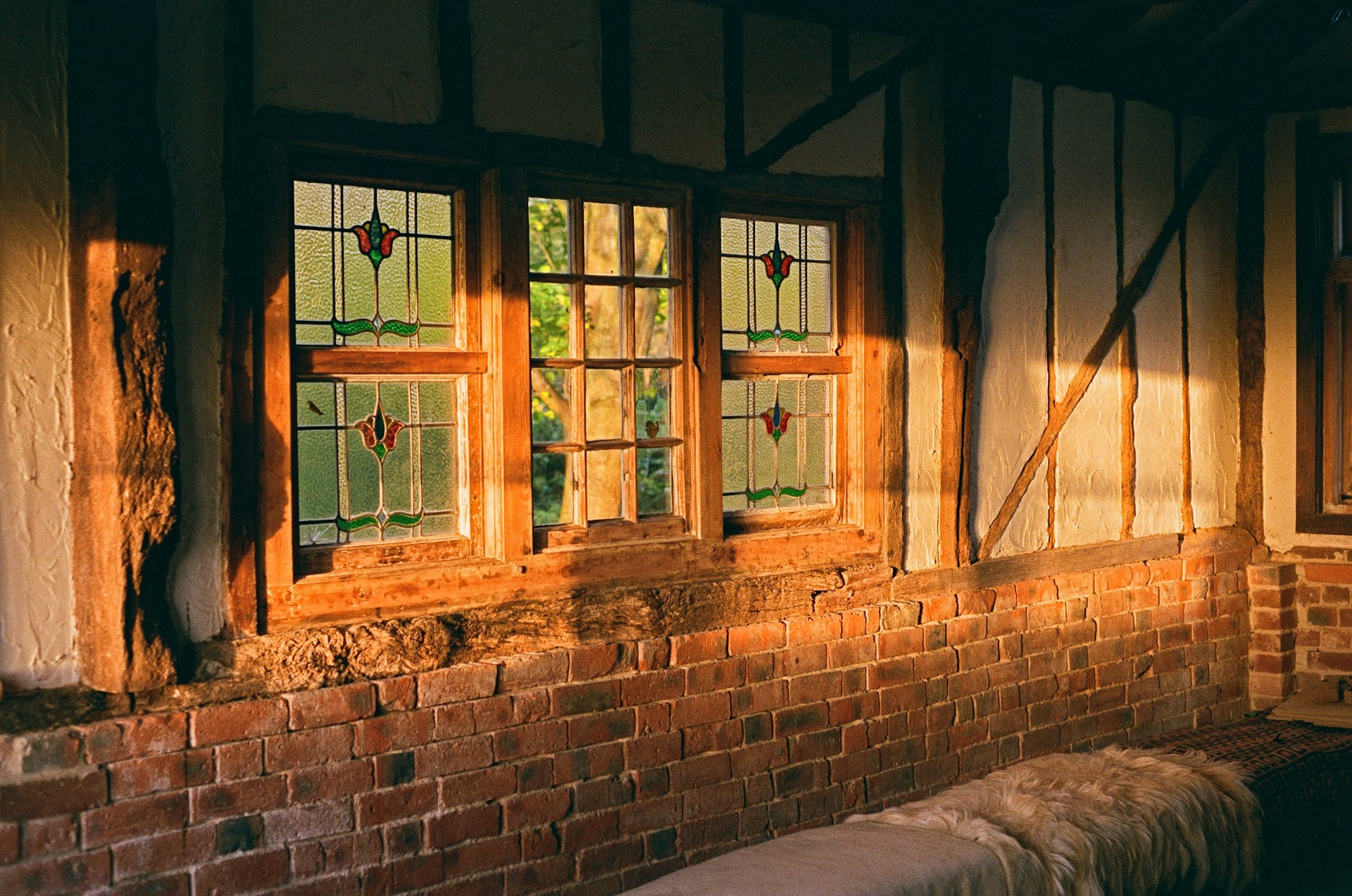
Inside your home, heritage brick creates a warm, timeless backdrop for living rooms, kitchens, and fireplaces. Exposed brick walls add texture and authenticity, making spaces feel welcoming.
Use reclaimed brick for accent walls or backsplashes, pairing it with wood or metal for a blend of vintage and modern styles. Thin brick veneers work well for flooring in entryways or sunrooms, adding historic charm without extra thickness. The variations in color and patina add depth and character to your design.
Landscape and Garden Features
Heritage brick suits garden paths, patios, and retaining walls, combining natural beauty with strength. Its irregular shapes and weathered surfaces create a rustic, inviting feel outdoors.
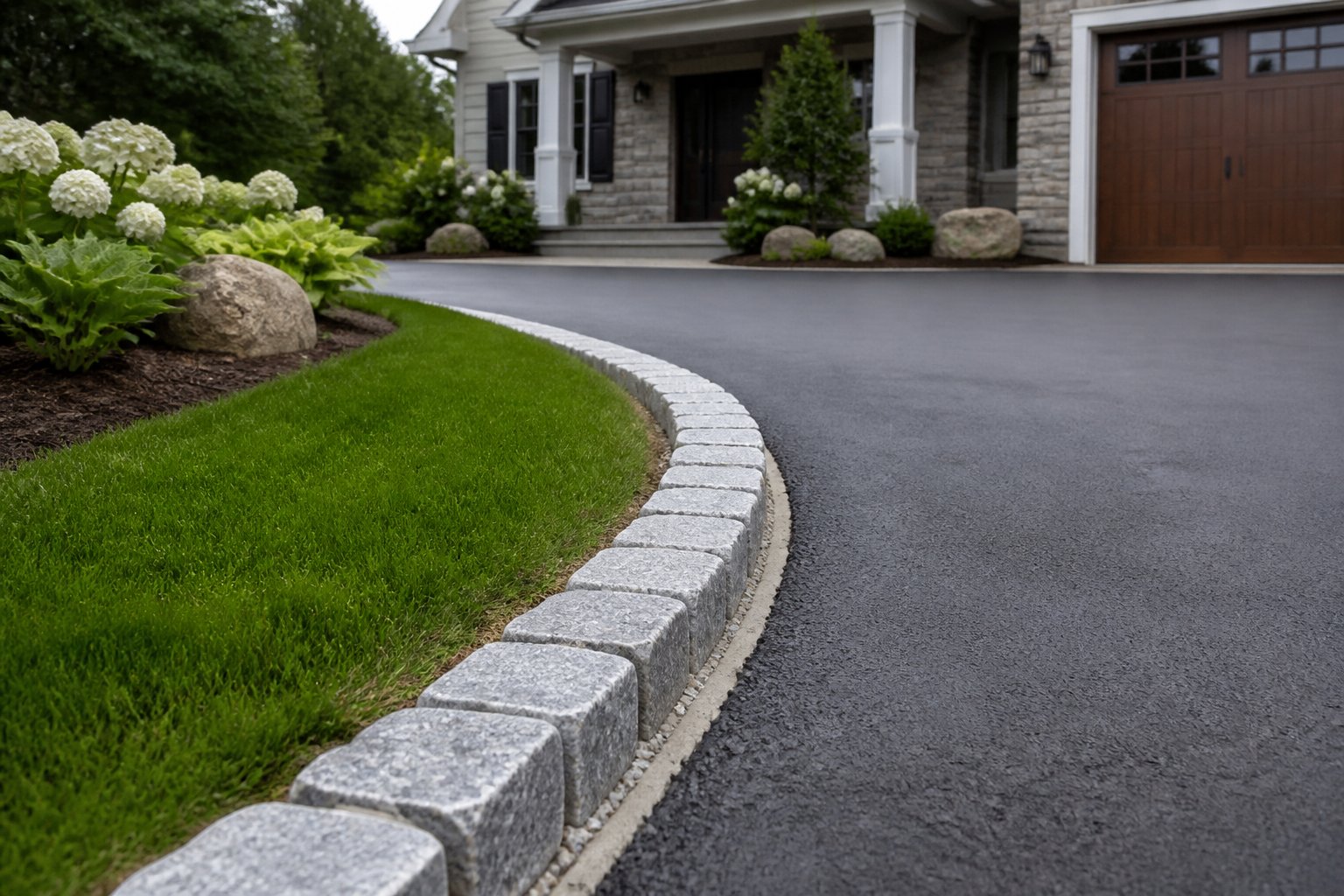
Build raised beds or fire pits with it—its heat resistance and durability are key benefits. Brick edging gives flower beds and walkways a crisp, period-correct look and helps define your garden design. Each reclaimed brick shows a unique history, adding character not found in new materials.
Caring for Heritage Brick Structures
Maintaining heritage brick requires attention to detail and proactive care. Protecting your brick from wear and weather preserves its character and ensures long-lasting beauty for your home or project.
Routine Maintenance Tips
Inspect your brick regularly for cracks, loose mortar, or spalling. Address small issues early to prevent costly repairs. Clean dirt with a soft-bristle brush or low-pressure water to avoid damage.
Avoid harsh chemicals or high-pressure washing, as these can erode brick and mortar. Repoint mortar joints with lime-based mortar to preserve appearance and breathability. If you notice a white powdery deposit (efflorescence), remove it gently with a dry brush and check your drainage.
Preventing Weather Damage
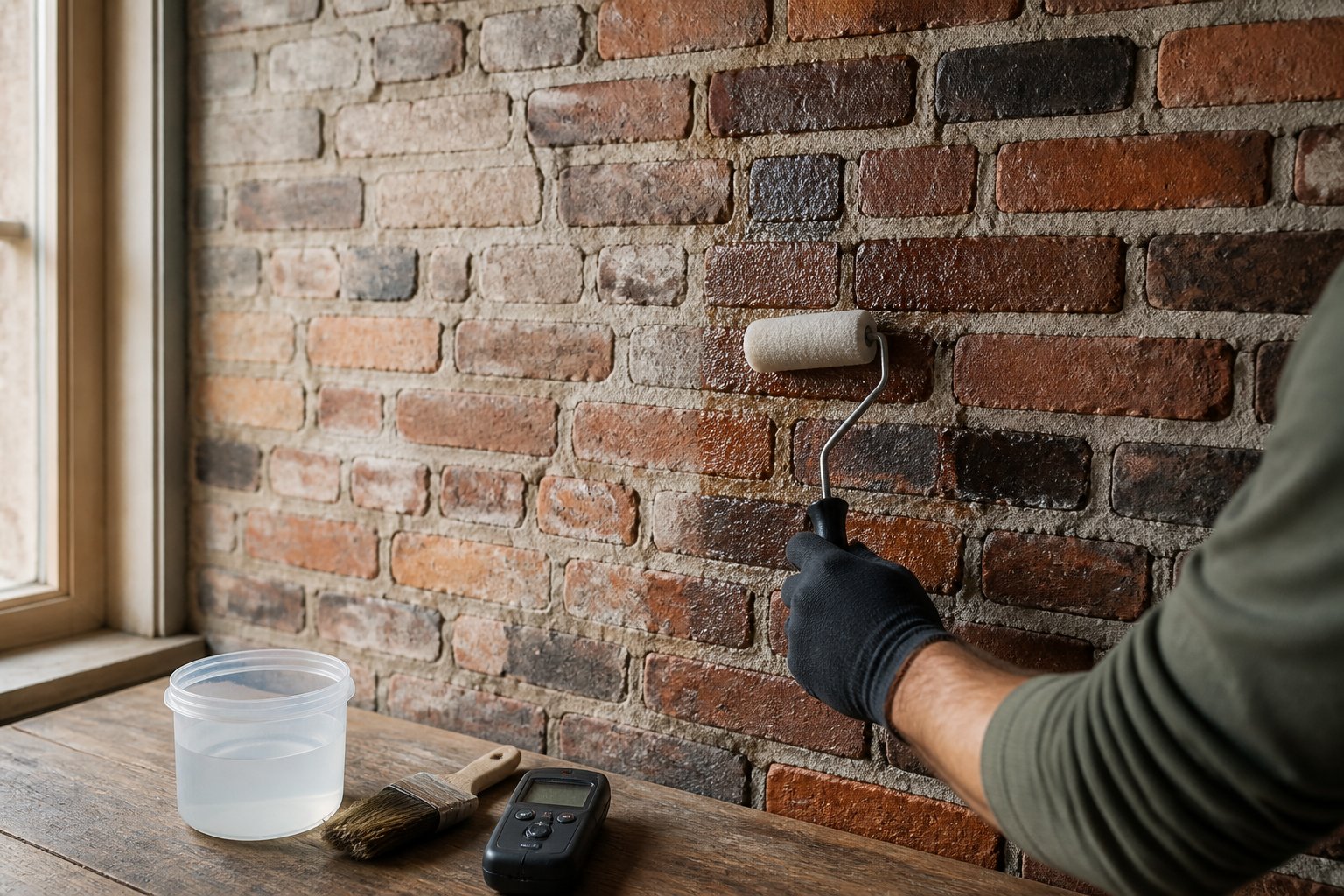
Keep heritage brick dry by ensuring gutters and downspouts direct water away from walls. Use breathable sealants sparingly so moisture can escape and avoid damage.
In freeze-thaw climates, trapped water can cause cracking, so improve ventilation to reduce moisture buildup and heat loss. Match repairs with authentic materials to maintain historical integrity and resilience against weathering.
Heritage Brick in Different Architectural Styles
Heritage brick defines the character and authenticity of many historic architectural styles. Its textures, colors, and patterns help connect modern projects with traditional craftsmanship.
Victorian Era Applications
Victorian architecture uses heritage brick in intricate patterns and rich, warm tones. Decorative brickwork, like corbelling, dentils, and patterned bonds, adds depth to facades. This style favors vibrant reds, browns, and sometimes polychrome bricks.
Using reclaimed brick ensures your restoration or new build captures the craftsmanship and authenticity of the era.
Georgian Brickwork
Georgian style focuses on symmetry and proportion, with smooth, well-laid brickwork in muted red or warm brown.
Flemish bond patterns alternate headers and stretchers for refinement. Heritage brick with a consistent finish and natural aging maintains the elegant, orderly appearance of Georgian homes while honoring history.
Industrial Age Architecture
Industrial age buildings use brick for strength and function, with large runs of exposed walls and modest mortar joints. Heritage brick provides the rough texture and weathered patina that only age can create. These materials deliver both toughness and authenticity, preserving industrial charm in your project.
Future of Heritage Brick
Heritage brick continues to influence restoration and design. Advances in conservation and restoration help preserve character while meeting modern standards.
Trends in Conservation
Sustainability and authenticity are central to conserving heritage brick. Preservation efforts now focus on repairs instead of replacements to retain original materials and reduce environmental impact.
Conservation practices include detailed assessments and specialized cleaning methods that protect brick integrity. Expect more use of lime-based mortars, which are gentler on older bricks and help maintain strength and appearance.
Innovative Restoration Methods
Modern restoration tools stabilize and refurbish heritage brick with precision. Techniques like laser cleaning remove grime without harsh chemicals, preserving texture and color. Improved sealants protect bricks from moisture while letting them breathe.
Custom fabrication can recreate matching bricks for seamless repairs, ensuring visual continuity and authenticity. Quick access to quality reclaimed materials helps keep your project moving smoothly.
Preserving Character, Building for the Future
Heritage brick connects today’s projects with centuries of craftsmanship. Its color, patina, and resilience tell stories of endurance and artistry that modern materials often lack. Choosing it means valuing authenticity and investing in materials built to last.
New Orleans Brick & Stone continues this tradition by supplying authentic reclaimed brick to builders, architects, and homeowners nationwide. Each piece is cleaned, graded, and ready for a new chapter—without losing the character earned through time.
Bring historic charm into your next project with genuine reclaimed materials. Visit our website to explore available inventory and find design inspiration rooted in architectural heritage.
Frequently Asked Questions
Understanding heritage bricks involves knowing their color variety, pricing, sourcing, cleaning, and traditional manufacturing materials. These details help you make informed choices for your project.
What are the common color options for heritage bricks?
Heritage bricks usually come in shades of red, brown, tan, and sometimes yellow. Their aged patina gives each brick unique variations.
How can one determine the price of heritage bricks?
Prices depend on condition, rarity, origin, and quantity. Bricks with rich history or unique looks usually cost more.
Where can one find heritage bricks available for sale?
Find heritage bricks at specialized suppliers or local salvage yards. Specialized suppliers offer tested, prepared bricks, while salvage yards may have less consistent quality.
What are some tips for cleaning heritage bricks effectively?
Brush gently to remove dirt. Avoid harsh chemicals; use mild detergent and water for stains. Always test a small area first.
What is the cost range for buying bricks from popular manufacturers like Acme?
Heritage-style bricks from major manufacturers typically cost $0.75 to $2.50 per brick. Reclaimed bricks may be more expensive depending on availability.
What materials were traditionally used to make bricks in the 1800s?
In the 1800s, people made bricks mainly from local clay mixed with water and sometimes sand. They shaped the bricks by hand or with wooden molds and fired them in kilns using wood or coal.