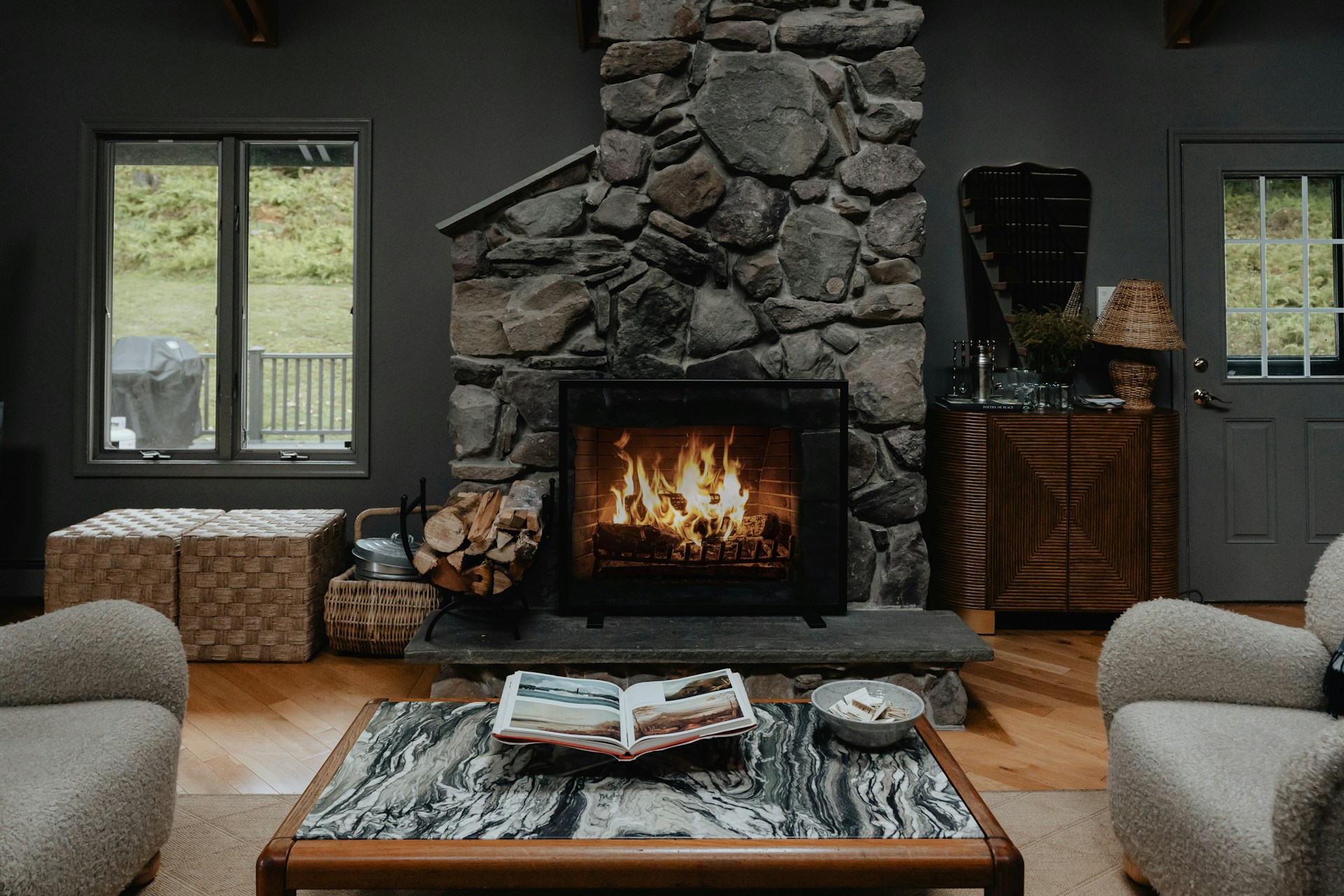
Imagine a fireplace that brings real history into your home. The softened edges, earthy tones, and subtle marks left by time give reclaimed stone a presence you can feel the moment you walk into the room. These fireplaces offer enduring character and true durability, and they carry an eco-friendly advantage because they reuse century-old materials that have already proven their strength.
In this guide, you will learn what defines a reclaimed stone fireplace, why these features last for generations, and how to choose and care for materials that make your space feel grounded and intentional. With hand-selected, heritage-rich stone prepared for immediate reuse, New Orleans Brick & Stone makes sourcing authentic materials simple and surprisingly fast.
Explore the ideas ahead to find the right look for your home, avoid common installation challenges, and see how reclaimed stone can anchor a modern room with honest, lasting beauty.
Reclaimed Stone Fireplaces
A reclaimed stone fireplace uses stone salvaged from old buildings and structures. You get real age, texture, and proven durability, all while cutting down on new quarrying.
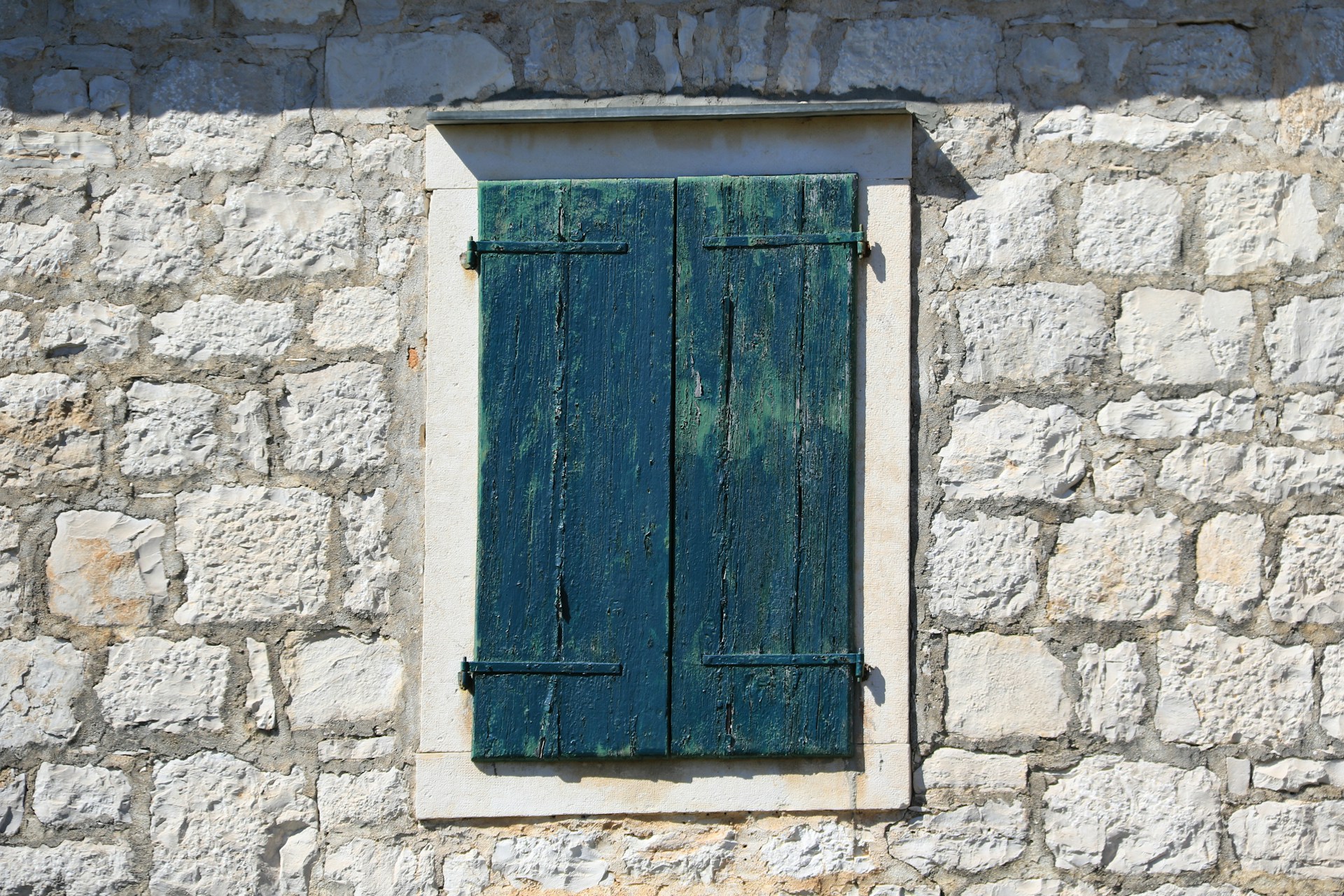
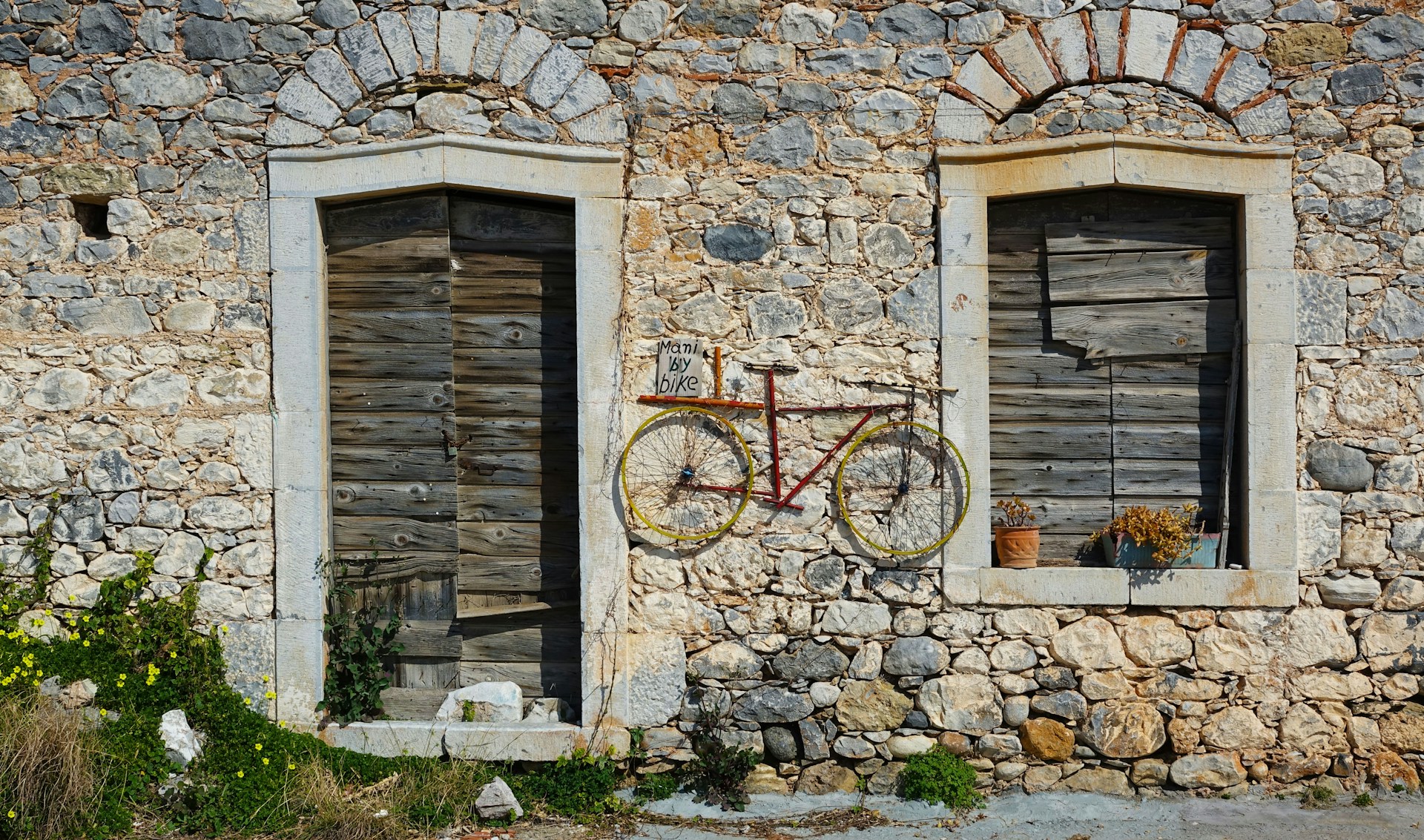
Reclaimed stone is natural stone removed from an existing structure and prepped for reuse. You’re getting pieces with weathered surfaces, chips, and a patina new stone just can’t fake.
Suppliers clean, grade, and sometimes cut or drill it to fit today’s standards. They test for soundness and sort by color, size, and thickness, so installation isn’t a guessing game.
Using reclaimed stone in your fireplace gives you a one-of-a-kind face, hearth, or surround. The cost is often less than fully custom-cut new stone, especially if you care about character and history.
The History
People have been reusing stone for centuries—makes sense, since it lasts and keeps its value. In the U.S., lots of reclaimed stones come from 19th- and early 20th-century mills, churches, and homes, carrying marks from old quarrying and decades of weather.
Interest in reclaimed stone fireplaces picked up as designers and homeowners craved authentic materials with a lived-in vibe. That interest really grew out of a push for sustainable work and historic charm, both in restorations and new builds.
If you want heritage-driven materials, New Orleans Brick & Stone always has hand-selected reclaimed stone on hand—reflecting that same respect for history and craft.
Types of Stone Used
You’ll see reclaimed limestone, sandstone, bluestone, granite, and fieldstone used for fireplaces. Limestone gives warm, soft tones and carves easily for mantels. Sandstone shows off layered texture and earthy colors.
Bluestone brings dense, bluish-gray slabs that fit sleek or rustic looks. Granite stands up to heavy use and shows bold veining. Fieldstone is all about irregular shapes and rugged charm—perfect for cottages or farmhouses.
When picking stone, check thickness, fracture lines, and any old repairs. These details affect how the stone handles heat and whether you’ll need extra backing, mortar tweaks, or sealing before installation.
Why Choose Reclaimed Stone Features
Reclaimed stone cuts waste, adds unique character, and holds up for decades with a little care. You get materials with real history, environmental benefits, and strength for rustic or modern designs.
Environmental Advantages
Choosing reclaimed stone means you’re not quarrying new material, so you lower fuel use and avoid tearing up habitats. You also cut embodied carbon since you’re reusing what’s already out there.
Most reclaimed stone comes from buildings that have seen a hundred years or more, so it’s already stood up to weather and load. Reusing it keeps demolition waste out of landfills. Suppliers like New Orleans Brick & Stone offer hand-selected pieces that are cleaned and tested before shipping.
Using reclaimed materials supports circular building—meaning you can hit sustainability goals without giving up on looks or performance.
Unique Aesthetic Appeal
Reclaimed stone shows off natural patina, color variation, and surface wear you just don’t get with new stone. These qualities give your fireplace, mantel, or accent wall a layered, lived-in feel.
Every piece comes with its own quirks—tool marks, traces of old mortar, or weathering. Mix sizes and textures for a custom look, or stick with consistent tiles for something more refined. That flexibility lets you go traditional or make a bold contrast in modern spaces.
If you want a focal point with visual depth, reclaimed stone brings instant character and warmth.
Durability and Longevity
Stone that’s been around for a century has already proven it can handle the elements. Most reclaimed pieces keep their structural value and, if properly prepped, perform just as well as new stone.
Reclaimed stone usually needs some cleaning, sorting, and maybe minor repairs before you install it. If you set it up right—with solid backing, good mortar, and proper flashing—it stands up to heat, moisture, and freeze-thaw cycles.
Choosing hand-selected, tested reclaimed stone lowers the risk of hidden problems. It’s a solid, long-term pick for homeowners who want beauty and performance.
Styles of Reclaimed Stone Fireplaces
Reclaimed stone gives you options: warm, textured hearths for cozy rooms; clean, simple stone for modern spaces; or carefully matched pieces for period restorations. Each style uses stone to set mood, scale, and detail.
Rustic and Traditional Designs
Rustic fireplaces use big, irregular stones or hand-chiseled blocks for a sturdy, lived-in feel. You’ll see wide hearths, chunky mantel shelves, and stones with soft edges and color variation. This style fits well with exposed beams, wide-plank floors, and vintage furniture.
Pick stones with plenty of patina and mortar joints that look hand-laid. Reclaimed fieldstone, flagstone, and rough-cut limestone bring strong texture. For upkeep, tuckpointing with lime-based mortar keeps things looking right and structurally sound.
Modern and Minimalist Options
Modern designs lean into slim, planar stone veneers or long, thin ashlar pieces set with tight joints for a clean look. You can run stone up to the ceiling or frame a linear gas insert for a subtle focal point. Neutral tones—pale gray, soft tan, or whitewashed stone—keep things simple.
Use reclaimed stone with flatter faces and even thickness for easy installation. Go for hidden or slim metal mantels and minimal hearths to keep the look uncluttered. This works well with glass, steel, and pale wood finishes.
Period and Heritage Looks
Period fireplaces copy specific historical styles—Georgian, Colonial, Tudor, or Southern farmhouse—using reclaimed stone cut and aged to match the originals. You’ll want hand-picked pieces that match size, tooling, and color from the same era. Details like molded mantels, keystones, and carved surrounds really matter.
Work with suppliers who know their provenance and can ship quickly if you’re on a deadline. New Orleans Brick & Stone keeps inventory ready and can help you choose stones that fit historic profiles and meet modern safety codes.
Design Ideas for Reclaimed Stone Features
These ideas focus on visible texture, durable details, and practical installation moves that make reclaimed stone feel intentional and lasting.
Statement Fireplace Walls
Cover a full-height fireplace wall with reclaimed stone for a bold focal point. Use larger, irregular stones for a rugged vibe, or thin-cut veneer for a cleaner profile that still shows age. Run the stone from floor to ceiling to ground the room and hide framing transitions.
Keep the hearth low and deep for comfort. Pair the stone with a simple metal or wood surround so the stone stands out. Built-in shelves or niches cut into the stone wall add storage and display without clutter.
Mortar color and joint width make a difference—a contrasting mortar highlights each stone, while matching mortar gives a unified look. Only seal where needed to prevent stains; don’t overdo it or you’ll lose the lived-in feel.
Outdoor Fireplace Concepts
Set up an outdoor stone fireplace on a patio or under a porch to stretch outdoor season. Use reclaimed fieldstone or big cut blocks that can handle freeze-thaw cycles. Anchor the base with a reinforced concrete pad and follow local codes for venting.
Design a wide, low opening for wood fires and a raised hearth for extra seating. Add benches in matching stone for a pulled-together look. If you’re near the coast or in a humid spot, pick salt-tolerant stone and stainless fireboxes to fight corrosion.
Stay on top of maintenance: tuckpoint joints every few years and replace loose stones fast. Need reclaimed stone in a hurry? New Orleans Brick & Stone keeps inventory ready to ship.
Accent Walls and Mantels
Use thin reclaimed stone veneers for accent walls where weight or budget rule out full-depth masonry. Install veneers over a solid substrate with metal lath and mortar for a secure bond. Match veneer size and texture to your room—small stones for cozy spaces, bigger slabs for open rooms.
For mantels, pick a single reclaimed stone or a chunky, hand-hewn beam to add history. Keep mantel lines simple and let the stone’s texture do the talking. Floating the mantel slightly off the stone face with hidden brackets adds a contemporary twist.
Pair stone accents with smooth plaster or painted wood for contrast. Always label samples and test a small area to make sure you like the color and joint style.
Sourcing and Selecting Reclaimed Stone
Finding the right reclaimed stone starts with choosing a supplier who treats salvage like a craft. You want materials with real heritage, consistent quality, and preparation that makes installation smooth. At New Orleans Brick & Stone, we source, test, and hand-select reclaimed stone so you get pieces that match your style, your budget, and your project’s technical needs.
Where to Find Authentic Materials
Instead of relying on salvage yards or unpredictable demolition sites, you can come straight to New Orleans Brick & Stone for stone with verified provenance. We reclaim materials from century-old buildings across the region, document their origin, and keep curated inventory ready to ship nationwide—usually within 48 hours.
Every batch is photographed, measured, graded, and sorted by color and thickness. If you want to see how the stone will look in your space, we can provide pallet photos, pull samples, or schedule an in-yard visit so you can inspect texture and face condition in person.
Tips for Quality Selection
We make choosing the right stone far easier by doing the technical work upfront. Our team checks every piece for structural soundness, consistent thickness, and natural patina, and we sort stone into clean, dependable lots. Whether you need heat-rated blocks for a hearth or thin, even-cut veneer for a surround, we’ll guide you to the right type and help you calculate overage for cuts and future repairs.
You also get clear documentation on cleaning, testing, grading, and batch information—details that help your mason install confidently and help you maintain accurate records for insurance or preservation needs.
Ethical and Sustainable Sourcing
At New Orleans Brick & Stone, sustainability and heritage go hand in hand. Our materials come from documented, legal deconstruction projects—not bulk demolition—so each stone’s history is preserved rather than lost. We salvage whole pieces whenever possible, reducing embodied carbon and keeping intact craftsmanship in circulation.
We repurpose unusable stone responsibly, minimize waste in transport and packaging, and maintain transparent sourcing practices rooted in respect for the structures we reclaim. When you choose reclaimed stone from us, you’re getting material that’s authentic, ethically sourced, and ready for a second life in your home.
Installation Considerations
Plan site prep, trades, and maintenance to protect your stone and keep the project on track. Measure clearances, confirm structural support, and pick installers who know reclaimed materials.
Preparing Your Space
Clear away plants, loose soil, and debris from the work area. Dig or level the floor to the depth your installer recommends—usually 6–8 inches for hearth bases. Compact a crushed-stone subbase to help with drainage and stability.
Check the wall framing and chimney. Bring in a structural engineer to make sure the mantel wall can handle the weight of reclaimed stone and the hearth. Mark clearances to combustibles, and double-check that your fireplace and flue dimensions meet code.
Gather matching materials before you start. Reclaimed pieces can vary a lot in size and patina, so buying all the stone for a feature at once avoids batch mismatches. Store your materials undercover and off the ground to prevent moisture stains.
Working With Skilled Craftsmen
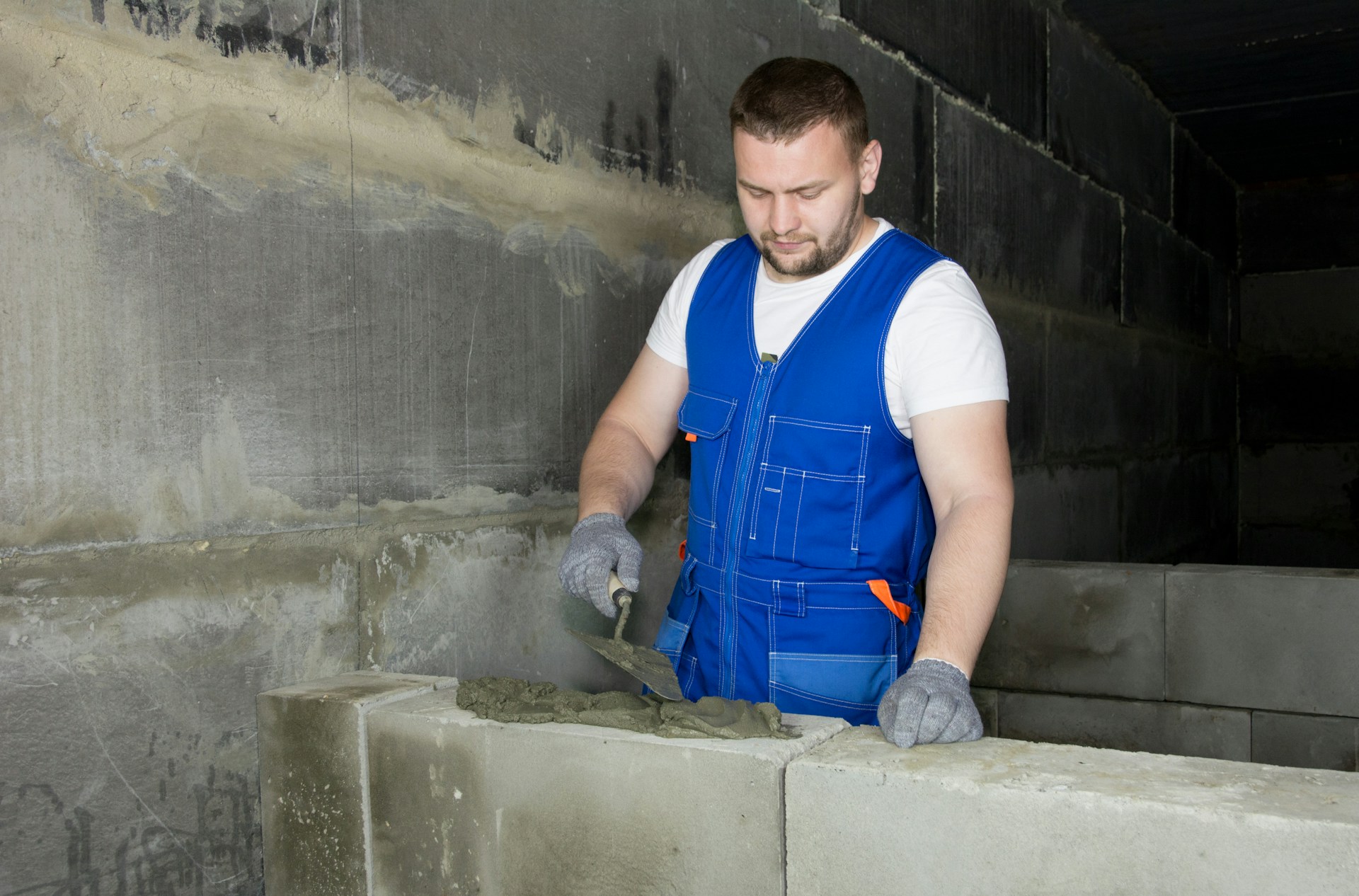
Find masons who’ve worked with reclaimed stone and know how to handle irregular sizes and old mortar. Ask to see photos of previous reclaimed-stone fireplaces or feature walls, and actually call their references.
Ask for a mockup before the real installation begins. A small test panel lets you see layout, joint width, and color balance in person. This helps you approve the bond pattern, mortar color, and any cutting needed.
Set a schedule and supply list upfront. Reclaimed stone often needs hand dressing, special anchors, or thicker mortar beds. Decide who’s supplying veneer ties, lintels, and sealers, and who’ll clean and seal the finished surface.
Maintenance After Installation
Seal the stone if that’s recommended for your material and location. Use a breathable, stone-friendly sealer to limit staining but still let moisture escape.
Check joints and the hearth every year. Watch for loose stones, hairline cracks, or spalling. Fix any issues with a matching mortar mix to keep things looking good and strong. If you see soot or creosote building up on fireplace-facing surfaces, use gentle, nonabrasive cleaners.
Protect the hearth from heavy impacts and standing water. Felt pads on furniture help, and sweeping or vacuuming up loose grit can prevent scratches. Keep your installer’s contact info handy for warranty or repair questions—just in case.
Caring for and Maintaining Reclaimed Stone
Reclaimed stone needs a gentle touch, regular protection, and some respect for its natural wear. Stick to simple steps for cleaning, sealing, and treating patina to keep your fireplace or feature safe and looking its best.
Cleaning Recommendations
Start by brushing off loose dust and ash with a soft-bristle brush or a vacuum fitted with a brush attachment. Always work from top to bottom so you don’t drop debris onto already-cleaned areas.
For light dirt, mix warm water with a mild, pH-neutral cleaner—definitely skip bleach or strong acids. Dampen a soft cloth or sponge and blot, don’t scrub hard. Rinse with clean water and dry with a microfiber cloth to avoid streaks.
If you’re dealing with soot or stubborn stains, make a poultice from baking soda and water, apply it to the spot for a few hours, then rinse. Always test any cleaner on a hidden area first. For heavy sooting after fires, it’s best to call a professional who knows reclaimed masonry.
Protecting the Surface
Sealant helps block stains and reduce water soaking in, but always pick a breathable masonry sealer that’s safe for historic or reclaimed stone. Apply a thin coat with a low-pressure sprayer or brush, following the manufacturer’s directions for recoating.
Plan to re-seal interior fireplaces every 2–5 years, depending on how much you use them and their exposure to smoke or moisture. For exterior stone, check it every year and re-seal if water stops beading on the surface.
Skip high-heat sealers or coatings that trap moisture inside. Replace damaged mortar joints quickly with a compatible lime-based mortar to keep the structure sound and let the stone breathe.
Dealing With Wear and Patina
Patina’s what gives reclaimed stone its soul. Clean gently and avoid abrasive tools that could strip away the surface texture or original finish.
If you spot chips or spalls, repair small spots with a color-matched masonry filler. For bigger damage, use a reclaimed-matching piece if you can—it keeps things authentic. Keep a record of repairs and the materials you used so future caretakers know what’s changed.
If you’re hoping to lighten dark soot or heavy staining but want to keep the patina, talk to a masonry conservator. They can sometimes lighten stains without losing the stone’s historic look. Our team at New Orleans Brick & Stone is the best source for matching reclaimed pieces if you need replacements.
Frequently Asked Questions
Reclaimed stone fireplaces need regular care, careful shopping, and proper installation. You’ll also want to check how old the materials are and pick styles that fit your home and add value.
How do I care for and maintain a reclaimed stone fireplace?
Brush or vacuum off dust and soot weekly to keep surfaces tidy. Use a soft-bristle brush and skip acid cleaners—they can wreck old mortar and stone.
Have a chimney sweep check and clean the flue once a year if you use the fireplace. Replace any crumbling mortar joints with a compatible lime-based mortar instead of modern high-strength cement.
Sealers can protect porous stone from stains, but always test a small spot first. Fix cracks and chips as soon as you spot them to prevent water damage or bigger problems.
What should I look for when purchasing a reclaimed stone fireplace?
Look for stable, intact stone with natural patina and not too much spalling or deep cracking. Ask how the pieces were removed and stored to avoid weather-damaged or salt-contaminated stones.
Make sure there are enough matching pieces for hearths, surrounds, and mantels if you want consistency. Request photos of the original structure and any salvage or testing documentation.
Ask about inventory and lead time—a supplier with materials in stock will help you avoid project delays. If you’re stuck, New Orleans Brick & Stone can source hand-selected reclaimed stone that’s ready to ship.
Are there specific styles of reclaimed stone fireplaces that are considered more valuable?
Fireplaces from standout periods like Victorian, Antebellum, or Craftsman often fetch higher prices thanks to their rarity and unique carving. Hand-carved mantels, original hearths, and intact details all add historic and monetary value.
Local provenance can boost demand—stones from famous regional buildings attract buyers. But condition matters most: well-preserved stone with original features usually brings a premium.
Can a reclaimed stone fireplace be integrated into a modern home aesthetic?
Absolutely. Pair a reclaimed surround with clean-lined mantels, neutral paint, and minimal trim to blend old and new. Use thin stone veneers or cut and reface pieces for a sleeker, more scaled look.
Mix up finishes—matte plaster, steel accents, or glass elements—to bridge historic texture and modern simplicity. Work with your builder or architect to keep clearances and building codes in mind.
What is the process for installing a reclaimed stone fireplace?
Start with a structural check of the wall, foundation, and hearth to confirm they’ll support the load. Strip away old finishes, set a stable backing or ledger, and lay stones with a compatible mortar mix.
Install or adjust the chimney and flue to meet current safety codes and draft requirements. Finish up with hearth trim, grout, and any sealers. Schedule a final inspection and, if it’s needed, a chimney sweep before you use it.
Bring in masons who know reclaimed materials—they’ll match joint widths and mortar color for an authentic result. New Orleans Brick & Stone can help with installation details and supply stone that’s ready to go.
How can I determine the authenticity of an antique stone fireplace?
Ask for provenance—photos, removal records, maybe even old receipts or testing results that hint at age or where it came from. Check for tool marks, odd sizing, bits of ancient mortar, and that natural patina you only get after decades.
If you can, have an expert take a look. They'll spot modern cutting, fresh saw marks, or chemical treatments that scream reproduction. Sometimes, independent testing of the mortar or stone finish helps if you're really chasing proof.