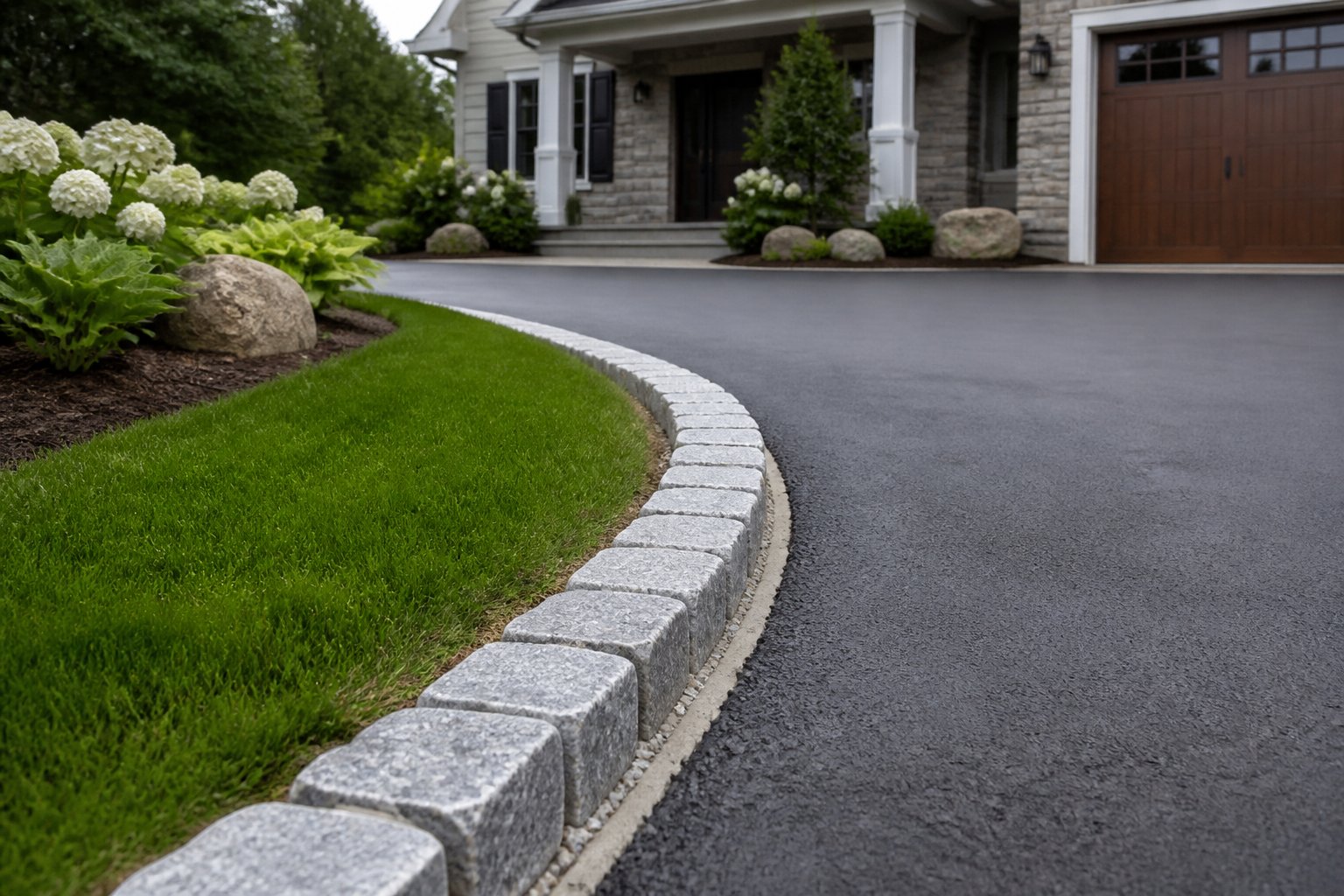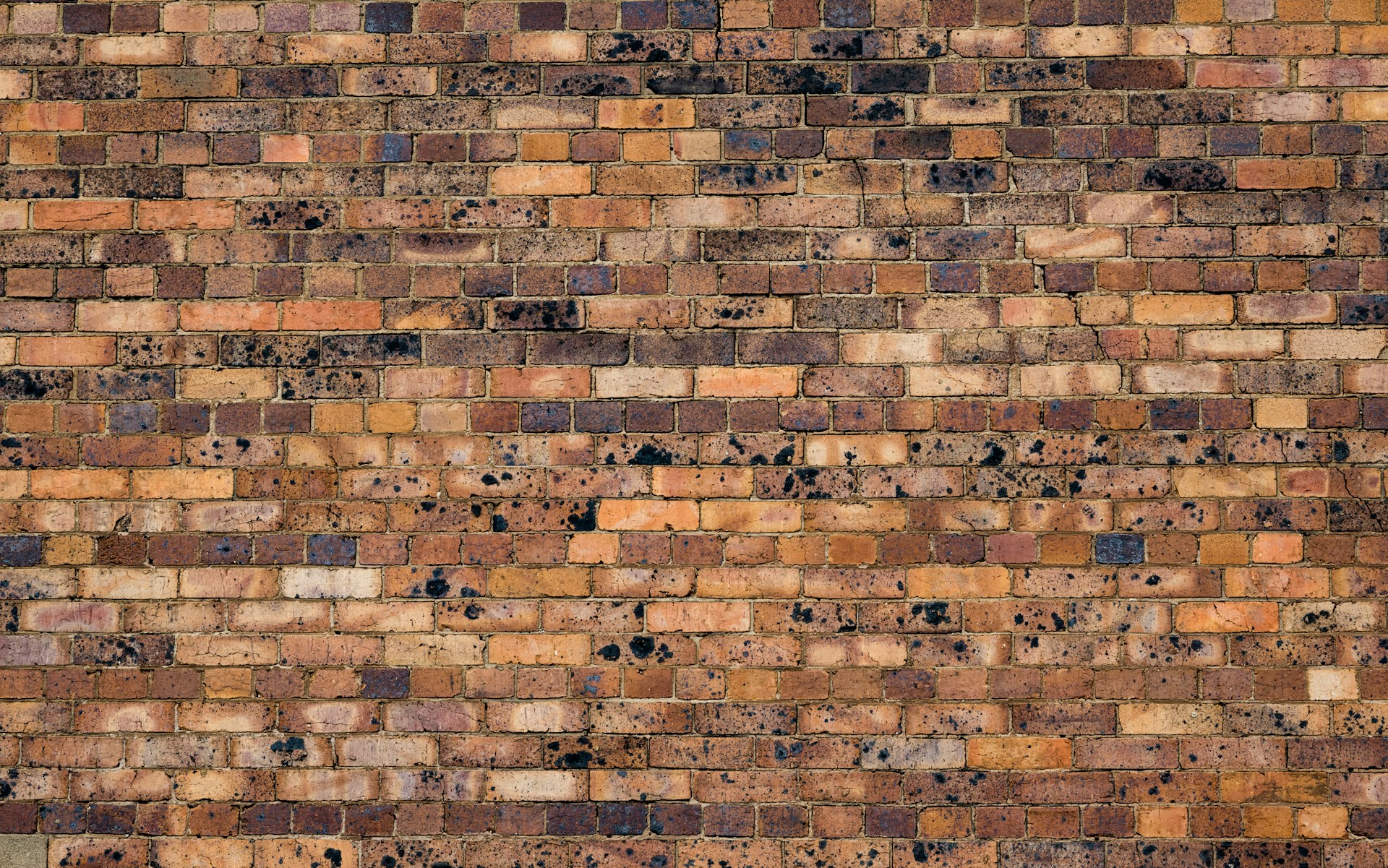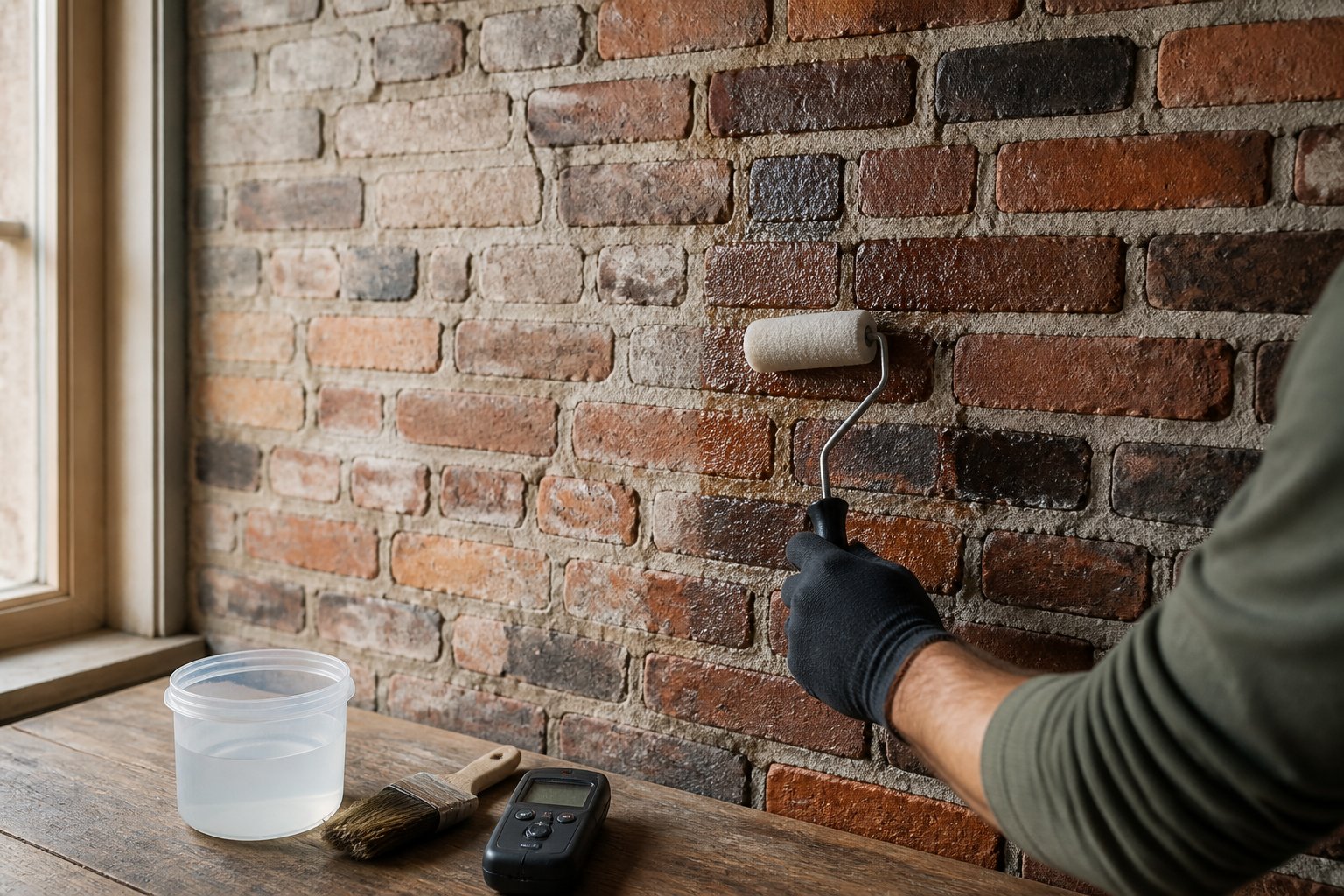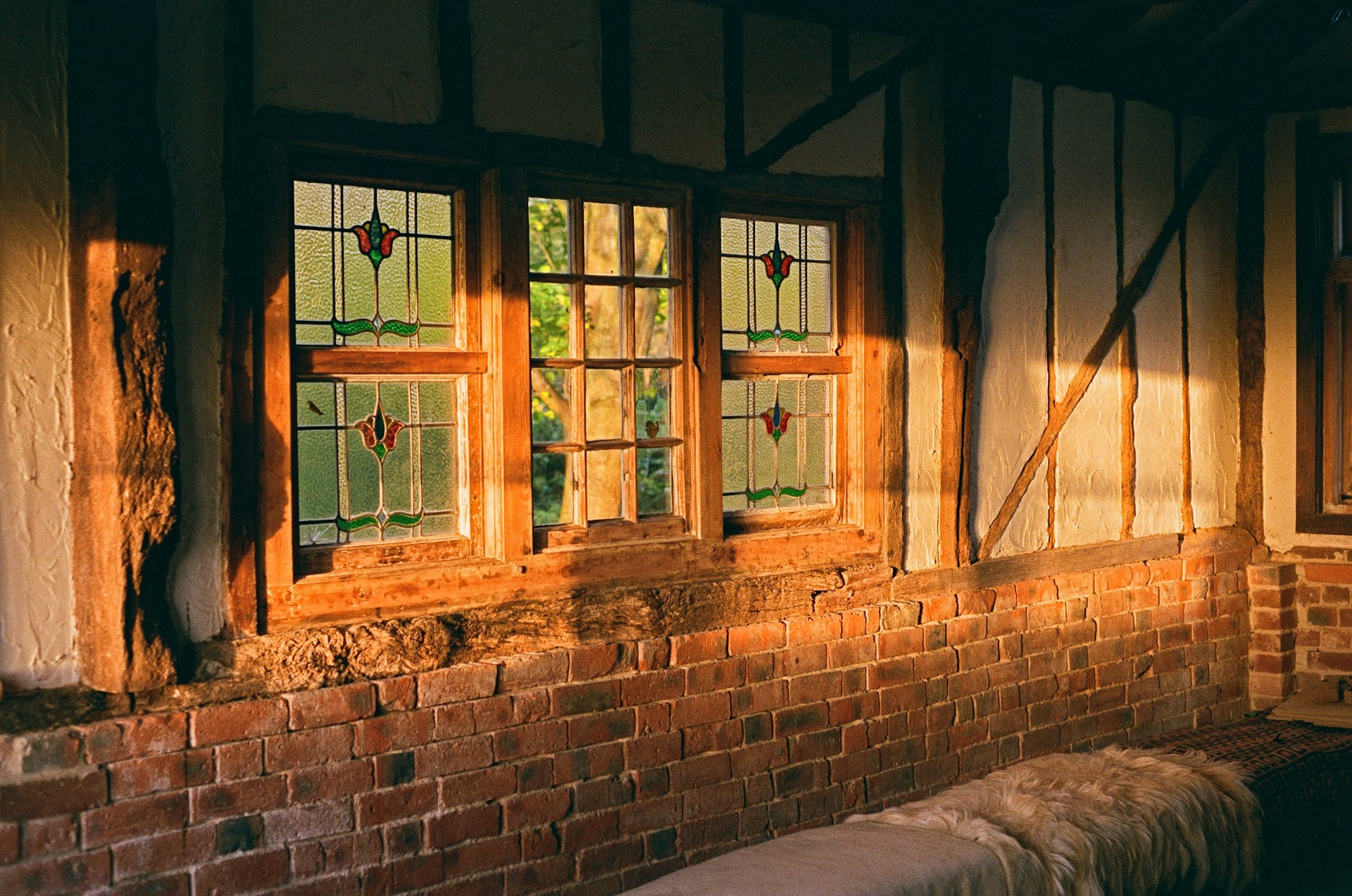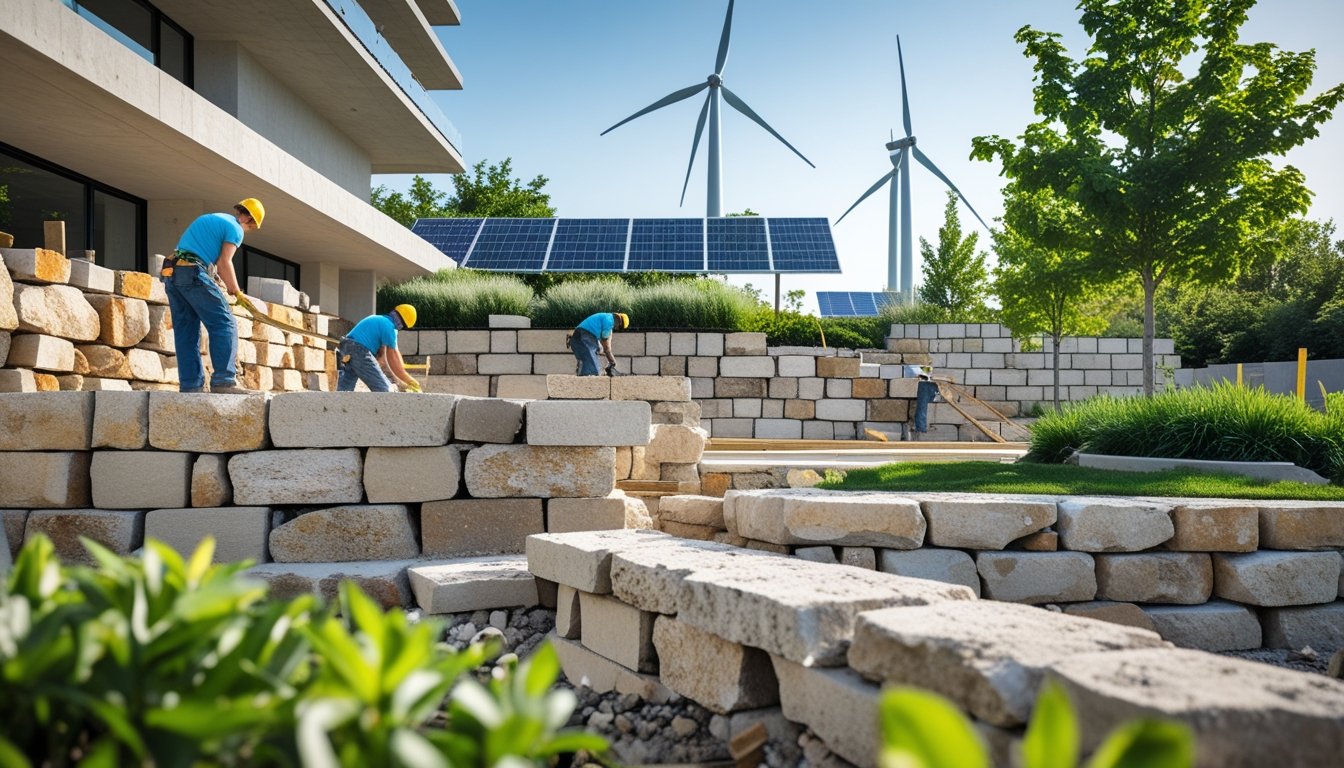
Reclaimed stone offers meaningful environmental benefits, reducing the need for new quarrying while preserving valuable natural resources. Its historic surfaces carry textures shaped by time, giving projects a richness and authenticity that new materials cannot replicate.
New Orleans Brick & Stone reflects this commitment by providing authentic reclaimed materials rooted in craftsmanship and architectural heritage. With fast nationwide shipping and dependable inventory, we help homeowners and professionals build sustainably without compromising quality.
In this article, you’ll explore the environmental advantages of reclaimed stone, how it reduces carbon impact, and why it supports healthier ecosystems. You’ll learn about its durability, sourcing, aesthetic appeal, and sustainability benefits, making reclaimed stone a responsible choice.
Key Takeaways
- Reclaimed stone reduces environmental impact by conserving resources and cutting emissions.
- Authentic historic materials add lasting beauty and durability to your projects.
- Choosing reclaimed supports sustainability and preserves architectural heritage.
What Is Reclaimed Stone?
Reclaimed stone brings history and durability into your projects. It’s more than just a material—each piece tells a story, sourced from authentic old buildings and prepared for reuse. Understanding what reclaimed stone is helps you appreciate its unique character and value.
Definition and Types of Reclaimed Stone
Reclaimed stone is natural stone salvaged from older buildings, streets, or other structures. These stones, often over a century old, offer rich textures and patinas that new materials cannot replicate.
Common types include flagstone, limestone, sandstone, bluestone, and fieldstone. Each type varies in color, hardness, and grain, providing unique qualities for your project. Reclaimed stone is durable and weathered, ensuring lasting performance.
How Reclaimed Stone Is Sourced
Crews carefully deconstruct historic buildings, walls, and pavements to source reclaimed stone. They select quality materials that maintain their integrity despite their age.
Stones are hand-selected from century-old structures, cleaned, and tested to confirm durability. This sourcing method reduces environmental waste by reusing existing resources and helps you minimize the environmental impact of your build.
Common Applications in Construction and Design
Reclaimed stone fits seamlessly in various projects. Use it for outdoor walkways, patios, garden walls, fireplaces, and even exterior facades. Its irregular surfaces and historic charm add character to both traditional and contemporary designs.
Because the materials are authentic and well-seasoned, they often outperform new stone in weather resistance. Incorporating reclaimed stone provides both functional and aesthetic benefits, connecting your build to a lasting heritage.
Reducing Environmental Impact Through Reuse
Using reclaimed stone helps you cut down on several environmental costs tied to new materials. This reduces the need for fresh extraction, saves energy during production, and lowers emissions connected to manufacturing and transport.
Embodied Energy Savings in Reclaimed Stone
Reclaimed stone significantly reduces embodied energy because the material has already been extracted, shaped, and weathered over time.
According to the U.S. Department of Energy, material extraction and processing are major contributors to a building’s embodied carbon footprint. When you reuse existing stone, you avoid the high-energy quarrying and finishing steps required to produce new material.
This choice supports long-term sustainability goals and lowers the environmental impact of construction without compromising durability or performance.
Minimizing Resource Extraction
When you choose reclaimed stone, you reduce demand for new quarrying. This means less disruption to natural landscapes and habitats. Extraction involves removing raw stone, which can permanently alter ecosystems and increase soil erosion.
Reclaimed materials come from century-old buildings that would otherwise go to waste. By giving these stones a second life, you help preserve natural resources. Your project contributes to conserving the earth’s finite stone reserves rather than consuming them anew.
Lowering Energy Consumption
Producing new stone often involves energy-intensive processes such as quarrying, cutting, and finishing. These steps require heavy machinery and fuel, increasing your project’s overall energy footprint.
Reclaimed stone bypasses much of this because the material is already quarried and finished. Preparing it for reuse demands less energy, especially when you work with suppliers who maintain ready inventory.
By opting for reclaimed, you reduce the energy tied to material production, shipping, and on-site processing. This choice helps lower operational costs and supports eco-friendly building practices.
Decreasing Greenhouse Gas Emissions
Manufacturing and transporting new stone emit CO2 and other greenhouse gases. Quarry machines, transport vehicles, and factory operations all add to your project’s environmental impact.
Reclaimed stone limits emissions by reducing the need for fresh extraction and extensive processing. Stone reused from historic sites often travels less far compared to newly quarried stone sourced internationally.
This results in measurable reductions in greenhouse gases. Selecting reclaimed materials aligns your construction with broader climate goals, helping to build homes and spaces with a lighter carbon footprint.
Conservation of Natural Resources
Using reclaimed stone reduces demand on new quarrying, protects natural habitats, and cuts water consumption tied to stone extraction and processing. This approach supports preserving landscapes and biodiversity while conserving vital water resources in building projects.
Preserving Quarries and Landscapes
Quarries often remain scarred and depleted after stone extraction. By choosing reclaimed stone, you lessen the pressure to open new quarries, keeping landscapes intact and reducing environmental damage.
This means fewer disruptions to soil and vegetation, preventing erosion and habitat loss. It also protects historic and scenic sites that might otherwise be altered by mining activity.
Sustaining Biodiversity
New quarries destroy plant and animal habitats. Using reclaimed stone reduces this threat by minimizing new quarry openings, allowing ecosystems to recover and thrive.
Preserving these habitats supports both common and endangered species in your area. It keeps delicate ecological balances intact, especially in regions where quarrying would otherwise fragment habitats.
Your choice supports biodiversity by promoting recycled materials, helping maintain forests, wetlands, and wildlife corridors near quarry sites.
Reducing Water Usage
Stone quarrying and processing consume large volumes of water—for cutting, washing, and dust control. Reclaimed stone requires far less water since it’s already processed and cured.
This lower water demand reduces the strain on local water supplies, especially in areas facing drought. It also means less wastewater and pollution entering nearby streams and aquifers.
Sourcing reclaimed materials contributes to water conservation by relying on already-extracted stone, making your project kinder to local watersheds.
Waste Minimization and Circular Economy
Using reclaimed stone helps reduce construction waste while supporting sustainable practices in your projects. It keeps valuable materials in use, reducing demand for new quarrying and lowering environmental impact. This approach fits into a circular economy where resources cycle through reuse instead of disposal.
Diverting Stone from Landfills
When buildings are demolished, much stone typically ends up in landfills, contributing to landfill congestion and wasted resources. By reclaiming stone, you keep durable materials out of waste sites.
Reclaimed stone often comes from century-old structures, so diverting these bricks and stones means preserving materials with inherent strength and character. This reduces the need to mine new stone, which involves significant environmental disruption.
Encouraging Material Upcycling
Reclaimed stone allows you to upcycle historic materials into new architectural elements with unique character. This reuses materials beyond simple recycling by transforming them into valuable design features.
Stones and bricks with rich textures and patinas offer qualities that new stone cannot replicate. Upcycling also reduces raw material extraction and related emissions. Every piece tells a story, connecting your project to the heritage of past craftsmanship.
Upcycling reclaimed stone supports your commitment to sustainability while elevating your design vision with authentic, time-tested materials.
Supporting Sustainable Building Practices
Incorporating reclaimed stone into your build aligns with sustainable architecture principles. You reduce embodied carbon by reusing existing materials instead of sourcing fresh stone that requires quarrying, cutting, and shipping.
Choosing reclaimed stone supports durability and longevity, which reduces maintenance and replacement needs over time. This resource-efficient choice can contribute to green building certifications and appeal to clients focused on environmental responsibility.
Longevity and Durability Advantages
Reclaimed stone offers lasting performance that supports sustainable building practices. Its proven durability means you get materials that endure harsh conditions while reducing waste. The benefits include a longer lifecycle, less frequent replacement, and lower maintenance demands.
Extended Lifecycle of Building Materials
Reclaimed stone comes from structures that have stood strong for over a century. This extensive past use proves their ability to withstand weather, wear, and time. When you choose these materials, you benefit from their natural resilience and strength, often superior to new quarry stone.
Because these stones have already cured and settled, they are less prone to shrinkage and cracking. This means fewer surprises during installation and better long-term stability. Using materials with a proven track record gives your project a solid foundation that lasts.
Less Frequent Replacement
Replacing building materials can be costly and environmentally harmful. With reclaimed stone, you minimize this need since the material is already well-aged and tough. Your investment will stay intact longer, reducing the frequency of projects for repairs or upgrades.
Lower Maintenance Requirements
Reclaimed stone demands less upkeep compared to many modern alternatives. Its dense composition resists erosion, staining, and biological growth, maintaining its appearance with minimal care. You save time and resources on routine maintenance.
The patina and natural character of reclaimed stone conceal minor wear, helping your surfaces look authentic and weathered rather than damaged. When you select reclaimed materials, you choose durability and ease that complement both historic restorations and new designs.
Carbon Footprint Reduction
Choosing reclaimed stone helps cut down on carbon emissions in two key ways: by lowering transportation-related pollution and by reducing the demand for new stone manufacturing. This means using less fuel and energy overall, which benefits your project and the environment.
Decreased Transportation Emissions
Reclaimed stone often comes from nearby demolition sites or local sources, significantly reducing the distance your materials travel. Less distance means fewer diesel trucks on the road, cutting down on harmful emissions like CO₂ and nitrogen oxides.
Suppliers with carefully stocked inventory minimize wait times and unnecessary long-haul shipping. This approach ensures materials arrive quickly and with a smaller carbon footprint than new stone shipped from distant quarries.
Reduced Need for New Manufacturing
Manufacturing new stone involves energy-intensive quarrying, cutting, and finishing processes, all of which produce high amounts of greenhouse gases. Reclaimed stone bypasses these steps because it’s already shaped and aged.
By choosing reclaimed stone, you avoid the carbon costs tied to extracting and processing fresh materials. Every piece you use extends the life of existing resources, making your project lighter on the planet without compromising on quality or character.
Promoting Local Economies and Heritage
Reclaimed stone supports not just sustainability but also the people and stories behind every piece. It helps skilled craftspeople thrive and preserves the architectural history that gives your projects genuine character.
Supporting Local Craftspeople
When you choose reclaimed stone, you invest in local artisans who have mastered the craft of working with historic materials. These craftspeople understand how to handle the unique qualities of aged brick and stone, ensuring your project keeps its authentic look and feel.
This hands-on expertise keeps traditional skills alive in the community. By supporting these artisans, you strengthen local jobs and economies tied to heritage materials.
Preserving Architectural History
Using reclaimed stone connects your project to the past in a tangible way. These materials come from century-old buildings, carrying the stories and textures of earlier eras that modern stone can’t recreate.
By preserving and reusing these elements, you help maintain architectural diversity and character in your community. Your choice keeps historic charm alive while reducing waste, honoring every building’s original beauty through sustainable reuse.
Unique Aesthetic and Design Benefits
Reclaimed stone brings a character that new materials can’t match. Its natural wear and historic origins create design opportunities that enrich your space with authenticity and lasting appeal.
Distinctive Natural Patinas
Reclaimed stone displays a natural patina developed over decades, sometimes centuries. This patina includes subtle color variations, weathering effects, and textures that tell the story of its previous life.
Unlike newly quarried stone, these surfaces carry unique imperfections and aging that add depth and interest to your design. Each piece is truly one of a kind.
Choosing stone with these authentic surface qualities elevates your project’s aesthetic, giving walls, fireplaces, or patios a lived-in charm that blends beautifully with modern or historic architecture.
Enhancing Project Value
Using reclaimed stone signals a commitment to quality and heritage. These materials increase the perceived value of homes or commercial spaces by adding uniqueness and timelessness.
Durable, well-preserved stone reduces repair costs over time. The visual appeal of historic patina paired with lasting strength attracts buyers and visitors who appreciate craftsmanship and legacy.
Incorporating these materials is an investment in beauty and durability that stands apart in today’s market. The warmth and story behind each stone contribute to a richer, more meaningful environment in your project.
Sustainable Beauty Rooted in Architectural Heritage
Reclaimed stone delivers strength, longevity, and meaningful environmental benefits that support sustainable building. Its reduced energy demand, minimized waste, and conservation of natural resources make it an ideal choice for eco-conscious projects of any scale.
New Orleans Brick & Stone honors these values by providing hand-selected reclaimed materials. This way, your projects preserve craftsmanship while supporting sustainable construction. With reliable nationwide access, the company helps builders create projects that stand the test of time.
Consider these benefits when planning your next build or renovation:
- Authenticity: Unique textures from century-old sources
- Sustainability: Less environmental impact
- Durability: Tested and time-proven materials
- Speed: Fast shipping within 48 hours
Bring history home—call us to request authentic reclaimed stone today and build with materials that reflect true character, durability, and environmental responsibility.
Frequently Asked Questions
Using reclaimed stone helps you cut down on emissions, preserves soil health, supports local ecosystems, reduces landfill waste, and saves natural materials. These benefits make reclaimed stone a practical and sustainable choice for your building projects.
How does using reclaimed stone reduce the carbon footprint?
Reclaimed stone eliminates the need for new quarrying, which uses a lot of energy. You also avoid emissions from manufacturing new materials. Transportation emissions often drop since reclaimed stones are sourced locally or regionally. This further reduces your project's overall carbon footprint.
What are the benefits of reclaimed stone for soil conservation?
Reclaimed stone reduces the disturbance of soils caused by mining new stone. This helps maintain soil structure and prevents erosion. Using these stones means you avoid clearing land for new quarries, which can degrade surrounding soil and habitats.
Can reclaimed stone promote biodiversity in building projects?
When you reuse stone, you lessen the need to disrupt natural habitats for new materials. This protects local wildlife and plants. Incorporating natural stone into landscaping creates textured environments that can support insects and small animals.
How does utilizing reclaimed stone contribute to waste reduction?
Reclaimed stone diverts materials from demolition sites or landfills. You give old materials new life instead of sending them to waste. This reduces the volume of construction debris and supports a circular use of building resources.
In what ways does reclaimed stone conserve natural resources?
By reusing stone, you reduce demand for freshly mined rock, preserving natural quarries. You also save water and energy that mining and processing consume.
Why is reclaimed stone considered a sustainable building material?
Reclaimed stone offers lasting durability and unique character, which reduces the need for frequent replacement. Its historic origins connect your project to generations of craftsmanship.