Reclaimed brick patios and walkways bring timeless appeal to outdoor spaces through durability, texture, and authentic charm. Each brick carries a story from historic architecture, adding depth and warmth that modern materials can’t reproduce.
New Orleans Brick & Stone provides hand-selected reclaimed bricks sourced from century-old buildings across the South. Their collection embodies the craftsmanship and heritage that define Southern architecture while meeting today’s standards for quality and performance.
This article explores how reclaimed brick can elevate patios and walkways through design versatility, sustainability, and long-term value. Discover installation tips, layout ideas, and maintenance advice to build durable outdoor spaces.
Benefits of Reclaimed Brick Patios and Walkways
Choosing reclaimed bricks gives you advantages in style, strength, cost, and care for the environment. These bricks carry unique textures and character that new materials often lack. They also hold up well to weather while reducing waste. Here’s what makes them a smart choice for your outdoor space.
Environmental Impact
Using reclaimed bricks helps reduce waste. Instead of sending old bricks to landfills, you reuse solid materials that already exist. This lowers the demand for new bricks, which require energy and raw materials to produce. Reclaimed bricks often come from buildings over 100 years old.
By giving them new life in your patio or walkway, you help preserve resources and cut carbon emissions linked to making brand-new bricks. Choosing reclaimed materials is an eco-friendly step that fits with sustainable building goals.
Our team offers hand-selected bricks that have been tested and cleaned, ready to ship quickly. This reduces the need for long-distance transportation, further lowering environmental impact.
How Reclaimed Brick Supports Sustainable Landscaping
Reclaimed brick not only reduces construction waste but also complements eco-conscious landscaping. Permeable brick patterns allow rainwater to filter naturally into the soil, reducing runoff and supporting native plant life.
According to the U.S. Environmental Protection Agency, using permeable materials in outdoor designs helps manage stormwater and prevent erosion. This makes reclaimed brick patios and walkways both functional and sustainable, aligning with green building principles.
Unique Aesthetic Appeal
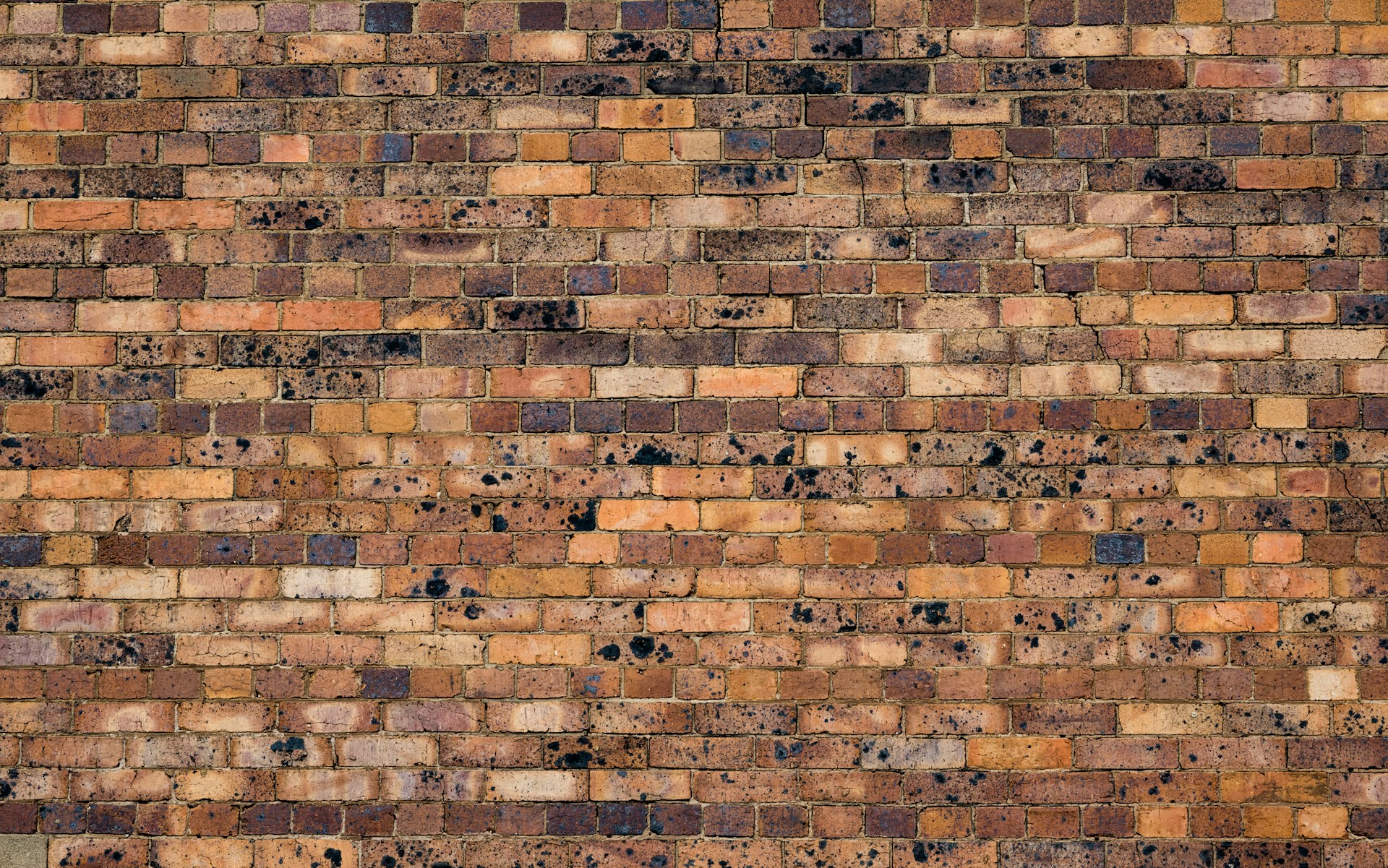
Reclaimed bricks carry a rich history you can see and feel in their uneven surfaces, faded colors, and weathered edges. They bring a timeless charm and authentic beauty that new bricks cannot replicate.
You can create patterns that highlight the rustic look or mix old brick with new materials for contrast. These bricks give patios and walkways a warm, lived-in character that adds personality and interest to your outdoor areas.
Because no two bricks are exactly alike, each project becomes one-of-a-kind. This personal touch reflects craftsmanship and heritage in every step you take.
Durability and Longevity
Reclaimed bricks come from structures that have already withstood decades—or centuries—of weather, use, and temperature changes. Because of this, they tend to be denser and stronger than new bricks.
Their proven durability makes reclaimed bricks ideal for patios and walkways where you need stable, long-lasting surfaces. You avoid early cracking and crumbling often seen with newer, less-tested materials.
With proper installation, these bricks maintain their strength and beauty for many years. Buying from a trusted source means you get bricks carefully prepared and inspected to meet high standards of quality and reliability.
Cost-Effectiveness
Reclaimed bricks can be surprisingly affordable, especially considering their lifespan and style. While some reclaimed patio pavers may cost more upfront than new materials, their durability reduces repair and replacement costs over time.
Using recycled bricks also saves money on demolition and disposal fees since you’re reusing material. Plus, because these bricks come with natural aging and color variations, you avoid extra expenses on staining or finishing.
Our team offers competitive pricing by maintaining meaningful inventory. This means you get quality materials ready to ship within 48 hours, helping you stay on budget and schedule. Know more about Carbon Footprint of Reclaimed vs New Brick.
Selecting Reclaimed Bricks
Finding the right reclaimed bricks means knowing where to get authentic materials, picking sizes and colors that fit your design, and checking the bricks’ condition before use. These steps help you build a durable and beautiful patio or walkway.
Sourcing Quality Materials
You want bricks that truly come from old buildings or streets with history. Look for suppliers who test and prepare their brick carefully. Our team offers authentic reclaimed bricks from century-old structures.
These bricks have unique textures and colors you won’t find in new bricks. When sourcing, ask if the bricks have been cleaned and sorted. Bricks from streets or demolished buildings often have different qualities—street bricks are dense and weathered, while building bricks may show wear but are still strong.
Also, check if the supplier has inventory ready to ship fast, especially if your project timeline is tight.
Choosing the Right Size and Color
Reclaimed bricks vary in size because older bricks were handmade or made to different standards. Pick bricks that match your plans or the look you want. Common sizes range mostly around 2¼ x 4¼ inches, but you might find some irregular shapes and thicknesses.
Decide if you want a uniform look or a mix of sizes for character. Color changes a lot due to age and firing conditions. Reds, browns, ochres, and dark hues are typical.
Choose colors that complement your home or garden theme. Mixing shades gives a more natural and historic feel. Ordering a sample before buying a full batch helps you see how the colors and sizes will look together.
Assessing Brick Condition
Bricks reclaimed from old structures can have chips, cracks, or mortar residue. You should carefully inspect each brick. Good reclaimed bricks are durable but may have minor surface wear—that’s part of their charm. Avoid bricks that crumble easily or have deep cracks.
Test a few bricks by tapping them. They should sound solid, not hollow. Also, avoid bricks showing signs of water damage or salt stains, which can cause future problems.
Top suppliers examine every brick for strength and authenticity to give you reliable materials ready for installation.
Design Ideas for Reclaimed Brick Patios
Reclaimed bricks offer unique charm and durability for patios. You can use them in various ways, from simple classic layouts to creative mixes with other materials. These design ideas create character and bring history into your outdoor space.
Classic Herringbone Patterns
The herringbone pattern is a timeless choice for reclaimed brick patios. You lay bricks at a 45- or 90-degree angle to create a zigzag effect. This design is strong and helps prevent shifting over time. With reclaimed bricks, the worn textures and color variations add depth to the pattern.
It works well in traditional homes and suits many garden styles. The pattern’s repeated angles create visual interest without overwhelming the space. For installation, use mortar or sand joints depending on the look you want. A proper base is critical for stability.
Circular and Curved Layouts
Curved and circular designs soften the hard lines typical of brick patios. You can create focal points like seating areas, fire pits, or garden entrances with these shapes. To achieve smooth curves, bricks can be cut or arranged in fan-like patterns.
This requires careful planning but adds a sophisticated touch. Curved layouts work well with reclaimed bricks because their natural imperfections make transitions look organic. You can combine circles with straight paths or borders for contrast.
Using reclaimed bricks here tells a story, drawing attention to every worn edge and color shift. We can help you find bricks that highlight these curves and maintain authenticity.
Mixing Brick with Other Materials
Combining reclaimed brick with stone, flagstone, or concrete can create striking patios and walkways. The contrast between rough brick and smooth stone enhances texture and color variation. Use brick for borders or accents and surround it with larger stone slabs.
This technique breaks up large areas and directs foot traffic visually. Mixing materials also helps improve drainage and reduce slippery surfaces. When selecting materials, consider the color palette and durability. Your reclaimed bricks should complement but not clash.
Creative Walkway Designs with Reclaimed Brick
Using reclaimed brick in your walkway lets you combine classic charm with practical design.
You can choose between clean, straight paths or natural, winding routes. Adding garden features around your walkway helps create flow and character. The edges and borders you select will frame your path and influence its style and durability.
Straight vs. Winding Paths
A straight walkway offers a formal, clean look. It works well for traditional or symmetrical landscapes. Straight paths are easier to build and maintain. They connect points quickly, like a front door to a driveway. A winding path feels more natural and relaxed.
It works well in gardens where you want to highlight plants or features along the way. Curves add visual interest and slow down foot traffic so you can enjoy the view.
Winding paths often need more planning and materials. Both types look great with reclaimed bricks. The worn texture adds character whether your path is simple or complex.
Integrating Garden Elements
You can enhance your reclaimed brick walkway by adding plants, lighting, or decorative stones nearby. Use low-growing ground covers or flower beds along the edges to soften the hard surface.
Install garden lights between bricks or along the path edges to make the walkway safe and inviting at night. Raised plant beds or small fountains near the path create focal points and help guide visitors.
Combining these natural elements with your walkway adds depth and interest. These touches show the craftsmanship and care behind your outdoor space, a hallmark of vintage brick projects.
Edge and Border Options
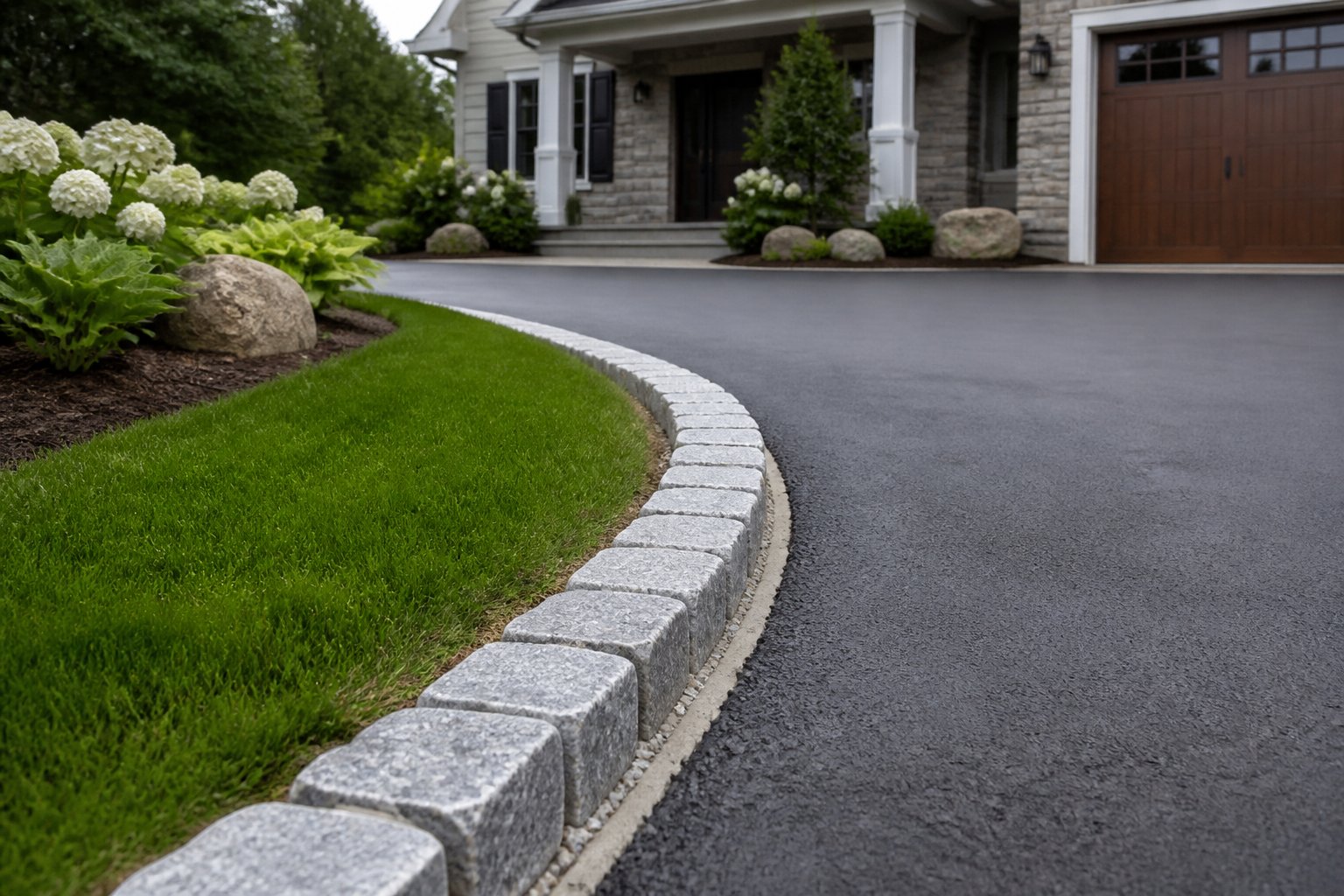
Edges frame your walkway and keep bricks stable. You can choose simple brick edges using the same material for a uniform look. For contrast, try stone or granite cobble borders. These add texture and durability against erosion.
They also help define curves or straight lines more clearly. Another option is metal or concrete edging for a clean, modern finish. It holds bricks firmly but may reduce the historic feel. Choosing the right border depends on your style, budget, and the walkway shape.
Installation Process
Installing a reclaimed brick patio or walkway involves clear steps to ensure a sturdy, lasting surface. You will prepare the site carefully, create a strong foundation, place the bricks with proper techniques, and finish the project for durability and appearance.
Site Preparation
Start by clearing the area where you want the patio or walkway. Remove grass, roots, rocks, or debris that can affect stability. Use stakes and string to mark the exact shape and size you want. This keeps your work clean and accurate. Next, excavate the soil to about 6 to 8 inches deep.
The depth depends on your planned base layers and brick thickness. Excavate evenly and check the slope so water will drain away from buildings. Proper drainage prevents future water damage.
Compact the soil with a hand tamper or plate compactor to create a firm surface. This prevents settling that can crack or shift bricks later. Take your time here; a solid base is key to a long-lasting patio or walkway.
Laying the Foundation
After preparing the soil, spread a layer of crushed stone or gravel about 4 inches deep. This base layer improves drainage and adds strength. Compact the gravel firmly. If you skip this step, bricks may shift or sink over time.
Next, add a 1 to 2-inch layer of coarse sand or stone dust over the gravel. Level this layer with a screed board to create a smooth, even surface for the bricks. The sand helps lock bricks in place and allows minor adjustments during installation.
Check the surface slope again to maintain drainage. Use a level frequently to ensure your base remains flat and even. This step avoids puddles and uneven bricks on the finished patio or walkway.
Brick Placement Techniques
Choose your brick pattern before you begin laying bricks. Popular patterns include running bond, basket weave, or herringbone. Each offers different visual styles and stability. Start placing bricks from a corner or straight edge, depending on your design.
Fit bricks tightly together without gaps larger than 1/8 inch. Use a rubber mallet to tap bricks gently into the sand base, ensuring they are level. Cut bricks if needed to fit curves or edges. Use a masonry chisel or saw for accurate cuts.
Keep checking levels across the surface so bricks stay flat and even. For reclaimed bricks, their irregular shapes and sizes add charm but require careful fitting. Take your time to blend them smoothly into your pattern.
Finishing Touches
Secure the edge of your patio or walkway with plastic or metal edging. Attach it with sturdy spikes every 12 inches to keep bricks from spreading out over time. Once all bricks are placed, spread a ½ inch layer of fine sand or polymeric sand over the surface.
Sweep sand into the joints with a broom to lock bricks in place. Then, use a plate compactor gently over the surface to push sand into the gaps fully. Remove excess sand afterward to prevent dust and improve appearance.
Keep the area clean and avoid heavy traffic for a day or two to allow stabilization. If you source your bricks through a trusted company, you benefit from hand-selected reclaimed materials that fit beautifully in these classic installation steps. Our authentic bricks come ready to create patios and walkways with lasting character.
Maintenance and Care
Keeping your reclaimed brick patio or walkway looking great means regular cleaning, sealing, and fixing any damage. Each step plays a key role in preserving the brick’s texture, color, and strength over time.
Cleaning Methods
You should clean your reclaimed brick at least once or twice a year. Use a pressure washer on a low setting to remove dirt, sand, and debris from both the surface and the joints. Avoid harsh chemicals; a mix of water and mild dish soap works well without harming the bricks.
Sweep polymeric sand into gaps after cleaning to help stabilize bricks and prevent weed growth. This also improves drainage and keeps your patio safe. If stains remain, spot clean with a soft brush and a gentle cleaner designed for brick.
Sealing and Protecting Brick
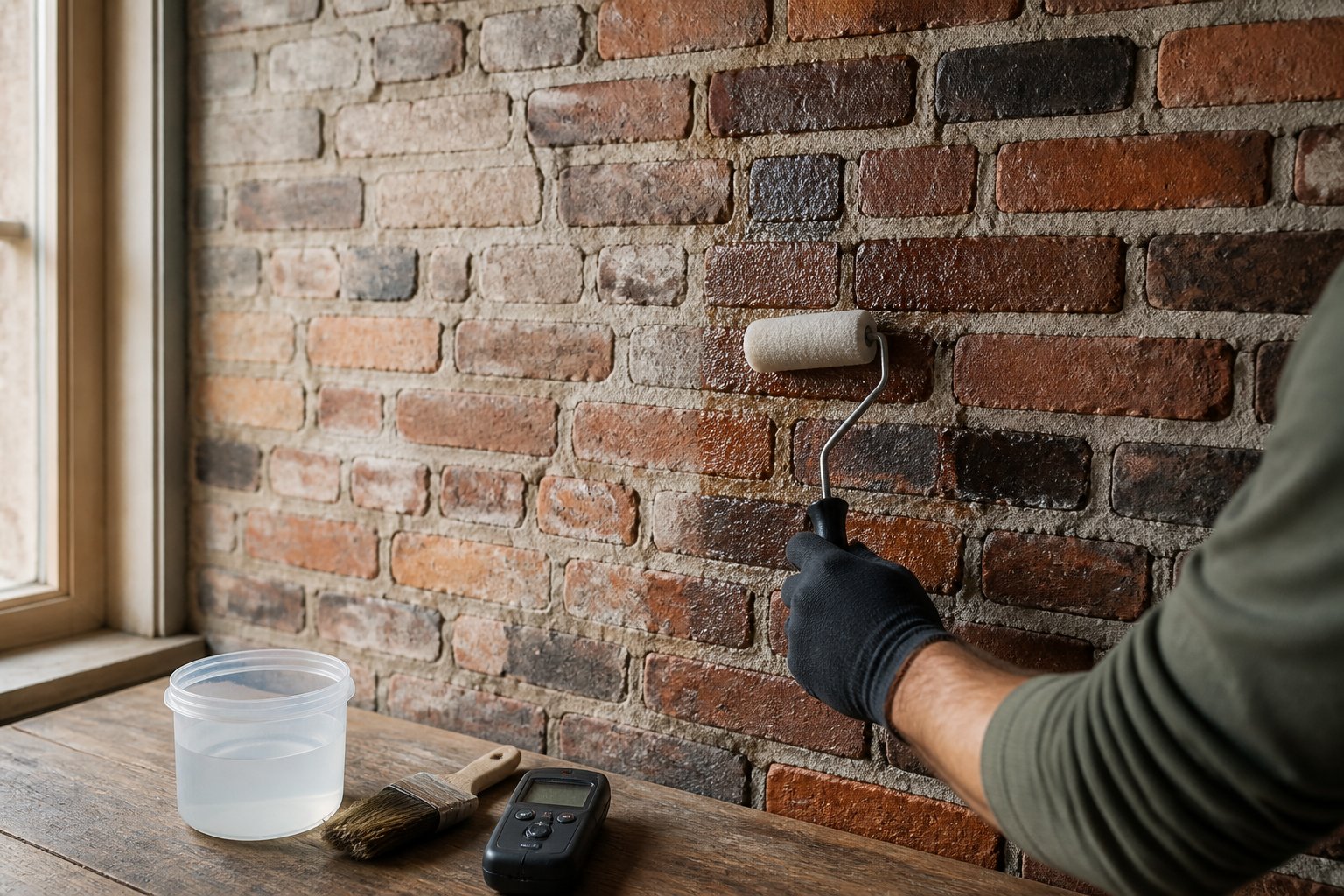
Applying a sealant extends the life of your reclaimed brick by guarding against water damage, stains, and fading. Use a breathable, masonry-specific sealer to allow moisture to escape while keeping out harmful elements.
Reapply sealant every 2-3 years, or sooner if the surface looks worn. Sealing also helps preserve the look of historic patina and texture you chose, adding a subtle sheen without making the brick look artificial.
Repairing Damaged Sections
Inspect your brick surface regularly for loose bricks, cracked mortar, or missing joints. Replace any unstable bricks with matching reclaimed ones. Avoid replacing with new bricks, as the color and texture won’t match the historic look.
Repoint mortar joints by carefully removing old mortar and filling the gaps with a compatible mortar mix. This prevents water intrusion and keeps bricks from shifting. For larger repairs, rely on trusted reclaimed bricks and professional help when needed.
Enhancing Outdoor Spaces with Reclaimed Brick
Reclaimed brick adds character and durability to outdoor areas. You can create inviting spaces by choosing the right furniture, lighting, and seasonal decorations. Each element works together to make an outdoor patio or walkway both functional and visually appealing.
Adding Outdoor Furniture
Select furniture that complements the rustic look of reclaimed brick. Materials like wood, wrought iron, or weather-resistant wicker blend well with the natural textures of brick. Focus on pieces that balance comfort and style.
Low-profile seating keeps the brickwork in view, while durable cushions protect against the elements. Tables with a sturdy base avoid damage to uneven brick surfaces. Consider a mix of seating options like benches, chairs, and side tables.
Arrange them to encourage conversation and easy movement. This creates a welcoming outdoor room that feels connected to the brick foundation beneath it.
Incorporating Lighting
Lighting highlights the beauty and texture of reclaimed brick in your outdoor space. Choose warm, soft lights to bring out the brick’s natural tones and create inviting atmosphere after dark.
Pathway lights and low-mounted fixtures provide safe navigation along brick walkways without overpowering the design. String lights or lanterns add charm and visual interest above patios or seating areas. For long-term durability, pick materials rated for outdoor use.
Solar-powered or LED options reduce maintenance and energy costs. Properly placed lighting both enhances safety and showcases the craftsmanship of your reclaimed brick.
Seasonal Decorations
Seasonal decorations personalize your outdoor area while protecting the brick. In spring and summer, use pots with colorful flowers or herbs that highlight the aged brick’s warm colors. Fall decorations such as pumpkins, gourds, and rustic wreaths add texture without covering the brick.
Use outdoor rugs or mats sparingly to avoid trapping moisture near the bricks. During winter, opt for subtle decorations like evergreen garlands or solar string lights. Avoid heavy snow or ice buildup that can damage brick surfaces.
Comparing Reclaimed Brick to New Brick
When choosing bricks for your patio or walkway, it's important to weigh how reclaimed and new bricks differ in strength, durability, and environmental impact. These differences affect both the look and performance of your project over time.
Performance Differences
Reclaimed bricks have already stood the test of time. They often show signs of weathering that can add unique character to your patio. Because they’ve been exposed for many years, their strength and surface may vary.
You might see chips or discoloration, which can be part of their charm but could affect durability in heavy-use areas. New bricks come with consistent size, shape, and strength. They meet modern building codes, ensuring uniform frost resistance and structural integrity.
For projects requiring precise alignment or high performance, new bricks provide predictable results. Some people prefer reclaimed bricks from trusted suppliers because of their authentic texture and historic character.
Sustainability Factors
Reclaimed bricks are an eco-friendly choice because you reuse materials from old buildings instead of making new ones. This process reduces demand for new clay extraction and lowers carbon emissions tied to brick manufacturing.
By choosing reclaimed bricks, you also keep brick waste out of landfills. New bricks often require more energy to produce since they must be fired in kilns. Their environmental impact depends on the manufacturing process and transportation distance.
However, new bricks can last for 150 years or more, which adds long-term value. If sustainability is a priority, reclaimed bricks are a strong option, especially when sourced from trusted suppliers who verify their quality and history.
Budgeting and Project Planning
When planning a reclaimed brick patio or walkway, start by setting a clear budget. The cost depends on the size of your project, the type of bricks, and any extra materials like sand or gravel.
Reclaimed bricks often cost less than new ones but expect some extra work for cleaning and sorting. List your materials and tools before you begin. Typical supplies include bricks, edging, sand, and a compactor. You may also need a shovel, level, and gloves.
Make sure to factor in delivery if you order bricks from a supplier. Working with a reliable company can help. They keep a wide stock of authentic reclaimed bricks ready to ship within 48 hours, which can reduce delays and surprise costs.
Create a timeline based on your experience. If you're new to DIY, plan for a weekend or more. With help, you might finish faster. Clear project planning reduces stress and keeps the work on track.
Bringing History and Strength to Outdoor Living
Reclaimed brick patios and walkways blend timeless design with modern performance. Their weathered surfaces and rich tones bring natural beauty, while their proven durability ensures decades of enjoyment. Choosing reclaimed materials connects your outdoor spaces to a legacy of craftsmanship and care for the environment.
New Orleans Brick & Stone makes that connection simple by offering hand-selected, authentic reclaimed bricks ready to ship within 48 hours. Each piece carries a story, helping you design patios and walkways that are as enduring as they are elegant.
Transform your outdoor spaces with lasting character and history. Bring heritage home — request your reclaimed materials today.
Frequently Asked Questions
Reclaimed brick patios and walkways offer many ways to add charm and durability to your outdoor space. You will want to consider costs, design choices, and proper installation methods. How to prepare the base and where to get quality reclaimed bricks also play a key role.
What is the average cost of installing a reclaimed brick patio?
Costs vary based on size, brick type, and labor. Expect to pay between $10 and $25 per square foot. Salvaged bricks can lower material costs but may need more cleaning and preparation.
What are the design options when installing a reclaimed brick walkway?
You can arrange bricks in patterns like herringbone, basketweave, or running bond. Mixing brick colors and textures creates unique looks. Plan your design carefully to match your style and outdoor space.
What is the proper technique for laying a brick patio with mortar?
Start with a compacted base of gravel and sand. Spread a layer of mortar on this base. Lay bricks tightly together, using a rubber mallet to level each brick. Fill joints with mortar and clean excess before it dries.
Can I lay a brick patio directly on soil, and if so, how?
Yes, but you must prepare the soil by removing grass and roots. Compact the soil, then add a 4-6 inch layer of gravel. On top, add 1-2 inches of sand to level the surface before placing bricks for stability and drainage.
Is it possible to install a brick patio without using cement, and what are the steps?
Yes, you can use a sand or gravel base instead of mortar. Lay down a thick gravel layer, then screed a sand layer evenly. Place bricks tightly on the sand and sweep fine sand into the joints to lock them in place.
How can I source reclaimed bricks for my patio or walkway project?
Look for specialty suppliers like New Orleans Brick & Stone, who offer hand-selected reclaimed bricks tested for quality. Buying from a supplier with ready inventory ensures quick delivery and authentic materials from historic buildings.