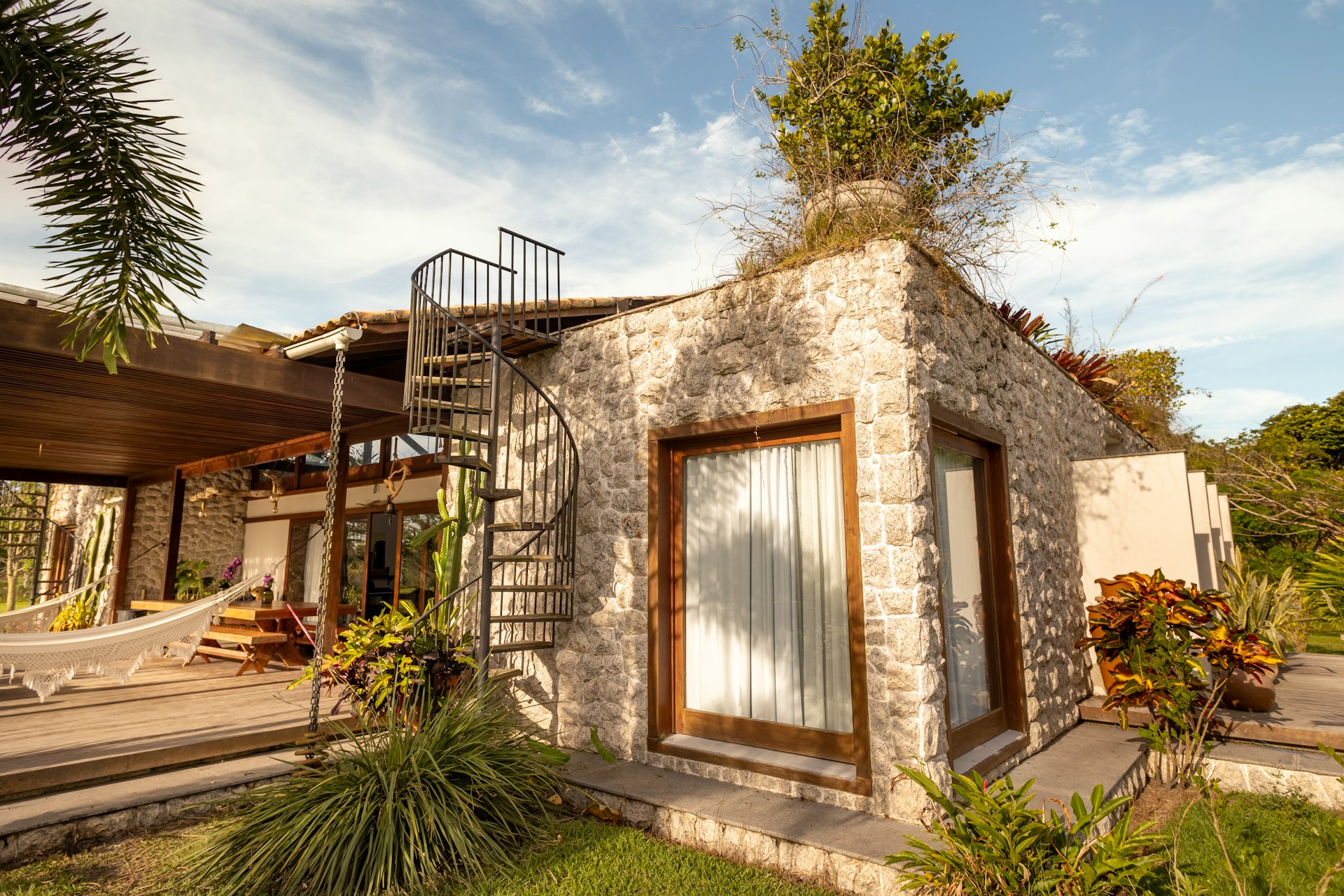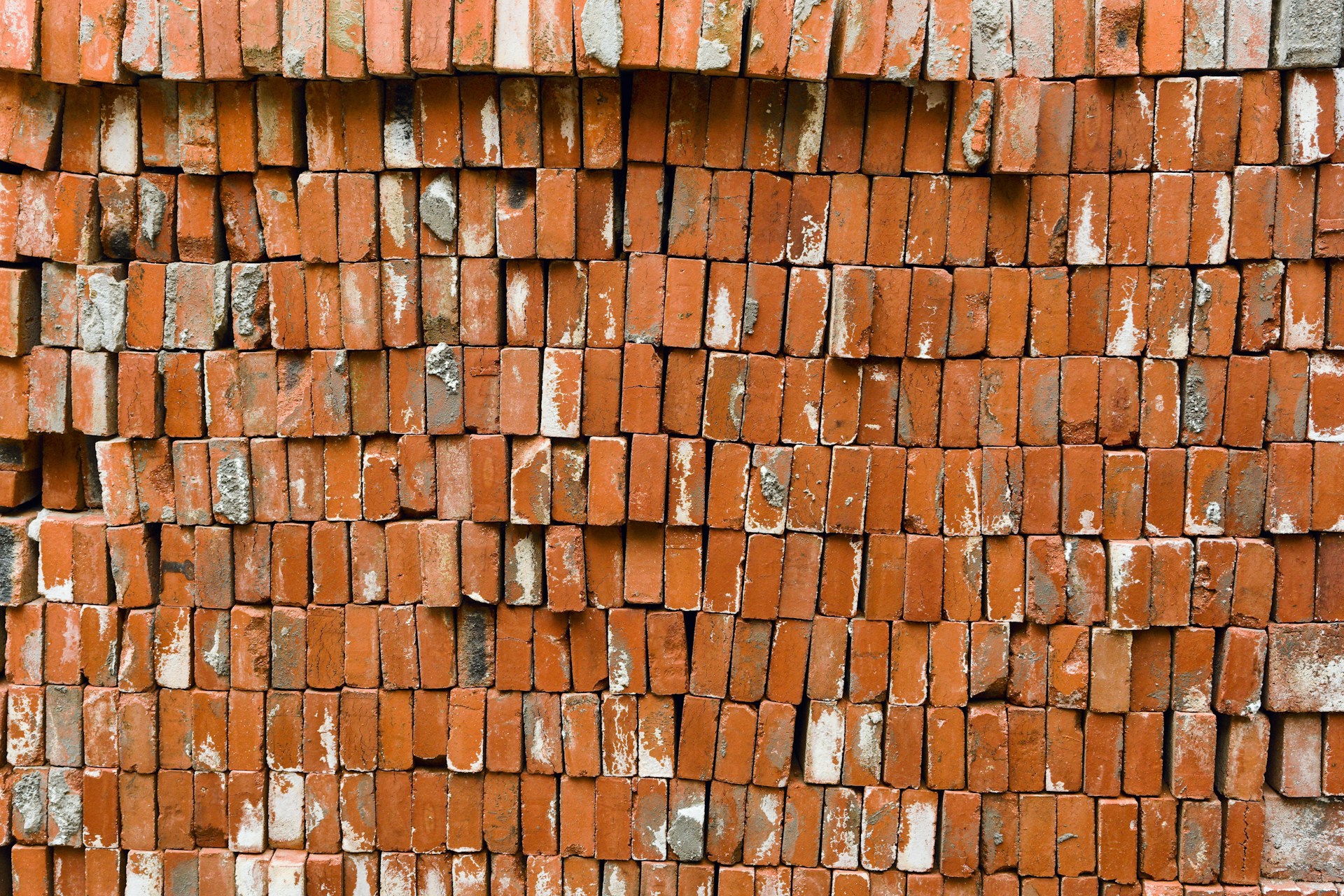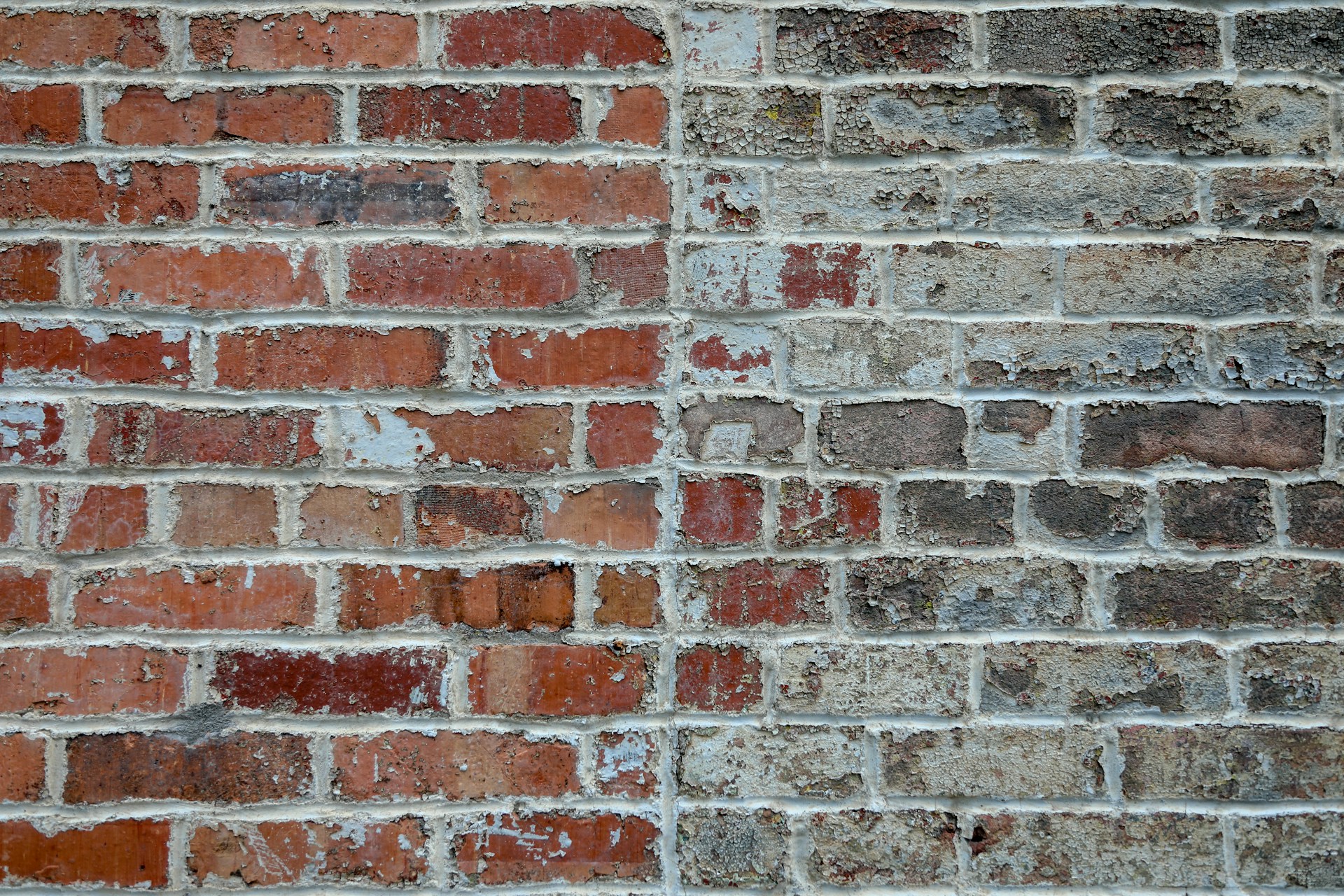
You can bring centuries of character into a modern home without giving up clean lines, comfort, or a refined aesthetic. Genuine reclaimed brick carries a depth you can’t manufacture—softened edges, natural patina, and subtle color shifts shaped by time and weather. Those traits add warmth and grounding to contemporary design, creating spaces that feel intentional, lived-in, and beautifully layered.
Reclaimed brick and stone work effortlessly with today’s architecture, whether you’re aiming for a minimalist interior, a modern farmhouse, or a bold industrial mix. What matters most is choosing materials with true history and the right preparation so they install cleanly and perform well for decades.
If craftsmanship, reliability, and fast turnaround matter for your project, our team at New Orleans Brick & Stone offers hand-selected, century-old materials that honor architectural legacy while fitting seamlessly into modern life.
Ahead, you’ll find design ideas, cost considerations, maintenance guidance, and practical ways to bring aged brick into both interior and exterior spaces—so you can start imagining how this timeless material could shape your next project.
The Timeless Appeal of Centuries-Old Brick
Centuries-old brick brings lived-in texture, proven durability, and a clear link to architectural history. These materials show real wear, strong performance, and design weight that modern bricks rarely match.
Unique Character and Texture
Each reclaimed brick carries marks from past use—chips, old mortar, and color shifts from weather. These details make a surface that catches light and shadow in ways new masonry just can’t.
Mixing tones—soft reds, deep browns, faded oranges—adds visual depth to a plain wall. That patina hides small flaws and helps new finishes look more natural when you blend them with old material.
Reclaimed brick feels good, too. For interiors, the uneven faces add a handcrafted feel. For exteriors, the texture helps facades look intentional, not just worn out.
Historical Significance in Modern Homes
Using centuries-old brick ties your project to real buildings and real stories. That connection can nudge design choices, from window sizes to porch details, so your home fits its neighborhood.
You can respect regional traditions—like Southern masonry patterns—while still meeting today’s codes. Reclaimed brick often comes from structures over a century old, so it already matches the scale and rhythm of historic homes.
Choosing these materials also preserves history. Reusing brick cuts demolition waste and keeps character in circulation. If you work with a supplier like New Orleans Brick & Stone, you’ll get hand-picked pieces that reflect true architectural lineage.
Enduring Popularity in Architecture
Architects and builders keep turning to reclaimed brick because it doesn’t go out of style. It fits craftsman, colonial, industrial, and modern designs—pretty much anything, really.
Older bricks were often fired harder and last longer than many modern ones. That means less maintenance over time and a boost for sustainable building goals.
Practical perks matter, too. Having inventory on hand shortens lead times. For homeowners, the result is a home that feels mature and grounded right away—and stands up for decades.
Sourcing Authentic Centuries-Old Brick
Finding genuine centuries-old brick starts with choosing a supplier who treats reclamation as a craft. You want materials with verified history, consistent quality, and preparation that lets you build confidently and stay on schedule. That means knowing exactly where the brick came from, how it was tested, and how carefully it was reclaimed.
Where to Find Salvaged Brick
The most reliable reclaimed brick comes from teams who remove materials by hand from century-old structures, document where each batch originated, and keep meaningful inventory ready to ship. That’s the advantage of working with New Orleans Brick & Stone. Their family-run approach means every brick is hand-selected, photographed, measured, and graded so you can match coursing, openings, and regional masonry styles with confidence.
Instead of chasing salvage auctions or unpredictable demolition sites, you get a trusted source with curated lots, verified provenance, and fast availability. If you need clarity about color range, sizing, or quantity, their team can pull samples or pallet photos so you know exactly what you’re getting.
Evaluating Quality and Provenance
Authentic reclaimed brick should arrive with testing and paperwork, not guesswork. Look for compressive-strength notes, freeze-thaw data when needed, and clear documentation of the building age and original use. Inspect sample bricks for tight cores, lime residue, nail holes, and natural patina—all signs of real, time-shaped material.
Keeping batch records, photos, and provenance documents helps you plan future repairs, match additions, and meet preservation or insurance requirements. A supplier committed to transparency makes this easy.
Sustainable Reclamation Methods
Sourcing reclaimed brick should be as responsible as it is practical. Hand deconstruction preserves brick faces, reduces breakage, and keeps usable materials out of landfills. Bricks should be sorted by size and condition on site, cleaned without harsh abrasion, and prepared for direct reuse in both structural and veneer applications.
Ethical reclamation also means minimizing waste. Quality suppliers repurpose unusable fragments into aggregate or landscaping material, ensuring every piece of a historic structure continues its lifecycle. When that level of care guides the process, you get brick with genuine heritage and a clean, sustainable path back into modern construction.
Incorporating Antique Brick into Contemporary Home Design
Antique brick can add texture, color, and history to modern homes—without making them feel dated. Use it to anchor rooms, define paths, or highlight key lines.
Blending Old and New Materials
Pair antique brick with smooth surfaces like plaster, steel, or glass for contrast. A brick accent wall across from a matte plaster finish keeps the room warm but clean. Use narrow mortar joints and consistent brick orientation to make reclaimed brick look intentional, not random.
Keep transitions simple. A steel window frame set into brick looks deliberate. Match grout color to the brick’s undertone for a seamless vibe. Seal brick where water or stains are a concern, but leave interior exposed bricks unsealed for natural patina.
Modern Floor Plans with Historic Brickwork
Open plans benefit from brick as partial dividers or short walls. Try a low brick knee wall to define a dining area without blocking views. In single-story layouts, a brick hearth or cooking wall can anchor the space while keeping things open.
Floor-level uses work, too: reclaimed brick pavers make durable mudroom floors and flow right into a covered patio. Keep brick surfaces level and use a thin grout profile to cut tripping hazards. For radiant-heat floors, use thin brick veneers over a suitable base.
Creating Architectural Focal Points
Turn a reclaimed brick chimney, fireplace, or entry wall into a focal point by framing it with modern elements. Add a slim wood mantel or a recessed linear light to show off texture and color. A centered wall of mixed-red and orange bricks becomes a portrait backdrop when paired with simple, neutral furniture.
Lighting matters. Uplights and narrow sconces cast shadows that reveal the brick’s irregular faces. For exteriors, highlight an arch or pilaster in antique brick with contrasting modern siding to make both stand out.
New Orleans Brick & Stone hand-selects reclaimed brick for these uses and ships nationwide within 48 hours if you need authentic, ready-to-install material.
Interior Applications of Aged Brick
Aged brick brings texture, warmth, and history into living spaces. It works as a broad backdrop or a precise accent, and it pairs well with modern materials like glass, steel, and wood.
Exposed Brick Walls for Warmth
Exposed brick walls add depth and a lived-in feel to living rooms, halls, and bedrooms. Use whole reclaimed brick for full-height feature walls or thin-brick veneers for a lighter layer over drywall.
Consider mortar color and joint profile; a soft gray mortar and slightly recessed joints highlight the brick’s patina without making things look flat. For insulation or sound control, build a stud wall with brick veneer and a gap for batt insulation behind it.
Seal only where needed: a matte, breathable sealer protects against dust and stains while keeping the brick’s texture. If you want matching trim, go for warm woods or black metal to contrast the brick’s tones. New Orleans Brick & Stone can help you pick reclaimed pieces that fit the room’s scale and color.
Feature Fireplaces and Archways
Aged brick makes fireplaces and archways feel rooted in time. For a fireplace surround, use larger-format reclaimed bricks in a running bond for a clean, historic look. Make sure bricks nearest the firebox meet local firecode and use a proper firebrick inner lining.
For archways, build with full-thickness reclaimed brick or shaped veneers to follow the curve. Mortar strength matters here; use a mix rated for structural use and have a mason check the springer and keystone. Keep hearth materials simple—polished stone or aged wood works well with brick.
If you want a focal point, carry the same brick onto a nearby accent wall or mantel to tie the fireplace into the room. That continuity creates a crafted, intentional vibe.
Kitchen and Bathroom Accents
In kitchens, use reclaimed brick as a low backsplash, an island face, or a breakfast nook wall. Choose sealed thin brick behind stoves and sinks to handle grease and moisture; grout lines should be smooth for easy cleaning. Pair brick with stainless appliances and open shelving for a modern-rustic mix.
In bathrooms, keep exposed brick to dry zones like vanity walls or recessed shelves unless you fully seal and ventilate the space. Use a breathable sealer on brick near showers and add a waterproof barrier behind the veneer. For tile transitions, use metal or wood trim that matches your fixtures.
Order extra reclaimed pieces for cuts and variation. A hand-picked set of bricks creates an authentic, consistent palette across cabinets, counters, and fixtures.
Exterior Uses of Historic Brick in Modern Residences
Historic brick adds texture, age, and serious durability to your home's exterior. It works on big surfaces or small details and pairs nicely with metal, glass, and wood.
Façades and Garden Walls
Use reclaimed brick as a full façade for a new house to get that lived-in look. Pick hand-selected bricks with consistent size and color if you want a tighter, cleaner appearance. For a rustic vibe, mix varied tones and irregular faces to show age and patina.
Mortar color and joint profile change the feel more than the brick itself. Install flashing, drainage, and a through-wall system to protect the structure from moisture. If you need help sourcing the right runs and blends quickly, New Orleans Brick & Stone keeps inventory ready to ship.
Garden walls get charm and long life from antique brick. Keep wall thickness, footing, and drainage right for your local soil and frost. Tuckpoint or repoint reused brickwork with compatible mortar to avoid damage from harder, modern mixes.
Outdoor Entertainment Spaces
Reclaimed brick makes patios, BBQ islands, and outdoor kitchens feel established and warm. Use vintage paving bricks for non-slip surfaces; their irregular texture grips even when wet. Lay bricks in herringbone or basketweave patterns to reduce shifting and spread weight.
Combine thin-brick veneers on island faces with full-thickness reclaimed brick for edges and walking surfaces to balance cost and authenticity. Seal surfaces where food and grease might hit, but let things breathe to avoid trapped moisture. Use a proper base and edge restraints to keep paving level.
For fire features, use bricks rated for high heat and follow local codes. Mortar joints behind fireboxes should use refractory mortar or approved alternatives for safety.
Entryways and Pathways
Historic brick creates a welcoming, tactile entry. For walkways, pick reclaimed bricks with flatter faces to limit tripping and use sand or mortar joints depending on how permanent you want things.
Make sure paths shed water away from the foundation. Accent steps and thresholds with contrasting brick to guide visitors and cut slips. For porches, match brick to the façade or pick a complementary tone to frame the entry.
Think about accessibility: keep riser heights even and treads generous. Repoint and replace cracked bricks before installation for surface stability and less maintenance.
Preserving and Maintaining Old Brick
Keep old brick strong and looking right by cleaning gently, fixing mortar correctly, and checking structure often. Use the right products, test small areas first, and choose repair methods that fit the brick’s age and strength.
Cleaning and Sealing Techniques
Start by dry-brushing loose dirt with a stiff nylon brush—skip wire brushes, since those can gouge the brick. For stains, mix up a mild, pH-neutral cleaner with water and scrub gently with a soft brush. Rinse off with low-pressure water. High-pressure washers? Not a good idea on historic brick.
Got moss or algae? Try a diluted bleach solution (1 part bleach to 10 parts water) or a commercial biocide. Always test a small hidden spot first. Rinse well, and only repeat if you really need to.
Sealants can help in tough climates, but stick with breathable, masonry-specific products. Non-breathable coatings trap moisture and cause spalling—best to avoid those. Put sealant on clean, dry brick, and follow the product’s recoat schedule. It’s not glamorous, but it matters.
Addressing Structural Concerns
Check foundations, piers, and wall ties for cracks, movement, or crumbling mortar. Horizontal cracks or bulging courses usually mean bigger problems—get a mason to take a look. If you’re using reclaimed brick in load-bearing spots, always confirm compressive strength first.
When repointing, match mortar strength, color, and joint profile to the original. Lime-based mortars are better for older bricks; they flex with movement and are gentler than Portland cement. Remove damaged mortar by hand or with low-impact tools—don’t scar the brick faces.
Swap out badly damaged bricks with hand-selected reclaimed units that match in size and patina. Label repairs and jot down what you did, so future owners aren’t left guessing.
Long-Term Care Tips
Give your brick a close inspection every couple of years and after big storms. Watch for mortar loss, efflorescence, and stains—those usually mean moisture is sneaking in somewhere. Tackle small issues quickly, or they’ll turn into bigger headaches.
Keep water away: make sure gutters, downspouts, and grading push water away from brick walls. Flashing at the roof and windows? Keep it in good shape. For regular cleaning, use sacrificial pads or gentle methods—harsh chemicals are overkill.
Stash a few matching reclaimed bricks and jot down your mortar mix notes. If you bought from New Orleans Brick & Stone, hang on to product codes and descriptions with your records. Makes future repairs way easier and keeps the look consistent.
Centuries-old brick has a way of grounding modern spaces in something real. Its patina, texture, and history introduce a depth you simply cannot recreate with new materials. Whether you are designing a clean contemporary interior, a welcoming outdoor space, or a statement feature that sets the tone for your entire home, reclaimed brick brings lasting character, durability, and a sense of place that grows better with time.
If you want this kind of authenticity without long lead times or guesswork, New Orleans Brick & Stone is here to help. Our family-run team hand-selects brick and stone from century-old structures, tests every batch, and keeps real inventory ready to ship nationwide. You get trusted quality, honest craftsmanship, and materials that bring heritage to life in modern projects.
Reach out when you are ready to source timeless brick for your home or build. We will help you find the right pieces, ship them fast, and make your project feel grounded, intentional, and built to last.
Frequently Asked Questions
Centuries-old brick brings texture, color, and a weathered feel to walls, fireplaces, patios, and garden paths. Here’s how to pair it with new materials, what to expect, and some practical shopping and install tips.
How can old bricks be used in modern home design?
Use reclaimed brick for full walls, veneers, or interior features to add warmth and depth.
They’re great for kitchen backsplashes, fireplace surrounds, accent walls, and exterior facades.
Reclaimed brick usually means irregular sizes and surfaces, so plan for tighter mortar joints or a flexible layout.
You’ll want to test strength and clean the bricks before installing to make sure they last.
What are some strategies for blending classic brick styles with contemporary architecture?
Go for clean lines in trim, windows, and metal details to balance the brick’s texture.
Pair warm, weathered brick with cool materials like steel, glass, or smooth stucco for contrast.
Keep mortar color neutral or slightly recessed so the brick—not the joints—stands out.
Use brick in moderation—columns, a single facade, or an interior feature—so it doesn’t feel too historic.
Can you mix brick and wood in modern construction, and how?
Absolutely. Combine reclaimed brick with timber beams, cedar siding, or oak floors for warmth and structure.
Use brick where you need durability, like entry walls or hearths, and wood for cabinetry, ceilings, and screens.
Seal wood at brick joints to keep moisture out.
Match the scale: big timber pieces with heavier brick walls, slimmer wood trim with thin brick veneers.
What elements define Brick Expressionism in today's architectural landscape?
Brick Expressionism is all about pattern, texture, and sculptural brickwork—not just plain masonry.
Look for corbelling, angled bonds, projecting courses, and intentional voids that create shadow and rhythm.
Designers play with brick orientation and joint profiles to make three-dimensional facades.
Modern projects keep it clean and geometric, with minimal ornament.
Are there any time-honored brick colors that remain popular in modern homes?
Deep red, warm orange, and muted brown are classics—they age well and always look good.
Soft gray and black-fired bricks are trending for contemporary palettes that want a sleek, grounded feel.
Patina and subtle color variation in reclaimed bricks add interest that new bricks just can’t match.
Pick colors that work with your landscape and the light for the best long-term look.
How do the characteristics of historic brick differ from those used in current constructions?
Historic bricks? They're usually denser, a bit thicker, and you can spot surface wear, firing marks, and all sorts of size quirks.
New bricks, on the other hand, show up looking almost identical—same size, color, and texture—since they're made for easy installation and to keep costs in check.
Historic bricks might last longer if you pick the right batch for your project, though honestly, they take more time to sort and prep.
If you want bricks fast and don't want to fuss with the details, New Orleans Brick & Stone keeps a steady stock and can ship anywhere in the country within 48 hours.