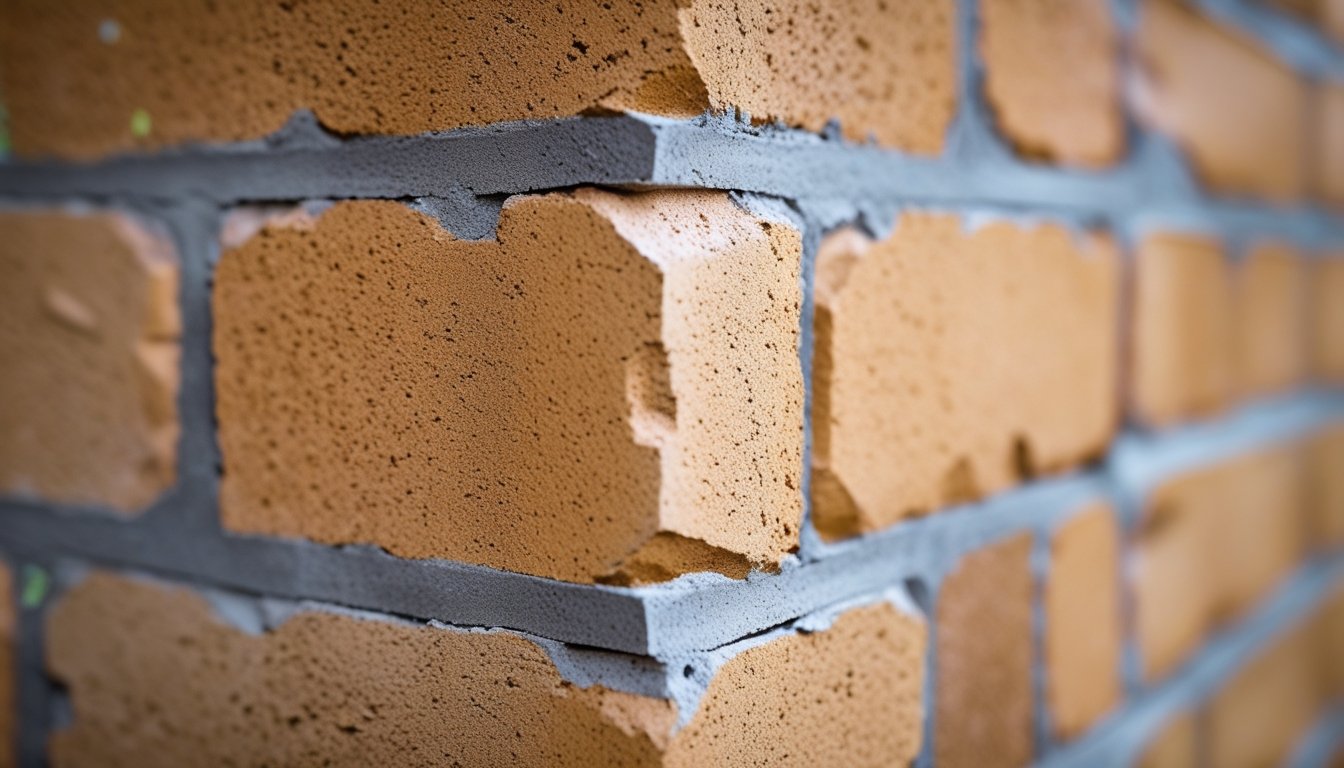
Hard tan bricks bring a balance of durability and classic warmth that enhances both traditional and modern settings. Its earthy tones and dense composition create a timeless look backed by strength that stands up to decades of wear.
New Orleans Brick & Stone supports this approach by offering hand-selected reclaimed Hard tan bricks drawn from century-old structures. These materials come with proven longevity and a heritage-rich patina that connects your build to craftsmanship rooted in history.
This article explores what defines Hard tan bricks, how to choose the right varieties, and where they perform best in design applications. You’ll learn practical installation, maintenance guidance, and insight into sustainability, performance comparisons, and future trends shaping this timeless brick style.
Key Takeaways
- Hard tan bricks offer durable, authentic color and texture for timeless designs.
- Reclaimed Hard tan bricks carry historic value and character.
- Fast delivery and expert support make sourcing easy and dependable.
What Are Hard Tan Bricks?
Hard tan bricks offer a rich, earthy color and exceptional durability that make them a distinctive choice for your building or restoration project. Their texture and strength provide both aesthetic charm and long-lasting performance.
Definition of Hard tan bricks
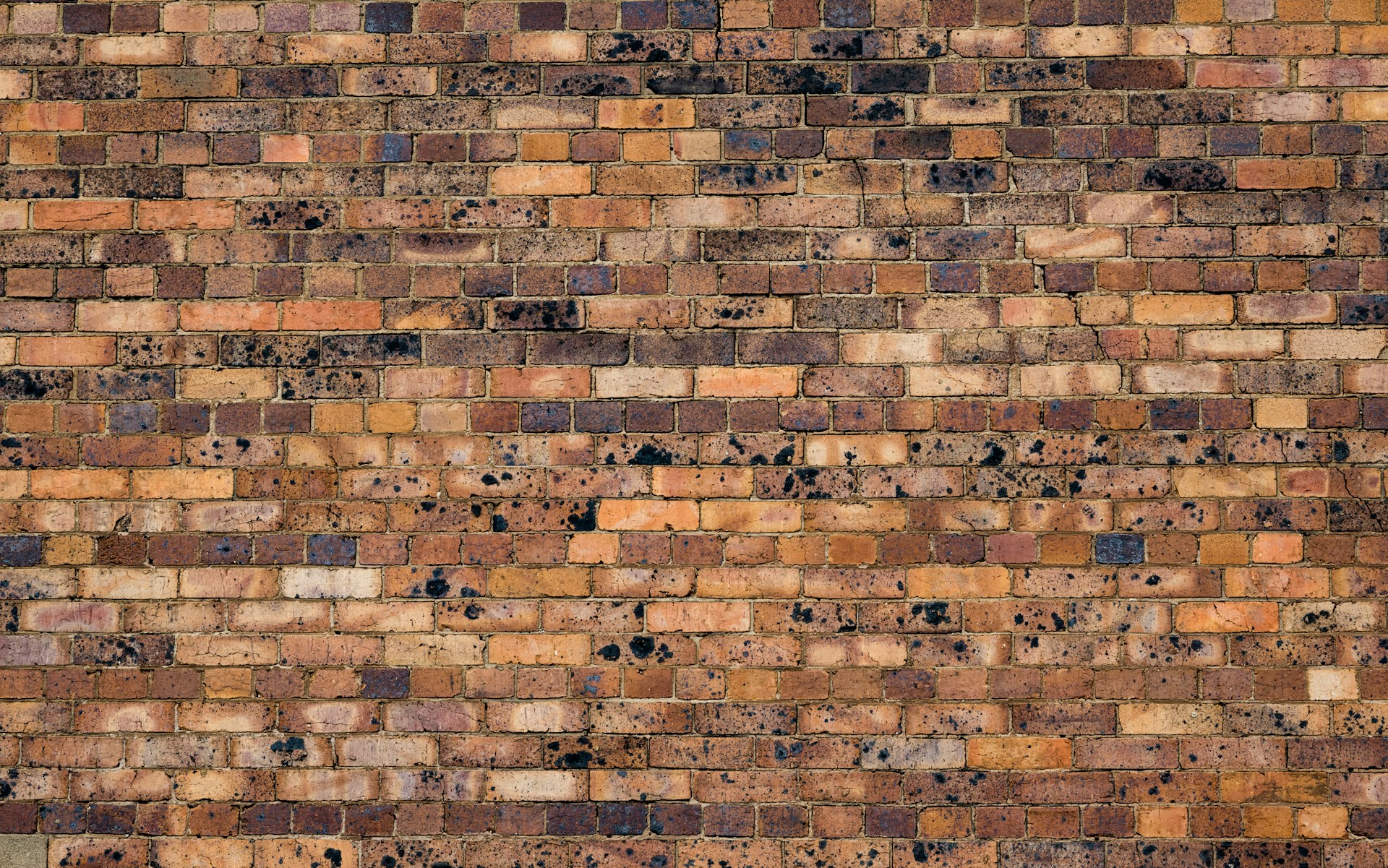
Hard tan bricks refer to bricks fired at high temperatures, resulting in a sturdy, dense material with a warm tan to light brown color. These bricks are often reclaimed from historic buildings, adding authenticity and character to your design.
Hard tan bricks show subtle variations in shade and texture, reflecting their handmade or traditional firing process. This uniqueness creates a natural, lived-in appearance perfect for restoring older homes or crafting new spaces with a timeless feel.
Key Properties and Features
Hard tan bricks provide durability and strength, resisting wear and weathering over time. Their dense composition makes them less porous, which helps prevent damage from moisture and frost.
The color palette usually includes warm tans, soft browns, and sometimes hints of red or rust, providing an earthy, inviting look. With age, they develop a rich patina, contributing to a sense of history.
Because these bricks are often reclaimed, you can expect variations in size and texture, making each piece unique. Their hard-fired nature helps them hold mortar well, ensuring strong construction.
Common Applications
Hard tan bricks are ideal for both structural and decorative uses. You can use them for exterior walls, fireplaces, walkways, and accent features where you want both beauty and resilience.
They work especially well in projects that honor historic architecture or need authentic reclaimed materials. Their strength and earthy aesthetic also make Hard tan bricks a smart choice for high-traffic areas or environments exposed to weather, where lasting quality matters.
Types of Hard tan bricks
Hard tan bricks come in various forms that balance strength, color, and texture to suit different building needs. You’ll find options that differ by how they’re made, their surface treatments, and the sizes or shapes available for your project.
Manufactured Varieties
Manufacturers produce these bricks using different methods, like traditional firing or machine pressing. Fired bricks provide durability with a classic look, while machine-made options deliver more uniformity in color and shape.
Hand-selected hard tan bricks offer authentic earthy hues and lasting strength. Because these bricks come from reclaimed sources, they carry the character of historic craftsmanship. This variety ensures you get pieces with subtle texture variations, giving your build soulful depth.
Surface Finishes
You can choose from several surface finishes based on your aesthetic and functional needs. Some Hard tan bricks have smooth finishes, ideal if you want clean lines and a polished appearance.
Others feature a rougher or sanded finish, which highlights the brick’s natural clay texture and adds visual interest. These finishes enhance the brick’s rustic charm, perfect for authentic restoration or warm, traditional designs.
Bricks with subtle variations in texture allow you to match finely finished or more hands-on, tactile surfaces.
Sizes and Shapes
Hard tan bricks come in standard modular sizes that fit most construction needs. Standard bricks typically measure around 2¼” x 3¾” x 8”, making them versatile for walls, facades, and patios.
Some manufacturers offer specialized shapes, such as bullnose or corner bricks, to complete edges smoothly. Larger or thinner bricks are less common but available if you want to replicate historical patterns or unique architectural details.
A trusted supplier can provide a range of shapes and sizes that respect traditional proportions without sacrificing practicality.
Benefits of Hard tan bricks
Hard tan bricks offer a combination of strength, timeless style, and ease of care. These bricks bring durability and beauty to your project while requiring minimal upkeep, making them a practical and attractive choice for both interiors and exteriors.
Durability and Longevity
Hard tan bricks stand out for their exceptional durability. It withstands harsh weather, heavy traffic, and daily wear without significant damage. This resilience makes it ideal for both structural use and decorative accents.
Reclaimed bricks from century-old buildings have already proven their longevity. Their dense composition and firing process result in bricks that resist cracking, chipping, and fading, ensuring your investment lasts for decades.
Aesthetic Appeal
The warm, earthy tones of Hard tan bricks add natural character to any space. Their subtle color variation and well-worn texture create a unique, timeless look that blends well with both traditional and modern styles.
Choosing reclaimed Hard tan bricks connects your project to architectural heritage. The authentic patina and nuanced surface offer a charm and depth that new bricks often can’t replicate. You’ll enjoy a distinct style rooted in craftsmanship and history.
Low Maintenance Requirements
Hard tan bricks are easy to maintain over time. It does not require frequent sealing or repainting, unlike some alternative materials. A simple routine of sweeping debris and occasional washing typically keeps it looking fresh.
Because hard tan bricks naturally resist stains and moisture absorption, they prevent mold and mildew buildup in damp conditions. This quality reduces maintenance costs and effort, allowing you to focus on other project details with confidence.
Choosing Hard Tan Bricks for Your Project
Selecting Hard tan bricks involves understanding your project's specific needs, design goals, and budget. You want materials that not only fit your aesthetic but also perform well over time without exceeding costs.
Assessing Project Needs
Start by evaluating the environmental conditions your brick will face. Hard tan bricks are strong and durable, making them suitable for both interior and exterior use in various climates. Their earthy tones adapt well to many settings, whether modern or historic.
Think about the brick’s functionality. Are you building a high-traffic area, a feature wall, or a facade? Hard tan bricks’ texture and strength offer resilience against wear and weather, which is crucial for lasting quality.
Design Considerations
Hard tan bricks provide a neutral, warm palette that blends easily with other materials. Their subtle texture can create visual interest without overpowering your design. This makes them excellent for projects aiming for a timeless, classic look.
You can pair Hard tan bricks with wood, stone, or metal elements to soften or emphasize architectural features. Consider the brick’s color variation and finish—these will impact light reflection and overall ambiance in your space.
Budget and Cost Factors
Price per brick starts around $2.00 for hard tan bricks, a competitive option given their durability and aesthetic appeal. Since these bricks are reclaimed, you reduce the environmental impact, adding value beyond just cost.
Factor in shipping and availability. Ready inventory and reliable nationwide shipping within 48 hours help keep your project timeline on track.
Consider labor costs as well. The brick’s texture and size affect installation time, so discuss with your builder how Hard tan bricks fit into your workflow. Investing in these bricks supports longevity, offsetting initial expenses over time.
Installation Process for Hard Tan Bricks
Installing Hard tan bricks requires careful preparation, precise laying, and proper finishing to ensure durability and aesthetic appeal. Each step builds on the quality of the previous one, making attention to detail essential.
Moisture Behavior and Freeze–Thaw Durability
Moisture movement plays a crucial role in the longevity of masonry, especially in climates with freeze–thaw cycles. The National Park Service explains that dense, well-fired historic bricks typically withstand freeze–thaw stress better than softer, more porous modern units.
Proper detailing, breathable mortar, and attention to drainage help reclaimed hard tan brick maintain structural integrity over time. Understanding how moisture interacts with reclaimed materials ensures your installation performs reliably and remains visually intact across changing weather conditions.
Site Preparation
Before laying Hard tan bricks, clear the site of debris, vegetation, and loose soil. You want a stable, level foundation that prevents shifting over time.
Create a compacted base using gravel or sand. This ensures good drainage and prevents water from pooling under the bricks, which can cause damage.
Check for proper slope—ideally, a slight grade away from structures for water runoff. If installing a wall, verify the footing is solid and deep enough to support the weight and resist frost heave.
Laying Techniques
Use a high-quality mortar mix appropriate for reclaimed brick, typically a blend of sand, lime, and cement. Keep joint thickness consistent, usually about ⅜ to ½ inch, for uniformity.
Start at a corner or edge, and use a level and string lines to keep courses straight and bricks aligned. Place the first course carefully, ensuring each brick is fully bedded in mortar with no voids.
Avoid excessive mortar scraping, as it can damage the brick's textured surface. Instead, tool joints are gently set after the initial set to create clean, defined lines.
Stagger vertical joints for structural stability and visual appeal. If cutting bricks for fits, use a saw with a diamond blade to prevent chipping and maintain the brick's character.
Curing and Finishing
After laying, protect your work from rapid drying by misting the bricks and covering with plastic sheeting, especially in warm or windy conditions. This curing process strengthens the mortar. Curing typically lasts 3 to 7 days. During this time, avoid applying heavy loads or pressure on the brickwork.
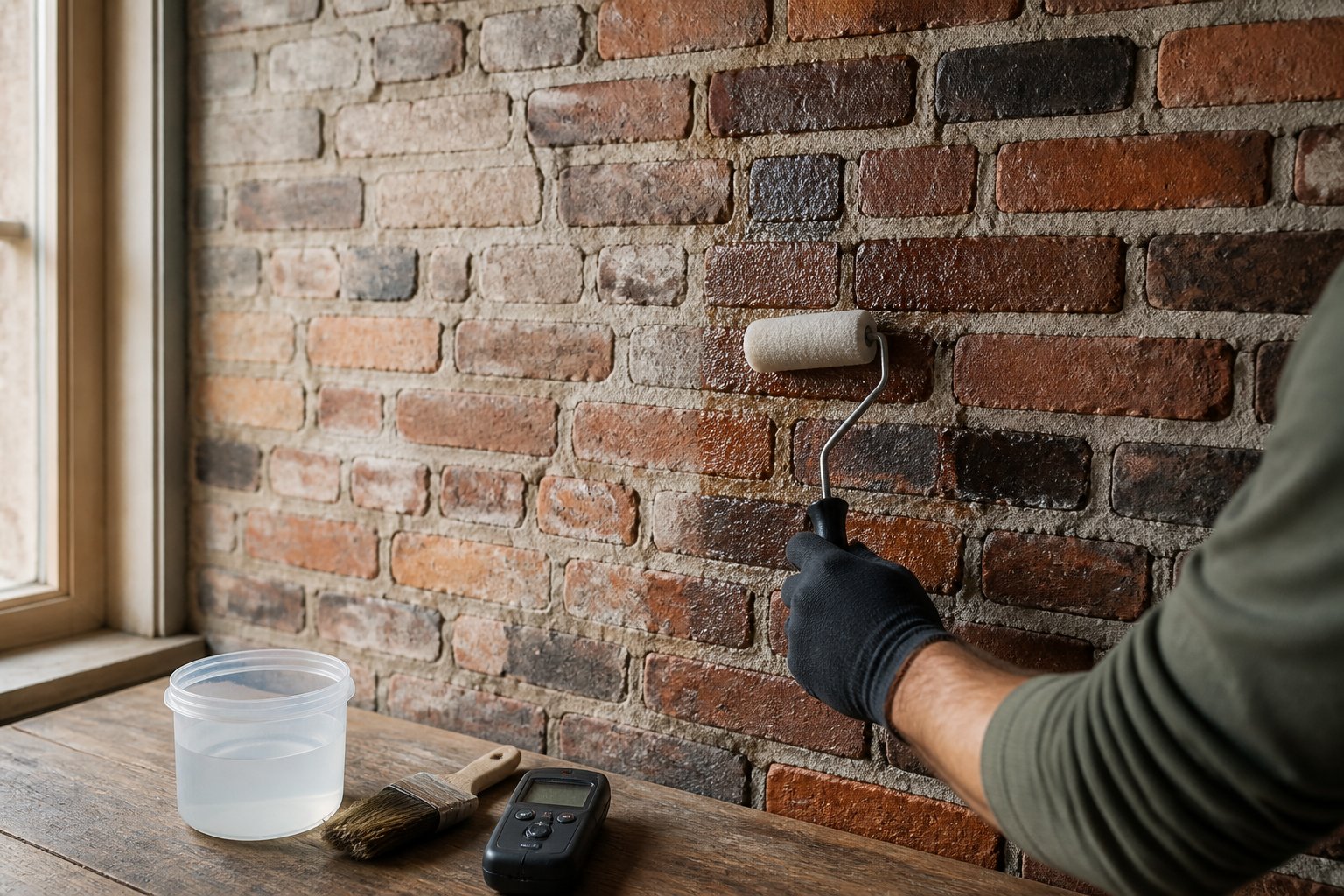
After curing, clean excess mortar gently with a soft brush and water; harsh cleaners can harm the reclaimed brick’s surface and patina. Proper sealing is optional but can enhance durability in harsh climates, so choose a breathable sealer if needed.
Maintenance Tips for Hard Tan Bricks
To keep your hard tan bricks looking their best, you need simple but effective care. Regular cleaning, careful handling to avoid damage, and prompt repairs will preserve its authentic charm and durability.
Cleaning Methods
Use a soft-bristle brush or broom to remove dirt and debris gently. For deeper cleaning, mix warm water with a mild detergent—avoid harsh chemicals that can erode the brick's surface.
Rinse thoroughly with clean water after washing. Pressure washing is possible, but set the pressure low to prevent surface damage. Test any cleaner on a small, hidden area first to ensure it won’t discolor or weaken the brick.
Regular cleaning every few months helps maintain the brick’s natural color and texture, especially if installed outdoors.
Preventing Damage
Protect bricks from impact and heavy abrasion by placing guards or barriers around vulnerable areas. Avoid using metal shovels or harsh tools during ice or snow removal to minimize scratching.
Use only breathable sealants designed for reclaimed brick to reduce water absorption and prevent salt deposits and efflorescence, which can weaken mortar and brick over time.
Ensure proper drainage for installations exposed to freezing cycles to avoid frost damage. Simple precautions help preserve the character and longevity of your brick investment.
Repairing Chips and Cracks
Small chips or cracks affect a brick’s appearance and can worsen if left untreated. Use a tinted masonry filler or epoxy putty matched to your brick color for minor repairs. For larger cracks, gently remove loose material before applying patching compounds.
If the damage is extensive, replace the brick with a matching piece from a trusted supplier. Fill mortar joints carefully to avoid excessive pressure on bricks during repair. Proper maintenance restores strength without compromising the authentic look of your Hard tan bricks.
Sustainable and Eco-Friendly Aspects
Choosing Hard tan bricks means investing in materials that respect the environment while delivering lasting quality. These bricks come from mindful manufacturing, reduce energy use in buildings, and offer strong potential for reuse.
Eco-Conscious Manufacturing
Hard tan bricks often come from reclaimed sources, reducing the need to extract raw clay. Salvaging bricks from century-old buildings cuts down on waste and landfill pressure.
The firing process for these bricks uses less energy than new brick production since they're often repurposed rather than freshly made, lowering carbon emissions.
By choosing reclaimed brick, you reduce demand for new materials, which helps preserve natural landscapes. This eco-conscious approach aligns with sustainable building goals and makes your project greener from start to finish.
Energy Efficiency
Hard tan bricks provide excellent thermal mass, helping regulate indoor temperatures. Your building stays cooler in summer and warmer in winter without relying heavily on heating or cooling systems.
The bricks store heat during the day and release it slowly, reducing temperature swings and lowering utility bills.
This natural energy efficiency supports energy-smart homes or commercial buildings, contributing to long-term savings and sustainability. You get durability and comfort while supporting better energy practices.
Recyclability
These bricks are highly recyclable and can be reused multiple times in new projects. Unlike many building materials, Hard tan bricks maintain their strength and appearance after removal and cleaning.
This circular use reduces demand for newly manufactured bricks, resulting in less construction waste and a smaller environmental impact.
Incorporating these bricks into your project helps you build with materials that truly last beyond one lifetime.
Popular Uses of Hard Tan Bricks
Hard tan bricks are valued for their strength, warm earthy tones, and historic character. It blends durability with a timeless aesthetic, making it a versatile choice across different construction and design needs.
Residential Construction
When building or restoring a home, Hard tan bricks offer lasting durability and authentic charm. Its natural, muted tan hues add warmth and subtle color variation to any façade or interior feature. Many custom homes use Hard tan bricks as exterior cladding or accent walls to anchor a traditional or transitional design.
The brick’s strength supports solid construction, while its heritage look connects your home to architectural history. It is especially popular in Southern-style homes inspired by A. Hays Town, where the texture and patina of reclaimed bricks bring character and soul.
Commercial and Industrial Projects
Hard tan bricks serve as a practical and aesthetic material for commercial and industrial buildings. It resists weather and wear, reducing maintenance costs over time. Its timeless appearance enhances storefronts, office buildings, and warehouses, contributing a welcoming yet professional look.
The muted tan tone offers a neutral backdrop that complements signage and landscaping. Architects often choose Hard tan bricks to add a tactile, historic texture while meeting modern building codes.
Landscaping Features
Hard tan bricks elevate outdoor spaces through their natural colors and rugged texture. Use it for patios, garden walls, walkways, or fire pits to create inviting, durable features. Its stone-like quality supports foot traffic and resists shifting in landscapes, helping your design last through seasons.
The warm tan color pairs well with greenery, stone, and wood elements. You can customize layouts with bricks in varied patterns or mix Hard tan bricks with other reclaimed materials for a unique, handcrafted look.
Hard Tan Bricks Versus Other Bricks
Hard tan bricks stand out for their unique earthy color and durability, making them a versatile choice for many projects. Comparing them to red bricks, concrete bricks, and considering cost differences can help you decide which brick fits your specific needs best.
Comparison With Red Bricks
Hard tan bricks offer a softer, warmer tone than traditional red bricks, providing a subtler variation in color. While red bricks tend to be bolder and more uniform, hard tans provide an aged, natural look that adds more character, especially in historic or reclaimed projects.
Both brick types share strong durability, but hard tans often come reclaimed, carrying the charm of age and wear. If you want to replicate or preserve a vintage aesthetic, hard tans deliver authenticity that red bricks might not match.
Performance Versus Concrete Bricks
Concrete bricks excel in cost and consistency but lack the texture and historical appeal of hard tans. Hard tan bricks, with their dense composition, are highly durable and weather-resistant, performing well in various climates. Unlike concrete bricks, hard tans retain their rustic look over time without needing heavy maintenance.
If your project demands both resilience and distinct character, hard tans provide a balance of beauty and toughness you might not find in concrete.
Cost Differences
Hard tan bricks generally cost more than mass-produced concrete bricks due to their reclaimed nature and the labor involved in sourcing and preparing them. However, they can be less expensive than premium red bricks, depending on availability.
Choosing hard tans means investing in material with both history and durability, which can add long-term value to your project.
Future Trends in Hard Tan Bricks
Expect greater demand for reclaimed Hard tan bricks as more builders and homeowners seek authentic, sustainable materials. The shift toward eco-friendly construction supports the reuse of century-old bricks that carry both character and durability.
Advances in cleaning and preparation technology will improve the quality and consistency of reclaimed bricks, allowing projects to rely on bricks that look historic but also meet modern performance standards.
A growing interest in blending old and new styles will pair Hard tan bricks with contemporary designs to create spaces that honor history while embracing fresh aesthetics.
Building With Character That Endures
Hard tan brick offers a combination of enduring strength, earthy beauty, and historic authenticity that elevates both indoor and outdoor spaces. Its dense composition, warm hues, and timeless appeal make it a reliable choice for projects that need longevity and lasting style.
New Orleans Brick & Stone provides hand-selected reclaimed hard tans bricks that carry real heritage from century-old structures. With dependable nationwide access, you can bring meaningful materials to your project while preserving craftsmanship across generations.
Build with confidence and character—reach out to request reclaimed hard tan bricks today and create a space grounded in history, durability, and timeless design.
Frequently Asked Questions
Hard tan bricks carry unique qualities rooted in their source and history. Their value depends on origin, craftsmanship, and present-day demand. This section answers practical questions about sourcing, historical significance, and how specific brick types compare.
Where can I find hard tan bricks for sale?
You can find hard tan bricks at specialty suppliers. They offer authentic reclaimed bricks from historic buildings with fast nationwide shipping. Local reclaimed brick dealers and historic salvage yards may also have hard tan bricks, but availability varies widely.
How does the history of hard tan brick influence its value?
Hard tan bricks from century-old buildings are prized for their durability and patina. Their historic origins add character and raise their value in restoration and custom builds. Bricks linked to regional architectural legacies often carry a premium because they connect your project to a rich heritage.
What are the characteristics of old Savannah Cherokee bricks?
Old Savannah Cherokee bricks are known for a soft tan color with slight variations and a rough texture. They often show signs of hand molding, giving each brick a unique character. These bricks have excellent durability and exhibit a warm, natural finish that suits both restoration and modern projects.
Can you compare the price of old San Luis bricks to old Texas bricks?
Old San Luis bricks tend to be pricier due to their rarity and distinctive red-orange hues with smooth textures. Old Texas bricks are generally more abundant, offering solid quality at a lower price point. Pricing varies with condition, size, and sourcing logistics, so direct quotes from suppliers give the best current rates.
What brick colors are currently trending in home construction?
Warm earth tones like tans, soft reds, and rich browns are highly favored. These colors deliver timeless appeal and complement both traditional and contemporary styles. Neutral shades with subtle texture remain popular for adding warmth without overpowering other design elements.
What is the difference between solid bricks and other types of bricks?
Solid bricks are dense, full-bodied units without hollow cores. They offer superior strength and insulation. Other types, such as hollow or perforated bricks, are lighter and often serve non-structural purposes.
Solid bricks provide durability and an authentic look, making them ideal for reclaimed materials in historic restorations.