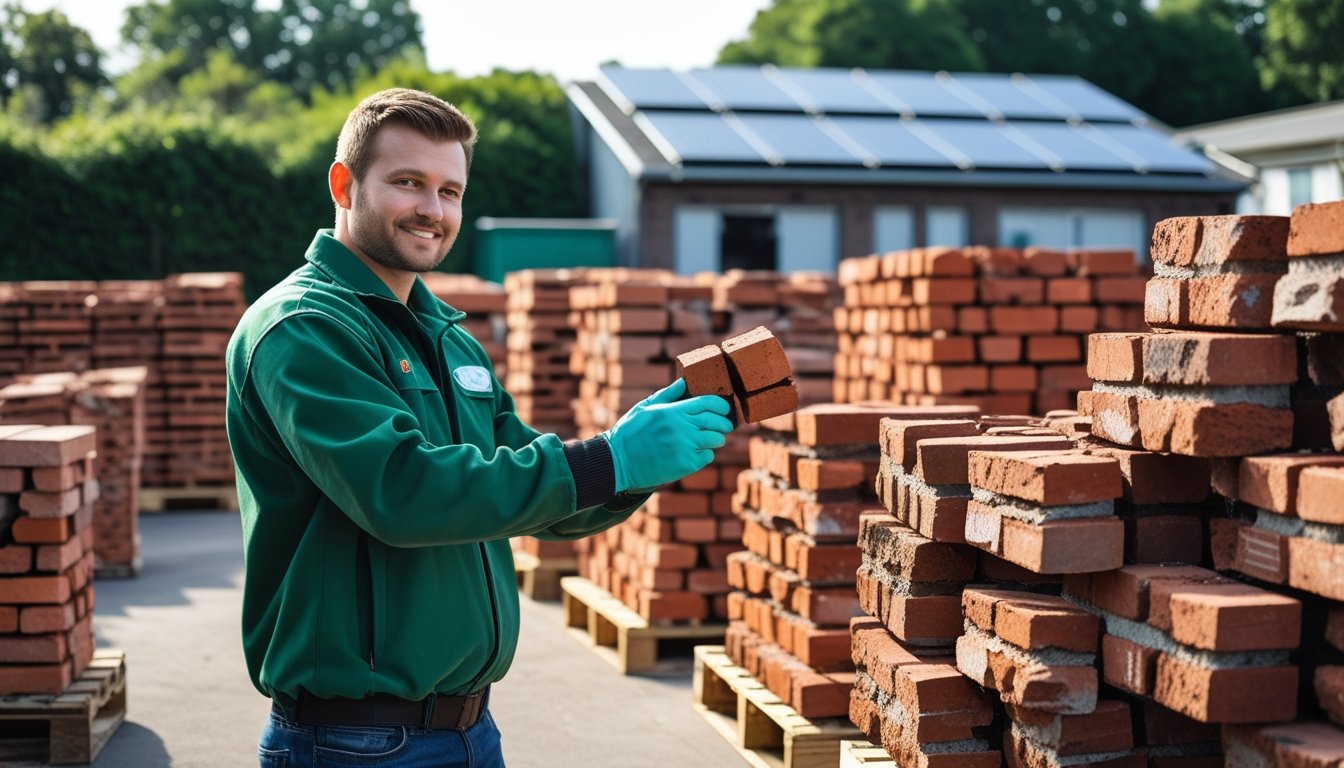
Sustainability and heritage come together beautifully in reclaimed brick. Choosing the right supplier means finding one that values both environmental responsibility and architectural authenticity. Reclaimed bricks offer timeless appeal while reducing waste and conserving resources.
At New Orleans Brick & Stone, sustainability begins with legacy. Each reclaimed brick is hand-selected from century-old structures, cleaned, and tested for strength before shipping—often within 48 hours.
In this article, we’ll explore what makes a reclaimed brick supplier truly sustainable—from responsible sourcing and preparation to fast, eco-friendly delivery. You’ll also learn how these materials contribute to long-term value, design character, and environmental stewardship.
What Is a Sustainable Reclaimed Brick Supplier?
A sustainable reclaimed brick supplier offers materials that reduce environmental impact while preserving historical character. They focus on sourcing, preparing, and delivering reclaimed bricks efficiently. Understanding their role, practices, and product types helps you choose the right partner for your project.
Definition and Industry Role
A sustainable reclaimed brick supplier specializes in salvaging bricks from old buildings, preventing waste, and lowering the demand for new materials. You get authentic bricks with a unique history and lasting quality.
These suppliers play a key role in reducing construction waste and promoting eco-friendly building methods. They carefully test and prepare bricks to ensure durability. By using reclaimed bricks, you reduce carbon footprints tied to manufacturing and transport of new bricks. This supports sustainable development goals without compromising design or strength.
Key Sustainability Practices
Sustainable suppliers focus on responsible sourcing, quality control, and waste reduction. They reclaim bricks from deconstructed sites rather than demolishing buildings outright. This preserves valuable materials while supporting historic preservation.
You benefit from bricks that are hand-selected and cleaned to meet safety and performance standards. These practices ensure the bricks maintain structural integrity and character. Efficient inventory management is vital.
Our team keeps stock ready to ship quickly, reducing delays and excess storage needs. They prioritize minimal packaging and use eco-friendly shipping to further lower environmental impact.
Environmental Standards in Brick Reuse
Reusing brick doesn’t automatically make a supplier sustainable. Verified environmental standards ensure reclaimed materials meet eco-friendly benchmarks.
According to the U.S. Environmental Protection Agency (EPA), responsible reuse programs reduce the embodied energy of construction materials by up to 90% compared to producing new ones. This benefit only applies when suppliers follow strict testing and recovery guidelines.
The EPA also emphasizes the importance of life-cycle analysis (LCA) and Environmental Product Declarations (EPDs) to confirm a material’s total environmental performance. Working with suppliers that document these details helps ensure your reclaimed brick truly supports a low-impact, sustainable build.
Types of Reclaimed Bricks Offered
Reclaimed bricks come in different forms to meet diverse project requirements. You can find:
- Antique bricks: From century-old structures, rich in texture and patina.
- Salvaged bricks: Carefully removed from buildings, ready for reuse.
- Thin bricks and veneers: Suitable for interior or decorative uses.
- Pavers: Durable bricks for outdoor paths or patios.
A reliable supplier offers a broad inventory, allowing you to match reclaimed bricks to your project's style and function. Every brick carries authentic character, connecting your build to architectural history with lasting quality.
Benefits of Choosing Sustainable Reclaimed Brick Suppliers
Picking a supplier of sustainable reclaimed bricks affects more than just your project’s look. It plays a key role in reducing environmental harm, managing costs, and achieving a unique style that new bricks can’t match.
Environmental Impact
Using reclaimed bricks means you’re not adding to landfill waste. These materials come from buildings that are 100+ years old, saved from demolition, and carefully cleaned for reuse. That lowers demand for new brick production, which uses a lot of energy and raw materials.
Reclaimed bricks also help reduce carbon emissions linked to manufacturing new bricks. By working with a trusted supplier, you support responsible reclamation practices that follow environmental standards. This way, your project contributes to greener building goals without sacrificing quality.
Cost Savings Potential
Choosing reclaimed bricks often costs less than buying new bricks, especially over time. Since these bricks are durable and made from longstanding materials, they reduce the need for frequent repairs or replacements.
Shipping times matter too our team maintains inventory and ships within 48 hours, saving you on long wait-related costs. You’ll also avoid markup prices common with larger suppliers. Buying from a family-run business that focuses on reclaimed materials cuts extra fees.
This makes your budget go further while still getting authentic, high-quality bricks.
Unique Aesthetic Value
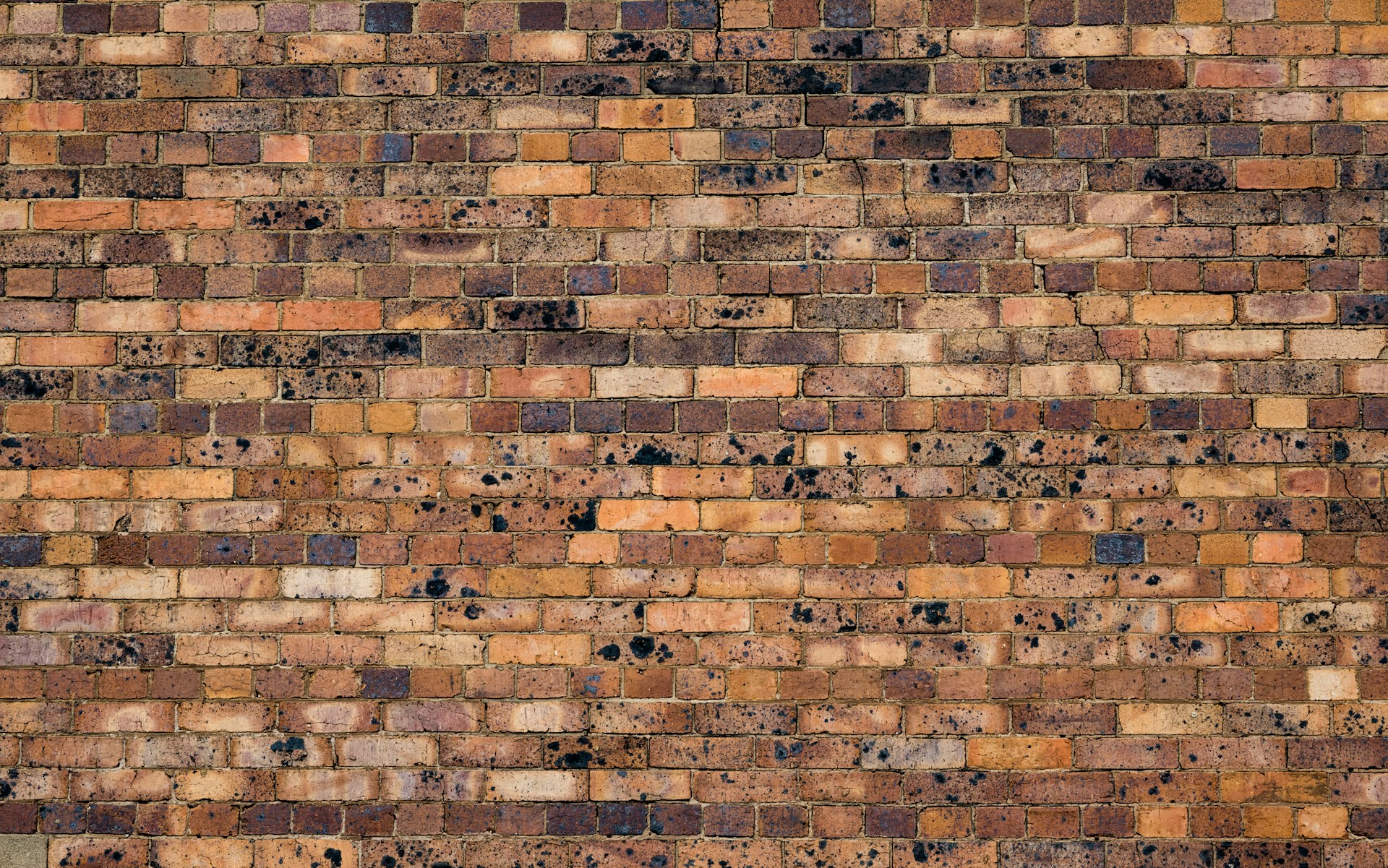
Reclaimed bricks have textures, colors, and patterns shaped by decades or centuries of wear, creating a look you just can't get from new bricks. This historic patina adds warmth and character to your building, helping your project stand out with timeless style.
Suppliers offer hand-selected bricks that match various design needs, whether for restoration or new construction. This unique appeal connects your work to architectural traditions and craftsmanship, giving your space a soulful presence that honors the past while looking to the future.
How to Evaluate a Sustainable Reclaimed Brick Supplier
When choosing a supplier, focus on their certifications, material sourcing transparency, and reputation. These factors ensure you get authentic, high-quality reclaimed bricks that meet standards and support sustainable building practices.
Certifications and Standards
Check if the supplier’s bricks meet established industry standards. Look for certifications like compliance with EN 771-1 or equivalent national standards. These confirm the bricks’ durability and suitability for construction.
A good supplier will provide test results for strength, water absorption, and frost resistance. This guarantees the reclaimed bricks will perform well over time.
Also, ask about environmental certifications linked to sustainability, such as proof that the bricks come from responsibly salvaged sources. This helps confirm the materials reduce waste and carbon footprint.
Material Sourcing Transparency
You want full visibility on where and how the bricks are sourced. A trustworthy supplier shares details about the original buildings and the reclamation process. Clear sourcing means the bricks are from century-old, structurally sound buildings, not random demolition waste.
This helps you confirm the material’s authenticity and history. Suppliers provide information on the age, style, and provenance of their inventory. Transparency here assures you of the brick’s quality and fits your project’s heritage goals.
Supplier Reputation
Reputation matters when buying reclaimed bricks. Look for suppliers with strong customer references and positive feedback from builders, architects, or homeowners. You want a supplier known for reliability, honesty, and good communication.
Quick shipment turnaround and hands-on service are signs of a trusted partner. Our team, for example, is well-regarded for our personal approach and ability to ship materials within 48 hours. This kind of service ensures your project stays on schedule with authentic reclaimed materials.
Sourcing and Processing of Reclaimed Bricks
When selecting reclaimed bricks, you want to ensure they come from solid, historic sources and are carefully prepared for reuse. The process involves skillful removal, thorough cleaning, and restoration to make the bricks ready for your project without sacrificing their authentic character.
Demolition and Recovery Methods
Reclaimed bricks come from buildings that are being carefully dismantled rather than demolished with heavy machinery. This method protects the bricks from damage and preserves their original texture and shape.
You can expect hand removal or the use of gentle tools like pry bars and chisels to avoid cracking or chipping the bricks. Once removed, bricks are sorted by size, condition, and color to maintain consistency for your build.
This approach supports faster availability and adds value by preserving the bricks’ historic patina and strength. Avoiding crushing or breaking during recovery ensures durability and longevity for reuse.
Cleaning and Restoration Techniques
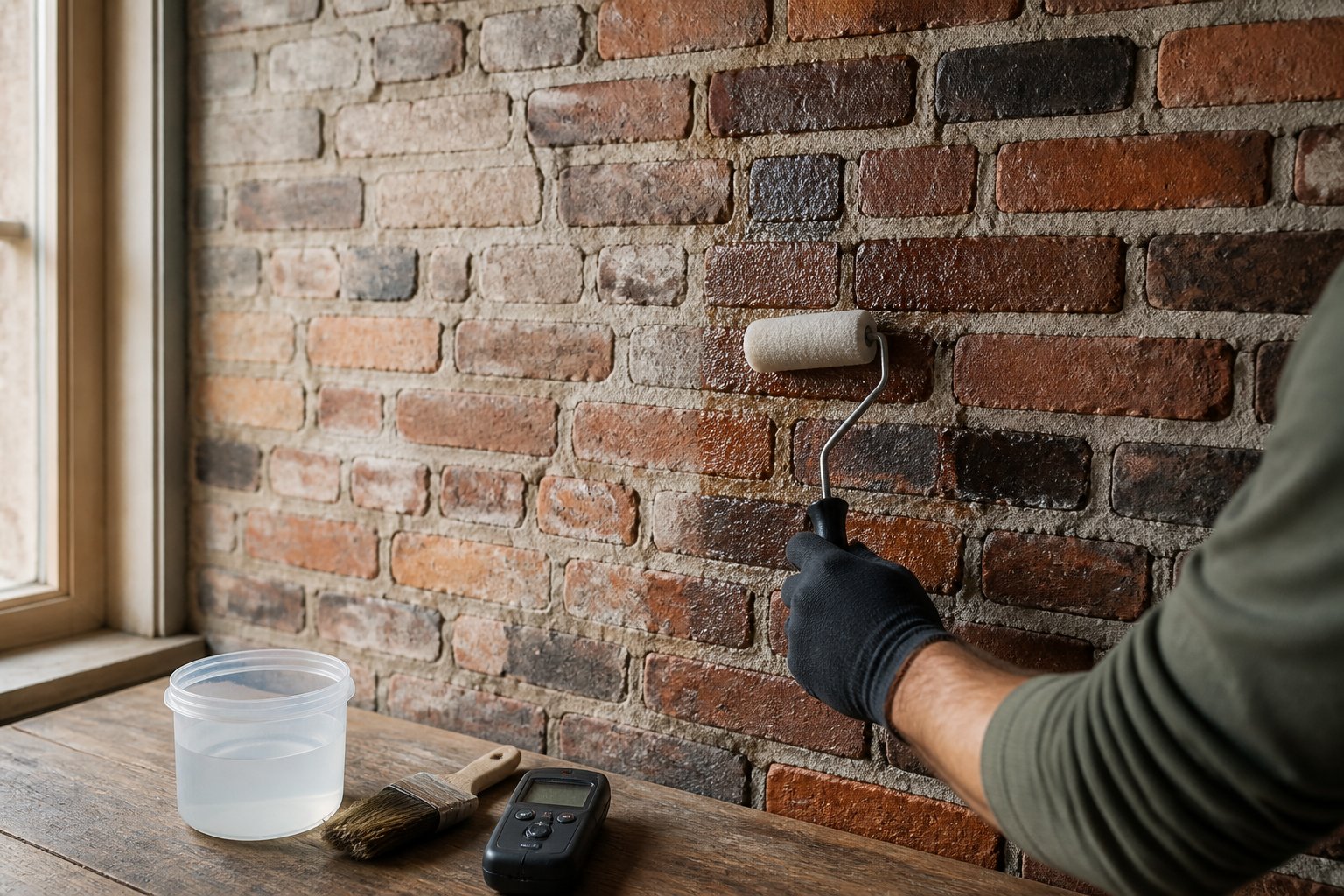
After recovery, bricks require cleaning to remove mortar, dirt, and stains. This process uses gentle methods such as wire brushing, water washing, and sometimes mild acids.
Harsh chemicals or sandblasting are avoided to prevent surface damage that can reduce the brick’s character. If needed, bricks are also restored to fix minor cracks or chips using compatible mortar or patching materials.
This maintains both the structural integrity and antique look. Proper drying and quality checks are done before shipment to ensure the bricks arrive ready to use. We focus on this care to deliver authentic materials that meet your project’s high standards.
Applications for Sustainable Reclaimed Bricks
Reclaimed bricks offer unique benefits across different types of projects. Their durability, historic patina, and eco-friendly nature make them suited for various building and design uses. You’ll find them useful whether updating homes, constructing commercial spaces, or enhancing outdoor areas.
Residential Projects
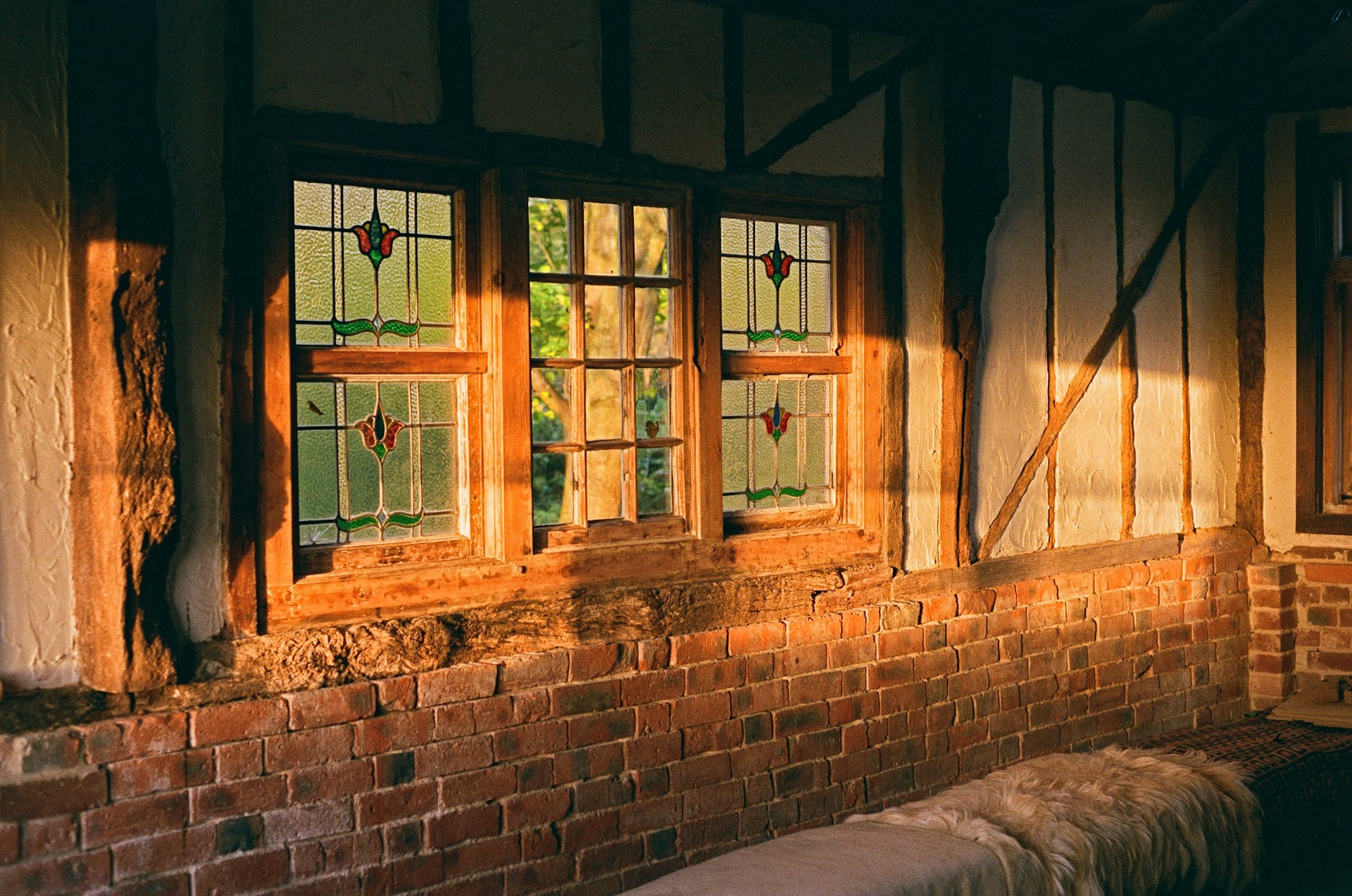
When building or restoring a home, reclaimed bricks add charm and character you can’t easily replicate. These bricks have natural wear and color variations from years of use. This patina brings warmth and a sense of history to your walls, fireplaces, or exterior facades.
Using sustainable reclaimed bricks helps reduce waste and lower your project’s environmental impact. You’ll also appreciate their strength and longevity, as these bricks have already proven their durability through time.
Commercial Construction
For commercial buildings, you need materials that combine quality with visual appeal. Reclaimed bricks deliver both. Their authentic texture gives your building a classic, welcoming look that stands out in any neighborhood or business district.
In addition, these bricks meet modern standards while keeping the spirit of historic craftsmanship alive. You can use them for both structural walls and decorative facades. Fast, reliable supply from suppliers ensures your timelines stay on track without sacrificing authenticity.
Landscape and Garden Design
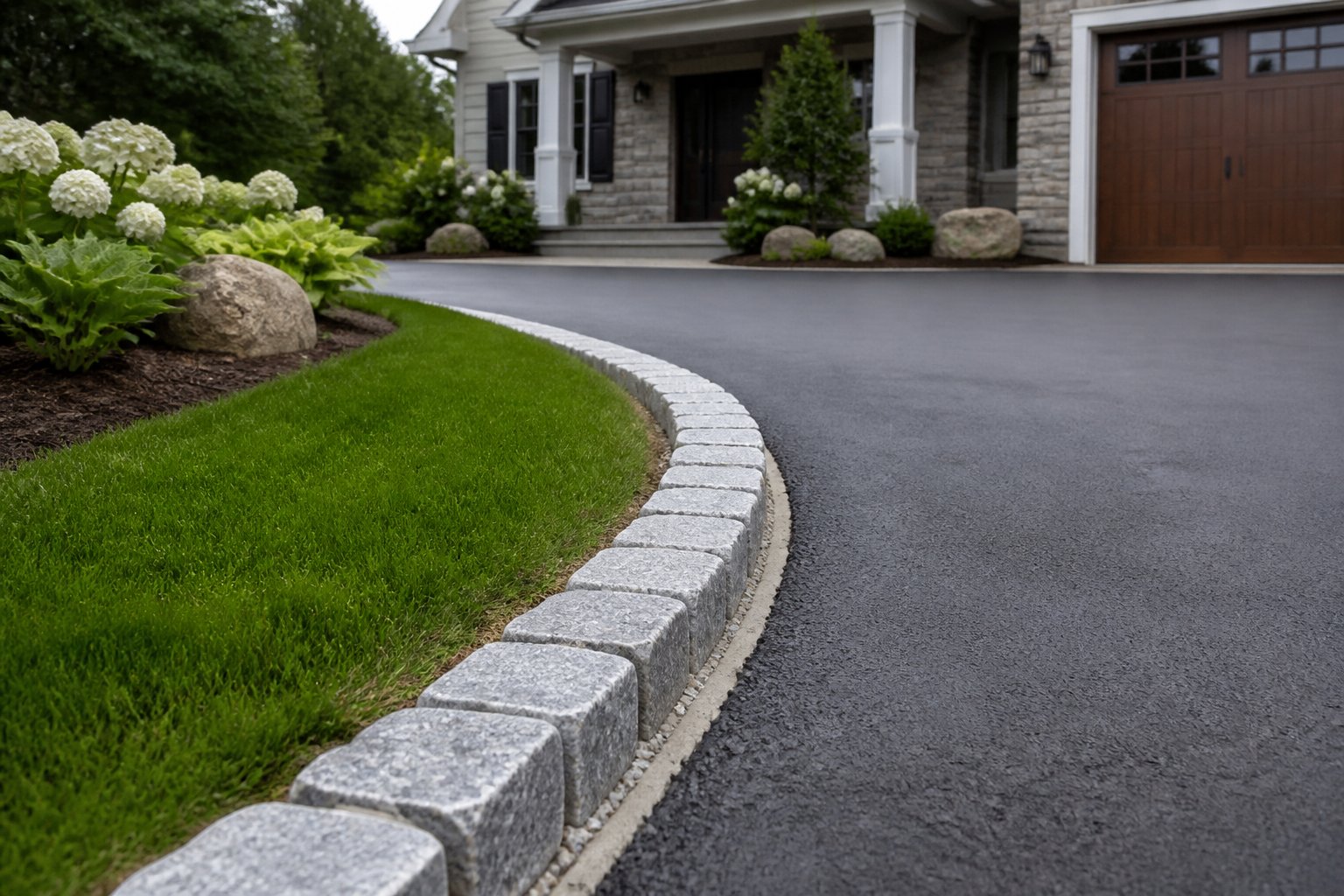
Reclaimed bricks work beautifully in outdoor spaces. You can use them for pathways, patio floors, garden borders, or fire pits. Their worn surfaces resist slipping and add rustic charm to your landscape.
Their natural weathering also means they blend well with plants and natural stone. Using reclaimed bricks outdoors supports sustainability by minimizing the demand for new raw materials. You get a stylish, durable, and environmentally responsible solution that improves your garden or yard.
Challenges in Sourcing Sustainable Reclaimed Brick Suppliers
Finding the right reclaimed brick supplier comes with specific challenges. You need to consider availability, maintaining consistent quality, and following regulatory rules. These factors can affect your project timeline and the authenticity of the materials.
Supply Chain Limitations
Sourcing genuine reclaimed bricks depends heavily on the supply chain. You may face shortages because reclaimed bricks come from old buildings, which are limited and can’t be harvested quickly. Transportation is another hurdle, as these materials must be carefully handled to avoid damage.
Long lead times and inconsistent inventory are common. Some suppliers keep large stockpiles to overcome this, but many do not. Our team keeps inventory ready to ship within 48 hours, which helps avoid delays on your projects.
Tracking the source of materials can also be difficult. Understanding where the bricks come from ensures authenticity and sustainability, but this requires transparency and communication from suppliers.
Quality Consistency
Reclaimed bricks vary in condition and appearance because each piece comes from a different historic building. You want bricks that meet standards for durability and visual appeal. Not all suppliers test or sort their materials carefully, which can mean you get bricks with unseen cracks or uneven wear.
Consistent sizing is also a concern since older bricks may not match modern dimensions exactly. You should work with suppliers who hand-select and prepare each brick. Our company, for example, emphasizes careful testing and sorting to maintain quality so you get durable, authentic materials that fit your design.
Regulatory Constraints
Using reclaimed bricks comes with legal and environmental rules. You might need permits for salvaging materials from old buildings. Local building codes can restrict the types of bricks allowed, especially in historic districts.
Health and safety concerns also come into play. Bricks from old sites can contain lead paint or other harmful substances. Suppliers must ensure these materials are safe for reuse.
Certification can be complex but is important—it confirms that bricks are truly reclaimed and meet sustainability standards. Make sure your supplier understands and complies with regulations, so your project avoids legal issues.
Future Trends for Sustainable Reclaimed Brick Supply
The market for reclaimed bricks is growing as more builders and architects seek authentic materials that lower environmental impact. You will see increased use of eco-friendly bricks that capture carbon and reduce construction waste.
New technologies are improving the quality and recyclability of bricks. These advances help materials last longer and fit modern building standards while keeping their historic character. Demand for faster delivery and reliable service is rising.
A reputable supplier can meet your needs by keeping inventory ready and shipping within 48 hours, so your projects stay on schedule. The value of reclaimed bricks will continue to rise, especially in heritage and restoration projects.
These materials can sell for 20–30% more than new bricks, reflecting their unique patina and durability. Sustainability drives design trends, including:
- Increased use of bricks reclaimed from old buildings
- Preference for materials with proven longevity
- Circular economy practices that encourage reuse and recycling
Choosing the Right Supplier for Your Project
When selecting a sustainable reclaimed brick supplier, consider several key factors to ensure your project runs smoothly and honors its heritage. First, look for authenticity. You want materials reclaimed from century-old buildings, showcasing real patina and strength.
This adds history and character to your space. Next, check for inventory availability. A reliable supplier keeps hand-selected materials ready to ship quickly—often within 48 hours. Personal service matters. You should be able to speak directly with experts who understand your project needs.
This avoids long wait times and miscommunication. Also, review the supplier’s commitment to sustainability. Choosing reclaimed bricks reduces waste and supports eco-friendly building practices. Confirm the supplier maintains fair and transparent sourcing.
Building a Greener Future With Reclaimed Brick
Working with a sustainable reclaimed brick supplier ensures your project reflects both environmental awareness and architectural integrity. Each reclaimed brick represents preserved history, reduced waste, and responsible craftsmanship.
At New Orleans Brick & Stone, sustainability and heritage are inseparable. Every brick is reclaimed from century-old structures, cleaned, and tested for strength before being shipped nationwide within 48 hours.
Choose materials that tell a story and protect the planet. Explore our authentic reclaimed brick and stone — crafted by history, delivered with care, and ready to build a greener tomorrow.
Frequently Asked Questions
Choosing a reliable supplier means thinking about quality, authenticity, cost, and environmental impact. It also involves checking certifications and knowing how reclaimed bricks benefit your project.
What factors should I consider when choosing a sustainable reclaimed brick supplier?
Look for suppliers with a strong inventory of genuine reclaimed bricks from historic sources. Fast shipping and customer support matter if your project has tight deadlines. Quality testing and preparation ensure durability and safety.
How does one verify the authenticity of reclaimed bricks?
Ask for the source of the bricks, such as century-old buildings with documented history. Genuine reclaimed bricks show unique aging, texture, and color variations that new bricks lack. Inspect any treatment or cleaning processes to confirm the material’s integrity.
Are there certifications to look for when selecting an eco-friendly brick supplier?
Yes, check for Environmental Product Declarations (EPDs) or similar documents that explain the brick’s life-cycle impact. Certifications from sustainability organizations prove the company’s eco-friendly practices and commitment to reducing waste.
What are the benefits of using reclaimed bricks in construction?
Reclaimed bricks provide unmatched character and history that new bricks cannot replicate. They reduce the demand for new materials, lowering environmental impact. These bricks often have stronger durability due to older firing methods.
How does the cost of reclaimed bricks compare to new bricks?
Reclaimed bricks may cost more upfront due to sourcing and preparation, but they add value through their uniqueness and durability. You can avoid markup from large suppliers by working with family-run businesses like New Orleans Brick & Stone.
What are the environmental impacts of sourcing and using reclaimed bricks?
Using reclaimed bricks reduces landfill waste and energy use compared to making new bricks. It helps preserve architectural heritage. Transport distances and packaging also affect the total environmental footprint.
When sourcing materials, New Orleans Brick & Stone provides hand-selected, authentic reclaimed bricks. Their inventory ships nationwide swiftly, supporting your sustainable, heritage-driven project with genuine craftsmanship and care.