Choosing between reclaimed and new brick comes down to more than just cost. It’s about balancing budget, design goals, and environmental impact. Each option offers different advantages in appearance, durability, and installation.
At New Orleans Brick & Stone, reclaimed materials are sourced from authentic historic structures and prepared for reuse with care. Every brick tells a story while meeting modern performance standards for restoration and new construction alike.
This guide compares reclaimed and new bricks in cost, strength, and sustainability. You’ll learn how pricing, labor, and material performance differ—and how to decide which choice fits your project best.
Key Differences Between Reclaimed Bricks and New Bricks
There are clear trade-offs in appearance, size consistency, and sourcing ease. Your choice depends on whether you value historic character, predictable dimensions, or convenient availability.
Appearance and Character
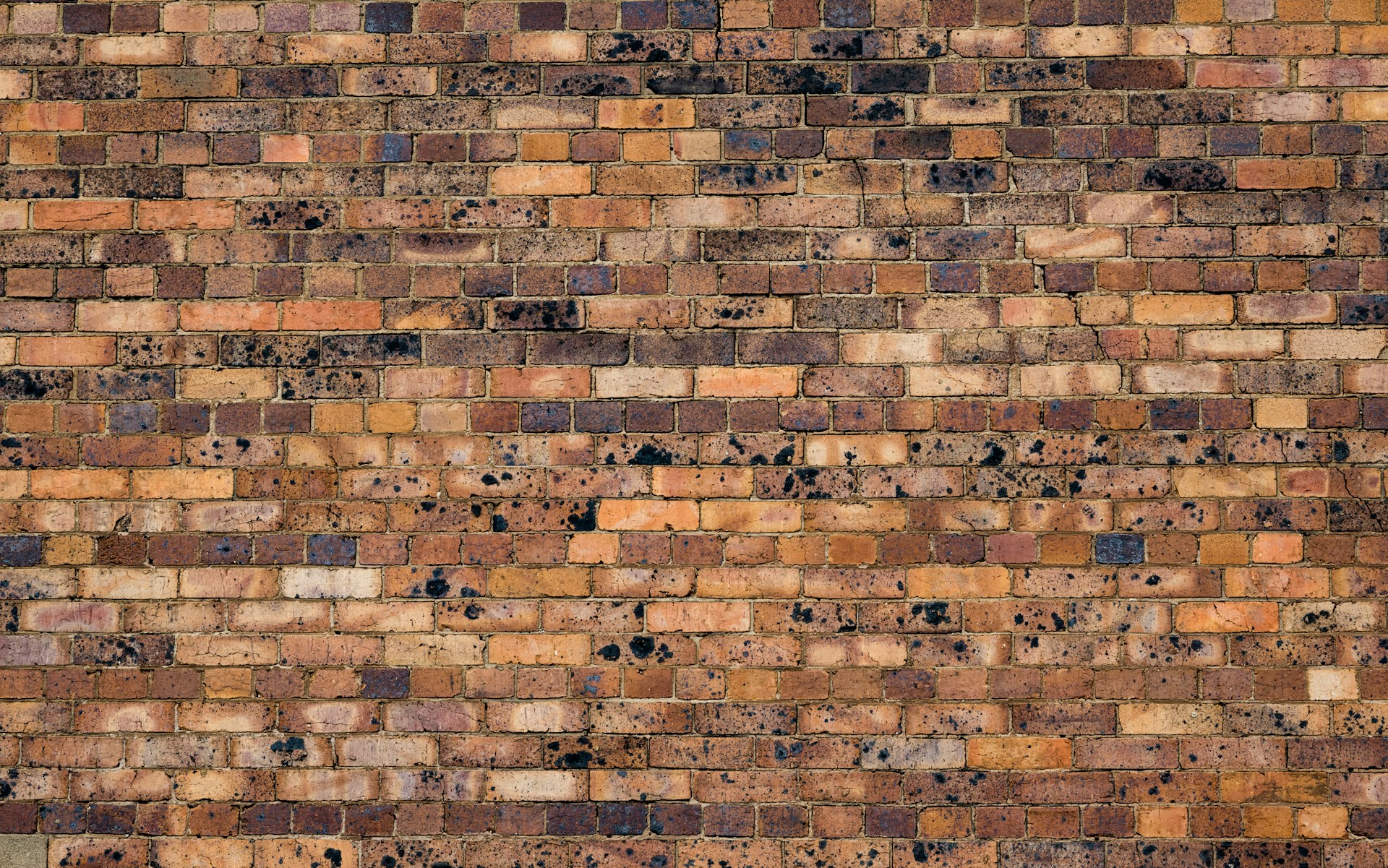
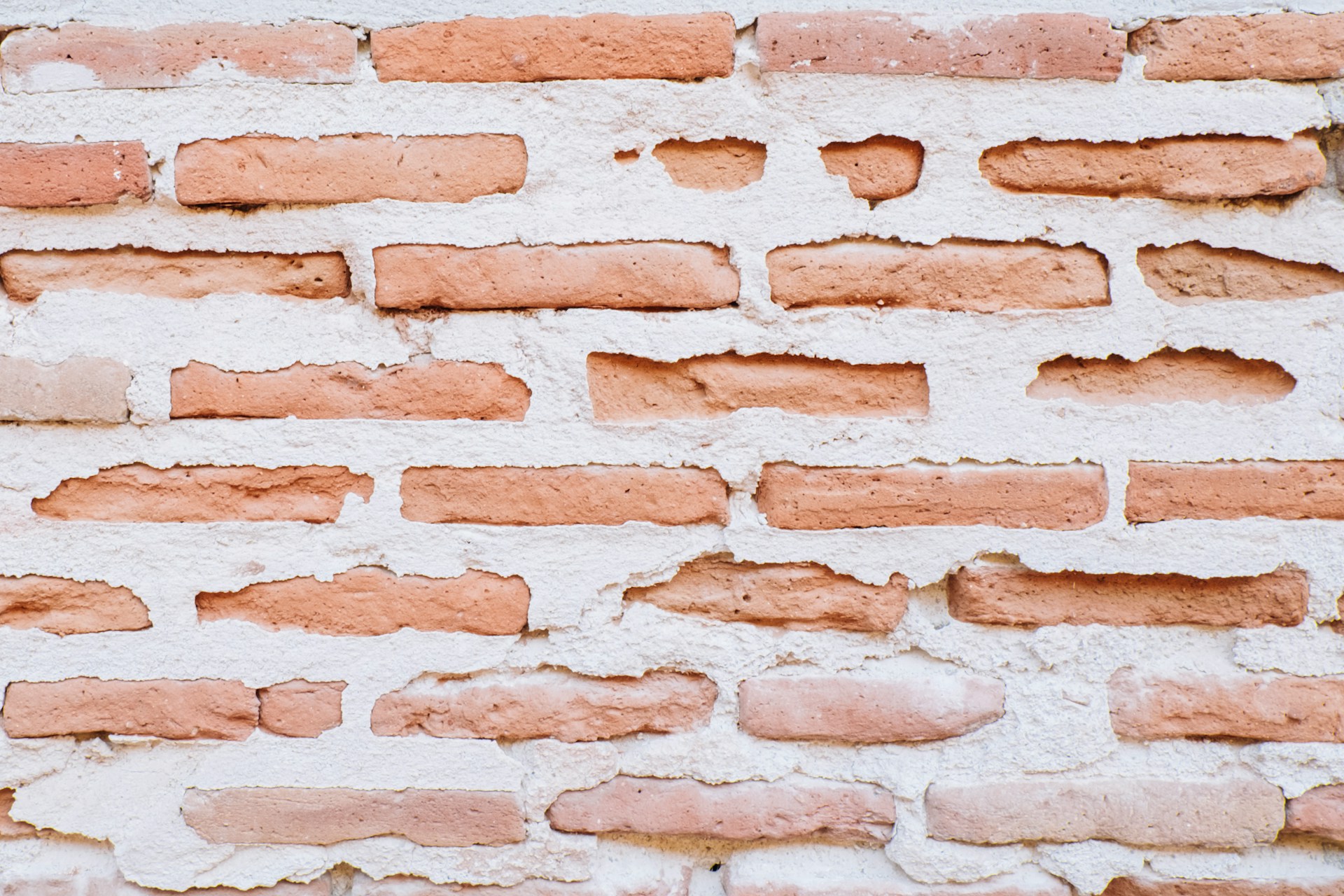
Reclaimed bricks feature weathering, irregular marks, and color variation from years of exposure. For period property restoration or conservation projects, salvaged brick matches existing materials better than new brick.
Historic bricks often have patina, mortar remnants, and softened edges that look authentic in repairs.
New bricks provide consistent color, texture, and sharp edges. If you want a modern, uniform look or need exact color batches, new bricks make it easier to achieve your design goals. They’re also available in various finishes for a controlled appearance.
Dimension and Consistency
Reclaimed bricks vary in size and shape due to older manufacturing methods and wear. Laying them often involves more cutting, pointing, and adjusting mortar joints, which can increase waste and labor unless you use well-sorted batches.
New bricks have standardized dimensions and tight tolerances. This consistency speeds up installation, reduces mortar use, and simplifies structural calculations. For projects needing precise patterns or compliance with modern building codes, new bricks make the process easier and often reduce labor costs.
Availability and Sourcing
Reclaimed bricks depend on demolition schedules and local salvage yard inventory. If you want a specific historic type, you may need to search widely or pay a premium for smaller quantities. While sometimes available for free, reclaimed bricks usually cost more per usable unit after cleaning and sorting.
New bricks are readily available in large quantities from manufacturers and distributors. You can order matched batches for big projects and benefit from reliable supply chains. For conservation areas, reproduction bricks can mimic historic types with consistent availability.
Cost Comparison: Reclaimed Brick vs New Brick
Reclaimed bricks generally cost more per unit but offer unique character and environmental benefits. New bricks are less expensive upfront, more uniform, and come with predictable lead times and performance ratings.
Purchase Price and Price Ranges
Reclaimed bricks typically cost $1.00 to $2.50 each for common types, with rare or antique bricks reaching $10–$30 apiece. New bricks usually cost under $1.00 each, with many standard options between $0.30 and $0.70.
By area, reclaimed brick installations often range from $10–$25 per square foot, while new brick installations are generally lower. Reclaimed stock may ship quickly if available, but sourcing specific historic matches can increase wait times.
Preparation, Cleaning, and Labor Expenses
Reclaimed bricks need extra cleaning to remove old mortar, sorting, and sometimes edge repairs. These steps add to processing fees and labor costs compared to new brick. Suppliers may include cleaning or testing fees to ensure code compliance.
On-site labor rises with reclaimed bricks due to size variation and fitting needs. New bricks save time and labor with consistent dimensions. Testing and certification may be necessary for structural or preservation standards.
Wastage Rates and Bulk Discounts
Expect higher wastage with reclaimed bricks—plan for 10–20% extra to cover breakage and mismatched pieces, compared to 5–10% for new bricks. This affects your material order and total cost, especially for projects needing precise matching.
Bulk purchases lower per-unit costs for both types. Salvage yards and suppliers often offer discounts and faster lead times for large orders. On mixed projects, use reclaimed bricks for visible areas and new bricks for hidden spots to balance cost and aesthetics.
Performance and Durability Factors
Your project’s load, climate, and use dictate which brick performs best. Reclaimed and new bricks differ in strength, moisture behavior, and long-term durability.
Structural Integrity
Check compressive strength and visual condition before buying. New bricks come with certified ratings for easy matching to engineering specs. Reclaimed bricks can match or exceed new-brick strength, but you should test samples if documentation is missing.
Inspect reclaimed bricks for cracks or frost damage. Remove warped or heavily chipped pieces to reduce waste, though this raises labor costs. For load-bearing walls, use bricks with documented strength or lab-tested batches, and mix reclaimed with new only if approved by your engineer.
Frost Resistance and Weather Performance
Frost resistance depends on porosity and water absorption. Bricks with high absorption can crack during freeze-thaw cycles. New frost-resistant bricks meet strict absorption standards, while reclaimed bricks require testing or careful selection for low-absorption batches.
Look for signs of freeze damage—cracks, flaking, or salt deposits—when choosing reclaimed bricks. In cold climates, specify bricks with freeze-thaw ratings or low absorption. Consider sealing or using special mortar mixes to reduce water penetration if needed.
Bricks in Fireplaces and Garden Walls
For fireplaces, use dense, refractory-rated bricks or liners for high temperatures; standard reclaimed bricks may crack under direct flame. For decorative facings, reclaimed bricks work if protected by a proper lining.
Garden walls face moisture and frost. Use low-absorption, frost-resistant bricks and mortar for exposed or retaining walls. Reclaimed bricks add texture, but use tested new bricks in critical structural areas if the reclaimed batch isn’t certified.
Sustainability and Environmental Impact
Reclaimed bricks reduce embodied carbon and landfill waste but may require extra labor and transport. Your choice affects energy use, material circulation, and the project’s environmental footprint.
Embodied Carbon and Energy Use
Reusing bricks from local demolitions lowers embodied carbon more than buying new ones. New bricks require high-temperature firing and produce more CO2, while reused bricks skip this process. Efficient reuse can reduce environmental impact by about 70–75% compared to new masonry.
Consider energy for cleaning and transport. Mechanical cleaning cuts labor and costs with minimal extra energy. Prioritize local salvage to maximize carbon savings, as long-distance hauling reduces benefits.
Environmental Savings of Reuse and Recycling
The National Park Service emphasizes that reusing materials such as brick conserves energy and reduces carbon emissions tied to manufacturing.
By avoiding new kiln firing, reclaimed brick minimizes waste and preserves historical resources. Local sourcing further reduces transport energy, making reclaimed masonry one of the most sustainable choices in modern construction.
Circular Economy and Waste Reduction
Using reclaimed bricks keeps materials in use and diverts them from landfills. This supports circular-economy goals by extending the life of existing bricks and reducing demand for new clay and fuel.
On-site reclamation or sourcing from local yards helps create secondary markets, reducing emissions and preserving the energy invested in the original firing process.
Sustainable Building Practices
Plan for deconstruction rather than demolition to recover more usable bricks. Document brick types and storage needs before removal to keep reuse value high. Careful stacking and labeling prevent breakage and reduce the need for replacements.
Specify compatible mortar mixes to avoid excessive cutting or patching. Use mechanical cleaning where possible and work with local salvage contractors to minimize transport emissions. Blending reclaimed and new bricks can meet both structural and aesthetic goals while reducing carbon and waste.
Installation Process and Practical Considerations
Consider labor skill, material variability, and timing when choosing between reclaimed and new brick. Reclaimed brick requires more sorting and flexible scheduling, while new brick offers consistency and a reliable supply.
Brick Installation Methods
You can use the same basic installation techniques for both brick types, but reclaimed bricks need more preparation. New bricks allow for quick, uniform installation with standard mortars and mechanized cutting. Labor rates vary by region and project.
With reclaimed brick, expect extra steps: manual cleaning, hand-sizing, and softer lime-based mortars to protect older bricks. Quality control and occasional trimming slow down installation. Have your mason inspect each reclaimed brick for cracks or frost damage before use.
Practical tips:
- Order a sample pack and have your mason test-lay a small panel.
- Budget for 10–20% extra wastage with reclaimed bricks.
- Specify mortar type in your contract to avoid incompatible mixes.
Matching and Sourcing for Conservation Areas
If your project is in a conservation area, matching appearance and material is essential for approvals.
Source bricks that match the size, color, and firing marks of the original facade to satisfy planning officers and conservation trusts. Salvage yards, reclamation specialists, and regional manufacturers are your best options.
Document provenance and provide physical samples early in the application process. You’ll likely need to submit photographs and a sample panel showing bonding and pointing. When you can't find exact matches, order custom-fired new bricks made to match historic profiles.
This costs more but can help with consent. Keep records of supplier certificates and delivery notes, as planners often request proof that materials meet conservation guidelines.
Project Timelines and Lead Times
Lead times affect cost and scheduling. New bricks usually ship within days or a few weeks, thanks to established supply chains. Manufacturers give reliable lead times, helping you schedule trades and reduce storage costs.
Reclaimed bricks have unpredictable lead times. Sourcing exact quantities from multiple salvage yards can add weeks. Cleaning, sorting, and on-site acclimation require extra time. Plan for longer procurement and include contingency in your schedule. Practical steps:
- Confirm supplier stock in writing and request staged deliveries.
- Add 1–3 weeks for reclaimed sourcing on small projects, longer for large volumes.
- Align mason start dates to delivery windows to avoid storage and weather damage.
Choosing the Best Brick Option for Your Project
Decide if you prioritize look, budget, or long-term upkeep before ordering bricks. Each option—historic reclaimed bricks, salvaged bricks, or new bricks—has different costs, availability, and care needs that affect installation and long-term expense.
Aesthetic and Historic Applications
If you want authentic patina, choose reclaimed or historic brick. Reclaimed bricks show weathering, irregular edges, and color variation that suit older facades or period restorations. Salvaged bricks from the same era or region give the best visual match for repairs.
New bricks offer consistency in color, size, and texture. They work well for contemporary builds or when you need a precise color palette. Order samples and lay out several square feet to confirm the visual effect under your site's light.
For visible restoration, use reclaimed bricks from similar-era structures. This reduces the need for staining or heavy surface treatment and keeps repairs historically accurate.
Budget and Project Scale
New bricks usually cost less per unit for large, straightforward walls because manufacturing and delivery are predictable. Uniform bricks lay faster and create less waste, saving on labor.
Reclaimed and salvaged bricks can be cheaper per piece if you find a local supplier, but expect higher labor and more waste. Broken or nonstandard sizes increase sorting time and mortar adjustments. Transport costs for bulk reclaimed bricks can erase upfront savings.
For small decorative projects or repairs, reclaimed bricks often make financial and aesthetic sense. For large exterior walls, new bricks usually offer lower installed cost and more predictable scheduling.
Long-Term Value and Maintenance
New bricks need less early maintenance because uniform joints and sizing reduce water ingress. Modern manufacturing also ensures reliable strength and frost resistance for harsh climates.
Reclaimed bricks can last as long as properly sorted and installed, but they may need more careful pointing, cleaning, and sealing. Test historic brick used in load-bearing walls for soundness and replace any spalled or weathered units to avoid hidden issues.
Plan for periodic repointing, possible sealing, and extra labor for irregular reclaimed units over 10–20 years. If you value authenticity and accept slightly higher maintenance, salvaged and reclaimed bricks add character and can boost property value when used properly.
Finding the Right Balance Between Budget and Authenticity
Reclaimed and new bricks each bring their own strengths to a project. New brick offers a predictable supply, lower labor costs, and design uniformity. Reclaimed brick delivers timeless character, sustainability benefits, and an authentic story built into every piece.
New Orleans Brick & Stone helps builders and architects make confident decisions by providing quality reclaimed materials that blend history with performance. Each brick is hand-inspected, cleaned, and ready for installation.
Need help estimating costs or comparing material options? Reach out for expert project guidance and learn how to source reclaimed brick that aligns with your design, schedule, and sustainability goals.
Frequently Asked Questions
This section gives cost ranges, labor differences, and sourcing comparisons so you can estimate budgets and choose the best option for your project.
What are the average price differences between reclaimed and new bricks?
Reclaimed bricks usually cost $1.00 to $2.50 each for standard pieces, while rare or antique bricks can reach $10–$30 each. New common bricks are typically under $1 per brick, so reclaimed bricks often carry a higher price for their character.
How much labor cost can I expect when laying reclaimed bricks compared to new ones?
Labor costs are higher for reclaimed bricks due to extra sorting and fitting. Expect 10–30% more labor hours, depending on the condition and size variation of the bricks.
What is the cost per 1000 for reclaimed bricks?
Standard reclaimed bricks cost about $1,000–$2,500 per 1,000. Specialty or rare bricks can exceed $10,000 per 1,000, depending on rarity and preparation.
Are there cost benefits to choosing reclaimed bricks over new ones for large projects?
You might save if you source reclaimed bricks locally and avoid high shipping fees. However, extra cleaning, testing, and labor can offset savings unless you secure a large, consistent supply.
How does the cost of bricks at major retailers like Home Depot compare to reclaimed brick prices?
Major retailers sell new bricks at lower prices, often well under $1 per brick, with predictable stock and sizing. Reclaimed bricks usually cost more per unit and vary in size and appearance, unless you find local salvage at a low price.
Do reclaimed bricks offer better quality or durability than new bricks?
Many reclaimed bricks are structurally sound and made using older methods that can produce strong units. However, you should test their strength, absorption, and bond quality. Durability depends on the source, so reclaimed bricks are not always better than new ones.