Reclaimed natural stone flags bring texture, history, and an unmistakably grounded beauty to outdoor spaces. Their weathered surfaces and organic color shifts tell stories shaped by decades of use, giving landscapes a depth that new quarried stone rarely achieves.
Designers, builders, and homeowners who value real heritage often turn to New Orleans Brick & Stone. We offer hand-selected reclaimed stone flags with provenance. Each piece shows the strength and craftsmanship of historic structures, providing character and performance.
This guide explores what reclaimed stone flags are, how they compare to new materials, and where they excel in landscape and architectural design. You’ll learn essential sourcing strategies, installation practices, and maintenance guidance.
Key Takeaways
- Reclaimed stone flags offer authentic, historic character for outdoor spaces.
- These durable materials support sustainable, heritage-driven builds.
- Immediate availability ensures fast, reliable delivery for your project.
What Are Reclaimed Natural Stone Flags?
You’re looking at natural stone flags that carry a distinct history and character. These pieces deliver durability and unique textures while staying true to sustainable, heritage-driven design.
Understanding their composition, how they differ from new stone, and the varieties available can help you choose exactly what fits your project.
Definition of Reclaimed Flagstones
Reclaimed natural stone flags are salvaged flagstones taken from old buildings, sidewalks, or other stone structures. They’ve been carefully removed, cleaned, and prepped for reuse in new settings.
Each flagstone carries the marks of time—wear, weathering, and patina—that give it a look impossible to replicate with new stone. These stones are typically 100 years or older, offering authenticity and a story embedded in every piece.
By choosing reclaimed flags, you connect your work to the legacy of craftsmanship and historic durability. This approach ensures you are using materials already proven resilient over decades or even centuries.
Comparison With New Stone Flags
New stone flags come freshly quarried and cut, often showcasing uniform color and texture. In contrast, reclaimed flags exhibit variations, imperfections, and natural aging signs that create a one-of-a-kind surface.
This irregularity adds character and a sense of history that new stone cannot offer. Reclaimed flags tend to have a tighter, denser composition due to age, increasing their durability in outdoor applications.
New stone might be more consistent, but it lacks the weathered charm and depth of character. You also benefit environmentally since reclaiming reduces quarrying demand and material waste.
Types of Natural Stone Used
Natural stone flags come primarily from granite, sandstone, limestone, and bluestone. Each type brings distinct qualities you should consider:
- Granite: Hard, dense, and highly durable with coarse-grained texture. Ideal for high-traffic outdoor areas.
- Sandstone: Softer, more porous, with warm, earthy tones. Offers rustic charm, especially in patios and walkways.
- Limestone: Smooth, uniform texture, often pale or neutral in color. Common in historic architecture, good for elegant surfaces.
- Bluestone: A type of sandstone with blue-gray hues, prized for slip resistance and beauty in patios and garden paths.
Our store specializes in sourcing these authentic materials. You get access to hand-selected reclaimed stone with rich history and exceptional quality.
Benefits of Reclaimed Natural Stone Flags
Choosing reclaimed natural stone flags brings advantages that go beyond looks. You gain materials that tell a story, stand strong through the years, and reduce environmental impact. These stones add character while supporting sustainable building practices.
Environmental Sustainability
When you use reclaimed stone flags, you’re diverting quality materials from landfills. This reduces the need for new quarrying, which means less disruption to natural landscapes and lower energy consumption in production.
Reclaimed stones often come from century-old buildings, so they carry a much smaller carbon footprint than freshly quarried stone. This reduces your project’s environmental impact significantly.
By selecting these stones, you're making a conscious choice to promote conservation. Using reclaimed stone aligns well with green building certifications and sustainable architecture goals, giving your project eco-credibility.
Unique Character and Aesthetics
Your reclaimed stone flags come with natural patina and texture that new stone can’t replicate. Each piece has subtle variations shaped by time, offering a one-of-a-kind look for your outdoor or indoor space.
These materials reflect authentic craftsmanship and history. Their weathered surfaces and color shifts tell stories that connect your project to architectural heritage.
Using reclaimed stone allows you to create a design that feels timeless and soulful. Whether laid in a pathway or a patio, this uniqueness adds warmth and personality to every corner of your home.
Long-Term Durability
Reclaimed natural stone flags are tested by decades, often over a century, of exposure to weather and wear. This proven durability means they stand strong against harsh elements in your climate.
Unlike some new materials, these stones don’t easily crack or fade. They maintain their integrity for years, which reduces the need for costly repairs or replacements.
Our experts hand-select and prepare each piece to ensure quality and performance. Their inventory is ready to ship quickly, so you get dependable materials without waiting long.
Sourcing and Authenticity
When choosing reclaimed natural stone flags, understanding where your materials come from and how to verify their authenticity is key. You'll want to work with suppliers who prioritize responsible sourcing and provide genuine, durable stone that fits your project's heritage and design needs.
Best Practices for Sourcing
Look for stones reclaimed from historic buildings that are at least 100 years old to ensure authentic character and durability. The source should offer a clear history of the material’s origin, including its age and previous use.
Ask the supplier about their inventory management. Reliable businesses maintain meaningful stock for immediate availability, so you won’t face long delays. Our service, for example, ships nationwide within 48 hours. Always request samples to assess texture, color, and weathering.
Visual inspection helps confirm the stone’s natural variation and time-earned patina, which new quarried stone can’t replicate.
Identifying Genuine Reclaimed Stone
Authentic reclaimed stone has distinct surface wear, chipping, and soft edges from decades of use. These imperfections give the stone its unique character and are hard to fake or reproduce.
Look for signs like mortar remnants, nail holes, or patch marks that show real prior installation. The stone’s color should have subtle fading or discoloration consistent with age and exposure.
Beware of artificially aged stone or veneer products that mimic reclaimed looks. Genuine reclaimed stone is heavier, denser, and feels cold and solid compared to lightweight imitations.
Responsible Suppliers
Choose suppliers who actively test and prepare materials to ensure structural integrity and consistency. They should honor a transparent sourcing philosophy that respects both the environment and architectural history.
A responsible supplier offers detailed provenance and can answer questions about the stone’s extraction and handling. At a trusted company, this responsibility is part of the family legacy, ensuring every piece meets high standards.
Working with trusted suppliers means you get real reclaimed stone that supports sustainable building practices while adding authentic character to your project.
Uses for Reclaimed Natural Stone Flags
Reclaimed natural stone flags offer versatile options that add character and durability to your spaces. Whether enhancing your outdoor landscaping, creating inviting patios, or upgrading interiors, these materials bring authentic texture and history to every project.
Landscaping Applications
Using reclaimed stone flags in landscaping brings a historic charm that new materials can’t replicate. Their weathered surfaces and natural colors blend seamlessly with plants and natural settings.
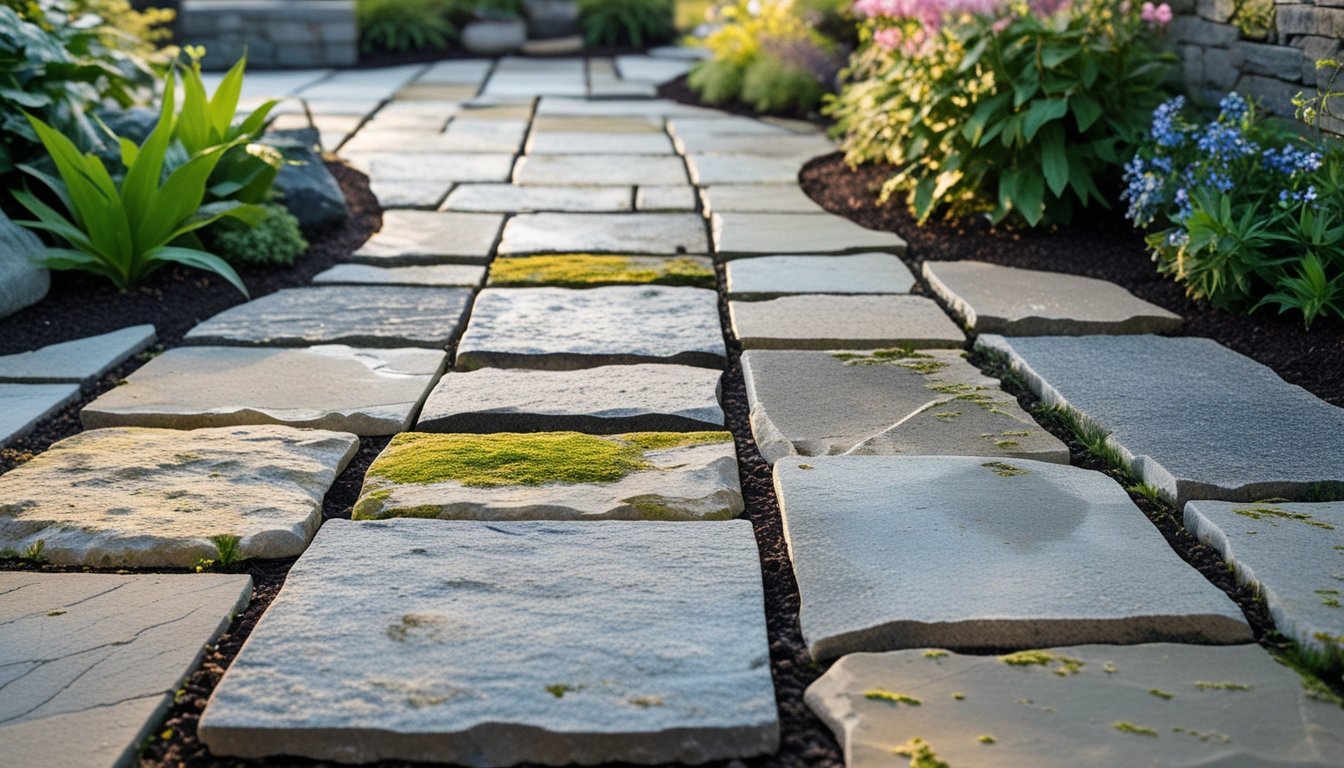
You can use these flags for garden paths, stepping stones, or retaining walls. Their durability handles foot traffic and outdoor conditions well.
Because each stone is unique, your landscape feels one-of-a-kind. At some stores, hand-selected stones come with a patina developed over centuries. This heritage adds depth to your garden, making every walkway or border a subtle statement of craftsmanship and history.
Patios and Outdoor Spaces
For patios, reclaimed stone flags offer a durable, slip-resistant surface that ages beautifully. They resist cracking better than newer stones, making them perfect for long-term outdoor use.
The unique textures and colors provide warmth and rustic appeal, an ideal choice for entertaining areas. You can arrange flags in herringbone, random, or classic patterns to suit your style.
Choosing reclaimed stone also supports sustainability by reusing materials instead of new quarrying.
Interior Flooring
Inside your home, reclaimed natural stone flags create timeless floors full of character. Their rich textures and subtle color variations bring warmth to kitchens, entryways, or sunrooms.
These stones are highly durable, resisting wear and maintaining beauty in high-traffic spaces. Their non-glossy, natural finish offers a matte, slip-resistant surface that’s easier to maintain than polished floors.
By using reclaimed stone indoors, you connect your space to architectural history and craftsmanship.
Installation of Reclaimed Stone Flags
Installing reclaimed stone flags involves careful preparation, choosing the right laying methods, and applying proper jointing techniques to ensure durability and aesthetic appeal. Each step influences how well the stone integrates with your space, balancing historic character with modern needs.
Sub-Base Engineering for Heritage Stone
Reclaimed stone flags thrive on well-engineered foundations that support their varied thickness and weight. A layered base helps prevent movement and settling, especially for stones salvaged from historic sites. Proper grading and compaction reinforce the stone’s strength and enable water runoff.
Guidance from the Louisiana State University AgCenter highlights that base stability and proper moisture management are essential for long-lasting masonry installations. The more consistent the sub-base, the better reclaimed stone performs across seasons.
Applying these engineering principles protects the structural integrity of your reclaimed flags while preserving their time-earned character.
Site Preparation Guidelines
Start by assessing the area’s drainage and soil stability. You want a firm, level base to prevent shifting or cracking later. Excavate to a depth of at least 6 inches plus the thickness of the stone. Next, lay a compacted sub-base of crushed stone or gravel.
This layer ensures good drainage and supports the stone evenly. Compact it thoroughly before adding a 1-2 inch bedding layer of sharp sand or stone dust.
Make sure the site slopes slightly—about 1/8 inch per foot—to direct water away from structures. Avoid installing on poorly drained or uneven ground, which can lead to premature damage.
Choosing the Right Laying Techniques
You can lay reclaimed stone flags in dry-laid or mortar-set methods. Dry laying allows natural drainage and flexibility, ideal for patios and pathways. Use spacers to maintain consistent gaps for jointing.
If stability is essential, such as for steps or heavy-use areas, mortar setting offers stronger adhesion. Use a lime-based mortar to match the historic nature of the stone and avoid harsh chemicals that can damage it.
Arrange your stones carefully to highlight their unique shapes, colors, and textures. Varying patterns add visual interest but keep stones tightly fitted to minimize movement.
Jointing and Finishing Recommendations
Jointing protects the stone edges and enhances appearance. For dry-laid stones, fill gaps with fine gravel, sand, or polymeric sand for durability against weeds and erosion.
If mortar is used, tool the joints to a smooth or concave finish according to your desired look. Avoid overly flush joints, which might trap moisture.
Consider sealing the stone if it will face heavy weather or staining risks. We recommend testing sealers on a small area to ensure the stone’s patina isn’t altered. Proper jointing and finishing preserve the heritage and integrity of your reclaimed stone installation.
Maintenance and Care
Keeping your reclaimed natural stone flags looking their best requires attention to regular cleaning and prompt stain prevention. Proper care ensures the stone retains its character and longevity, preserving the authentic look you value.
Routine Cleaning Tips
Start by sweeping your stone flags regularly to remove dirt and debris that can scratch the surface over time. Use a soft broom or a leaf blower for light cleaning.
For deeper cleaning, wash the stone with a mixture of warm water and mild dish soap. Avoid harsh chemicals like bleach or acidic cleaners, which can damage the stone’s natural finish.
Rinse thoroughly with clean water to remove soap residue, and let the stones dry completely. If necessary, use a garden hose with moderate pressure; high-pressure washers might erode joints or delicate edges.
Consider applying a breathable sealant to protect your stones without trapping moisture, but make sure it’s suitable for historic, reclaimed materials. Our team offers guidance on sealants that maintain the stone’s heritage and natural texture.
Preventing Damage and Stains
Act quickly to clean spills like oil, wine, or grease, which can permanently mark reclaimed stone. Blot spills immediately—do not rub, as this spreads the stain.
Use pH-neutral cleaners designed for natural stone to remove stubborn stains. For organic stains, such as moss or algae, a diluted hydrogen peroxide solution can be effective, but test it on a small, hidden area first.
Protect your stone flags from heavy impacts by placing furniture pads or mats under heavy objects. Avoid dragging items across the surface to prevent scratches.
Maintain the integrity of mortar joints by inspecting them regularly. Prompt repairs of cracks and gaps prevent water infiltration, which can cause long-term damage.
Design Ideas and Inspiration
Using reclaimed natural stone flags adds unique texture and history to your spaces. Whether you prefer classic charm or a sleek contemporary look, these materials adapt well to various design styles, giving your outdoor areas lasting character.
Traditional Design Approaches
If you want to evoke timelessness, start with classic layouts like herringbone or running bond patterns. These arrangements highlight the aged patina and varied tones of natural stone.
Pair your stone flags with wrought iron furniture or traditional lanterns to enhance the historic feel. Look for stones with irregular shapes and subtle color shifts.
These features reflect authentic craftsmanship. Incorporating steps, pathways, or courtyard floors with this approach can create a welcoming, lived-in atmosphere reminiscent of old Southern estates.
Modern Outdoor Concepts
For contemporary outdoor designs, focus on clean lines and minimalist patterns. Reclaimed stone flags work well as large-format pavers arranged in grid layouts.
Their weather-worn texture contrasts beautifully with sleek metal or glass elements, adding visual warmth. You can combine stone flags with polished concrete or steel to balance rustic and modern styles.
Lighting placed along stone edges highlights subtle surface details. We offer a curated selection of reclaimed stone flags ready to bring these ideas to life with authenticity and reliable delivery.
Potential Challenges With Reclaimed Flags
Using reclaimed natural stone flags adds unique character but comes with considerations. You’ll need to manage sourcing limitations and prepare for natural variations in each piece’s appearance.
Sourcing Consistent Quantities
Finding enough reclaimed flags to complete larger projects can be difficult. These stones come from old buildings, so availability depends on demolition schedules and inventory.
If you’re working on a sizable patio or walkway, you might face gaps in supply or delays waiting for matching stone batches. Planning ahead is essential.
The best companies keep a meaningful stock on hand, but you should still expect some unpredictability when ordering reclaimed stone. Flexibility with timing and quantities helps avoid surprises.
Variations in Color and Texture
Reclaimed flags naturally vary because they reflect decades of exposure, wear, and original quarry differences. This means stones from the same batch won’t perfectly match.
You’ll see a mix of subtle color shifts, surface textures, and edge wear that contribute to an authentic look but can challenge uniform design. To embrace these differences, consider laying stones in patterns that highlight variation or blending reclaimed with new materials.
Cost Considerations
Understanding the price of reclaimed natural stone flags helps you plan your project budget wisely. Several factors affect cost, from sourcing to installation.
Factors Influencing Price
The age and origin of reclaimed stone directly impact its price. Stones salvaged from century-old buildings carry a unique character but need careful handling, which adds to the cost.
You’ll also see price variations based on stone type—flagstone, slate, or sandstone—and the extent of cleaning or cutting required. Transport costs matter too, since we ship nationwide, with delivery usually within 48 hours.
Labor is another key factor. Installing reclaimed stone requires skilled workmanship to fit irregular shapes properly, increasing the overall expense compared to new, uniform materials.
Comparing With Alternative Materials
Reclaimed natural stone flags often cost more than new stone or concrete pavers upfront. However, reclaimed stone's durability and unique appearance provide long-term value that synthetic materials can't match.
Unlike manufactured options, reclaimed stone resists weathering and gains character over time. Your project benefits from authentic textures and historic charm that require little replacement or maintenance.
Elevating Outdoor Spaces With History and Intention
Reclaimed natural stone flags provide a depth of beauty and durability shaped by generations of use. Their aged surfaces, organic variations, and structural resilience help create outdoor spaces that feel enduring, grounded, and connected to place.
Choosing reclaimed flags through New Orleans Brick & Stone lets you work with materials that respect heritage while being sustainable. Each hand-selected stone carries authentic patina and craftsmanship, enriching patios, pathways, and landscapes with timeless appeal and natural elegance.
If you’re ready to bring history, sustainability, and lasting beauty into your outdoor space, explore reclaimed natural stone flags today. Contact us to start your project with materials that reflect heritage and craftsmanship—request your reclaimed stone shipment now.
Frequently Asked Questions
What are the best places to find reclaimed natural stone flags for purchase?
You can find reclaimed stone from specialty suppliers like New Orleans Brick & Stone, which offer authentic materials from century-old buildings. Local salvage yards and architectural reclamation sites are good options, too. Buying from established vendors ensures quality and history you can trust.
How does the cost of reclaimed natural stone flags compare to new materials?
Reclaimed stone often costs more upfront than new stone because of its unique character and the labor involved in reclaiming and preparing it. However, you may save on long-term value due to its durability and timeless appearance. Pricing varies widely by source and stone type.
Are there any known downsides to using reclaimed stones for constructing a patio?
Reclaimed stones may have inconsistencies in thickness and size, requiring more careful installation. Some stones might show wear or minor damage, which can add to your labor time. Weathering over time may also differ from new stones, impacting uniformity.
What should one consider when estimating the amount of flagstone needed for a project?
Measure your area precisely and add 10-15% extra to account for cutting and breakage. Account for irregular shapes or patterns that may require additional material. Confirm availability with suppliers like New Orleans Brick & Stone before finalizing your order.
How can one determine the quality of reclaimed natural stone flags?
Look for hand-selected stones with minimal cracks and structural integrity. Authentic suppliers perform testing to ensure durability. Check for consistent thickness and fitness for your intended use. Speaking directly with experts can help ensure you get the right materials.
Can reclaimed natural stone flags vary in color and texture, and how does that affect their suitability for certain projects?
Yes, these stones often have natural color and texture variations because they come from different historic sources. This adds character but requires careful selection to match your design vision.