You want an entryway that feels warm, grounded, and instantly memorable. Timeless masonry delivers that first impression with materials that stay beautiful for decades and only improve as they age. Choosing authentic reclaimed brick or stone adds depth you can’t fake—real texture, natural patina, and a tangible connection to architectural heritage.
Here, you’ll learn how material selection, smart design, and proper maintenance work together to create an entryway that fits both classic and modern homes. We’ll cover benefits, popular masonry choices, installation considerations, cost factors, and how to keep your entry looking its best for years to come.
If you want hand-selected, heritage-rich materials with fast nationwide shipping, New Orleans Brick & Stone is ready to help you build an entryway that feels authentic, durable, and genuinely welcoming.
What Makes Masonry Timeless
Masonry sticks around because it ties together history, style, and strong materials. You get durability, clear patterns, and materials that just keep working—and looking good.
History in Entryway Designs
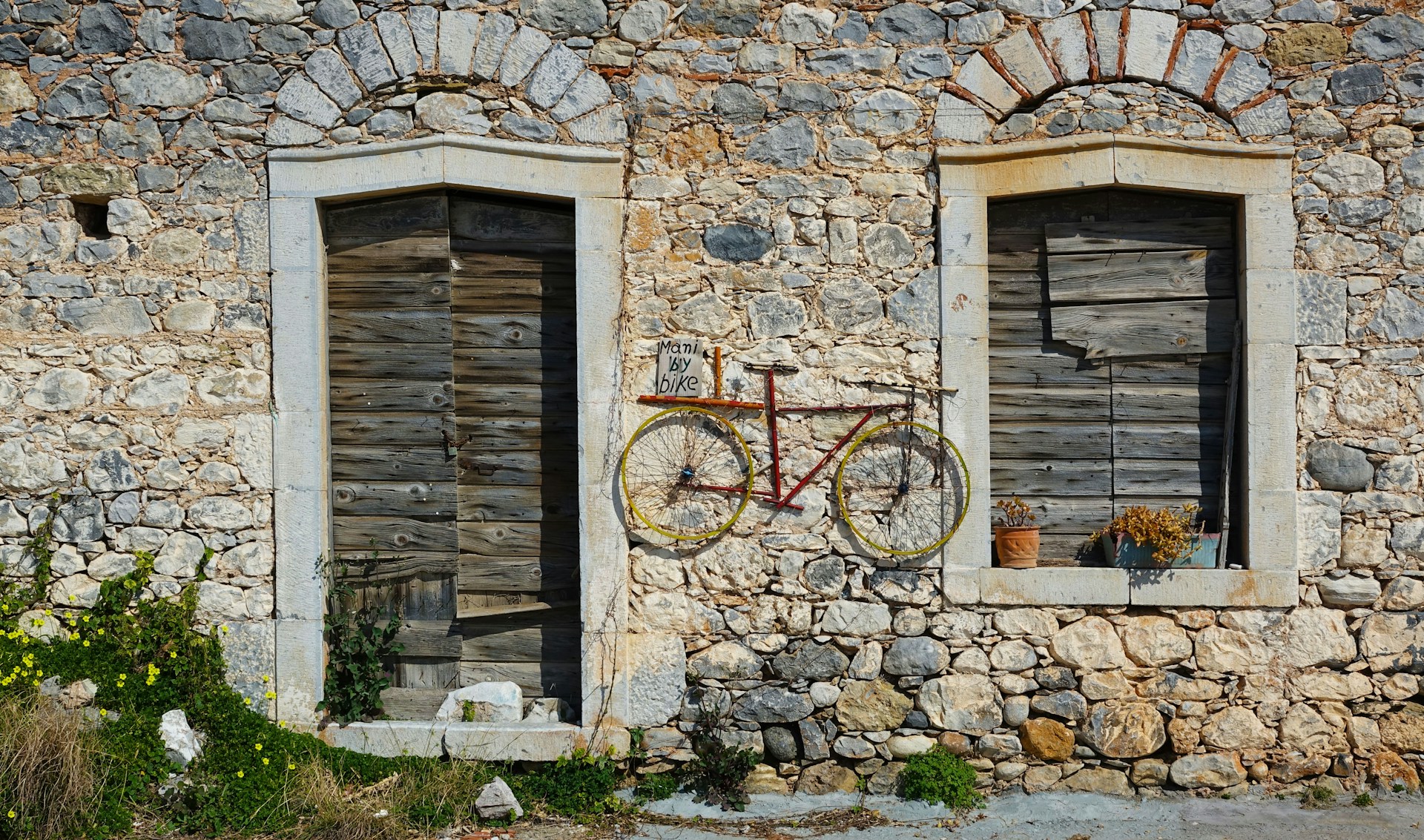
Masonry connects your entryway to real buildings from the past. Bricks and stones reclaimed from century-old structures show weathering, color variation, and hand-made marks that new materials just can’t fake. Those signs of age tell a story visitors notice the moment they step up to your door.
Traditional details like soldier courses, arched openings, and keystones can echo specific eras. That makes a porch or stoop feel intentional, not trendy. If you want authentic reclaimed materials, New Orleans Brick & Stone offers hand-selected pieces with real patina and tested strength.
Using old masonry methods makes a difference, too. Lime-based mortars and careful repointing keep movement and breathability, protecting the brick and preserving that historic look you want at the entry.
Enduring Styles and Patterns
Some masonry patterns just never go out of style. Running bond, herringbone, and basketweave create crisp lines that work well at a small scale near your front door. These patterns look great inside and out—on steps, landings, thresholds, and low walls—so your entrance stays cohesive.
Try mixing textures: saw-cut pavers next to hand-fired brick, or a smooth stone threshold with rough-faced wall units. Subtle color shifts—warm tans, deep reds, muted browns—add richness without screaming for attention. These choices help the entry age gracefully and blend with lots of architectural styles.
Keep proportions in mind. Narrow bricks and thin veneers fit refined, classic homes. Larger stone or block suits rustic or Mediterranean styles. Pick patterns and sizes that match your house so the entry feels like it belongs.
Materials That Stand the Test of Time
Go for dense, well-fired brick and durable stones like limestone, granite, and reclaimed flagstone. These materials shrug off freeze-thaw cycles, wear, and staining better than softer options. Reclaimed pieces have already survived decades of use, so you know they last.
Match your mortar to your material. Lime-based mortar lets older brick breathe; high-cement mixes can trap moisture and cause spalling. Mortar color and joint profile also affect how repairs and aging show over time.
If you can, source tested, hand-selected materials. They come with built-in character and known strength, so your entry looks lived-in from day one.
Use Timeless Masonry for Entryways
Timeless masonry brings visual appeal, long life, and easier upkeep to your entryway. These points help you pick materials that hold value, resist wear, and keep repairs down.
Enhanced Curb Appeal
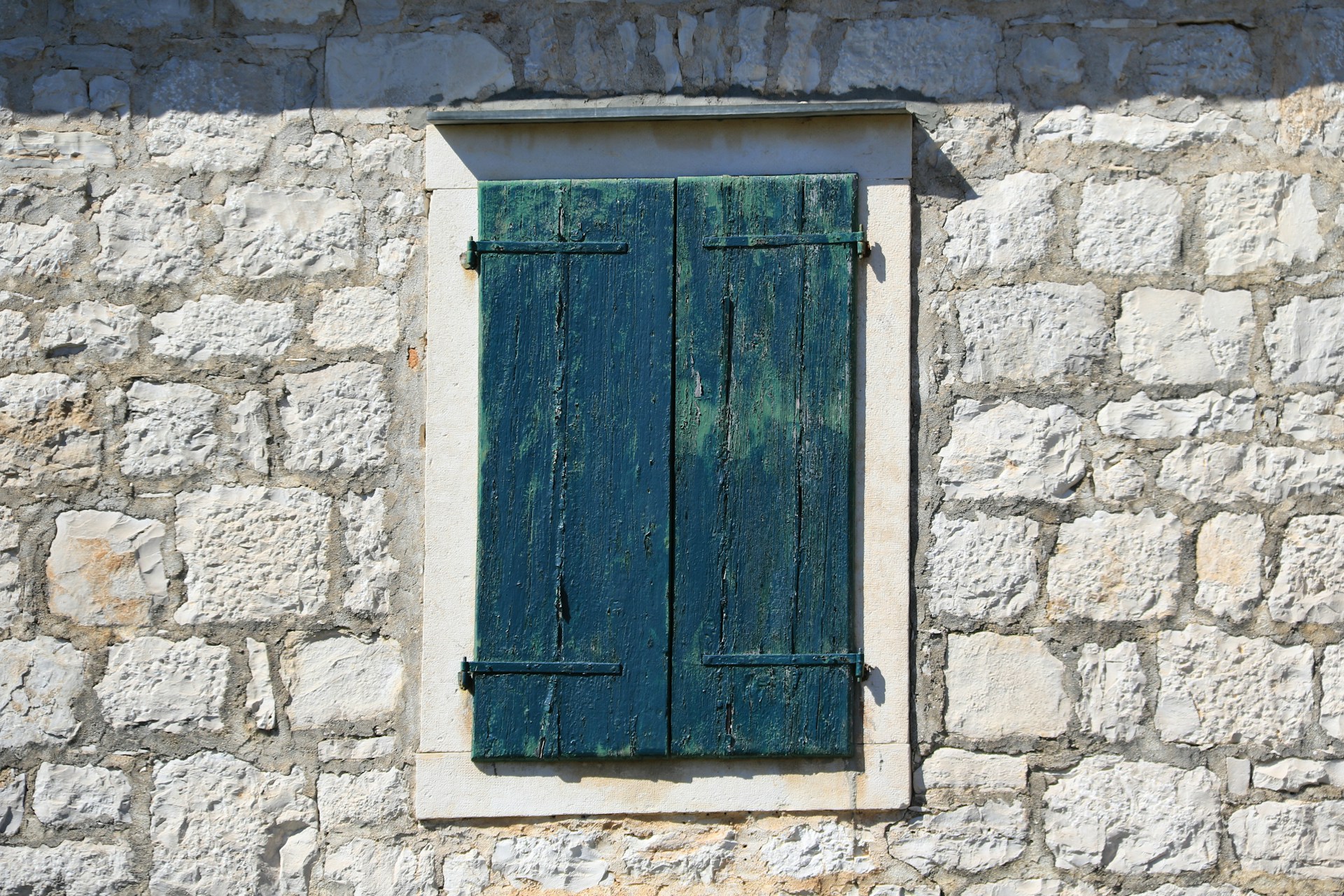
Masonry gives your entryway that distinct, lived-in look new materials rarely match. Reclaimed brick and stone show color variation, chips, and surface patina that catch the eye and signal authenticity.
Maybe you want a single brick accent wall, a full masonry porch, or patterned pavers to create a focal point that pairs with wood doors, iron hardware, and landscaping.
That visual interest can bump up perceived home value and leave a stronger first impression for buyers or guests.
If you need a specific vibe, ask for hand-selected reclaimed units so the texture and tone fit your design.
Long-Lasting Durability
Well-laid masonry holds up to heavy foot traffic, freeze-thaw cycles, and sun exposure way longer than painted wood or composite decking. Mortar joints and proper drainage keep water out, cutting down on rot and mold risks at the threshold.
Reclaimed brick and dense stone often come from century-old buildings and have already proved their strength. With a proper base—compacted subgrade, sand or concrete bed, and correct jointing—masonry lasts for decades with minimal structural issues.
Pick materials rated for exterior use and have joints repointed when cracks show up to keep everything solid.
Low Maintenance Requirements
Masonry needs less fuss than a lot of other entryway surfaces. You’ll mostly sweep, occasionally pressure wash (keep it gentle), and reseal some surfaces if you want a protective finish.
Small fixes—like loose units or cracked mortar—are usually local jobs: repoint a few joints or pop in a single brick, instead of tearing up whole sections.
Since reclaimed units already have worn surfaces, you don’t need heavy aging treatments to match an existing look. New Orleans Brick & Stone can supply matched reclaimed pieces so repairs blend in easily.
Popular Masonry Materials for Entryways
Pick materials that fit your home’s age, your budget, and how much wear the entry will see. Consider slip resistance, maintenance, and how the material will age.
Natural Stone Options
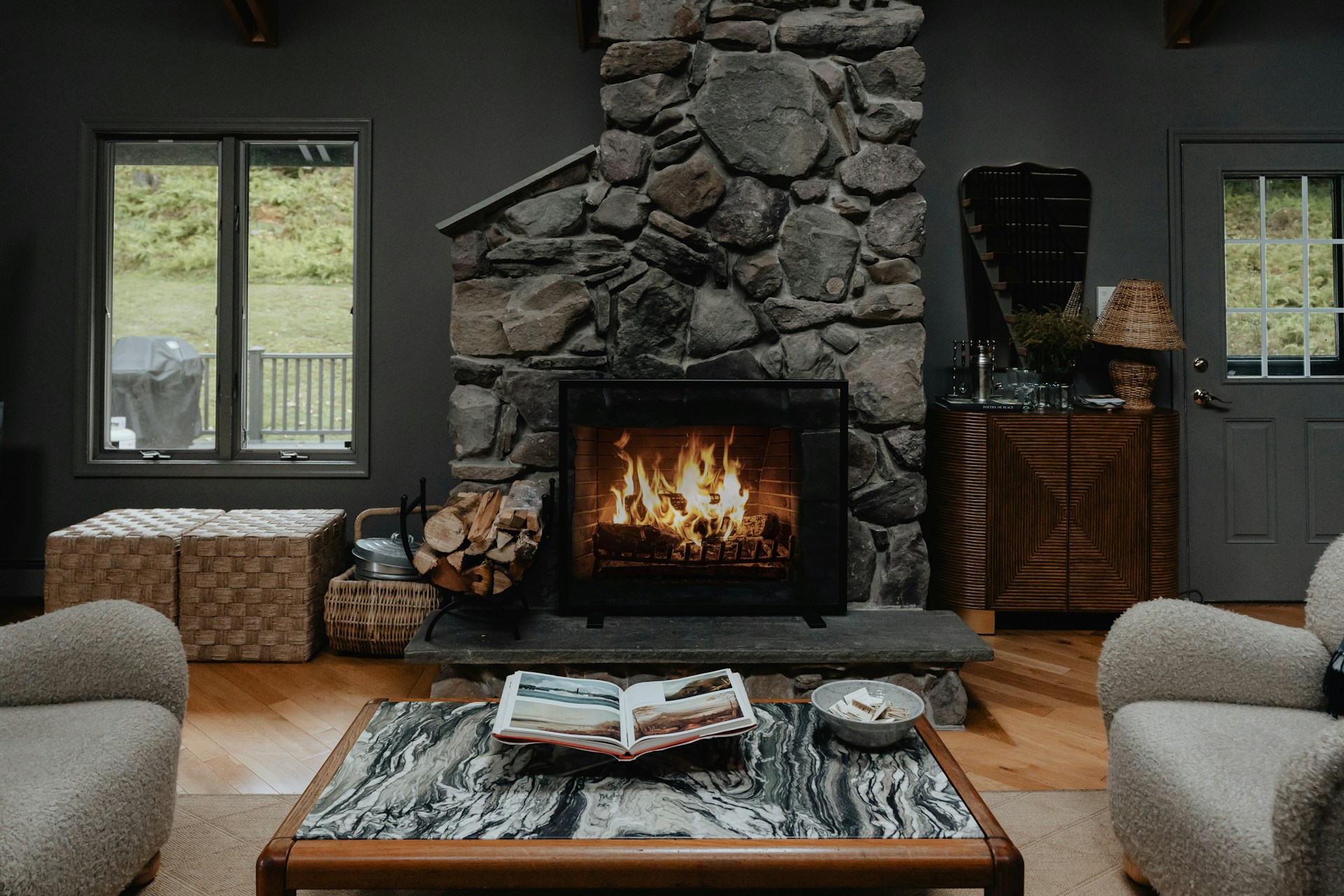
Natural stone gives an entryway a strong, timeless look that sticks around for decades. Popular choices: limestone, bluestone, granite, and flagstone. Limestone and bluestone have warm tones—great for classic Southern and traditional homes. Granite stands up to heavy traffic and staining, so it’s good for busy urban entries.
Flagstone and slate can be laid in irregular patterns for a more handcrafted, organic feel. These stones need a solid base and good drainage to avoid shifting. Sealing helps reduce staining and makes cleaning easier, but use a breathable sealer on older mortar to avoid trapping moisture.
Maintenance? Pretty straightforward: sweep, hose off dirt, reseal every few years, and swap out cracked pieces. Natural stone pairs nicely with reclaimed brick or wood trim for extra character.
Classic Brick Choices
Brick gives a familiar, historic look and fits both period and modern homes. Reclaimed brick adds patina and color variation that new brick just can’t match. You get authentic texture and a lived-in feel, especially around doors and steps.
Go for consistent sizes for neat patterns or mix sizes for a rustic look. Use softer, lime-based mortar for old brick so it can move and breathe. Proper repointing keeps water out and helps bricks last.
Inspect brick regularly for cracks or failing mortar. Clean gently with mild detergent and skip high-pressure washing on soft bricks. If you want quick availability and heritage-driven materials, New Orleans Brick & Stone offers hand-selected reclaimed options.
Concrete and Engineered Solutions
Concrete and engineered pavers give you lots of design options and steady performance. Pour concrete in smooth slabs, stamp it, or use exposed aggregate for slip resistance. Engineered pavers come in precise shapes and colors for tight patterns and fast installation.
Concrete is tough and budget-friendly but needs a good base to avoid cracks. Control joints and smart drainage help reduce movement. Engineered stone veneers and thin brick let you get a masonry look on a budget or over existing structures.
Maintenance is simple: sweep, gentle pressure-wash, and reseal stains as needed. For high-traffic or wet areas, go with textured finishes and anti-slip sealers to keep things safe.
Design for Timeless Entryways
Focus on strong shapes, durable materials, and simple patterns that age well. Balanced layouts, matching masonry to your house style, and a few modern touches for function can make all the difference.
Symmetry and Balance
Symmetry gives your entryway a calm, classic feel that stands out from the street.
Put matching columns, lights, or low walls on either side of the door to frame the entrance. Use the same brick or stone pattern both ways so your eye rests evenly.
Balance scale and height. Tall planters on one side? Mirror them or put a bench on the other for good proportions. Keep walkways centered and line up mortar joints with steps or porch lines for a smooth flow.
Stick with repeating patterns like running bond or herringbone where symmetry matters. These patterns give rhythm without getting too busy.
Blending With Architectural Styles
Match masonry choices to your house’s era and materials for a seamless look.
For Craftsman or bungalow homes, choose warm red brick, tapered piers, and a low, wide stoop. Colonial or Georgian houses? Go with Flemish or English bond and symmetrical stoop steps. For modern or transitional homes, thin brick veneers with tight joints and neutral mortar keep things clean.
Use trim, lintels, and step heights that echo your home’s proportions. If you use reclaimed materials, embrace their patina but keep coursing regular so it looks intentional, not random.
Incorporating Modern Touches
Add modern elements for usability, but don’t erase the historic feel.
Install low-profile LED step lights or tuck strip lighting into treads for safety. Slim metal railings—black or oil-rubbed bronze—add contrast without overpowering the masonry. Try a no-slip sealant that keeps texture but improves traction.
Keep tech subtle: smart locks hidden behind classic hardware, motion sensors tucked under eaves. When picking materials, go for reclaimed brick or thin veneers that deliver authentic texture but allow easier installation and consistent pricing—New Orleans Brick & Stone can help source these fast.
Installation Considerations for Lasting Results
Plan for solid base work, precise laying, and weatherproofing to keep reclaimed brick and stone looking great for decades. Pay attention to drainage, mortar choice, and skilled installation to avoid headaches later.
Site Preparation
Clear out old concrete, roots, and loose soil. Dig to the right depth—usually 8–12 inches for walkways and 12–18 inches for driveways—for a stable subbase.
Compact the subgrade in a couple passes with a plate compactor. Add 4–6 inches of crushed stone for drainage, then a 1–2 inch bedding layer of sand or stone dust to set the brick or stone level.
Slope the surface at least 1/8 inch per foot away from the building to shed water. Add permeable joints or drainage channels near doors to keep moisture from pooling.
Expert Craftsmanship
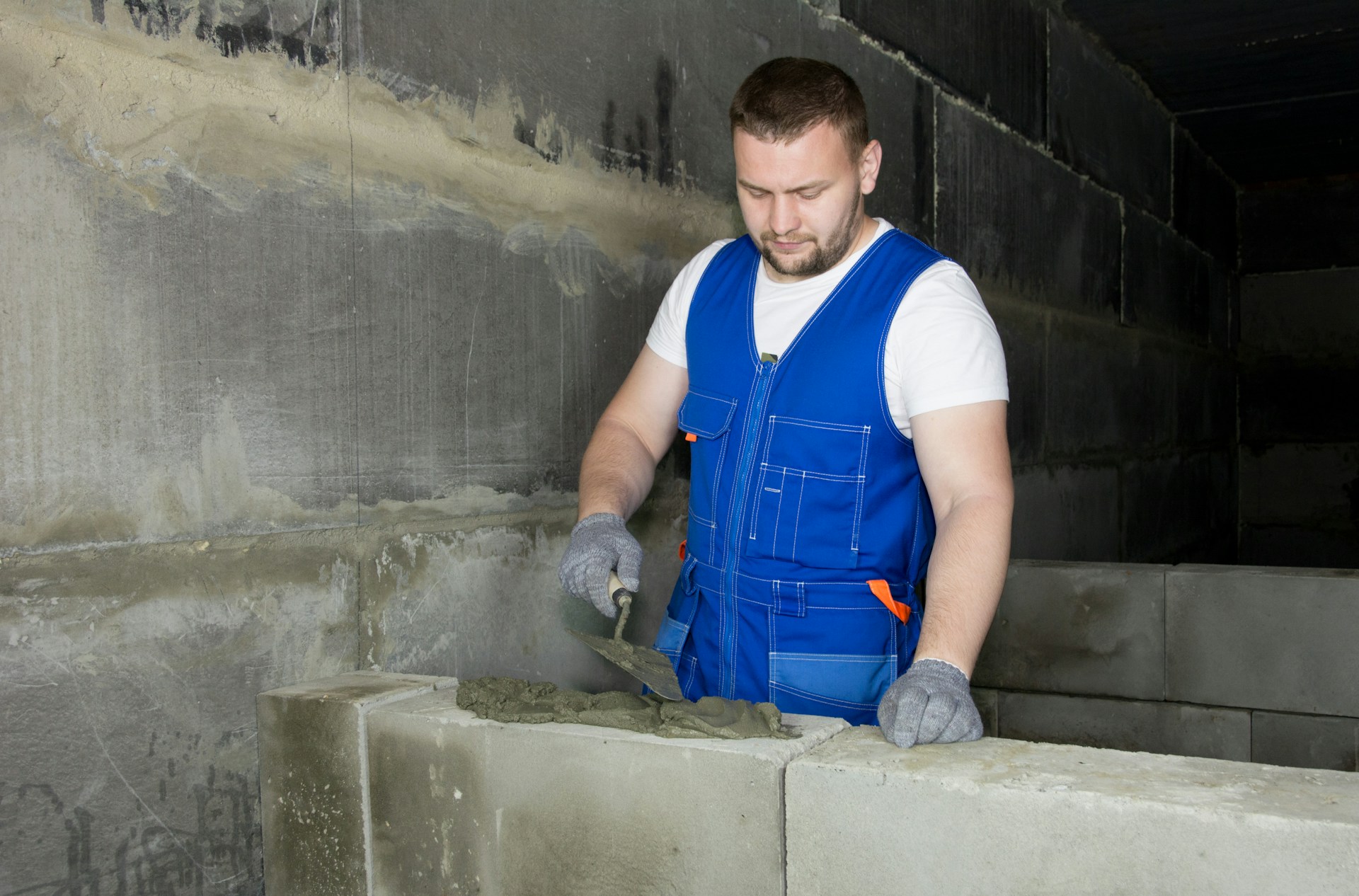
Work with installers who know reclaimed materials. Old brick and stone vary in size, thickness, and wear, so craftsmen need to sort units and plan layouts that balance the quirks.
Pick mortar mixes that match the hardness of the reclaimed units. Too-hard mortar can crack historic brick; a Type N or custom lime-based mix usually works better for old masonry.
Set pieces by hand and check levels often. Skilled masons tuckpoint uneven bricks, cut units for consistent joints, and blend repairs so new work looks seamless.
Weather Resistance Techniques
Seal joints with flexible, breathable mortar so vapor can move while keeping water out. Steer clear of impervious sealants that trap moisture and cause spalling.
Install flashing and drip edges at thresholds and where masonry meets wood or metal. Use stainless steel or lead-coated flashing to resist corrosion and direct water away from foundations.
Protect finished masonry during freeze-thaw cycles by covering it during heavy rain or cold snaps until mortar cures. For long-term care, use a breathable water repellent and inspect joints every year for cracks or wear.
New Orleans Brick & Stone can supply hand-selected reclaimed units and offer advice on mortar and flashing choices to match your project’s historic character.
Caring for Your Masonry Entryway
Keep the surface clean, mortar in good shape, and water away from the masonry. Regular brushing, quick repairs, and simple waterproofing steps keep brick and stone looking sharp and lasting longer.
Routine Cleaning Practices
Sweep or use a leaf blower weekly to clear loose dirt and grit. That way, abrasive particles won’t scratch your brick and stone.
For deeper cleaning, mix a pH-neutral masonry cleaner with water and use a soft, non-metallic brush. Work in small spots, scrub gently, and rinse well with a garden hose. Always test cleaners somewhere hidden first.
Don’t power wash up close—high pressure can erode mortar and the brick face. If stains stick around (oil, paint, rust), use a cleaner made for that type and follow the directions.
Sealers can help, but pick a breathable, masonry-specific one. Only apply after the masonry’s totally dry and stick to the manufacturer’s recoat schedule.
Repairing Minor Damage
Check your entryway every season for cracked or loose bricks and failing mortar joints. Repoint small cracks in mortar before they get worse.
When repointing, remove loose mortar to a uniform depth with hand tools. Mix a compatible mortar—match the original color and strength—and pack it into the joint in layers. Tool the joint to blend in.
For a chipped brick, just replace that one instead of tearing out a whole section. Take the damaged brick out carefully, clean the spot, and set a matching reclaimed or new brick with fresh mortar. If you got your materials from New Orleans Brick & Stone, you can find reclaimed pieces that match historic patina.
If you’re unsure, hire a mason who knows historic or reclaimed work. It’s easy to make things worse if you don’t know the quirks.
Preventing Water Intrusion
Keep gutters, downspouts, and grading working so water flows away from your entryway. Water pooling near foundations or steps leads to freeze-thaw damage and mortar erosion.
Install flashing where stairs meet walls and at material transitions. Make sure door thresholds and weatherstrips are intact to keep water out.
Stick to breathable sealers and avoid coatings that trap moisture inside bricks. Good mortar joints shed water, so keep them in shape. If you see efflorescence (white salts), dry the spot and improve drainage—efflorescence means you’ve got moisture movement to fix.
Inspiring Timeless Masonry Entryway Ideas
These ideas lean into durable materials, clear sight lines, and layered textures to create entrances that feel warm and lasting. Use reclaimed brick or stone for real character, and pair with simple landscaping and lighting for instant curb appeal.
Grand Walkway Concepts
Lay a wide, straight path of reclaimed brick or big flagstone to guide visitors in. Try a running bond or herringbone pattern for brick; anchor the sides with larger stone or a contrasting soldier course for a finished edge.
Add shallow risers or a low step if you’ve got grade changes. Treads should be at least 12 inches deep, risers 4–6 inches for comfortable steps. Plant low beds or clipped hedges on both sides to pull focus to the house.
Install low, warm LED path lights every 8–10 feet—they boost safety and show off textures at night. For a formal touch, pair brick walkways with matching borders and maybe a bit of bluestone or slate.
Inviting Porch Entrances
Pick a porch floor of reclaimed brick in a basketweave or running bond for a cozy, lived-in vibe. Seal with a breathable, clear sealer to protect color and cut slipperiness without hiding the patina.
Use sturdy stone or brick steps and wide landings to create a welcoming pause before the door. Keep porch depth at least 6–8 feet so you can fit a bench or a couple of chairs. Choose simple black or aged brass fixtures to complement the masonry.
Layer your lighting—a pendant, wall sconces, and step lights. Add potted trees or planters that echo your stone tones. If you need reclaimed materials fast, New Orleans Brick & Stone has hand-selected brick ready to ship.
Stone Archways and Pillars
Build stone pillars at the driveway or walkway to frame the view and mark transitions. Use full-thickness reclaimed stone or brick veneers over structural cores for strength and texture. Proportion matters: base width should be about one-quarter to one-third the height.
For archways, go with a single keystone or a tapered brick arch to show off craftsmanship. Keep the rise low—about 1/6 to 1/8 of the span—for sturdiness and clearance. Add a steel lintel if you need extra load support.
Cap pillars with simple bluestone, sandstone, or concrete to shed water and protect joints. Mount mailboxes or lanterns for extra function and curb appeal.
Choosing the Right Masonry Expert
When your entryway features authentic reclaimed brick or stone, you want a team that understands historic materials, matches mortar accurately, and installs masonry built to last. That’s where working with specialists makes all the difference—and why so many homeowners and builders turn to New Orleans Brick & Stone for guidance before selecting a contractor.
Evaluating Experience and Portfolio
Start by choosing a mason who’s comfortable working with reclaimed materials—not just new brick from a pallet. Ask to see project photos that feature reclaimed entryways, steps, thresholds, or facades. Look closely at joints, corners, and transitions; these details reveal how well the mason handles irregular brick sizes, historic patina, and lime-based mortars.
When you source materials through New Orleans Brick & Stone, you also gain access to product photos, batch details, and sizing notes that help your mason plan the work more accurately. We can even tell you which local contractors have experience installing our reclaimed brick, helping you narrow your options quickly.
Questions to Ask Potential Contractors
Before committing, get clear, specific answers:
- Mortar choice: Which mix will they use, and is it compatible with reclaimed or older brick?
- Matching: How will they match joint profile and mortar color to achieve a cohesive look?
- Material handling: Are they familiar with sorting, blending, and cutting reclaimed brick?
- Timeline & crew: How long will the project take, and how large is the crew?
- Protection: What steps will they take to protect surrounding landscaping, siding, or porch materials?
- Warranty: What guarantees do they offer on workmanship?
Having high-quality, pre-graded materials from New Orleans Brick & Stone makes these conversations easier because your contractor starts with consistent, hand-selected stock that’s ready for installation.
Local Reputation and Reviews
Check recent reviews and community recommendations, but prioritize comments about craftsmanship and attention to detail—not just speed. You want a mason known for proper repointing, careful layout, and respect for historic materials.
Local builders and preservation groups can also point you toward contractors who regularly work with reclaimed brick. And because New Orleans Brick & Stone supplies materials for projects nationwide, we can often confirm whether a contractor has successfully installed our products before and provide additional insight to help you make the right choice.
Frequently Asked Questions
Here are answers to practical design and care questions for entryway masonry. You’ll get ideas, material comparisons, maintenance tips, and style suggestions based on real-world methods and materials.
How can I enhance my entryway using brick masonry techniques?
Try an accent wall of reclaimed brick behind a console or coat hooks for texture and history. Match mortar joints to your home’s age—tight for formal, wide for rustic.
Frame the doorway with soldier-course brick or a brick arch to make the entry intentional. Add built-in benches or low brick walls for seating and a unified look.
What are some creative ideas for designing a brick floor in a foyer?
Lay brick in herringbone for movement in narrow foyers; it hides wear and draws the eye in. Try basketweave or running bond bordered by thin brick or stone to define a central “rug” area—no fabric needed.
Mix in a center medallion or inset tile for a focal point. Seal the surface to resist salt and dirt but keep the brick’s patina visible.
What are the benefits of using stone versus brick for an entryway?
Stone gives you a varied surface and natural color range that ages well. It usually handles heavy moisture and freeze-thaw cycles better, especially outside.
Brick’s modular shape makes patterns and wall transitions easy. Reclaimed brick brings historic character and a patina you just can’t fake.
How do I maintain the masonry in my entryway to keep it looking fresh over time?
Sweep and wash with a mild detergent and soft brush; skip high-pressure washing on old mortar. Reseal floors every few years if they see lots of foot traffic or salt.
Check mortar joints each season and repoint small spots before they spread. For reclaimed materials, keep a few extra bricks or stones handy for repairs.
Can you suggest some traditional masonry styles suitable for entryway construction?
Colonial soldier-course lintels and Flemish bond walls suit classic American homes. Spanish Colonial leans on thin, warm-hued brick or stone with wide joints and rounded arches.
Greek Revival goes for big, smooth ashlar stone and simple, strong lines. Pick a style that fits your home’s era and scale.
What should I consider when choosing materials for my entrance masonry?
Think about how tough the material needs to be. If your entryway faces the elements, you’ll probably want dense stone or fired brick—they just hold up better outside. For a covered foyer, softer, reclaimed brick might do the trick and has that lived-in charm. And don’t forget about slip resistance. Textured stone or brick can help keep everyone on their feet, especially if things get wet.
Availability can be a headache. Reclaimed stuff comes and goes, so it’s smart to check what’s actually in stock and how long it’ll take to get to you. If you’re after something really specific—say, hand-picked or historically accurate—New Orleans Brick & Stone usually has inventory on hand and can ship pretty fast for restoration jobs.