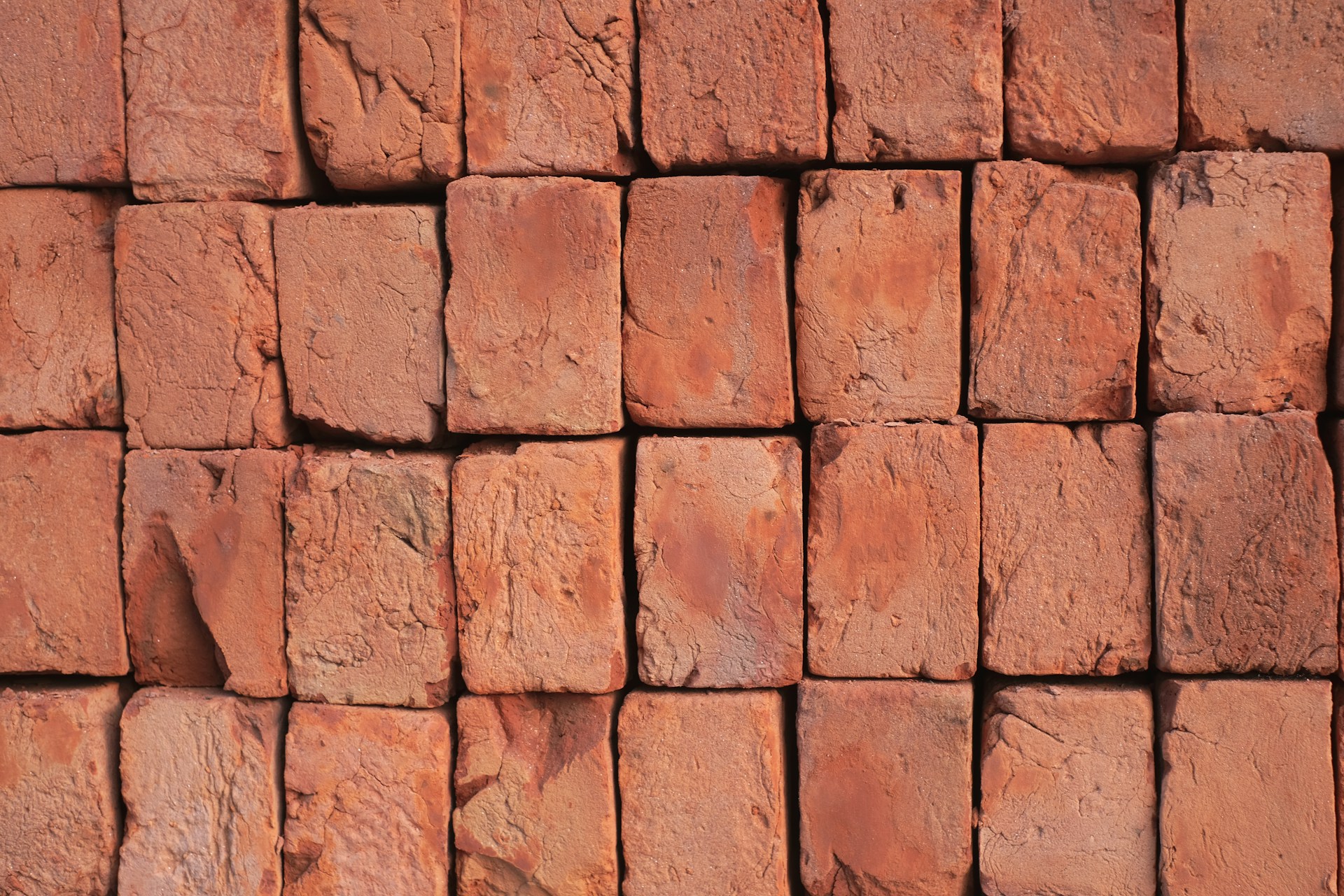
Antique brick carries a legacy of craftsmanship that modern materials rarely match. Each piece tells a story through its texture, tone, and irregular form—echoes of the hands and kilns that shaped it over a century ago. Builders and designers turn to antique brick for more than beauty; it delivers durability, sustainability, and unmatched character.
At New Orleans Brick & Stone, the passion for authentic materials runs deep. The company curates antique and reclaimed brick from historic structures, preserving architectural heritage for new generations of builders. Every brick reflects a commitment to craftsmanship, authenticity, and reuse.
This guide explores how to identify, source, and use antique brick effectively—covering brick types, applications, maintenance, and design ideas to help you build projects rich with history and soul.
Understanding Antique Brick
Antique bricks show physical clues about age, manufacture, and original use. Learn how they qualify as antiques, how brickmaking evolved, and the signs that help you identify vintage pieces.
What Qualifies as an Antique Brick
Manufacturers typically made antique bricks before World War II, with 19th- to early 20th-century pieces most valued. Age, manufacturing method, maker’s marks, and historic use all matter; for example, a stamped street paver from a known yard is often more valuable than an undated red brick.
Look for production traits: handmade or early machine-pressed bricks have irregular shapes, sanded faces, or uneven frogs.
Later machine-made bricks, like extruded or wire-cut types, show more uniformity. Provenance—such as documents or photos connecting a brick to a historic building—raises its value for collectors and restoration.
Historical Evolution of Brickmaking
Brickmaking shifted from hand forming to mechanized extrusion and standardized kiln firing in the 19th and early 20th centuries. Before about 1870, hand-pressed, sand-struck, or water-struck bricks with irregular shapes dominated.
Afterward, wire-cut and extruded bricks became common as production scaled up.
Firing methods improved, too. Early clamp or scove kilns produced bricks with varied surfaces, while continuous kilns offered more consistent color and hardness. Specialized firebrick and vitrified pavers, often stamped with maker names, appeared for industrial and road uses in buff or deep vitrified tones.
Identifying Vintage Bricks
Inspect each brick: check dimensions, weight, color, and any stamps or frogs. Use these quick checks:
- Maker’s mark: face or frog stamps with names or logos add value.
- Texture and edges: uneven edges and sandy faces suggest hand or water-struck manufacture.
- Wire marks: parallel lines indicate wire-cut extrusion.
- Hardness and color: a glassy “ring” and deep brown or purple tone usually mean vitrified pavers; buff or cream tones suggest firebrick.
Photograph all sides and note wear patterns—rounded edges and embedded dirt show genuine age. For restoration, group bricks by size and color. Recent uniform rounding or clean recesses may indicate modern or reprocessed bricks.
Types of Antique and Reclaimed Bricks
Antique and reclaimed bricks vary by origin, size, color, and use. Knowing the differences helps you choose the right brick for structural reuse, decorative features, or historic restoration.
Reclaimed Brick Varieties
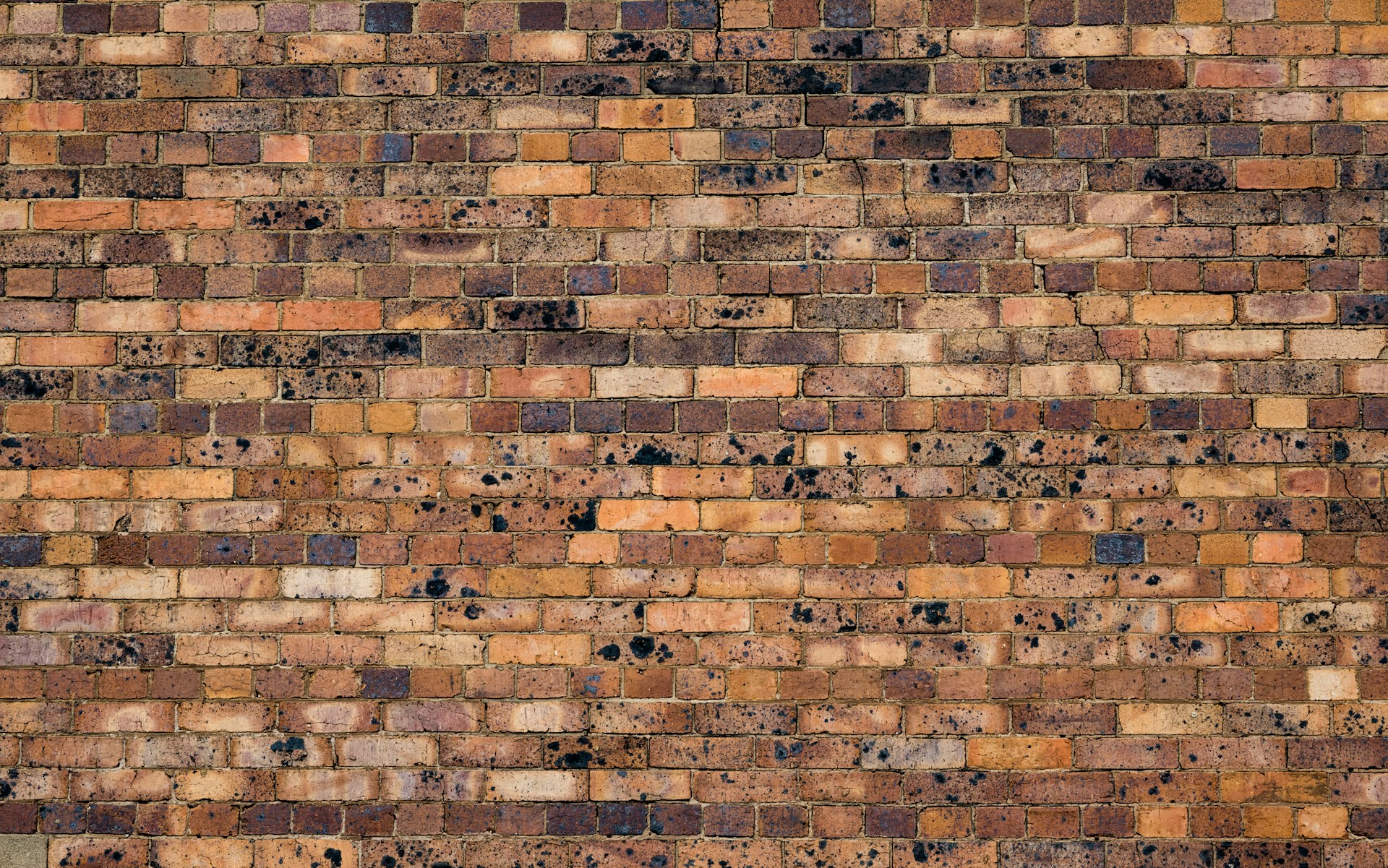
Demolished buildings, streets, and warehouses supply reclaimed bricks. Expect deep red Victorian bricks, dark industrial pavers, and buff or mottled farm bricks. Mortar remnants, nail holes, and edge wear add character but affect installation prep.
For walls or pathways, look for size consistency. Salvaged building bricks like Old Chicago brick are popular for their dense clay and distinctive red-black tones, performing well outdoors. Salvage yards and demolition contractors usually offer mixed grades—choose “grade A” for structural use and “grade B/C” for accents or gardens.
Antique Firebrick and Its Uses
Manufacturers made antique firebrick for high-heat environments, using different clay and firing methods than standard bricks. You’ll find these in old ovens, kilns, and industrial furnaces; they’re denser, lighter in color, or glazed.
Use reclaimed firebrick in fireplaces, pizza ovens, hearth repairs, or heat-exposed landscaping. Check each piece for cracks or spalling before reuse. For working ovens or stoves, choose sound antique firebrick for safety and performance.
Thin Brick and Brick Veneers
Thin brick, or brick veneer, offers vintage masonry looks without the weight. Reclaimed thin bricks or reproductions can be installed on drywall, plywood, or new framing with adhesive and thin-set mortar.
Pick reclaimed thin brick for true aged surfaces; they’re lighter and easier to handle than full bricks. For exteriors, confirm the veneer’s frost resistance and mounting system. Thin brick works well for interior walls, backsplashes, and façades where you want texture without major structural changes.
Popular Applications and Design Ideas
Antique brick adds texture, color, and history to focal features and outdoor surfaces. Use it to create warm hearths, durable patios, or charming pathways that age gracefully and need little maintenance.
Fireplaces and Hearths
Antique brick frames fireplaces with natural color variation and irregular edges that hide soot and wear. Use deeper-toned bricks for hearth surrounds and lighter bricks for mantels or the back wall for contrast.
Install thin brick veneer rated for heat on the firebox surround and full-thickness brick where strength matters. Use refractory mortar around the firebox and standard mortar for the outer facing. Keep grout joints consistent for a balanced look.
Pair a brick with a slate or cast-stone hearth for durability. Add metal accents to modernize the vintage feel. Seal bricks only if exposed to spills or high humidity; otherwise, let the patina develop naturally.
Blending Antique Brick with Modern Landscapes
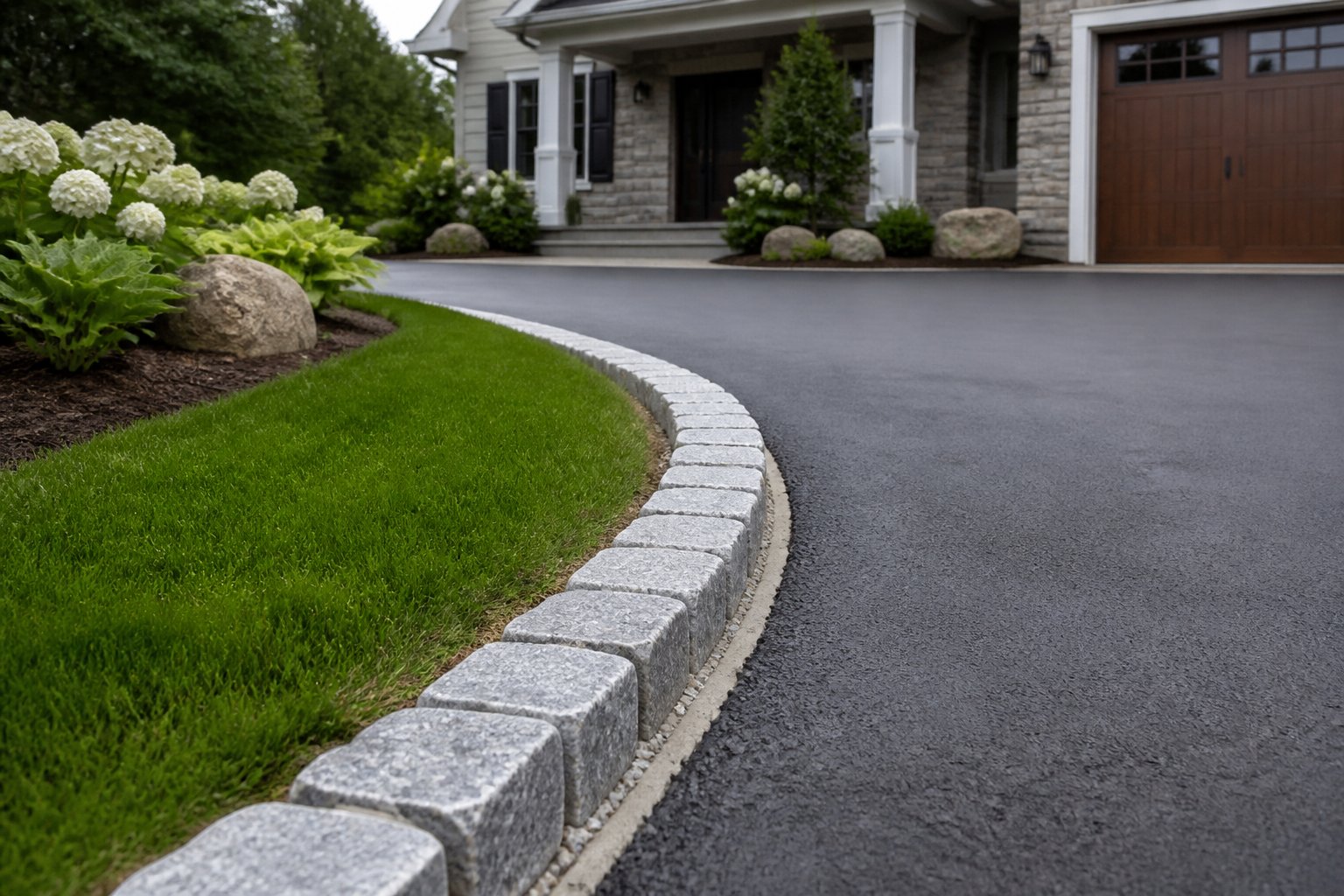
Designers increasingly blend antique brick with contemporary hardscape to create layered outdoor spaces. Combining reclaimed materials with clean modern lines provides contrast and texture while maintaining visual warmth.
As noted by ArchDaily, reclaimed masonry adds sustainability and depth to new builds without sacrificing durability. Whether forming a patio border or an integrated garden path, antique brick bridges heritage and innovation effortlessly.
Outdoor Living: Patios and Walkways
Antique brick pavers and reclaimed bricks create patios and walkways with a worn, authentic look that blends with gardens and lawns. Lay bricks in herringbone or basket-weave patterns for strength and style on patios or driveways.
Set bricks on compacted sand over gravel for patios, or on mortar for driveways needing extra stability. For a cobblestone look, mix reclaimed bricks with stone cobbles and larger tiles to make a durable, textured surface.
Use polymeric sand in joints to reduce weeds. In gardens, antique bricks work well as edging or low retaining walls; their irregularities help drainage and encourage moss growth for an aged appearance.
Specialty Uses for Antique Brick
Antique brick adds texture, color, and authentic wear that stand out in detailed projects. You get durable material that already shows decades of weathering, reducing the need for artificial distressing and matching historic fabric.
Columns, Arches, and Architectural Details
Use antique brick for columns or arches by first sorting and grading for consistent size. Reclaimed bricks often vary in thickness and face size, so sort before laying to keep mortar joints even and distribute loads properly.
For load-bearing columns, build around a reinforced concrete or steel core for safety while keeping the old-world look. Arches benefit from the irregularities in antique brick, as worn edges and color shifts create natural shadows. Use lime-based mortar for flexibility and historic appearance.
For cornices and decorative bands, select bricks by color and tooling marks to create contrast. Label batches during sorting to repeat patterns and avoid patchy results as you build upward.
Doors and Entryways
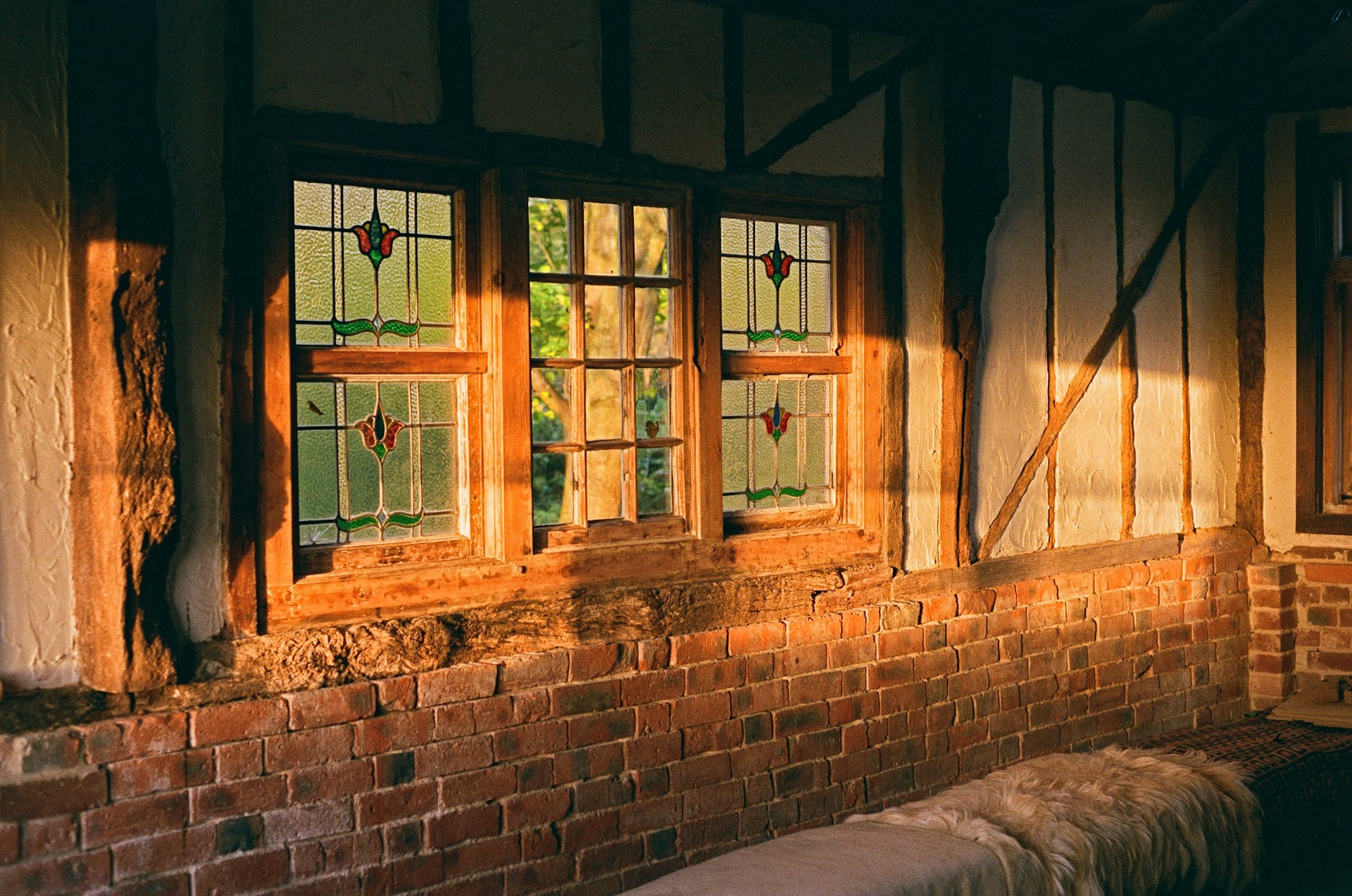
Antique brick frames give doors a sense of history and presence. Use larger, flatter bricks for jambs or surrounds to highlight openings without extra bulk.
Install modern doors in reclaimed brick openings by fitting a steel or timber jamb that hides irregular brickbacks and allows precise hardware mounting. Use flashing and a breathable membrane behind the brick to prevent moisture problems with older mortar.
For an old-world effect, build a segmented arch or soldier-course lintel above the door. Keep the mortar slightly recessed and choose a tint that blends with aged surfaces. If you use bricks from different sources, build a full-scale mockup to check alignment and appearance before final installation.
Sourcing, Buying, and Maintaining Antique Brick
Find out where to get genuine reclaimed brick, what to check before buying, and how to care for antique bricks. This section covers practical steps, testing, legal checks, and basic maintenance.
Where to Find Antique Bricks
Start at local salvage yards and architectural reclamation stores that list reclaimed brick by origin and condition. These places let you inspect bricks in person, compare colors and sizes, and buy in bulk or by pallet.
Contact demolition contractors and historic renovation projects for salvaged brick. Reach out early, ask about upcoming demolitions, and arrange to secure specific batches.
Use online sellers and specialty auction sites for rare or regional antique bricks. Ask for provenance, shipment photos, and samples before paying for shipping. Avoid sellers without clear details or photos.
Buying Considerations
Check authenticity and structural soundness before buying. Ask for details on source buildings, previous use, and any provenance. Inspect for intact corners, minimal spalling, and consistent thickness to reduce waste.
Request compression and absorption testing if you plan structural reuse. For veneers, pick thin reclaimed brick or veneer options. Make sure you can get enough quantity and request samples to match the color and mortar.
Consider logistics: palletizing, crating, and shipping often make up much of the cost. Compare unit price, shipping, and return policies for damaged bricks. Make sure the seller follows legal salvage practices and provides any needed permits or documentation.
Care and Maintenance Tips
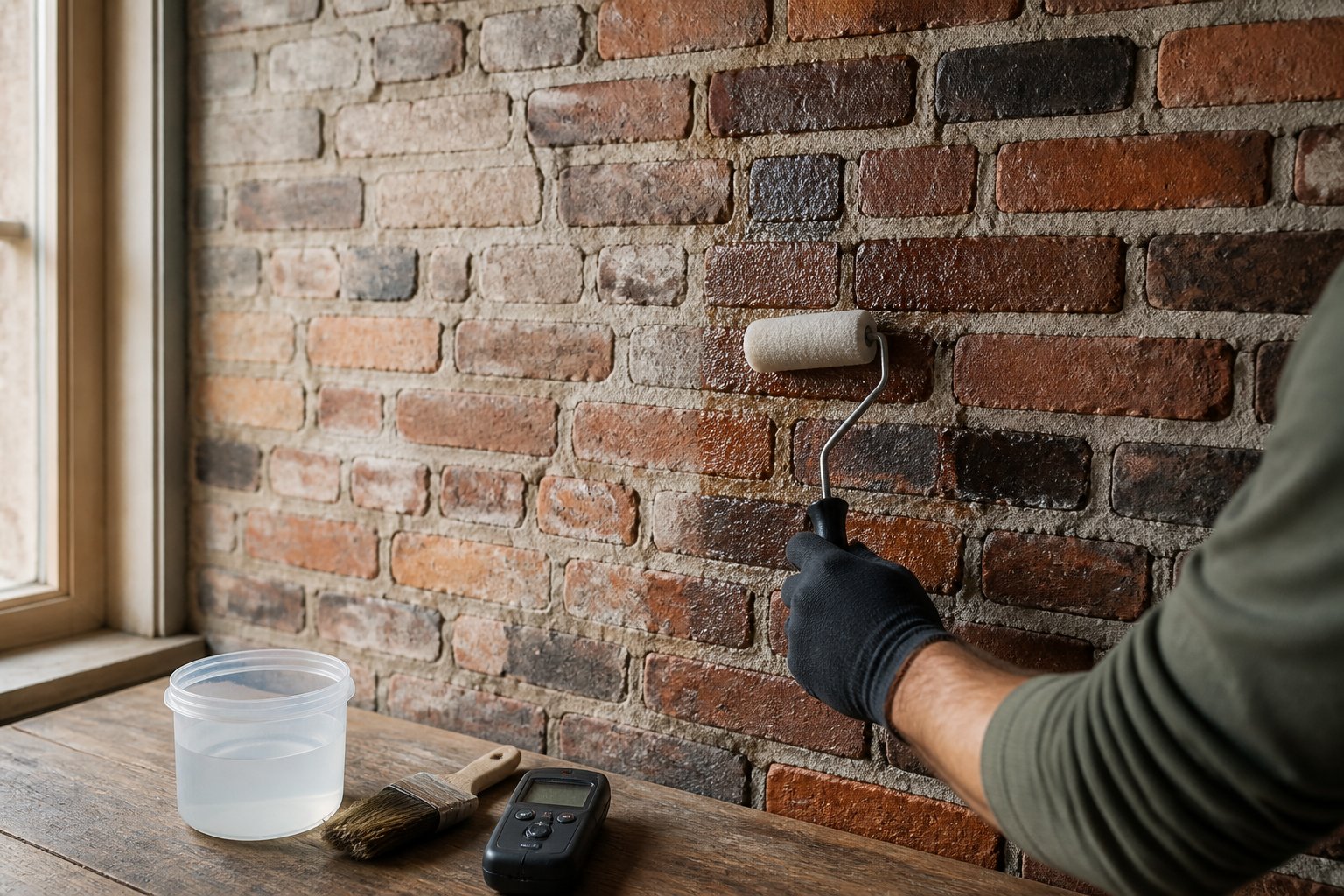
Clean bricks with a stiff brush and mild detergent. Avoid power washing or harsh acid cleaners that can strip their historic patina. Test any cleaner on a hidden spot first. For salt or efflorescence, use low-pressure water and a brush instead of chemicals.
Use lime-based mortar for repairs to match the flexibility and breathability of old bricks. Modern Portland cement can trap moisture and cause older bricks to break. Match the mortar color and joint profile to keep the original look.
Protect outdoor brickwork with breathable water repellents when exposure is high, and maintain good drainage to prevent freeze-thaw damage. Store unused reclaimed bricks on pallets off the ground and under cover to avoid moisture and biological growth.
Building Tomorrow with the Bricks of the Past
Antique brick stands as a bridge between history and modern craftsmanship—proving that true beauty endures. Its color variations, surface wear, and handmade origins bring human touch and authenticity to any space, indoors or out. Builders and homeowners alike value its sustainability, texture, and unmistakable sense of place.
New Orleans Brick & Stone continues this legacy by sourcing genuine reclaimed brick from historic American structures. We offer builders a chance to incorporate heritage into lasting design. Each piece is inspected, cleaned, and prepared for new use—honoring its past while ensuring future strength.
Bring history home with authentic materials that tell their own story. Explore reclaimed brick collections or request a custom quote today on our website.
Frequently Asked Questions
This section covers how to assess value, identify age and maker marks, find reclaimed thin-brick veneer, explore salvage and restoration jobs, evaluate creative reuse, and calculate prices by pallet, square foot, or rarity.
How can you determine the value of antique bricks?
Look for maker’s marks, stamps, or company names on the bricks—these often increase value. Compare the size and shape to historic standards; uncommon sizes are more collectible.
Check the condition: bricks with intact faces, little spalling, and minimal mortar are worth more. Count usable bricks after cleaning, as broken ones lower the price.
Bricks from notable buildings, early factories, or rare production runs are more valuable. Documented history or photos of the original structure can increase resale value.
What are some tips for identifying antique bricks?
Measure the bricks and compare them to historic sizes; older bricks are often larger or vary more than modern ones. Look for hand-tool marks, irregular edges, and textures that show hand-molding or early machine work.
Check for color variation, soot, or lime deposits from kiln firing. Search for maker’s stamps or numbers and trace them to local brickworks or historic catalogs.
Test porosity and hardness, as high absorption affects outdoor use in freeze/thaw zones. Consult local historical societies or reference guides to match stamps and confirm origins.
Where can I purchase antique brick veneer for home projects?
Contact reclaimed-brick suppliers and salvage yards that cut thin-slice veneer from full bricks. Many offer palletized thin brick for tile-style installation.
Look for suppliers with reclaimed commons or named pavers, and check their inventory and photos. Some demolition contractors and salvage networks also sell reclaimed brick in bulk. Use brick-matching services if you need a specific type for restoration.
What career opportunities exist in the antique brick industry?
Work in salvage operations handling demolition recovery, cleaning, sorting, and palletizing reclaimed bricks.
Join thin-brick manufacturing shops that slice reclaimed bricks and manage packaging and shipping. Consider roles in brick matching, sourcing, historic masonry, restoration, or as a materials appraiser for historic bricks.
What are creative uses for 100-year-old bricks in modern construction?
Use reclaimed bricks for accent walls, fireplace surrounds, or garden walls to add historic character. Install thin-brick veneer on countertops, backsplashes, or bathroom walls where full bricks won’t fit.
Repurpose pavers for patios, steps, and pathways in mild climates. Cut or mosaic bricks into tiles or edging, and use stamped or rare bricks as decorative features or signage in new designs.
How are the prices for antique bricks typically calculated?
Vendors usually price antique bricks by pallet, square foot (for thin veneer), or individually for collectible stamped bricks. A typical pallet holds about 500–550 standard reclaimed bricks, depending on their size and weight.
Vendors adjust prices based on condition, rarity, and provenance. Bricks with documented origin or maker’s marks cost more. Final costs also include cleaning, cutting (for veneer), packaging, and shipping, which can significantly affect the delivered price.