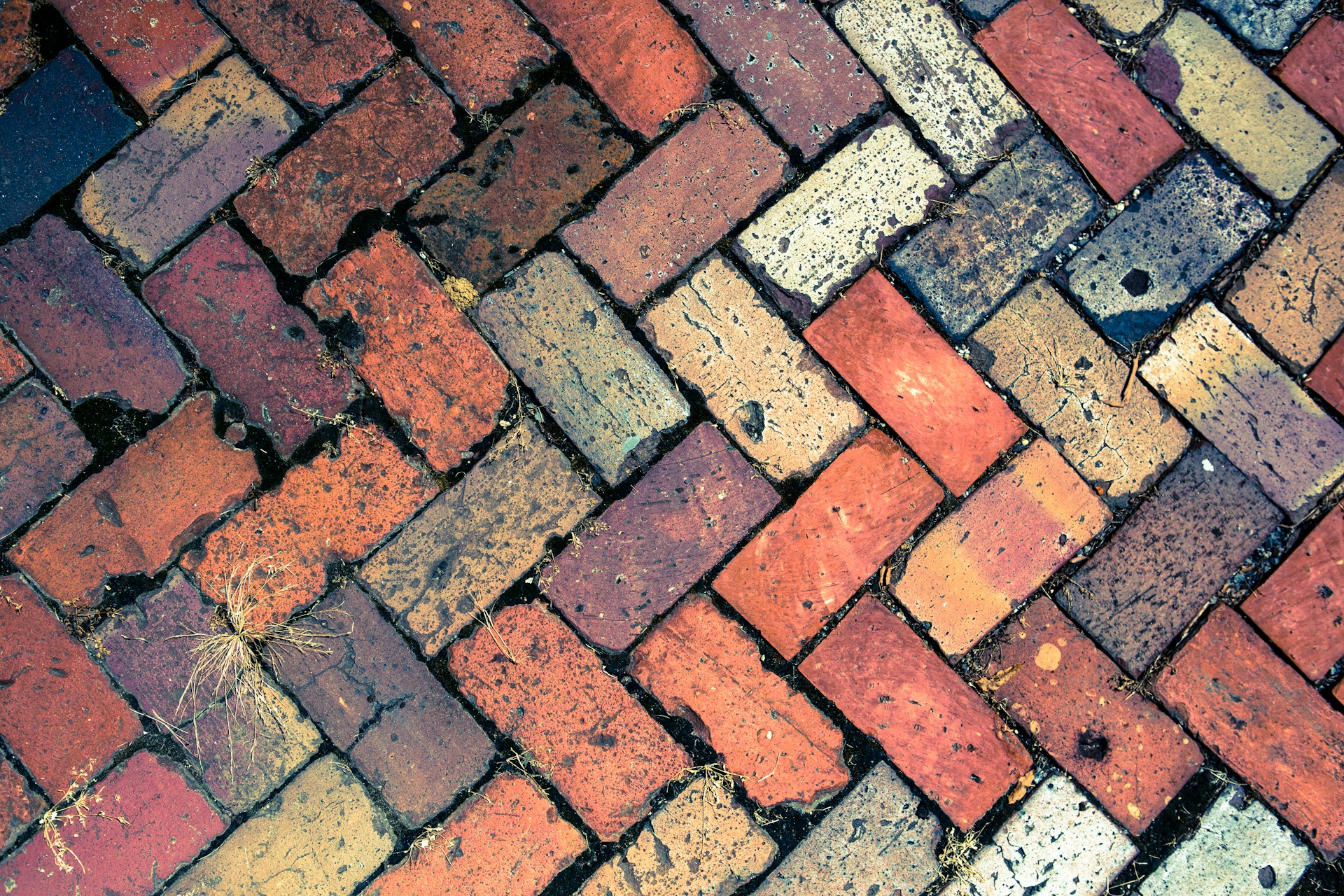
Reclaimed brick instantly transforms interiors with warmth, texture, and timeless appeal. Its worn surface and subtle color shifts add character that no new material can reproduce. From rustic lofts to modern homes, reclaimed brick introduces a sense of authenticity and craftsmanship.
At New Orleans Brick & Stone, reclaimed materials are chosen for their story and structure—bricks that once supported historic buildings now find new life in interior spaces. This connection to history creates visual depth and enduring style.
In this guide, you’ll find creative design ideas and practical tips for incorporating reclaimed brick into every room. Learn how to select, seal, and style your materials for interiors that balance heritage and contemporary design.
Understanding Reclaimed Brick in Interior Design
Reclaimed brick adds visible history, tactile texture, and environmental benefits to your home. Learn what gives these bricks their unique character, why they can outperform new bricks in some projects, and how to check for authentic salvaged material before you buy.
What Makes Reclaimed Brick Unique
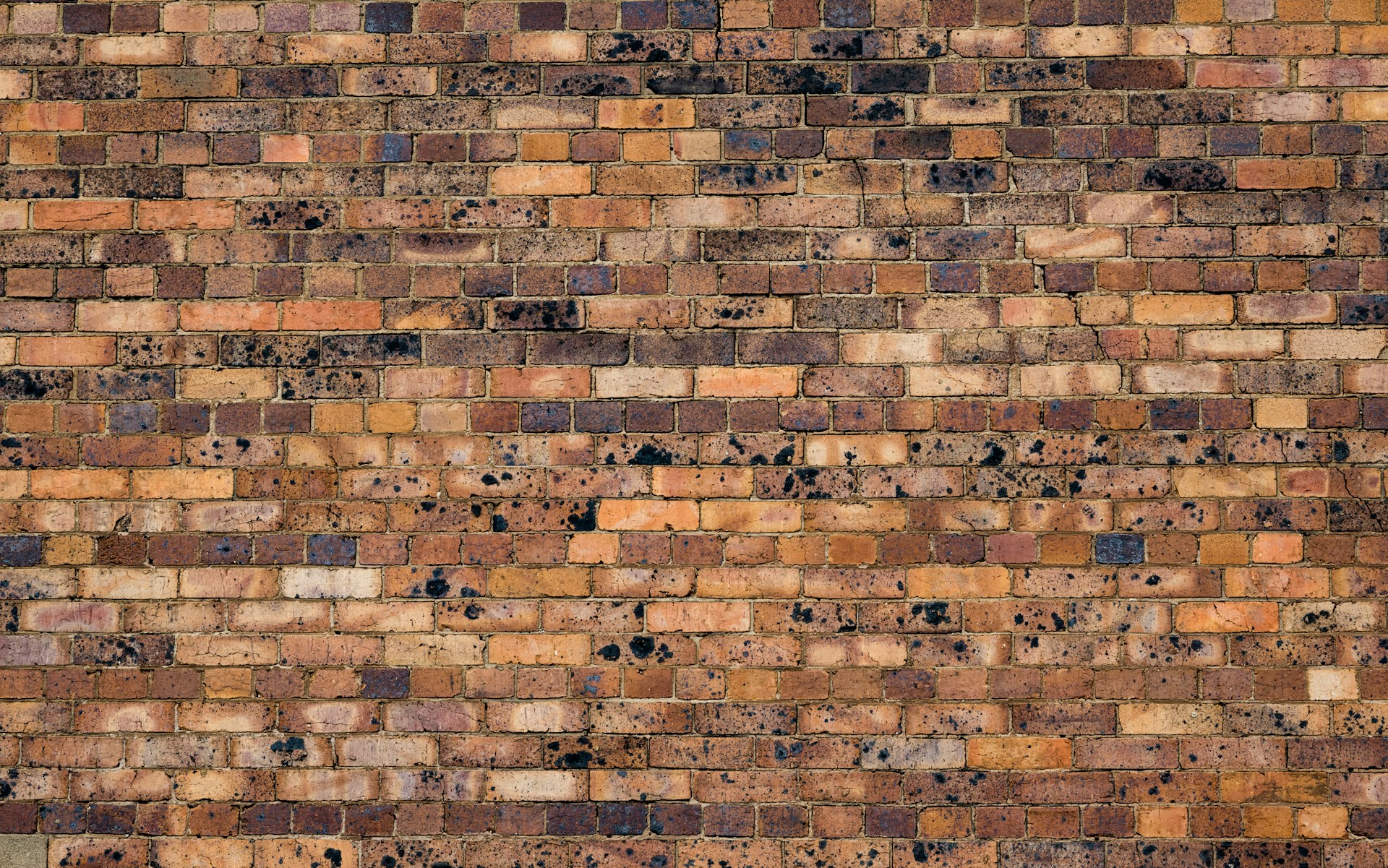
Reclaimed bricks come from dismantled buildings, each piece showing decades of weathering, mortar remnants, and slight size variations. Surface irregularities—soft edges, color changes, and lime deposits—add depth you won’t find in new bricks.
You can spot vintage brick by its weight, denser clay, and hand-pressed marks. Older bricks may differ in size from modern ones, which affects bond patterns and mortar joints. Aged bricks interact with light and finishes in unique ways.
When used indoors, their color variations add warmth and authenticity, perfect for rustic, industrial, or heritage aesthetics.
Benefits of Reclaimed Brick Over New Brick
Reclaimed bricks help reduce environmental impact by avoiding the energy use of manufacturing new bricks. Choosing salvaged brick keeps demolition waste out of landfills and supports sustainable design. Many reclaimed bricks have already survived decades of use, proving their durability.
Aesthetically, reclaimed brick offers a one-of-a-kind patina, adding value and creating focal points without heavy finishes. While salvaged bricks may cost more upfront, their longevity and reduced maintenance can lower long-term costs. Their unique history also adds authenticity to your interior projects.
Sourcing and Selecting Authentic Reclaimed Bricks
Start with reputable salvage yards or architectural reclaimers who provide details on origin and cleaning methods. Request samples to check size, color, and porosity before making a large purchase.
Inspect bricks for structural soundness, avoiding those with deep cracks, severe spalling, or excessive salt deposits. Make sure bricks can be cleaned of old mortar without damaging the face if you plan to leave them exposed.
Choose bricks that match your installation method. For consistent coursing or tight joints, ask for sorted, graded batches.
For fireplaces or load-bearing uses, request certification for strength and freeze-thaw resistance. Remember to account for extra costs like cleaning, reprocessing, and shipping to ensure your reclaimed brick performs well in your design.
Statement Brick Features for Every Space
Use reclaimed brick to add texture, warm tones, and historic character where it best suits each room’s function and layout. Consider finish, mortar color, and placement to make brick elements look intentional and stylish.
Exposed Brick Walls and Accent Walls
An exposed brick wall becomes a focal point when you balance contrast and texture. Choose bricks with varied colors and worn edges for a rustic feel, or select more uniform bricks for a cleaner accent wall. Match mortar to the brick tone—light mortar brightens, dark mortar deepens color and texture.
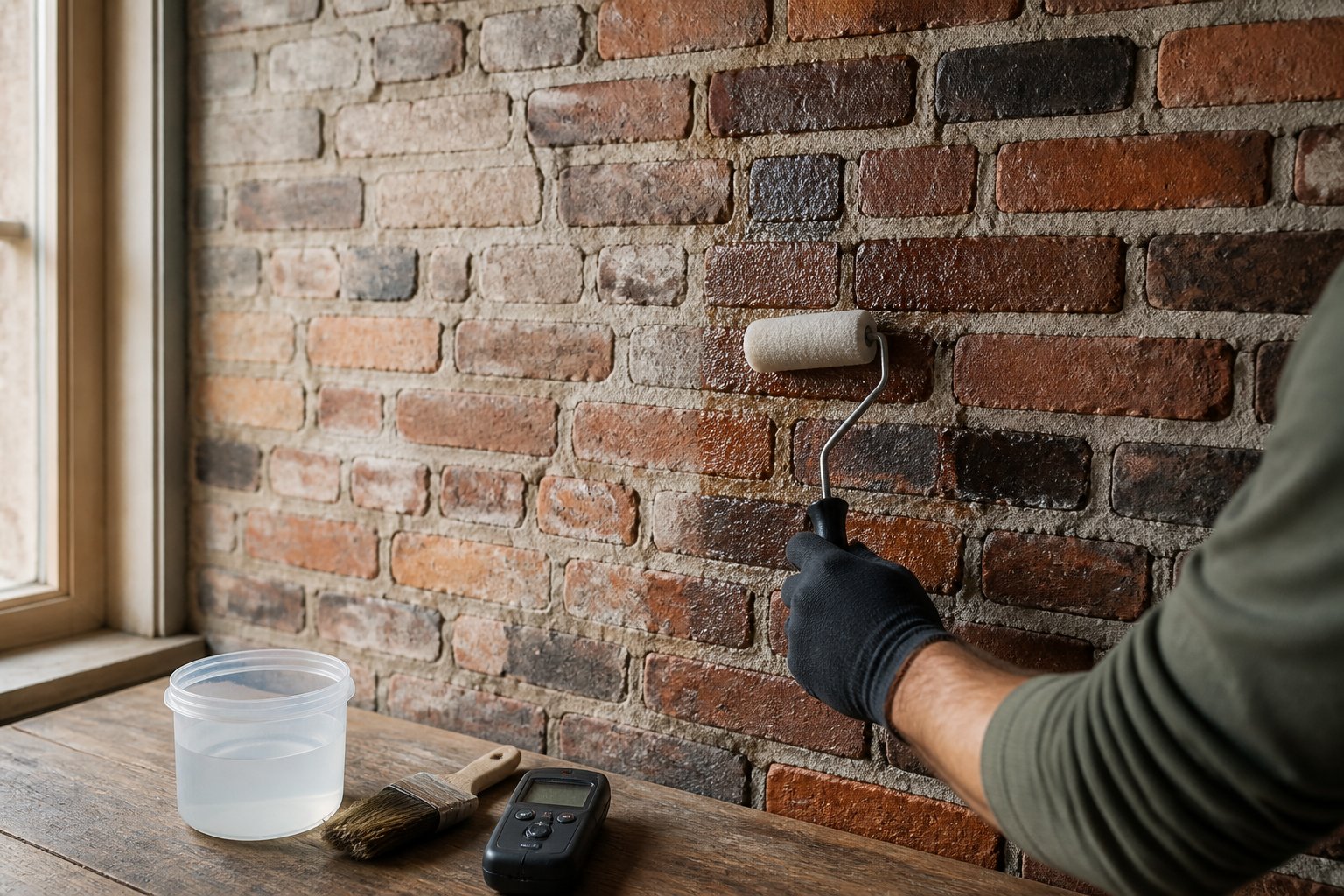
Place a single brick wall behind a sofa, bed, or TV for a deliberate effect. Use directional lighting to highlight brick texture and create depth. Seal the wall only if needed, using a breathable, matte sealant to preserve the natural look.
Brick Fireplaces and Hearths
A brick fireplace anchors a room when you balance scale and material. For a rustic look, use reclaimed bricks with patina and irregular surfaces. For modern spaces, lay bricks in a clean pattern and pair with a slim mantel.
Use fire-safe mortar and a heat-rated sealant near the firebox, and extend brick to the hearth or chimney for a unified statement.
Combine reclaimed brick with plaster, steel, or wood to keep the fireplace from feeling too heavy. Add subtle grout lines to emphasize rows and texture. Always follow building codes and consult a mason for structural work.
Reclaimed Brick Flooring Ideas
Brick flooring adds warmth and texture to entryways, sunrooms, and kitchens. Choose flatter, denser reclaimed bricks for durability and traction. Install on a compacted sand base for outdoor-style patterns or over concrete with thin-set mortar for interiors.
Seal with a matte, breathable product to protect against spills and preserve texture.
Pattern options affect the look: herringbone or basketweave creates energy, while running bond feels traditional. Use area rugs for comfort and consider underfloor heating to counter coolness. Carefully manage transitions where brick meets other flooring to maintain safety and flow.
Reclaimed Brick in Kitchens and Bathrooms
Reclaimed brick brings texture, warmth, and a lived-in look to kitchens and bathrooms when properly sealed and installed. Use it as a durable backsplash, a dramatic feature wall, or a tub surround for layered, authentic interiors.
Brick Backsplashes and Surrounds
A reclaimed brick backsplash adds character and hides wear better than paint. Use thin brick slips or veneer to fit under cabinets and behind stovetops without sacrificing counter space. Seal with a high-quality penetrating sealer or food-safe coat near prep areas for stain resistance and easy cleaning. For greasy spots, a clear, heat-resistant glaze works well.
Grout color controls contrast: matching grout softens the look, while white or dark grout highlights each brick. Try custom patterns like herringbone for extra interest. Glazed bricks reflect light and make maintenance easier.
Tips:
- Test a sealed brick sample near the stove.
- Use metal or stone trim at the countertop edge.
- Leave accessible mortar joints for future repairs.
Brick as a Focal Point in Kitchens
A full or partial reclaimed brick wall behind open shelves anchors an open kitchen. Install shelves directly on the brick to showcase dishes and create contrast. Choose brick colors that complement your cabinets—warm reds for wood, pale bricks for white kitchens. Balance dark brick with under-cabinet lighting to keep the space light.
Combine brick with sleek countertops and slim hardware for a refined look. Plan the electrical and plumbing before installing the brick. For a unique touch, lay bricks in a custom pattern behind an island hood to focus attention.
Incorporating Brick in Bathrooms
Frame a tub or create a shower wall with reclaimed brick for a spa-like yet rustic feel. Use porcelain-faced or thin brick slips in wet areas, always installing a moisture-resistant backing. Seal thoroughly with a vapor-resistant sealer.
For bathtub surrounds, build a removable panel for plumbing access. Behind vanities, a brick wall adds texture that pairs well with modern fixtures. Glazed bricks are best in showers for easy cleaning.
Design tips:
- Use epoxy grout in wet areas.
- Choose matte finishes for floors and glazed bricks for showers.
- Match brick color with tile or paint for a cohesive look.
Creative Uses and Decorative Brick Elements
Reclaimed brick adds texture, history, and a tactile anchor to rooms. Use it for visual focal points, practical storage, and living accents that blend with modern materials.
Brick Wall Art and Murals
Use reclaimed brick as a canvas for art or murals to create a striking wall. Paint geometric patterns or commission a mural that follows mortar lines for added depth. Seal the mural with a clear, breathable masonry sealer to protect it.
For subtle style, mount framed prints or metal sculptures against the brick. Add picture lights or LED strips to highlight the mural at night. This works well in living rooms, dining areas, or entryways for immediate impact.
Brick Wall Shelving and Furniture
Install open shelving on reclaimed brick walls to combine storage with texture. Use metal brackets or floating shelf hardware anchored into mortar joints or studs for support. Choose shelves in reclaimed wood or glass for contrast.
Build brick-based furniture, like a media console or island base, using the same bricks for continuity. Add niches or cubbies in brick feature walls for books, ceramics, or plants. Keep heavy items low and use plywood backing when attaching cabinets.
Indoor Brick Planters and Accents
Turn reclaimed bricks into indoor planters or bases for greenery. Small brick planter boxes fit shelves or windowsills; line them with plastic and drainage layers to protect the brick. Larger built-in planters suit sunrooms and living areas for tall plants.
Use individual bricks as accents—bookends, candle platforms, or pedestals—to echo the main brick feature. Pair with metal or glass accessories for balance. Seal planter-facing brick to prevent stains and preserve patina.
Reclaimed Brick for Modern and Minimalist Interiors
Reclaimed brick brings texture and history without overwhelming clean lines. Use it selectively—on walls, fireplace surrounds, or columns—to add warmth and contrast while keeping a minimalist look.
Whitewashed Brick for Contemporary Style
Whitewashed brick keeps texture but mutes color, fitting modern and minimalist spaces. Apply a thin limewash or diluted paint for a semi-opaque finish that preserves detail. Use whitewashed brick behind shelves, as a backsplash, or on a feature wall for subtle texture.
Pair whitewashed brick with light oak or matte-white cabinetry for visual flow. Use a sealed limewash or water-resistant topcoat in wet zones. Thin brick veneer offers the same look with less weight and easier installation.
The Science Behind Brick Patina and Indoor Durability
According to research from the National Park Service, the patina on reclaimed brick develops through mineral leaching, moisture cycles, and slow surface oxidation—factors that actually improve durability when properly maintained.
Patina forms a natural protective layer that resists moisture intrusion and enhances color depth over time. Understanding this process helps homeowners maintain the authentic finish of interior brick while keeping it structurally sound.
Industrial and Urban Brick Aesthetics
For industrial and urban interiors, expose structural brick or use full-depth bricks in key areas to highlight authenticity.
Keep finishes minimal—polished concrete floors, black metal accents, and track lighting complement the brick’s raw surface. Leave some edges and columns irregular to celebrate the material’s history.
Balance rugged brick with clean-lined furniture and uncluttered layouts so the brick grounds the space. Use spot or wall washers to enhance texture. For structural elements like load-bearing columns, consult a structural engineer to ensure safe reuse and conceal reinforcements neatly.
Brick and Glass Combinations
Combining brick and glass contrasts solid, tactile surfaces with transparent, light-filled planes. Use reclaimed brick as a low partition or partial wall alongside floor-to-ceiling glass panels to keep sightlines open and add warmth. This fusion works well for room dividers, sunroom backsplashes, or around stairwells.
Try thin brick veneers behind large glazed openings to reduce weight and structural demands. Frame glass in slim black or anodized metal for an industrial look and clean sightlines. For privacy with light, pair brick lower walls with frosted or textured glass above to create distinct zones while maintaining openness.
Architectural and Structural Brick Features
These details show how reclaimed brick performs where load, weather, and design meet: vertical supports, overhead surfaces, and exterior circulation elements. Specific choices for strength, finish, and installation affect durability and appearance.
Brick Columns and Pillars
Brick columns can be load-bearing or decorative; always check with an engineer before assuming reclaimed brick can carry structural loads. For load-bearing columns, use sound reclaimed units with consistent strength and repoint with compatible mortar rated for structural use.
Stagger bricks in running or English bond to improve load distribution, and tie columns into adjacent walls with metal anchors or through-plates to resist lateral forces.
For freestanding or decorative pillars, focus on face quality and mortar color to match your interior palette. Cap pillars with bluestone or reclaimed timber for contrast. To hide utilities, build a steel post core and veneer with reclaimed brick for reliability and appearance.
Brick Ceilings and Unique Installations
A brick ceiling adds texture and thermal mass but needs precise engineering. Use thin-profile reclaimed brick or brick slips over a reinforced substrate, or build true masonry vaults if the structure allows. Install proper flashing and moisture control where ceilings meet exterior walls.
Apply a continuous vapor barrier and breathable mortars to prevent trapped moisture in older brick. For custom brick designs—herringbone, radial, or stepped courses—lay out full-scale templates to avoid cuts that weaken units. Integrate lighting between ribs or within recessed joints to highlight texture and keep ceiling clearance.
Outdoor Brick Patios and Steps
Choose frost-resistant reclaimed bricks graded for outdoor use to prevent spalling. For patios, set bricks on a compacted aggregate base with a slight slope for drainage away from the house. Use sand or polymeric jointing material to stabilize the pattern and reduce weed growth.
For steps, use full-thickness bricks or pair brick treads with stone or concrete nosing to meet code for tread depth and riser height.
Anchor brick steps to a concrete foundation to prevent settling. Seal or use breathable water repellents only after bricks acclimate to preserve appearance and limit freeze-thaw damage.
Bringing Heritage Home Through Inspired Brick Design
Reclaimed brick invites the soul of the past into today’s interiors, blending durability with artistry. Its color variations and patina add warmth to modern and traditional spaces alike, turning ordinary rooms into timeless showcases.
With New Orleans Brick & Stone, you gain access to hand-selected reclaimed materials ready for installation. Each brick is inspected for strength and character, ensuring your design reflects authenticity and longevity.
Bring history home—request expert guidance and reclaimed brick samples to start your next interior project with confidence and style.
Frequently Asked Questions
This section provides practical guidance on using reclaimed brick: placement, design approaches, sourcing tips, suitability for indoor/outdoor use, purchase checks, and brick veneer limitations.
How can I incorporate reclaimed bricks into a modern interior design?
Use a single reclaimed-brick feature wall to anchor a living room while keeping other finishes minimal and light. Pair the brick’s texture with clean-lined furniture and neutral paint for a balanced, modern look. In the kitchen, install a slim brick backsplash behind open shelves for contrast.
What are some creative ideas for using reclaimed bricks in my home?
Create a fireplace surround with varied brick tones for character. Bricks also work as a bedroom headboard wall or a textured alcove behind a television. Use reclaimed bricks for shelving bases, bar fronts, or a kitchen island façade. Small projects like framed brick art panels or a tiled bathroom vanity face add impact with less material.
Where can I find inspiration for decorating with reclaimed bricks?
Browse interior-design portfolios, salvage-yard galleries, and architect blogs for before-and-after brick projects. Follow makers and restoration contractors on social platforms for real-world installations. Visit local historic buildings, restoration sites, or salvage yards to see brick colors and textures in person.
Can reclaimed bricks be used for both interior and exterior design?
Yes. Reclaimed bricks work indoors and outdoors when chosen and installed correctly. For exteriors, select bricks with good structural integrity and use proper mortar and drainage. Indoors, avoid bricks that shed dust or contain contaminants; clean and seal if needed. Use frost-resistant bricks and exterior-grade sealants for outdoor projects.
What should I consider before purchasing reclaimed bricks for my project?
Inspect bricks for cracks and structural weakness; discard unstable pieces. Confirm dimensions and color variation for a consistent layout. Estimate quantity with a 10–15% overage for cuts and breakage. Ask about the bricks’ origin, contaminants, and whether they’ve been cleaned or graded.
Are there any drawbacks to using brick veneer in interior design?
Brick veneer is thinner and lighter than solid brick, so it may not be as durable or provide as much sound insulation. Proper substrate preparation and moisture control are important to prevent adhesion or efflorescence problems.
If you want the look of reclaimed brick, low-quality veneer can appear mismatched. Choose high-quality veneer with realistic finishes for a more authentic appearance.