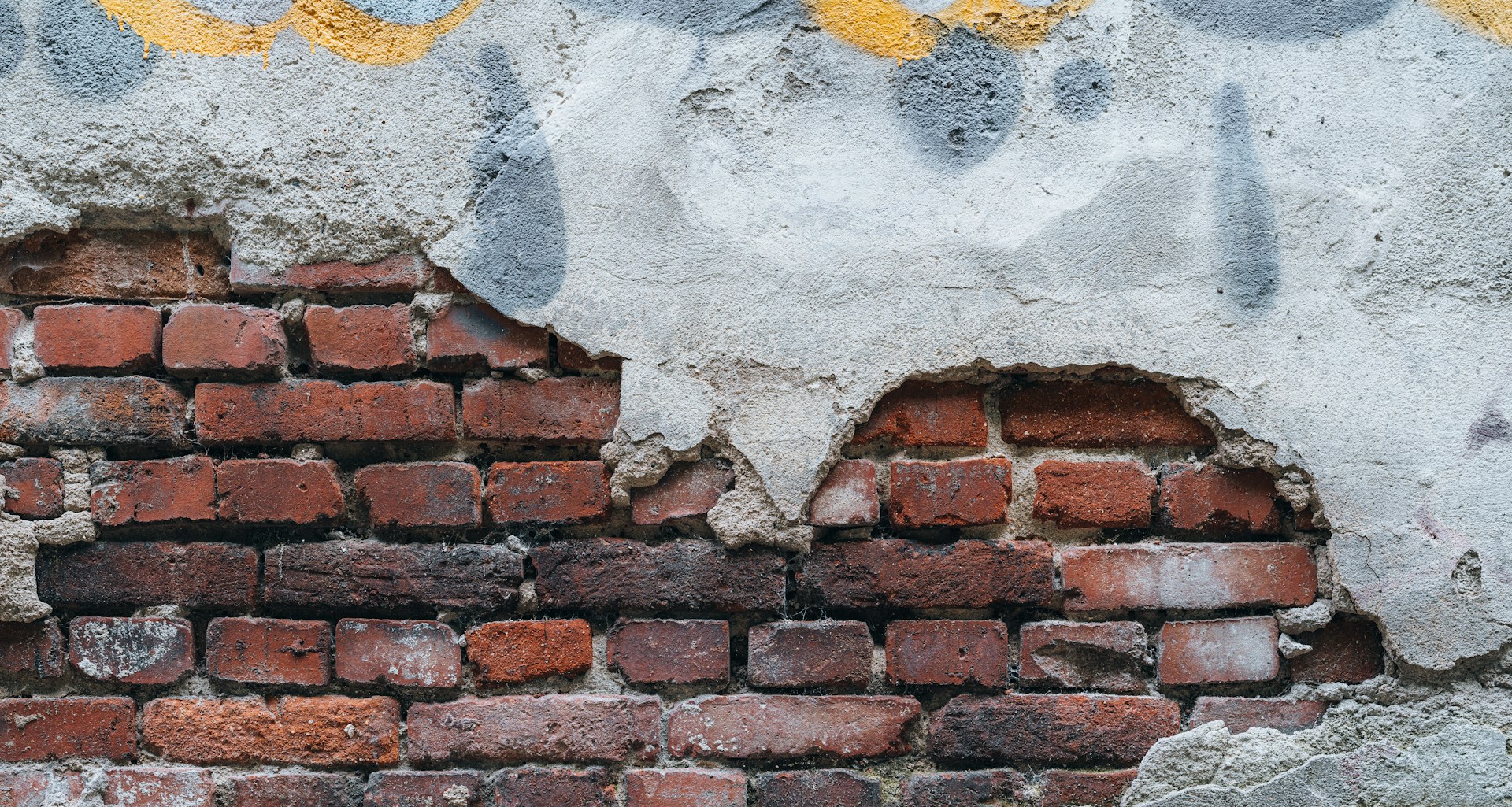
Matching reclaimed brick connects the craftsmanship of the past with the precision of modern building. Each reclaimed piece adds warmth and depth to your renovation, preserving the texture and color that define older architecture.
At New Orleans Brick & Stone, specialists hand-select authentic reclaimed bricks from century-old structures. Each brick is tested for strength, cleaned, and prepared for reuse, ensuring your renovation blends seamlessly with existing walls and historic finishes.
This guide explains how to identify, source, and match reclaimed brick by color, size, and texture—so your new work looks timeless. You’ll also find practical tips for sourcing, installation, and finishing to achieve an authentic result without exceeding your budget.
Key Takeaways
- Matching reclaimed brick requires careful selection of color, texture, and size.
- Work with suppliers who provide authentic, tested materials ready for use.
- Proper installation is essential for a seamless and timeless finish.
Understanding Reclaimed Brick
Understanding reclaimed brick’s origins, qualities, and varieties helps you choose materials that fit your renovation. These bricks offer unique character and durability that new bricks often lack.
What Is Reclaimed Brick
Reclaimed brick comes from old buildings, streets, and structures, salvaged for reuse. These bricks often date back decades or even a century, carrying visible history and texture.
Experts hand-select each brick for soundness and appearance. Their dense, durable structure and worn edges add richness to your project. Using reclaimed brick means recycling while adding authenticity and craftsmanship valued by builders and architects.
Benefits of Reclaimed Bricks in Renovation
Reclaimed bricks offer natural beauty, unique color variations, and a weathered surface that adds character to any project. Their strength is proven by decades of weather and use, making them a sustainable choice that reduces waste.
These bricks also help preserve architectural heritage, connecting your project to the past with genuine materials from historic buildings.
Types of Reclaimed Bricks
Reclaimed bricks vary by source and original manufacturing. Common types include:
- Fired Clay Brick: Classic red or brown bricks from old homes and industrial buildings.
- Sand Lime Brick: Lighter-colored bricks with a smooth finish, often used in early 20th-century construction.
- Heart-Pine Brick: Hard, dense bricks salvaged primarily from Southern regions with rich patinas.
Each type has distinct textures and colors. When matching, consider the original brick’s size, color, and age for a seamless look. A wide selection helps you find the right match for your renovation.
Assessing Brick Matching Needs
When restoring with reclaimed brick, assess key factors to ensure your new material blends with the original. Identify the brick’s physical traits, check mortar and aging details, and determine how much brick you’ll need and where to source it.
Matching Mortar To Historic Brickwork
According to the National Park Service’s Preservation Brief 2, matching the color and composition of historic mortar helps new work blend visually with existing brickwork and protects masonry from damage. Matching sand, binder, and joint profile ensures the repaired wall appears seamless and supports long-term durability.
Identifying Original Brick Characteristics
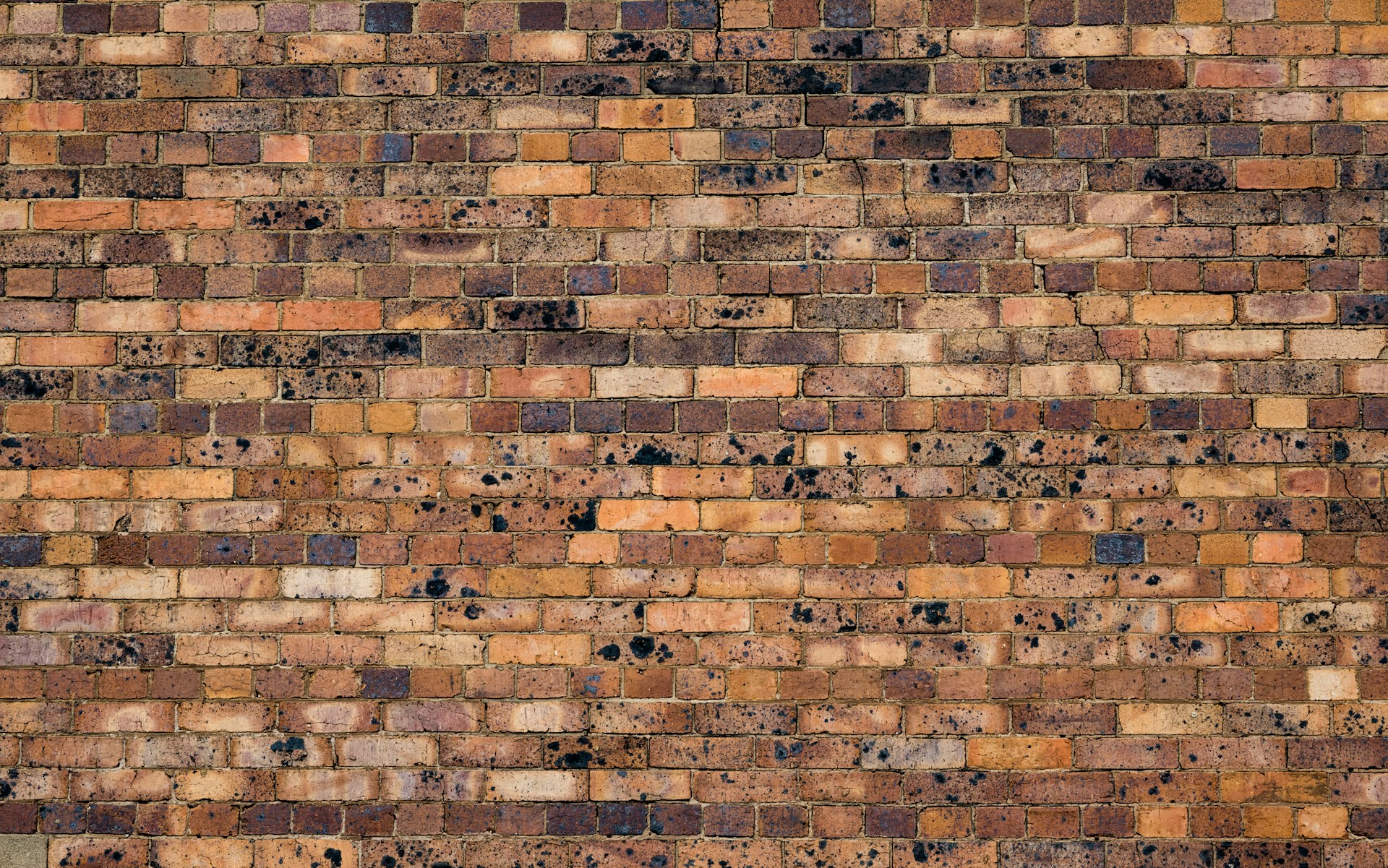
Examine your existing bricks closely. Note their size, color, and texture, as reclaimed bricks vary widely. Some bricks might have irregular edges or unique surface marks from original manufacturing or weathering.
Look for variations in hue and pay attention to the brick’s finish—smooth, rough, or pitted. Measure several bricks to help with ordering. These details matter if you want your repair or addition to appear original.
Evaluating Mortar and Aging
Matching mortar is as important as matching brick. Analyze a sample of your existing mortar for color, composition, and texture. Mortar mixes range from lime-based to cement-heavy, affecting how the new brick sits and weathers over time.
Aging signs like surface wear or staining influence your choices. Reclaimed bricks with softer edges and subtle discolorations blend better than new bricks, which can stand out.
Determining Quantity and Sourcing
Calculate how many bricks you need, adding 10-15% extra for cuts and breakage. Since reclaimed bricks vary, having a surplus allows better selection for matching your original wall.
Source bricks from suppliers who maintain authentic, tested inventory. Hand-selected bricks from century-old structures ensure authenticity and reduce wait times.
Sourcing Matching Reclaimed Brick
Finding the right reclaimed brick involves knowing where to look and how to assess quality and authenticity. Explore various channels to find bricks that match your renovation’s style, color, and texture. Consider availability, condition, and logistics when sourcing materials.
Finding Local and Nationwide Suppliers
Start with suppliers who specialize in reclaimed brick and offer a wide selection from different regions. Local suppliers often have bricks that naturally fit your area’s historic architecture. Nationwide suppliers provide diverse inventory sourced from century-old buildings and can ship quickly.
This is helpful if your project requires a specific look not found nearby. Check that suppliers test bricks for strength and durability. Reliable sellers offer expert advice for choosing bricks that meet both aesthetic and structural needs.
Exploring Salvage Yards and Specialty Dealers
Salvage yards can be great sources for matching bricks, especially those from unique or historic structures. Inspect bricks firsthand for age, wear, and original kiln marks.
Specialty dealers organize inventories by style, color, and era, making your search faster and more precise. Bring samples from your site to compare directly and ensure a good match.
Reclaiming Bricks from On-Site Demolitions
If you have access to buildings slated for demolition, reclaiming bricks on-site provides the most direct match. You can handpick bricks that align with your renovation’s original fabric.
This method requires extra labor for careful removal and cleaning, but often yields the highest authenticity. Coordinate with demolition crews to avoid damaging bricks and check local regulations before proceeding.
Brick Matching Techniques
Matching reclaimed brick involves careful attention to color, texture, size, and durability. Each factor plays a key role in blending new and old materials for an authentic look.
Color and Texture Comparison
Compare the color tones of your reclaimed bricks with the existing material. Colors vary due to weathering, firing methods, and clay composition. Focus on subtle shades and authentic texture to keep your project visually consistent.
Older bricks often have uneven surfaces and worn edges. Bring samples into natural light to observe differences and ensure a natural blend.
Size and Shape Considerations
Measure both your existing bricks and reclaimed options, as historic sizes were not standardized. Even small differences in size can affect the appearance of mortar joints and overall aesthetics.
Brick shape can also vary due to old manufacturing techniques. Specify size requirements carefully and test how bricks fit together with your current masonry before ordering.
Testing for Durability and Weather Resistance
Test or verify the durability of reclaimed bricks before installation, especially for outdoor use. Check for erosion, cracking, or salt damage that might affect strength.
Bricks from historic buildings usually offer good weather resistance, but confirm with a simple water absorption test or consult an expert. Choosing durable bricks ensures your renovation lasts for decades.
Installation and Integration
Integrating reclaimed brick into your renovation requires careful preparation and blending with existing materials. Proper mortar selection ensures the new work feels seamless and durable.
Preparing Reclaimed Bricks for Use
Clean reclaimed bricks thoroughly to remove dirt and old mortar. Soak them in water for at least 20 minutes to prevent them from absorbing moisture from fresh mortar.
Inspect each brick for cracks or damage and discard any that are unsound. Use gloves to protect your hands and preserve the brick’s patina.
Blending New Matches with Old Brickwork
When adding reclaimed brick to existing work, pay attention to texture, color, and size differences. Lay bricks in a pattern that mimics the original, allowing for natural irregularities.
Pick colors and weathering that closely resemble the old bricks. Test small sections first to see how materials interact under different lighting. Keep joint sizes consistent and avoid over-grouting for a subtle, authentic blend.
Choosing the Right Mortar Mix
Use a softer, lime-based mortar that matches historic standards. This type allows for movement and breathability, preventing stress and damage to bricks.
Avoid high Portland cement content, which can crack reclaimed brick. Choose a mortar color and texture similar to existing joints, and consult with a masonry expert for exact proportions.
Preserving the Authentic Look
Maintaining the character of reclaimed brick is key to a successful renovation. Proper cleaning and finishing enhance its historic charm without damaging its natural patina. Aim for consistent aging effects to blend new work with old seamlessly.
Cleaning and Finishing Techniques
Use gentle cleaning methods, like a soft wire brush or low-pressure water, to remove dirt and loose mortar. Avoid harsh chemicals or sandblasting, which can erode the surface.
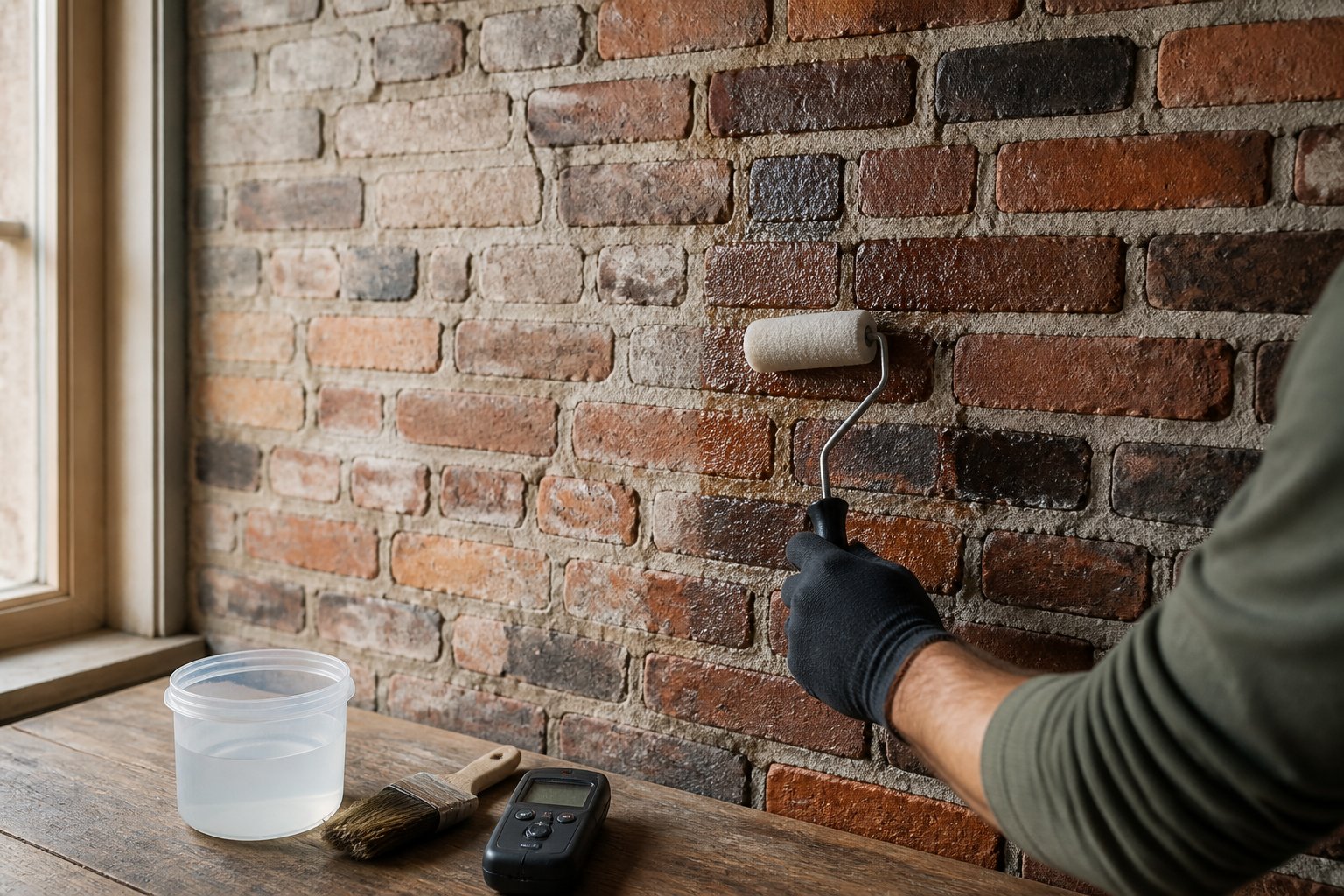
For finishing, use breathable sealers that protect while preserving texture and color. Matte or satin finishes work best, and let bricks dry completely before sealing to prevent moisture issues.
When repairing, use lime-based mortars that match historic compositions to maintain the brick’s look and integrity. Consult experts for compatible materials that respect the brick’s age and origin.
Tips for Achieving Consistent Aging Effects
To blend reclaimed bricks with new ones, subtly replicate the weathered look. Lightly distress new bricks by hand with sanding blocks or wire brushes, focusing on edges and corners where aging appears first.
Apply thin washes of diluted earth-toned stains to tone down bright bricks, testing on samples to avoid overdoing it.
Vary your treatments for a natural appearance, as historic walls show differences in texture and shade. Mixing bricks from similar sources helps create authentic variation, making the finished surface look convincingly aged.
Cost and Budget Considerations
Understanding the pricing of reclaimed brick helps you make informed decisions that fit your style and budget. Knowing where costs come from allows you to plan your project effectively and avoid surprises.
Estimating Prices for Reclaimed Bricks
Reclaimed bricks usually cost more than new ones because of the labor needed to salvage, clean, and sort each piece. Prices often range from $2 to $5 per brick, depending on quality and rarity. Delivery and special handling can add to your budget, especially since reclaimed bricks are heavier.
Order 10-15% more bricks than you need to cover breakage or waste and prevent delays during installation.
Balancing Cost with Authenticity
Reclaimed brick captures history and character that cheaper alternatives lack. If your budget is limited, use reclaimed bricks where they show most and new bricks or veneers in less visible spots. This approach lets you balance expense and authenticity without overspending.
Sustainability Benefits of Reclaimed Brick
Using reclaimed brick supports sustainability by reducing the demand for new materials, which lowers energy use and carbon emissions. These bricks last a long time because they were made with durable materials and traditional methods.
Choosing reclaimed bricks keeps construction waste out of landfills and preserves architectural heritage.
Here’s a quick look at key sustainability benefits:
Benefit
Impact
Reduced Waste
Keeps old bricks out of landfills
Lower Carbon Footprint
Cuts emissions from new brick production
Material Longevity
Bricks last longer, fewer replacements needed
Resource Conservation
Saves raw materials like clay and shale
Choosing reclaimed brick connects your project to a legacy of craft and care. It’s a choice that respects resources and history, supporting both sustainability and style.
Tips for Successful Renovation with Reclaimed Brick
Begin by carefully inspecting each reclaimed brick for cracks, chips, or other damage that could affect durability. Sort bricks by color and size to create a consistent look, and mix small amounts from different batches if you want subtle variation.
Reclaimed bricks vary in texture and patina, adding character but requiring attention during installation for a balanced finish. Plan for extra mortar and cleaning supplies, as older bricks often need special care to preserve their charm.
Use tools designed for historic brickwork to avoid damaging fragile bricks. If you’re unsure, consult experts to save time and maintain quality.
Remember these key points:
Tip
Reason
Inspect each brick
Avoid structural problems
Sort by size/color
Ensure consistent appearance
Use matching mortar
Blend old and new seamlessly
Work with experienced pros
Preserve the brick’s historic texture
Following these tips helps your reclaimed brick renovation stay beautiful and strong for years.
Blending History and Craft for a Lasting Brick Match
Matching reclaimed brick lets you carry history forward while creating a unified, enduring design. Each reclaimed piece adds warmth, texture, and story to your renovation, ensuring your work feels genuine and timeless.
When you choose hand-selected reclaimed brick from New Orleans Brick & Stone, you gain tested materials that merge authenticity with modern performance. Every brick is inspected and cleaned, ready to complement your home’s character for decades to come.
Preserve the look you love—reach out for expert guidance and personalized sourcing to achieve the perfect reclaimed-brick match for your next project.
Frequently Asked Questions
Matching reclaimed brick requires careful attention to color, texture, size, and age. Reliable methods and sometimes expert help can help you achieve a seamless look for your renovation or extension.
How can I find the closest match to my existing bricks for a renovation project?
Take clear photos and samples of your current bricks. Compare their color, texture, and size. Consult with experienced suppliers for access to a range of reclaimed options.
What are the most reliable methods for matching old bricks when extending a home?
Use physical samples to compare under natural light. Look for bricks with similar wear and color variation. Test mortar color and brick size together for best results.
Are there any free tools or apps that can help me match my bricks effectively?
Color-matching apps can provide a rough estimate, but they won’t capture texture or age. Use them as a starting point, but rely on physical samples for accuracy.
Who should I contact for professional brick matching services?
Contact suppliers experienced in reclaimed materials and historic projects. They can help you find bricks with authentic patina and character.
How much should I budget for acquiring reclaimed bricks that match my existing ones?
Costs depend on the rarity and condition of the brick. Authentic reclaimed bricks are usually more expensive than new ones. Budget extra for shipping and any surface treatment needed for blending.
What tips can you give for modernizing the look of an old brick structure during renovations?
Pair historic bricks with modern mortar colors that complement the original look. Use reclaimed bricks as accent walls or around entries to add character. Balance new features with the patina and texture of the existing brick.