Tan brick reclaimed offers warmth, character, and timeless beauty drawn from century-old structures. Its natural patina and subtle tonal variations bring depth to interiors and exteriors, creating spaces that feel lived-in and enduring.
New Orleans Brick & Stone supports this tradition by offering genuine reclaimed materials rooted in heritage and architectural craftsmanship. With fast nationwide shipping and hand-selected inventory, we help clients create sustainable projects without sacrificing authenticity or visual appeal.
In this article, you’ll learn how reclaimed tan brick is sourced, what makes it unique, and how it can be used across residential and commercial designs. You’ll also explore installation considerations, maintenance insights, and creative ideas to bring historic charm into your project.
Key Takeaways
- Reclaimed tan brick offers unique heritage and durability from century-old buildings.
- Ready inventory allows quick access and reliable delivery for your project.
- The material adds timeless character and warmth to both modern and historic designs.
What Is Tan Brick Reclaimed?
Reclaimed tan brick carries a distinct appeal tied to its history, texture, and color range. Understanding its makeup, variations, and origins helps you choose the right brick for your project, whether you want authenticity or durability.
Definition and Characteristics
Tan brick reclaimed refers to bricks salvaged from older buildings, generally over 100 years old. These bricks have stood the test of time, giving them natural strength and a unique surface texture that new bricks can't match.
They often have weathered edges, slight color variations, and a worn patina, reflecting decades of exposure to weather and use. This wear adds character and warmth to any space, blending history with craftsmanship. Choosing reclaimed tan brick means selecting a material that offers both durability and a story.
Color Variations and Textures
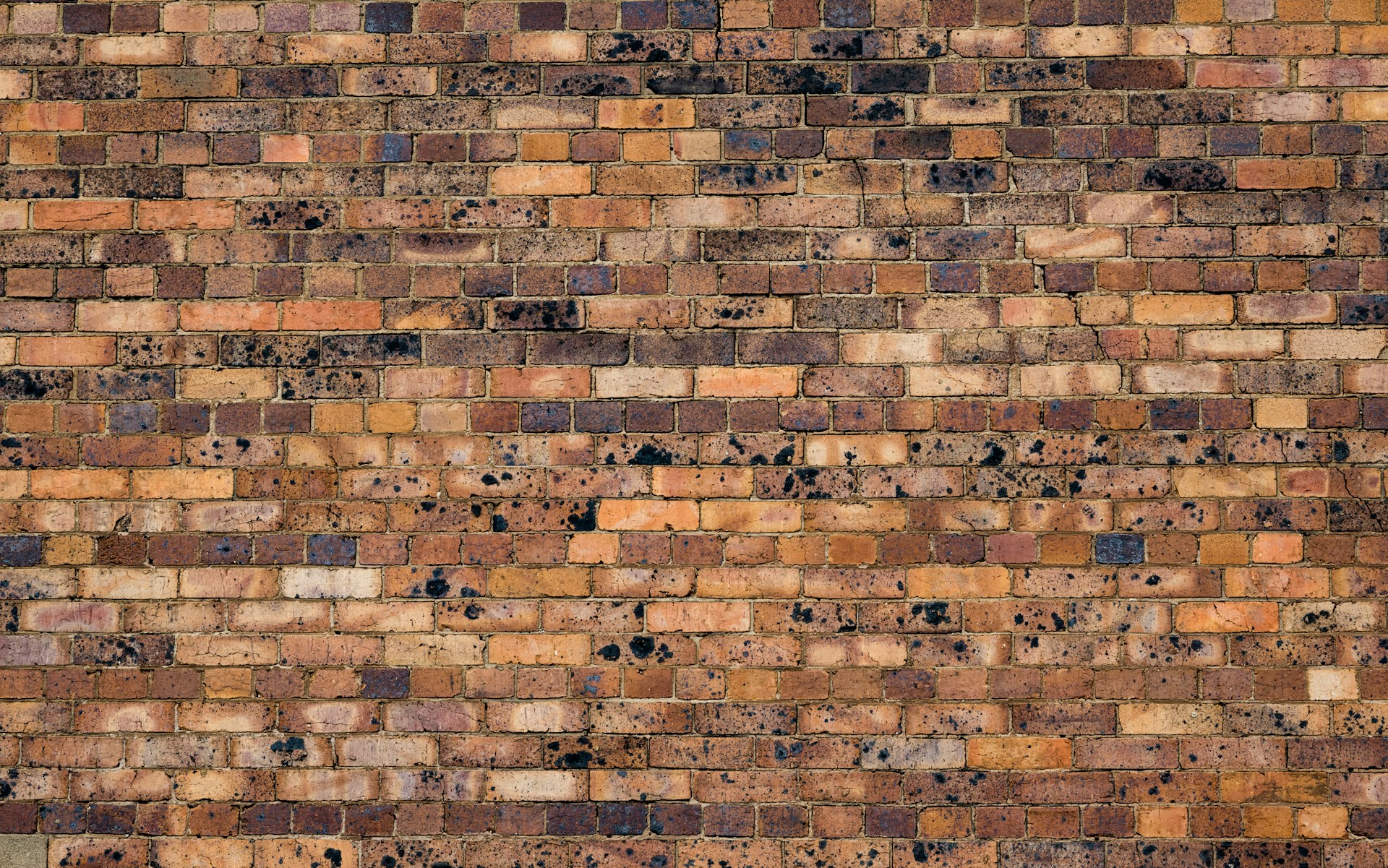
Tan brick comes in shades ranging from soft cream to warm beige and light brown tones. These subtle differences depend on the clay composition, firing process, and age of the brick. Because they're reclaimed, you’ll find varied textures like smooth, pitted, or sandwiched with thin surface imperfections.
This variety creates a rich, layered look for walls or floors. The lack of uniformity found in new bricks makes your project feel more natural and historic. Options like Soft Red and Hard Tan offer subtle color shifts that enhance visual interest without overpowering other design elements.
Common Sources of Reclaimed Tan Brick
You’ll often find reclaimed tan bricks in century-old homes, warehouses, and public buildings, especially in regions with a long architectural history. Specialists reclaim bricks from such sources, ensuring each piece offers authentic heritage and integrity.
Teams carefully remove and inspect these bricks to maintain quality and deliver ready-to-use material for your builds or renovations. This approach respects the past while meeting your need for high-quality, pre-seasoned materials shipped quickly for immediate use.
Benefits of Using Reclaimed Tan Brick
Using reclaimed tan brick adds value through environmental responsibility, distinctive style, and proven durability. These bricks bring character and history to your project while offering practical advantages rooted in their craftsmanship and composition.
Environmental Advantages
Reclaimed tan bricks reduce demand for new manufacturing, saving natural resources and energy. By reusing brick from 100-year-old buildings, you lower landfill waste and limit carbon emissions tied to production.
These bricks have already endured decades, making them a sustainable material that supports a circular building economy. This choice aligns with thoughtful construction practices and helps preserve historic building traditions.
Unique Aesthetic Appeal
Each reclaimed tan brick has distinct textures and color variations shaped by time and regional influences. This creates a rich patina that new bricks cannot replicate, adding warmth and authenticity to your walls.
Hand-selected bricks bring vintage charm to your space, giving it a timeless quality that connects to the heritage of Southern architecture.
Durability and Strength
Antique bricks were made to last, often with denser clay and longer firing times than modern bricks. Reclaimed tan brick carries this strength forward, making it suitable for both structural and decorative use.
These bricks have already weathered natural cycles, proving their resilience. With proper installation, they provide lasting performance while maintaining historical accuracy on your project.
How to Source Reclaimed Tan Brick
Finding authentic reclaimed tan brick involves knowing where to look and understanding the key qualities that ensure durability and historic value. The process requires attention to sourcing from trusted suppliers who honor the material’s legacy and offer reliable service.
Where to Find Authentic Suppliers
Seek out suppliers who specialize in reclaimed brick, focusing on materials salvaged from 100+ year-old buildings. This ensures the bricks carry genuine character and strength you won’t find in new products.
Trustworthy sources maintain meaningful inventory and offer fast shipping, often within 48 hours. This prevents delays and supports your project schedule without compromising authenticity.
Look for direct communication with experts who understand historic architecture and can guide you in selecting bricks that fit your design vision. Avoid large distributors that offer impersonal service or long lead times.
Important Qualities to Look For
Reclaimed tan brick should have consistent color variation and texture, showing natural aging but no severe cracks or damage. The brick must be structurally sound to ensure long-term durability in your build.
Ensure the supplier thoroughly tests and prepares the brick for reuse, removing mortar and stabilizing each piece. This reduces surprises in installation and preserves the brick’s integrity.
Authentic reclaimed bricks often come with a history, connecting your project to architectural traditions like those championed by A. Hays Town. Sourcing from a family-owned business focused on legacy and craftsmanship ensures your materials reflect this same care and respect.
Look for reasonable pricing that reflects the quality and rarity of these materials—fair rates without excessive markups signal a supplier committed to value.
Documentation and Material Traceability
Authentic reclaimed materials require a traceable origin, condition, and history to ensure they meet reuse standards. The National Park Service emphasizes that preservation efforts must include consistent documentation of historical materials and their handling.
When sourcing reclaimed brick, ask for digital records, historic context, and condition reports—this builds trust and preserves material integrity for your build.
Popular Uses for Reclaimed Tan Brick
Reclaimed tan brick offers a warm, historic character that enhances various design elements. Its natural variations and patina bring a unique charm that fits well in both structural and decorative roles.
Interior Wall Features
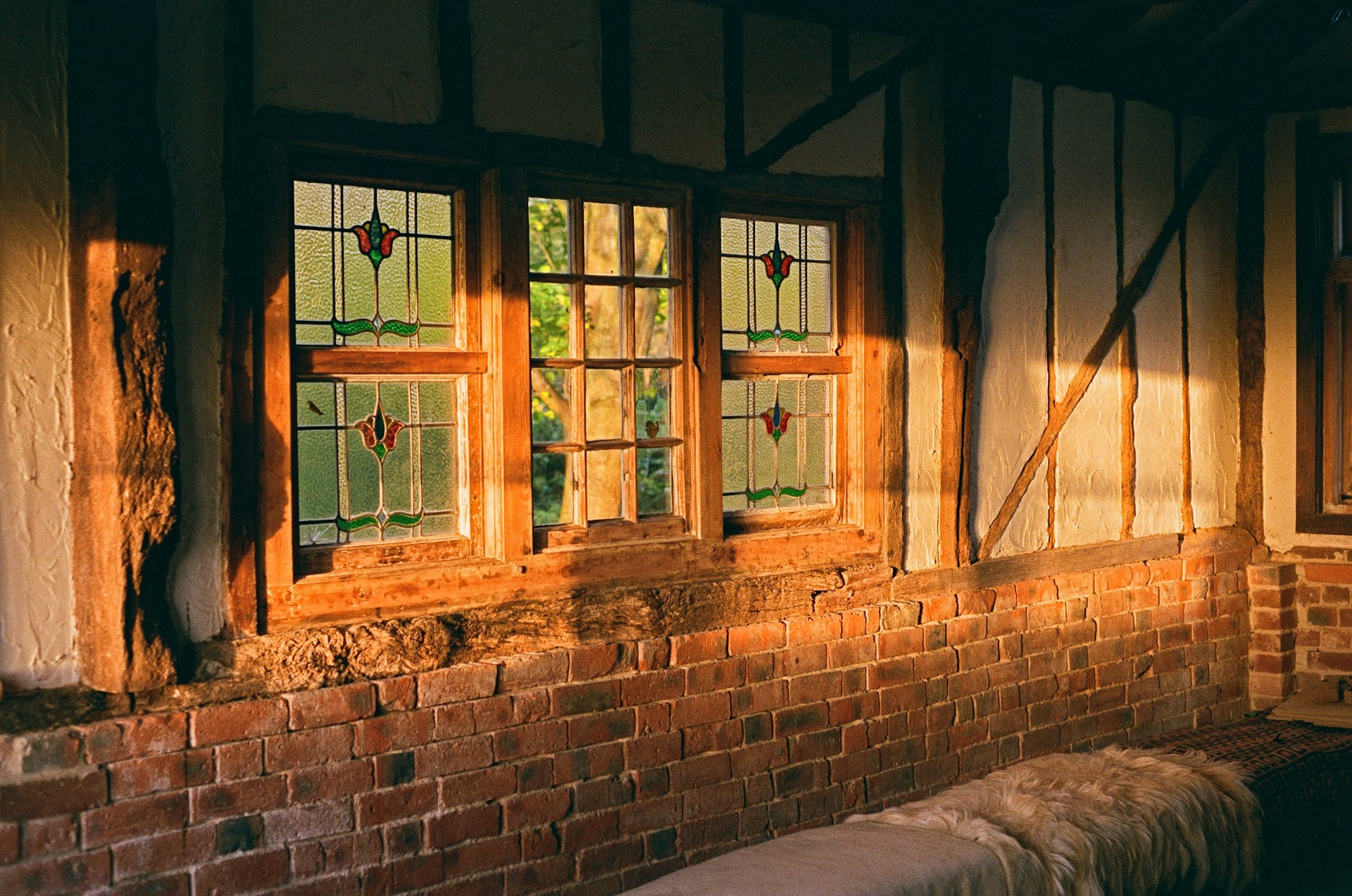
Using reclaimed tan brick inside your space creates an immediate focal point with authentic texture and color depth. It works well for accent walls in living rooms, kitchens, or dining areas, adding a rustic yet refined touch.
The bricks’ weathered surface reflects decades of history. Pair this with neutral tones or natural wood to maintain a cozy, inviting atmosphere. It’s also a durable choice, standing up well to everyday wear.
Exterior Facades
Your building’s exterior benefits from reclaimed tan brick’s strength and character. It resists weathering and ages gracefully over time, so your façade will look established and durable for years.
The soft tan tones blend with varied architectural styles, from classic Southern homes to modern designs seeking natural warmth. Reclaimed bricks offer greater sustainability, reducing demand for new materials and preserving historic elements.
Landscape Design
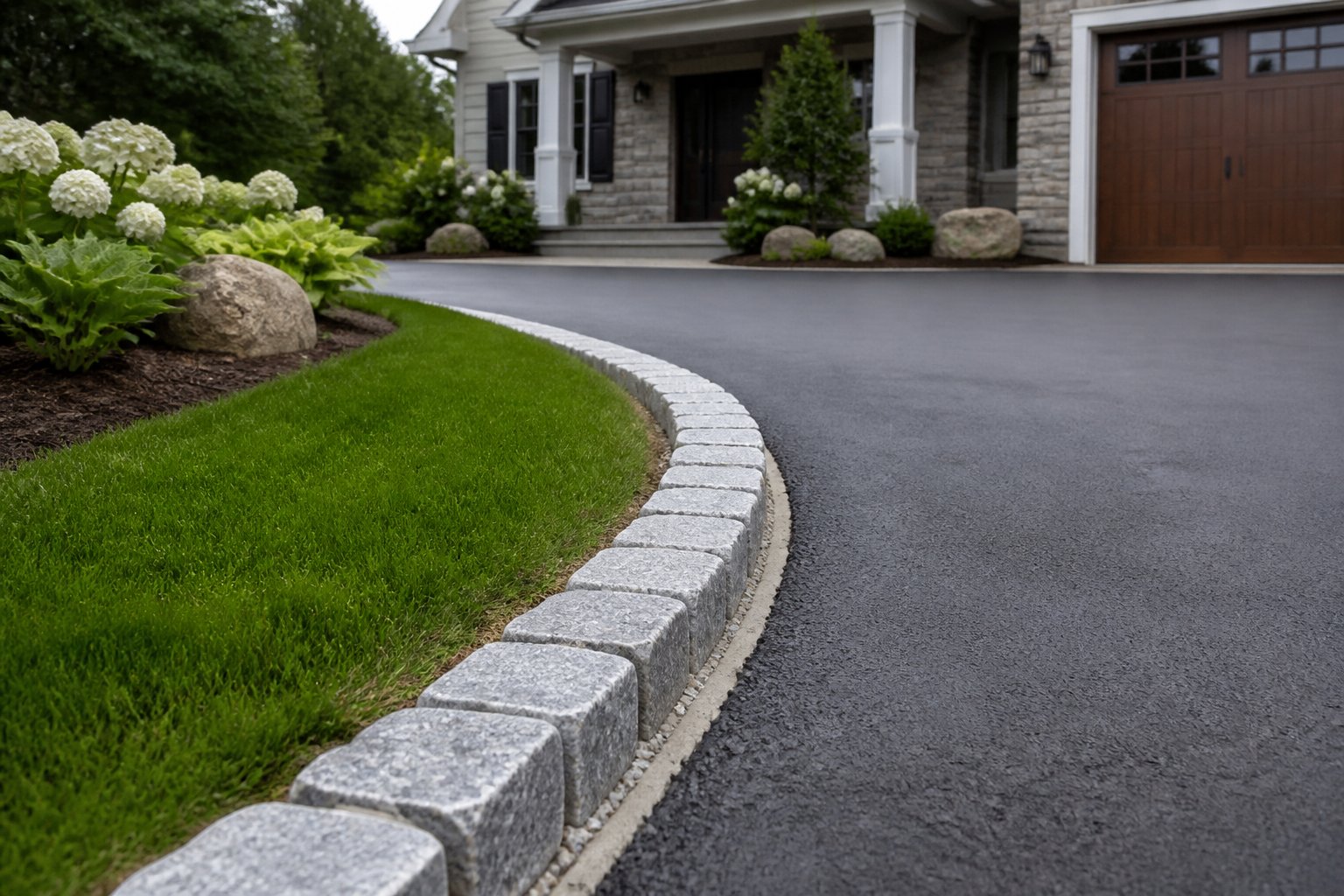
In landscape projects, reclaimed tan brick adds structure and charm to patios, walkways, and garden walls. Its uneven edges and natural patina create visual interest and a sense of history that new bricks cannot replicate.
The material’s durability suits outdoor use, handling foot traffic and the elements with ease. You can design anything from formal garden borders to informal seating areas with these bricks, achieving a serene, lived-in feel.
Choosing reclaimed bricks from a trusted supplier ensures you get consistent quality that fits your project’s scale and style, preserving craftsmanship and authenticity in your outdoor spaces.
Installation and Design Tips
When working with tan reclaimed brick, pay close attention to preparation and mortar choice. Your layout should highlight the brick’s natural character and historic charm. Thoughtful design elevates both indoor and outdoor spaces.
Preparation and Cleaning
Before installation, clean each brick thoroughly to remove dirt, old mortar, and debris. Use a stiff brush and mild detergent or a gentle acid wash if needed, but avoid harsh chemicals that might damage the brick’s patina. Let the bricks dry completely to prevent moisture trapping.
Inspect bricks for cracks or damage, setting aside those unsuited for structural use. Proper preparation preserves the brick’s original texture and color.
Mortar Choices for Reclaimed Brick
Select mortar that complements your brick’s warm tan tones. A neutral or light grey mortar often works best, balancing the brick’s natural hues without overpowering. Avoid overly bright white mortars, which can appear stark against aged brick.
Softer mortar (Type N) is preferable for historic or delicate reclaimed brick, allowing slight movement without damage. For exterior walls exposed to weather, you might opt for stronger mortar (Type S) for durability. Mixing mortar with lime enhances flexibility and breathability, protecting your investment.
Pattern and Layout Ideas
Classic running bond remains a timeless choice, emphasizing continuity and subtle grain in reclaimed brick walls. For added interest, try herringbone or basketweave patterns that showcase the brick’s texture and historical essence.
Vary brick orientation or integrate occasional full bricks alongside thin veneers to add depth. Accenting with contrasting mortar joints or controlling joint width can further highlight antique character. In fireplaces or accent walls, combine tan reclaimed brick with other textures like natural stone for layered visual warmth.
Comparing Reclaimed Tan Brick to New Brick
When choosing between reclaimed tan brick and new brick, consider factors like cost, durability, and environmental impact. These elements affect your budget, project timeline, and the legacy you build.
Cost Differences
Reclaimed tan brick often costs more upfront than new brick because specialists must carefully salvage, clean, and prepare bricks from old buildings. However, reclaimed brick can offer long-term value by reducing future replacement needs thanks to its proven durability.
New brick tends to be less expensive initially but may lack the character and quality of reclaimed options. You might also face additional expenses for matching color and texture if repairs or extensions are needed later.
Longevity and Maintenance
Reclaimed tan brick has typically endured decades or even centuries of weather, making it highly durable and stable. This age-tested quality means it resists wear better than many new bricks, which may degrade faster in harsh conditions.
Maintenance for reclaimed brick is generally less intensive, as the bricks have already settled and stabilized. Conversely, new brick might require sealing or more frequent upkeep to prevent cracking or spalling.
Choosing reclaimed brick gives your project a material with proven endurance, minimizing future repairs and preserving authentic character.
Sustainability Factors
Using reclaimed tan brick dramatically reduces demand for new brick production, which consumes energy and raw materials. It also keeps materials out of landfills, supporting a circular economy.
New brick manufacturing involves quarrying clay and high-temperature firing, which contribute to carbon emissions. By contrast, reclaimed bricks reuse existing resources without additional manufacturing.
If sustainability is a priority, reclaimed bricks from a trusted source align with eco-conscious building by combining heritage with responsible material use.
Maintaining Reclaimed Tan Brick
To keep your reclaimed tan brick looking its best, focus on proper cleaning and routine care. These steps will preserve the brick’s character and durability, ensuring it remains a timeless feature in your space.
Cleaning Techniques
Begin with gentle cleaning methods to protect the brick’s surface and mortar joints. Use a soft-bristle brush with mild detergent and water to remove dirt and debris. Avoid high-pressure washing, as it can erode the brick and cause chipping.
For tough stains, apply a baking soda and water poultice for 20 minutes to lift marks without harsh chemicals. After cleaning, rinse the bricks with clean water to remove residue. Dry the area with a soft cloth or allow it to air dry.
Long-Term Care Recommendations
Inspect reclaimed tan brick regularly for cracks or mortar wear. Repoint deteriorated mortar promptly with a compatible mix to maintain stability.
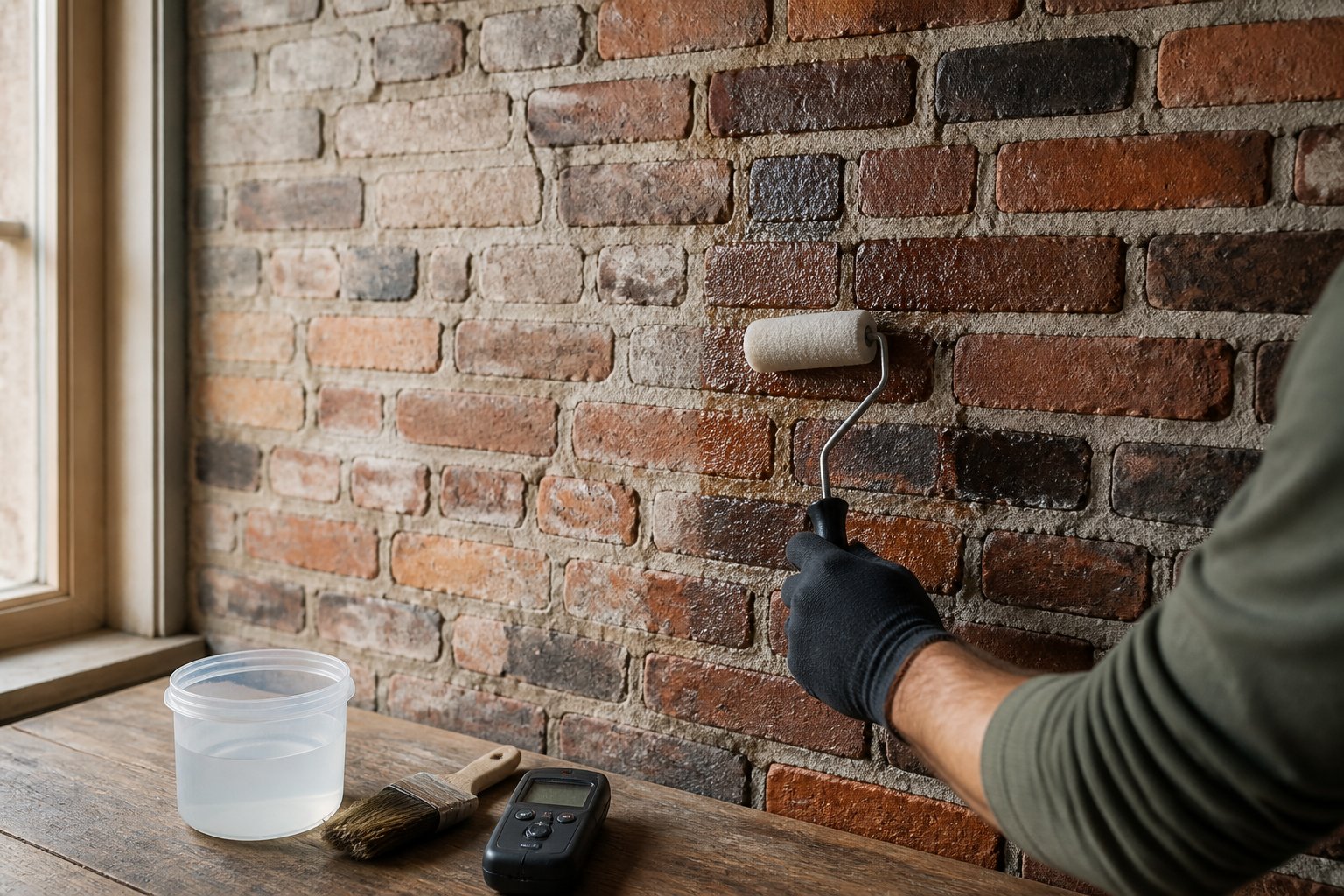
Seal the bricks with breathable, masonry-specific sealers to repel moisture while letting trapped water escape, which prevents freeze-thaw damage.
Keep plants and irrigation systems away from the brickwork to prevent excess moisture buildup. If you need replacement bricks, seek out authentic reclaimed bricks with fast shipping to keep maintenance timely.
Creative Project Ideas With Tan Brick Reclaimed
Tan reclaimed brick provides unique texture, color, and history. Its warm tones and weathered character make it ideal for projects that need durability and visual appeal. Here are practical ways to use this material in your design.
Accent Walls and Fireplaces
Tan reclaimed brick accent walls add warmth and charm to any room. The natural variations in color and wear create a textured focal point. Fireplaces built or veneered with reclaimed tan brick create a timeless, cozy atmosphere.
These bricks bring authentic character that a new brick cannot match, making them perfect for living rooms or dens with a rustic yet refined look. Pair these bricks with neutral paint or wood trim to highlight their earthy tones. Their versatility allows them to complement many interior styles, from modern farmhouse to classic colonial.
Outdoor Patios and Walkways
Tan reclaimed brick works well for outdoor projects due to its durability and historic appeal. Patios made from these bricks develop a rich patina over time, enhancing your outdoor space with unique character.
Walkways using reclaimed bricks provide excellent traction and a non-slip surface. Their varied shapes and imperfections offer a more natural look than manufactured pavers. Layouts like herringbone or stretcher bond patterns show off the brick’s texture.
Seal the bricks for lasting results, protecting against weathering while maintaining their authentic appearance. Choose hand-selected tan reclaimed brick for projects that require style and endurance.
Timeless Texture With Lasting Purpose
Reclaimed tan brick delivers history, warmth, and resilience that elevate both traditional and modern designs. Understanding how to source, install, and maintain this material ensures your project benefits from its enduring character and proven performance.
New Orleans Brick & Stone honors this heritage by offering authentically reclaimed brick. The materials are backed by reliable nationwide access and a legacy of craftsmanship. These materials help you build with confidence, authenticity, and respect for architectural tradition.
Bring history home—call to request reclaimed tan brick today and infuse your project with enduring beauty and sustainable value.
Frequently Asked Questions
Reclaimed tan bricks bring history, character, and durability to your projects. Knowing about pricing, sourcing, and design options helps you make the best decisions for your home or landscape.
Where can I find reclaimed tan bricks for sale?
Look for authentic reclaimed tan bricks through specialty suppliers. Many stock hand-selected bricks from century-old buildings and offer fast nationwide shipping.
How much do reclaimed tan bricks typically cost?
Prices usually range from $2 to $6 per brick, depending on quality and source. Rare colors or hand-cut sizes may cost more.
Are reclaimed bricks a cost-effective alternative to new bricks?
Reclaimed bricks often provide better value when considering their longevity and character. They may cost more upfront, but can reduce replacement and maintenance expenses over time.
What are some current trends in brick colors?
Earthy tones like tan, warm reds, and soft browns remain popular. Homeowners often choose bricks with natural patina and variation for a timeless appearance.
How can I incorporate tan bricks into my home's exterior design?
Use tan bricks for accent walls, chimney facades, or foundation wraps. Pair them with natural stone or wood for a classic, Southern-inspired look.
What are the benefits of using tan brick pavers for landscaping?
Tan brick pavers create durable, slip-resistant surfaces that add warmth and texture to outdoor spaces. They age well and need little maintenance.