Old Chicago brick brings warmth, texture, and historic depth that newer materials rarely match. Its weathered surfaces and rich, red-brown tones add instant character to homes looking for authentic architectural charm. Each brick carries the subtle marks of time, creating a lived-in aesthetic that feels both grounded and inviting.
Homeowners and designers seeking genuine reclaimed materials often turn to New Orleans Brick & Stone. We offer dependable access to Old Chicago brick with true provenance. These bricks reflect generations of craftsmanship and urban heritage, offering surfaces that blend durability with unmistakable authenticity.
This guide explores what makes Old Chicago brick unique, how it compares to modern materials, and where it shines in home design. You’ll also learn installation essentials, maintenance guidance, cost considerations, and sourcing insights to help you create spaces full of warmth and architectural history.
Key Takeaways
- Old Chicago brick adds authentic, historic character and long-lasting durability.
- Reclaimed bricks from trusted suppliers offer quick availability.
- Using reclaimed brick connects your project to tradition with unique texture and heritage.
What Is Old Chicago Brick?
Old Chicago brick is valued for its rich history, distinctive look, and unique texture. Understanding its origins, visual features, and how it stands apart from new brick helps you make informed choices for your building or restoration project.
Definition and History
Old Chicago brick refers to bricks originally made and used in Chicago’s historic buildings, mainly during the late 19th and early 20th centuries. Craftsmen made these bricks with durable clay and high-temperature firing, giving them strength and longevity.
These bricks carry the story of Chicago’s architectural past, often reclaimed from demolished or renovated sites. Using these bricks preserves a piece of the city’s legacy, connecting your project to historic craftsmanship and time-tested materials.
Characteristics
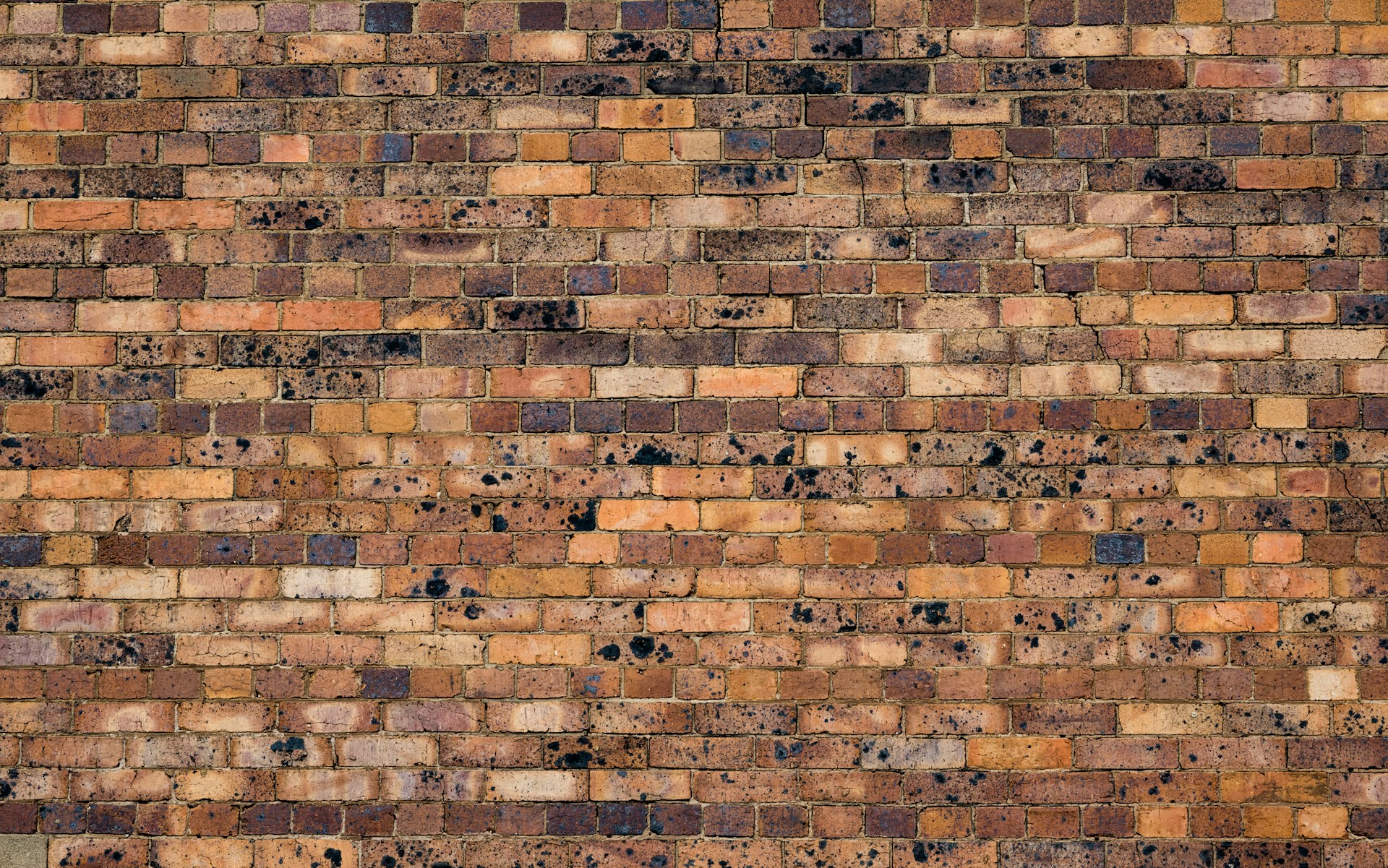
These bricks have a deep, rich red color with weathered surfaces that show the effects of age and exposure. Their urban character often features slight variations in size, texture, and tone, which lend an authentic, lived-in appeal.
The rough texture and sometimes slightly irregular shapes reflect hand craftsmanship. This authentic feel adds warmth and character to your wall or fireplace that new bricks typically lack.
Understanding Clay Composition and Historic Firing Methods
Old Chicago brick owes much of its durability to the dense Midwestern clay used during late-19th-century production. This clay, rich in minerals and fine particles, created bricks capable of withstanding Chicago’s intense freeze-thaw cycles.
The distinct coloring and surface texture come from natural impurities within the clay that reacted during firing.
According to the National Park Service, older brickmaking methods produced materials with varied density and surface characteristics due to hand molding and uneven kiln heat. These inconsistencies contribute to the charming irregularities that define Old Chicago brick today.
Modern bricks aim for uniformity, while historic methods embraced natural variation. Understanding this difference helps you appreciate why reclaimed Chicago brick offers such enduring performance and visual richness.
How It Differs From New Brick
Old Chicago brick has a weathered patina from decades of natural wear. New bricks look more uniform, smoother, and lack the depth of color variations and surface texture.
Old bricks are often more durable, having endured urban environments for over a hundred years. If you want a historic or rustic aesthetic with proven longevity, reclaimed bricks offer an advantage that new bricks can’t match.
Benefits of Old Chicago Brick
Choosing Old Chicago brick means investing in materials with proven strength, timeless style, and responsible reuse. This brick offers long-lasting performance, historic charm, and environmental benefits that fit many projects.
Durability and Longevity
Old Chicago brick endures harsh urban environments. Fired at high temperatures, it resists cracking and weathering better than many newer bricks. Its dense composition allows it to handle freeze-thaw cycles without losing integrity.
These bricks come from century-old buildings, proving their ability to stand the test of time. You won’t need frequent repairs or replacements, which saves you maintenance costs.
Reclaimed Chicago bricks often feature unique, hand-pressed textures that contribute to their toughness. Trusted suppliers sort these bricks for quality and reliability.
Aesthetic Appeal
The rich, deep reds and textured surfaces of Old Chicago brick create a warm, inviting look with historic character. The weathered patina and subtle color variations bring authentic urban charm that newer bricks often lack.
These bricks tell a story with their industrial background and city heritage, adding a unique visual layer to your project. Whether it’s a fireplace, patio, or facade, the natural imperfections give your space a distinct personality.
Eco-Friendly and Reclaimed Material
Using reclaimed Old Chicago brick supports environmental sustainability without sacrificing quality. Reusing bricks reduces waste from demolition sites and limits the need for new raw materials.
This process lowers your project’s carbon footprint while maintaining the strength and authenticity of century-old brick. Reclaimed bricks are a smart choice whether you’re restoring a historic building or adding character to a new space.
Popular Applications of Old Chicago Brick
Old Chicago brick offers rich texture, historic character, and lasting durability for many uses. Its unique patina and strength make it a favored material for authentic, timeless spaces that hold value and style for years.
Residential Homes
Old Chicago brick brings character that only century-old bricks can provide. It works beautifully for exterior walls, fireplaces, and accent features that add warmth and authenticity. The brick's color variations—from deep reds to soft tans—enhance curb appeal and blend naturally with different architectural styles.
These bricks are durable and weather well, making them ideal for long-term use in homes. You can count on them to hold up through changing seasons while maintaining their historic charm.
Commercial Buildings
Old Chicago brick suits commercial buildings seeking a historic or industrial look. Its rugged texture and aged colors create inviting storefronts, restaurants, or office facades that stand out. Using reclaimed brick signals authenticity and commitment to quality, attracting customers who value heritage-driven design.
These bricks, sourced from century-old structures, have proven strength for high-traffic applications. The low maintenance and long lifespan contribute to cost savings over time. Having ready inventory means your project won't face long delays in sourcing.
Patios and Walkways
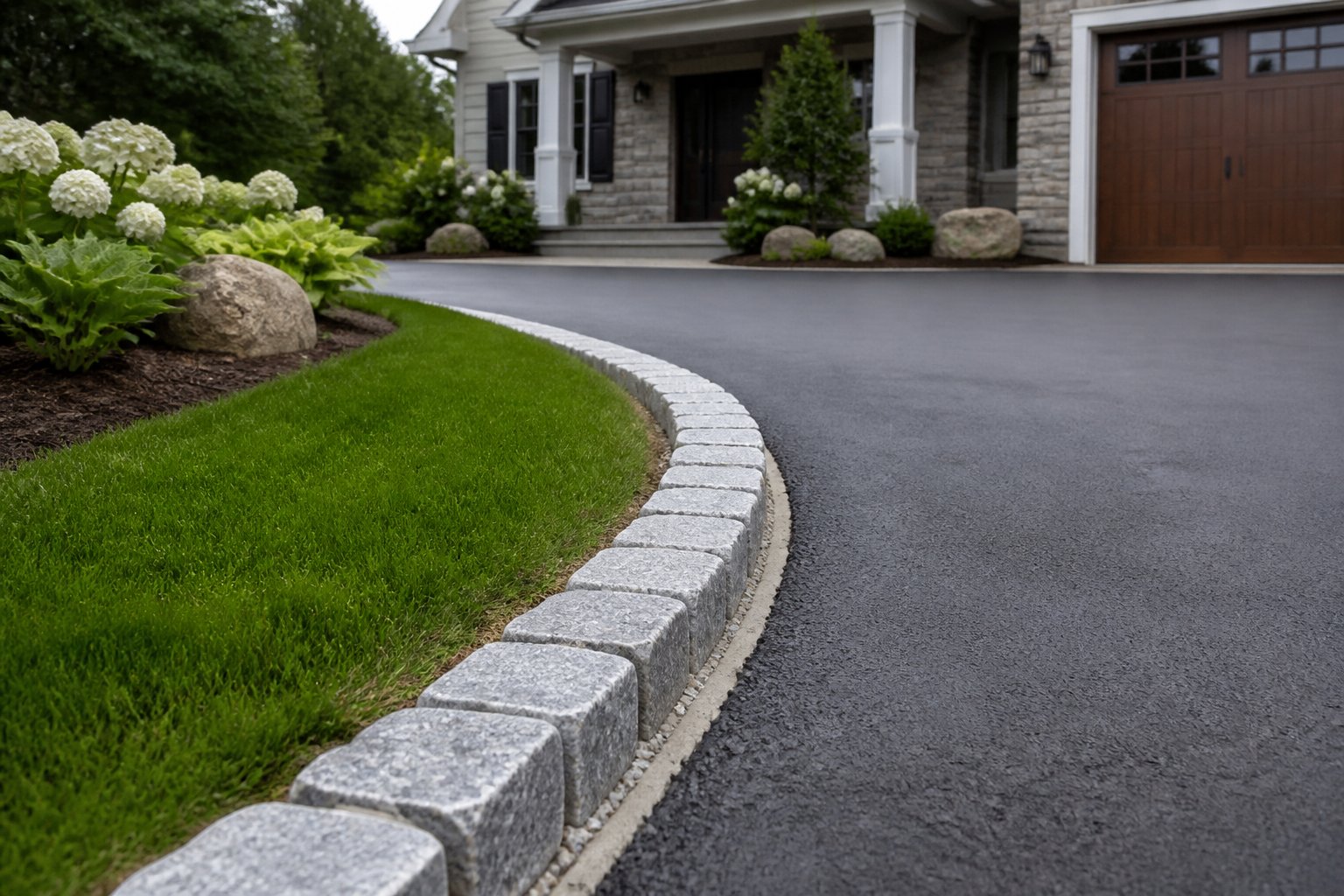
For outdoor spaces like patios and walkways, Old Chicago brick adds a natural, textured surface that resists slipping and weather damage. The irregularities in each brick create a unique pattern, making your outdoor areas visually interesting and durable.
These bricks handle foot traffic and moisture well, so you can enjoy a long-lasting, low-maintenance surface. Whether you’re crafting a cozy backyard patio or a welcoming garden path, Old Chicago brick offers character that complements natural landscapes and outdoor living spaces.
Old Chicago Brick Installation
Installing Old Chicago brick requires thorough preparation, careful application techniques, and attention to common pitfalls. Each step ensures your project benefits from the brick’s unique, weathered character without compromising durability or appearance.
Preparation and Planning
Before installation, inspect your bricks for consistency in size, texture, and condition. Because Old Chicago bricks often have natural weathering, plan your layout to highlight their urban character and avoid overly uniform patterns.
Prepare the surface carefully. Clean and level your foundation or wall substrate to ensure proper adhesion. If using mortar, choose a mix compatible with reclaimed brick, typically a lime-based mortar, to prevent damage.
Measure your workspace accurately and arrange bricks beforehand to avoid late-stage surprises. A detailed plan reduces delays and ensures the authentic look you want.
Installation Techniques
Start by laying a strong, level mortar bed or adhesive on the surface. Place bricks gently but firmly, allowing for slight variations to preserve the reclaimed brick’s natural charm.
Use consistent mortar joints of about 3/8 inch, tooling them with care to match the historic feel. Avoid overly smooth joints—textured, weathered mortar fits best with Old Chicago brick.
Work in small sections, regularly checking for level and alignment. Clean off excess mortar promptly to prevent staining the brick’s surface. For veneer applications, secure proper backing and moisture barriers. Hiring experienced installers can be a big help if this is your first reclaimed brick project.
Common Mistakes to Avoid
Take your time with reclaimed brick; patience highlights its authentic character. Don’t use modern Portland cement mortar exclusively, as it can be too hard and damage the brick over time.
Prepare the substrate well; poor leveling or cleaning leads to poor adhesion and cracking. Avoid uniform brick placement that erases the unique, worn textures of Old Chicago brick. Clean up during installation to prevent mortar stains that detract from its vintage appeal.
Maintenance and Care of Old Chicago Brick
Caring for Old Chicago Brick means keeping its character intact while protecting it from wear. Proper cleaning, sealing, and timely repairs will help preserve the brick’s authentic charm.
Cleaning Methods
Start with gentle cleaning to avoid damaging the brick’s surface. Use a soft brush and mild detergent diluted in water for regular dirt removal. Avoid harsh chemicals or high-pressure washing, which can erode the brick’s historic patina.
For tougher stains, try a poultice made from baking soda and water, applied gently and rinsed thoroughly. Always test your cleaning method on a small, hidden area first. Keeping bricks dry after cleaning prevents mold and mildew growth.
Sealing and Weatherproofing
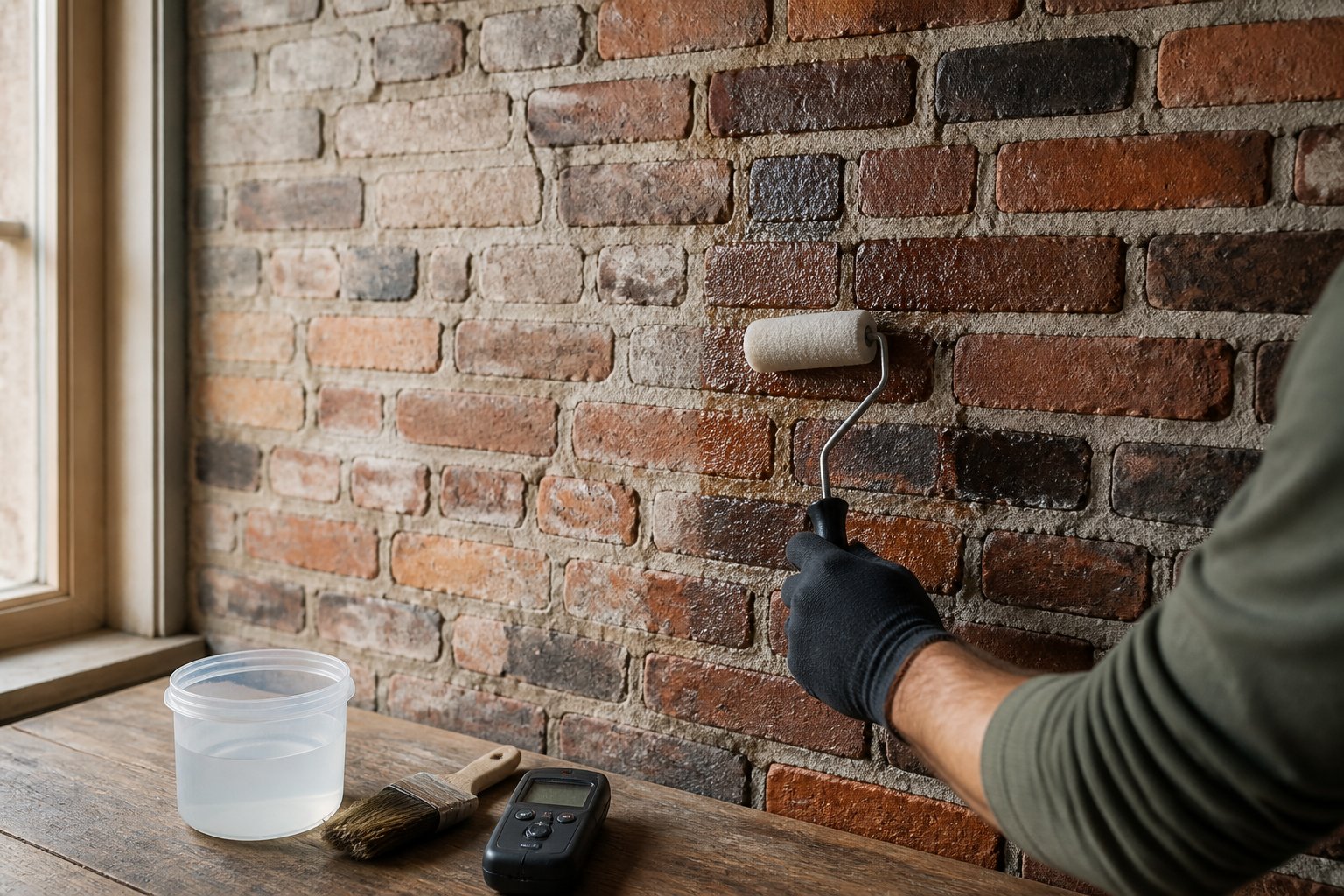
Sealing your Old Chicago Brick helps block moisture without trapping it inside, which could cause damage. Use breathable sealants specifically formulated for reclaimed or historic bricks. Avoid standard waterproof coatings that can cause peeling or spalling over time.
Apply sealant every 3-5 years or after significant weather exposure. Make sure bricks are clean and dry before sealing. Pay special attention to mortar joints where water can easily seep in.
Proper weatherproofing protects your brick investment from freeze-thaw cycles and reduces staining. Work with specialists to find the right sealant for your project.
Repair Tips
Inspect brickwork annually for cracks, spalling, or loose mortar. Early repairs prevent more costly damage. Use a mortar mix that matches the original in texture, color, and composition to maintain authenticity.
For small chips or cracks, a patching compound designed for historic bricks preserves the look without modern materials standing out.
Avoid replacing bricks unless absolutely necessary, as matching reclaimed bricks ensures consistency. If you’re unsure about repairs, consult an expert experienced in reclaimed brick restoration. Proper care keeps your Old Chicago Brick strong and beautiful for decades.
Where to Buy Old Chicago Brick
Finding authentic Old Chicago brick requires knowing where to look for quality, reclaimed materials with history and character. Consider sources that provide tested, durable bricks with a genuine aged patina. Availability, price, and shipping speed are also key factors in your search.
Reclaimed Brick Suppliers
Reclaimed brick suppliers focus on sourcing brick from old buildings, ensuring each piece carries a unique story and texture. These suppliers often inspect and prepare the bricks for reuse, so you get authentic materials without surprise defects. Their inventory includes bricks with varied weathering—perfect for authentic Old Chicago looks.
Local Dealers
Local dealers may carry a range of bricks, including reclaimed ones, but their stock can be limited. Visiting them lets you inspect materials firsthand, which helps you match color and texture to your project. Prices might be higher due to a smaller supply and less specialized reclaiming processes.
If you find a dealer near Chicago or in a large city, ask if their bricks come from historic structures. This adds authenticity and ensures your brickwork reflects genuine craftsmanship.
Online Marketplaces
Online marketplaces offer a wide selection and competitive pricing, but require caution. Not all sellers test or guarantee the age and quality of their bricks. Look for sellers specializing in reclaimed bricks or those with clear descriptions and verified reviews.
Some sites provide brick samples before purchase so you can assess color and condition. Prioritize sellers who offer fast shipping and reliable customer service to avoid delays in your project timeline.
Comparing Old Chicago Brick to Other Bricks
Old Chicago brick stands out for its unique texture, color variations, and historical character. When choosing bricks for your project, understanding how these compare to others—including modern and reclaimed types—helps you select the best fit for durability, appearance, and authenticity.
Antique vs. Modern Brick
Antique bricks like Old Chicago have a rougher surface, naturally weathered edges, and color depth shaped by historical firing methods. They often come from buildings over 100 years old and carry a patina you won’t find in modern bricks.
Modern bricks, by contrast, are manufactured with a uniform size, smoother texture, and consistent coloration designed for efficiency and price. While newer bricks may offer better energy efficiency and structural specs, they lack the lived-in charm and irregularities that antique bricks add.
If you want a timeless, character-rich look, Old Chicago brick brings warmth and history that modern bricks cannot replicate. Their durability matches well with traditional construction styles, making them a favorite for restoration and heritage projects.
Other Types of Reclaimed Brick
Reclaimed bricks come from various sources, including industrial sites, historic homes, and commercial buildings. Old Chicago brick is prized for its dense composition and distinct red and brown tones, often unmatched by bricks reclaimed from softer stone or different regions.
You might find softer or lighter reclaimed bricks that weather differently or have more uniform edges. Some reclaimed bricks offer a muted, aged look ideal for subtle historic references, while Old Chicago bricks tend toward bold, rustic character with variation in texture.
Choosing the right reclaimed brick involves balancing your aesthetic vision with the brick’s history and quality.
Design Inspiration Using Old Chicago Brick
Old Chicago brick brings a distinct character shaped by decades of weathering and history. It offers texture and depth that can transform indoor and outdoor spaces alike. Whether you want rustic charm inside or durable style outside, these bricks provide a foundation for creative design.
Interior Walls and Fireplaces
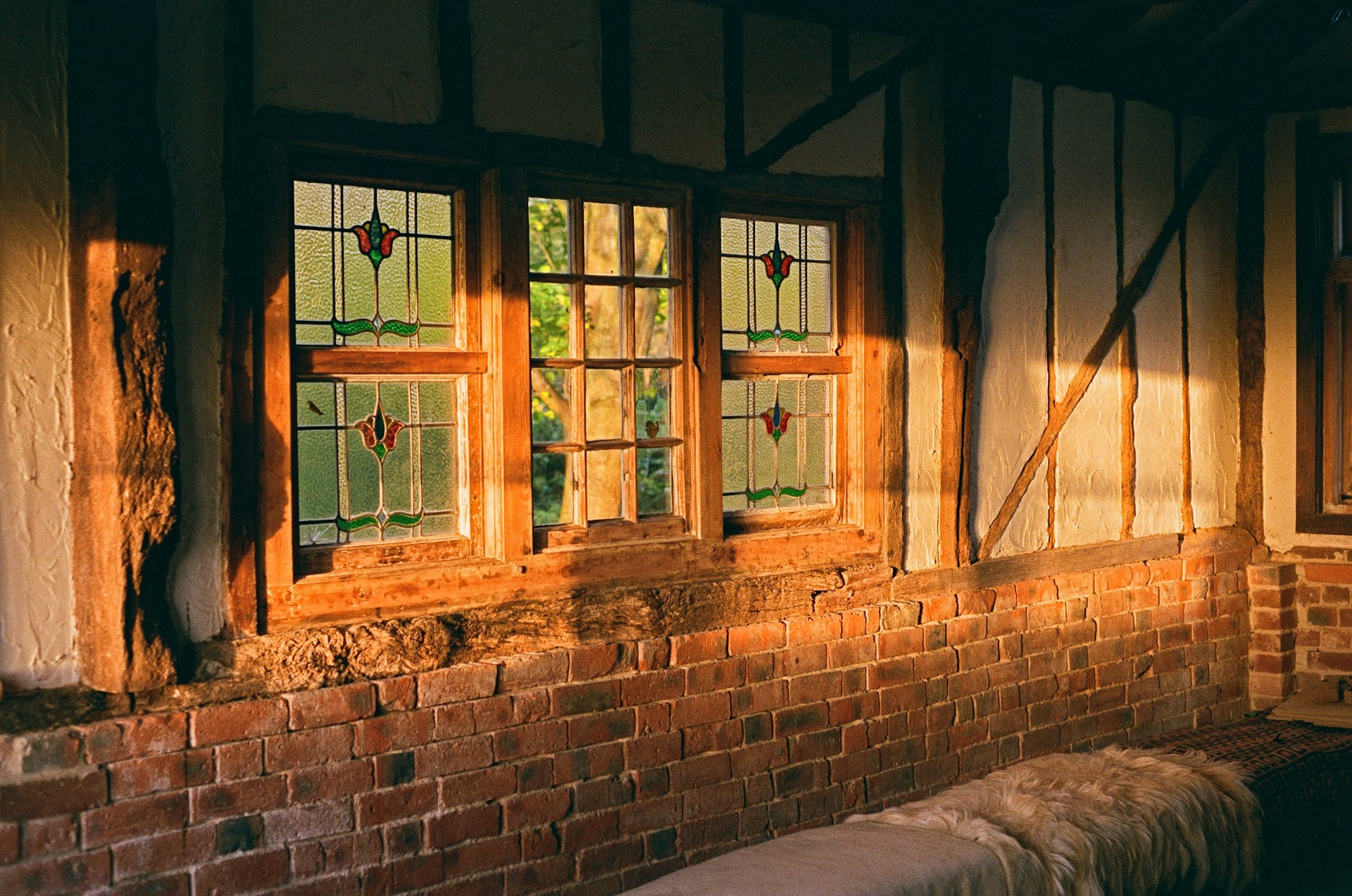
Using Old Chicago brick for interior walls adds warmth and authenticity to your rooms. Its rich color variations and worn edges create a striking focal point without overwhelming the space. Consider installing a brick accent wall in living rooms or hallways to highlight architectural details.
Fireplaces built with Old Chicago brick serve as timeless features that invite cozy gatherings. The brick’s natural patina reflects a history that complements both modern and traditional décor styles. You get durability and character, with minimal upkeep compared to manufactured materials.
Outdoor Living Spaces
Old Chicago brick excels outdoors with its proven durability against weather and wear. You can use it to create patios, walkways, or garden walls that blend rustic appeal with solid craftsmanship. The bricks’ color shifts—from deep reds to smoky grays—add visual interest to pathways and seating areas.
Pair the brick with natural stone or wood for diverse textures that elevate your backyard design. Its rough surface offers slip resistance, making it practical as well as beautiful. The historic nature of these bricks connects your outdoor space to a legacy of quality.
Creative DIY Projects
Old Chicago brick can be a versatile material for DIY enthusiasts aiming to add personalized touches around the home. Use smaller pieces to build raised garden beds, brick planters, or even custom kitchen backsplashes. The irregular surfaces and vintage coloring offer a handmade look that store-bought bricks lack.
Try mosaic patterns combining old brick with other reclaimed materials for a unique statement. For indoor projects, bricks work well for small accent shelves or rustic spice racks, bringing a tactile element to your décor.
Cost Considerations for Old Chicago Brick
When planning to use Old Chicago brick, knowing what shapes the price and how to manage your budget helps you make informed choices. The true cost goes beyond just the price per brick, factoring in quality, sourcing, and installation.
Price Factors
The price of Old Chicago brick depends on several key elements: authenticity, condition, and availability. Genuine reclaimed bricks command higher prices because of their unique texture and historic value.
- Quantity needed: Buying in bulk often lowers the per-brick cost.
- Brick grade: Higher grades have fewer defects but cost more.
- Shipping and handling: Historic brick is heavier and requires careful packing.
- Source location: Bricks shipped from local suppliers may have lower freight fees.
Installation complexity also affects cost. Old bricks often need skilled masons, which increases labor costs but preserves the aesthetic and durability you want.
Budgeting Tips
Start by measuring the exact area for brickwork to avoid overbuying. Always order 10-15% extra to account for cuts and breakage.
Request detailed quotes that break down materials and labor separately. This helps you watch for unexpected costs. Schedule delivery close to the installation date to minimize on-site storage expenses and reduce the risk of damage or weathering before use.
A clear budget plan aligned with your project timeline keeps costs predictable and your project on track.
Bringing Historic Warmth Into Modern Living
Old Chicago brick offers a rare blend of history, texture, and durability that elevates both indoor and outdoor spaces. Its weathered surfaces, color depth, and time-tested strength help create environments that feel inviting, grounded, and authentically connected to the past.
By sourcing genuine Old Chicago brick through New Orleans Brick & Stone, you bring home materials shaped by real history. Each brick carries the warmth of urban heritage, giving your project a richness that enhances architecture, interior design, and outdoor landscapes with lasting character.
If you’re ready to add depth, authenticity, and craftsmanship to your home, explore reclaimed Old Chicago brick today. Bring history into your space—reach out to request your materials and begin building with legacy.
Frequently Asked Questions
Old Chicago bricks stand out for their authentic, reclaimed charm and the versatility they bring to both indoor and outdoor projects. Understanding pricing, sourcing, and design options can help you make informed decisions for your space.
Where can I find Old Chicago bricks for sale?
You can find genuine Old Chicago bricks through specialized suppliers. Many offer hand-selected, reclaimed bricks from historic buildings, ready to ship nationwide within 48 hours.
What's the price range for Old Chicago bricks?
Prices typically range depending on quantity and condition, but expect to pay around $3 to $6 per brick for authentic reclaimed material. Bulk orders or specific finishes may affect pricing.
How do Old Chicago brick pavers enhance my outdoor space?
These pavers add texture, character, and durability to patios, walkways, and driveways. Their timeworn surface creates a historic feel that’s both inviting and long-lasting.
Can you describe the appearance of Old Chicago brick with ivory mortar?
This combination offers a warm, rustic look with subtle contrast. The ivory mortar softens the brick’s rich reds and browns, creating an elegant yet approachable finish.
What are the characteristics of an Old Chicago Brick House?
You’ll notice handcrafted bricks with slight size and color variations, lending authenticity and charm. The brickwork often features classic patterns and mortar that highlight the vintage aesthetic.
How do I incorporate an Old Chicago brick fireplace into my home design?
Make the fireplace a focal point by pairing it with neutral colors and simple wood accents. The reclaimed brick brings texture and warmth, reflecting a classic Southern heritage that fits many styles.