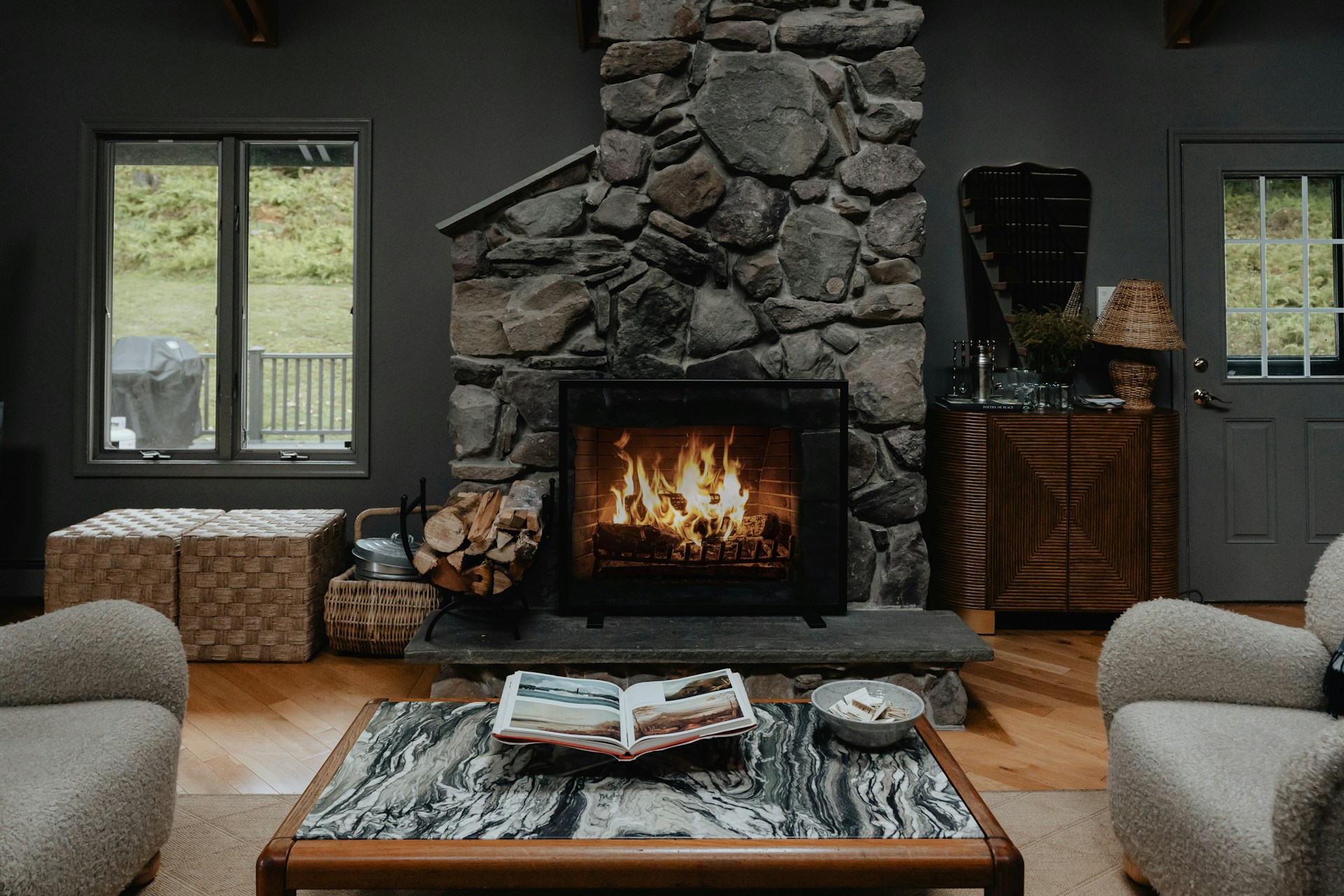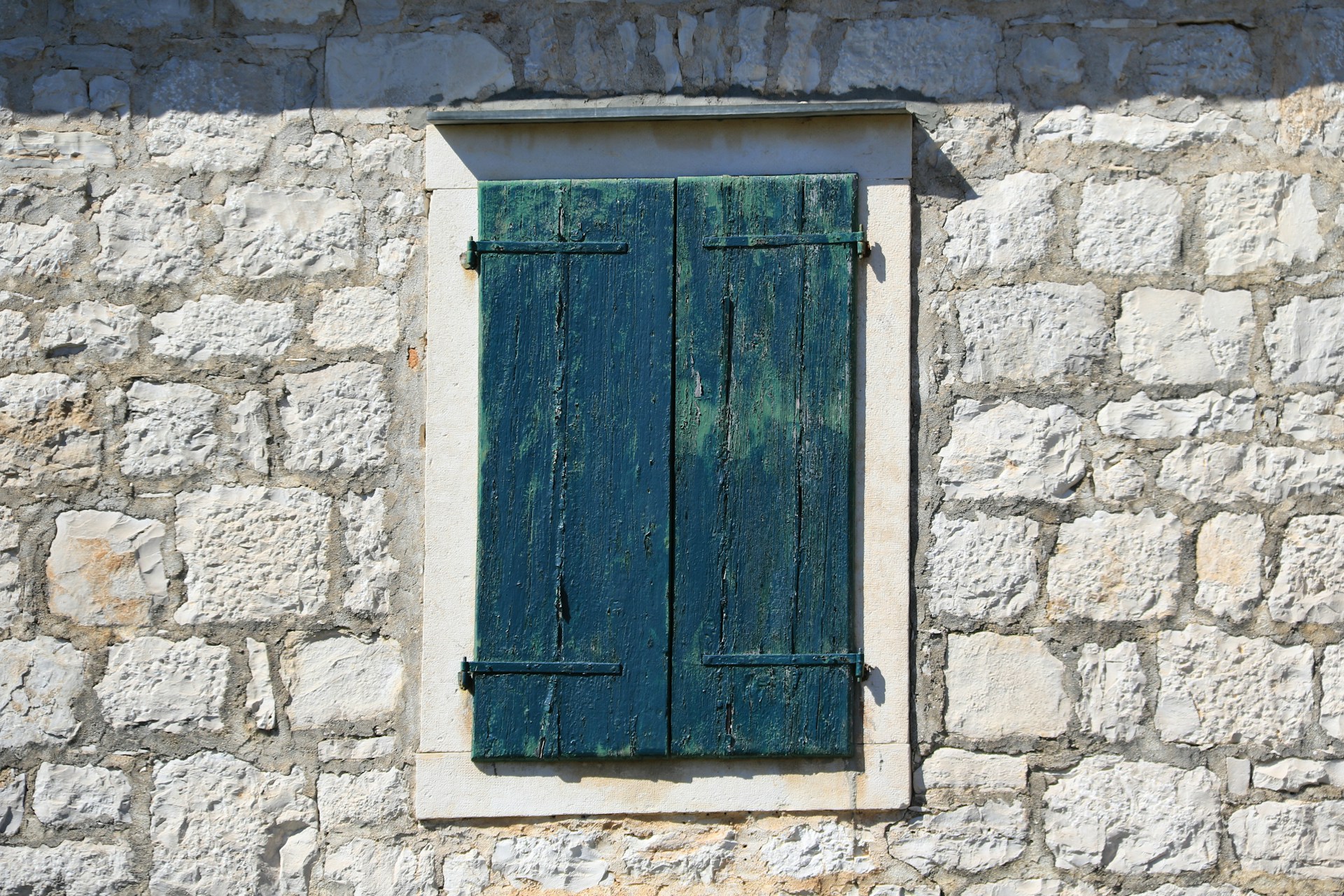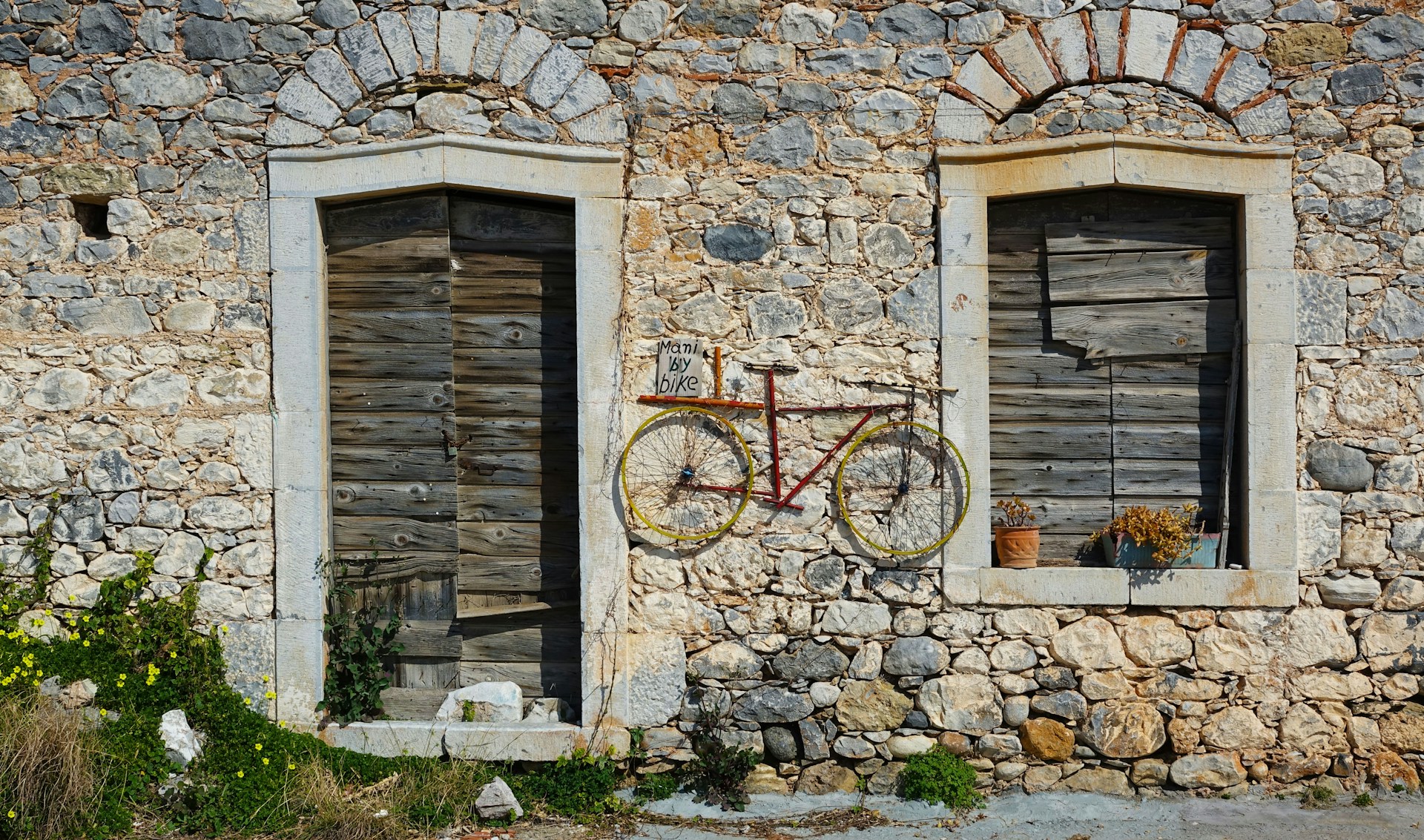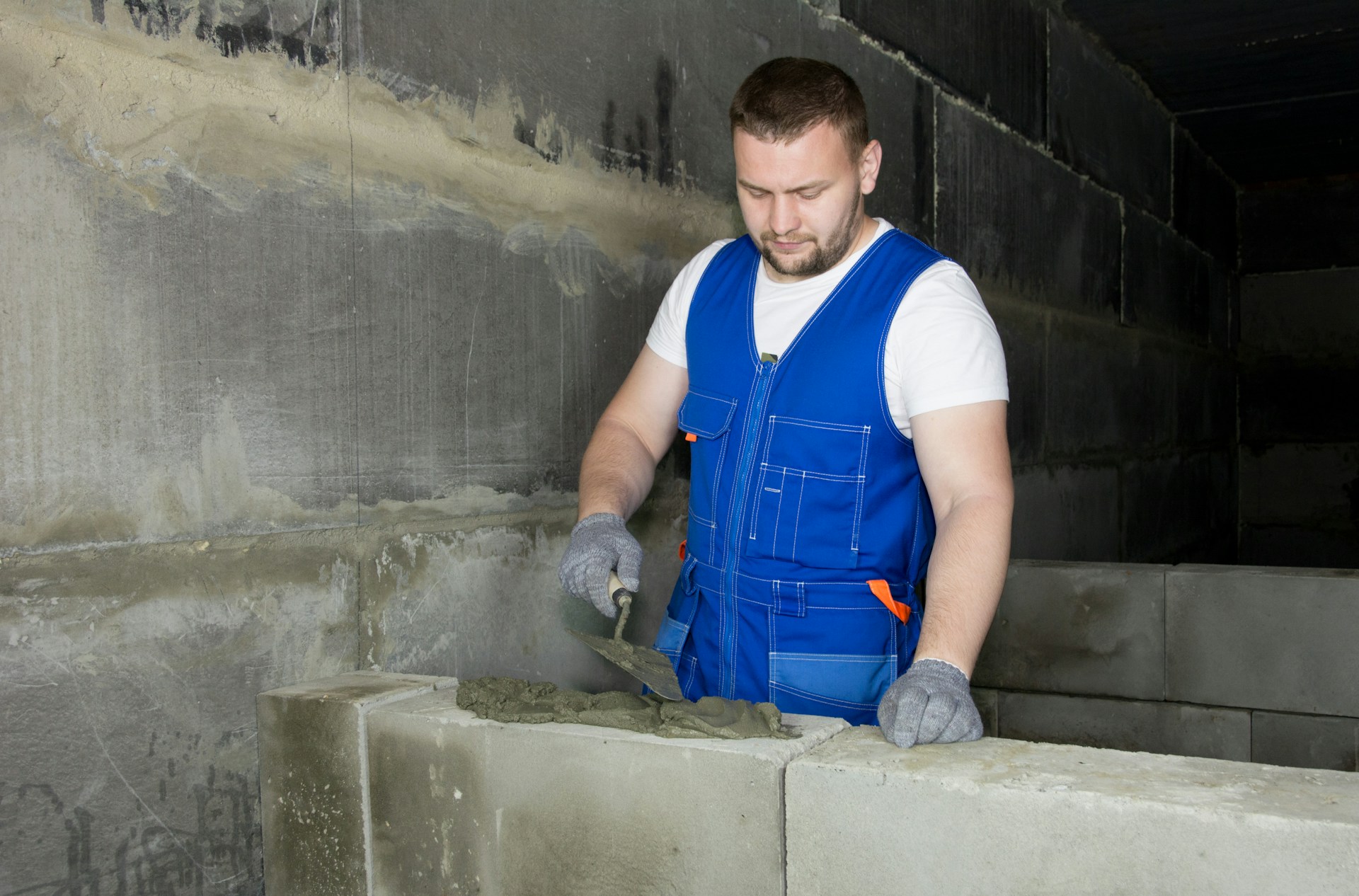
Builders reach for reclaimed masonry because it brings something new materials cannot match. Authentic reclaimed brick and stone arrive with real history, natural patina, and the kind of durability that only time can prove. They simplify design decisions, speed up project timelines, and deliver the character buyers notice the moment they walk up to a home.
Reclaimed masonry also makes it easier to blend new construction with historic details or regional styles. You know exactly how these materials weather, how they perform, and how they’ll look decades from now. That reliability matters when you want a project that feels grounded and well crafted. With inventory carefully sourced from century-old structures and kept ready to ship, New Orleans Brick & Stone helps builders keep their schedules tight and their work authentic.
Choosing reclaimed masonry means choosing legacy. It brings consistency in color and texture, trusted strength, and a story homeowners can connect with—something deeper and more enduring than any trend.
The Value of Authentic Reclaimed Masonry
Authentic reclaimed masonry brings real strength, actual patina, and quick availability to your projects. It connects your work to history while giving you durable materials that perform like new.
Authentic reclaimed masonry means bricks, stone, pavers, or veneers removed from buildings that are over 100 years old and prepped for reuse. Each piece carries physical wear, leftover mortar, and color variations that show its origin and age.
You’re getting materials that have already survived decades of weather and load. Suppliers test and clean each piece to make sure it meets both structural and visual standards before shipping.
Unlike salvaged fragments or replicas, authentic reclaimed elements keep their original dimensions, firing quirks, and surface texture. That makes them predictable for matching and installation, whether you’re restoring or building new.
Differences from New and Faux Materials
New bricks usually look too uniform and lack the depth of aged surfaces you want for period-correct work. Faux or thin veneers try to mimic the look but just don’t match the mass, thermal behavior, or long-term wear of real masonry.
Authentic reclaimed pieces have slight size differences and density from old kiln methods. That affects mortar joints, bonding patterns, and how you handle flashing and weep systems.
You’ll notice the difference during installation and in the final look. Reclaimed masonry needs thoughtful setting but rewards you with real texture, better integration with historic structures, and a resale value buyers appreciate.
Historical Significance
Using reclaimed masonry ties your project to actual places and eras. Each brick and stone carries local stories—factory marks, hand-pressed textures, and regional clays that modern production rarely gets right.
When you reuse materials from century-old houses, streets, or warehouses, you preserve tangible links to architectural styles and craftsmanship. That’s important for restorations where period accuracy affects approvals, grants, and buyer interest.
Reclaimed masonry also helps conservation goals by reducing demolition waste. You keep historic fabric in the built environment and make new work feel genuine instead of fake-old.
Lasting Appeal in Modern Projects
Reclaimed masonry gives modern designs a grounded, lived-in feel that new units just can’t fake. The natural color shifts and surface wear add visual depth across facades, fireplaces, and courtyards.
It works in minimal contemporary spaces as well as traditional builds. You can pair it with glass, steel, or crisp stucco to add warmth without losing a modern vibe.
Practical perks last too: real reclaimed masonry is durable, often denser than some new bricks, and already weather-tested. If you need quick sourcing, family-run suppliers like New Orleans Brick & Stone keep hand-picked inventory ready to ship, so you can hit tight schedules.
Reasons Builders Choose Reclaimed Masonry
Reclaimed masonry gives projects visible character, cuts environmental impact, and brings tested strength. You get materials with real history, proven performance, and a look new brick just can’t match.
Unique Aesthetic Qualities
Reclaimed brick and stone show off color variation, worn edges, and surface patina that develop over decades. Those differences create texture and depth on walls, fireplaces, and facades that new units rarely achieve.
You can match period details like limewashed finishes or aged mortar joints, making reclaimed masonry ideal for historic restorations, adaptive reuse, or homes where authenticity matters.
When you choose hand-selected pieces, you get more control over the final look. Contractors often sort by color and face to keep things consistent or mix tones for a weathered effect.
Environmental Sustainability
Using reclaimed masonry cuts demand for new raw materials and avoids energy-heavy manufacturing. That reduces embodied carbon compared to firing fresh clay bricks or cutting new stone.
You also save durable materials from the landfill. Reuse keeps long-lasting masonry in service for another century, which builders and owners value for both ethics and marketing.
Sourcing reclaimed units locally or from suppliers with inventory shortens transport and speeds up your build. New Orleans Brick & Stone, for example, keeps stock on hand so you can secure materials quickly.
Superior Craftsmanship
Older masonry often shows hand-formed techniques and kiln practices you don’t see in mass production anymore. That gives you unique face textures, irregular sizing, and sometimes even stronger bonds.
Skilled masons can use these traits to create tight joints, varied coursing, and custom patterns that feel authentic instead of replicated. Reclaimed pieces invite traditional laying methods that modern bricks just don’t need.
Working with reclaimed materials also makes you slow down and pay attention—site prep, cleaning, and sorting all raise the bar for workmanship and detail.
Durability and Strength
Many reclaimed bricks and stones come from buildings that stood for a century or more. Their longevity is proven. You can trust the compressive strength and weathering you’ve seen in real-world conditions.
Reclaimed masonry often resists freeze-thaw cycles and abrasion because of its original material quality and firing. That makes it a solid choice for exterior walls, paving, and high-traffic features like steps.
When you source hand-tested units and use the right installation—matching mortar, letting materials acclimate—you get assemblies that perform as well as, or sometimes better than, a lot of new products.
Design Advantages of Reclaimed Masonry
Reclaimed masonry brings your project real texture, varied color, and long-lasting strength. It fits tons of styles, lets you mix finishes, and opens up options for custom layouts and accents.
Timeless Character and Charm
Reclaimed brick and stone have worn edges, color variation, and unique surface marks that new materials just can’t fake. Those details give walls and floors a lived-in look that feels real.
You get natural patina and subtle color shifts across a run of brick or stone. That makes facades, fireplaces, and patios feel layered and rich without extra finishes.
Using genuine reclaimed units also helps your design fit in with historic surroundings. If you’re restoring or expanding an older place, the bricks tie new work to the original in a way modern bricks rarely do.
Versatility in Architectural Styles
Reclaimed masonry works with all sorts of styles: Colonial, Craftsman, Industrial, Mediterranean, and those modern rustic blends. You can go for tighter courses for a formal look or rougher faces for a laid-back, farmhouse vibe.
Mix sizes and shapes for unique patterns. For a modern twist, pair reclaimed brick with steel or glass. For period-correct work, match mortar color and joint profile to the era you’re working with.
Because reclaimed materials vary, you can use the same batch inside and out—floors, accent walls, chimneys—so your project keeps a coherent material language.
Customization Opportunities
You can sort and grade reclaimed units to create the right palette for your job. Pick darker, denser bricks for base walls and lighter, softer pieces where you want contrast.
Cut, thin-slice, or pair reclaimed brick with veneers to manage weight and cost while keeping the authentic face visible. You might save special pieces for focal points like entry surrounds or hearths.
If you want help sourcing specific looks quickly, suppliers like New Orleans Brick & Stone keep hand-selected inventory ready to ship, which speeds things up and reduces surprises during installation.
Sourcing and Selecting Reclaimed Materials
Finding the right reclaimed masonry begins with choosing a partner who treats each piece with care, documents its history, and keeps inventory ready when your project needs it. Reliable sourcing protects your schedule, preserves authenticity, and ensures every brick or stone performs the way it should.
Trusted Suppliers and Networks
The best reclaimed masonry suppliers don’t just collect materials. They hand-select them from century-old buildings, document where they came from, and prepare them for reuse so builders can trust every pallet. You want provenance you can verify: photos of the original structure, removal dates, and any available testing records.
Quick shipping and real human expertise matter too. When you can speak directly with the people who graded and handled the materials, decisions get faster and problems get solved before they ever reach the jobsite. Samples or pallet pulls help you check color, texture, and patina in person, which is essential for maintaining consistency across facades and interior features.
This level of transparency and preparation is exactly why many builders rely on New Orleans Brick & Stone. Their family-run approach, meaningful inventory on hand, and fast nationwide shipping keep projects moving without guesswork or delays.
Assessing Material Authenticity
Authenticity is everything with reclaimed masonry. Ask where the brick or stone was removed, how old the structure was, and who handled the deconstruction. Request photos of the building before and during recovery. Small clues tell the story: irregular sizing, lime mortar residue, worn edges, and natural patina all signal genuinely reclaimed material.
For structural applications or exterior exposure, request lab or field tests for compressive strength, absorption, and salt content. These reports help you match materials to their intended use and avoid failures later. Keep provenance and testing records with your project file; they support historic approvals, tax incentives, and long-term maintenance planning.
Evaluating Condition and Suitability
Every reclaimed unit is unique, so inspect condition carefully. Light wear and patina add character, but deep cracks, heavy spalling, or powdering weaken performance. Compare dimensions across batches to spot variations that may affect coursing or mortar joints.
Match each material to the job: denser, lower-absorption brick for load-bearing walls; softer or more porous stone for interior features. Confirm compatibility with modern mortar blends and any sealers you plan to use.
A supplier who cleans, tests, and grades each piece before shipping saves you significant time on site. Prepped materials reduce sorting, prevent surprises, and keep projects running smoothly from delivery to installation.
Construction and Installation Considerations
You’ll focus on cleaning and prepping reclaimed units, matching mortar and methods to preserve appearance and performance, and meeting code and testing requirements before installation.
Preparation and Cleaning Techniques
Inspect each brick or stone for fractures, efflorescence, and stuck-on mortar before you accept a load. Separate unusable pieces and set aside good units by color and size to keep the finished wall consistent.
Clean gently to protect the old face. Use low-pressure water, soft brushes, and chemical cleaners meant for historic masonry. Avoid sandblasting or high-pressure washing—they’ll strip the patina and weaken the surface.
Store bricks dry and off the ground on pallets. Keep them covered but ventilated to prevent salt uptake and freeze damage. Label pallets with provenance and condition notes so trades know how to place each unit.
Matching Mortar and Construction Methods
Test the existing mortar and try to match its strength and color. Use lime-based or low-strength mortars if originals are softer than modern cement mixes; they allow compatible movement and reduce brick spalling.
Match joint profile and tooling to keep period character. Shallow concave or struck joints might fit 19th- and early-20th-century brickwork, while tuckpointing suits finer details.
When using reclaimed brick for new construction, adjust bond patterns and coursing to fit the reclaimed sizes. Reclaimed units often vary, so plan for more cuts and keep extra inventory on hand to avoid obvious repeats.
Addressing Building Codes and Standards
Show code officials where your reclaimed material comes from and share any test results. Bring compressive-strength tests, absorption rates, and reports on salts or contaminants—anything that proves your masonry is up for reuse.
Stick to your local fire and structural codes, especially when deciding between veneers and load-bearing applications. You might need engineered ties, through-wall flashing, or backup wall systems for reclaimed veneer on new framing.
Get inspections started early. Submit shop drawings with anchor details, mortar specs, and handling plans so inspectors can sign off before you begin. If you’re buying from New Orleans Brick & Stone, ask for their prep and test documents to speed up approvals.
Long-Term Benefits for Homeowners
Reclaimed masonry brings lasting value, needs less maintenance, and can even help your home’s energy performance. Its durability, thermal mass, and historic charm are big draws for buyers.
Increased Property Value
Buyers notice character and quality in authentic reclaimed brick and stone, so homes with old masonry often appraise higher—especially where historic looks matter. Facades, chimneys, and entryways that keep their original color and texture stand out.
You’ll probably see stronger curb appeal and attract buyers who want period details. Appraisers and architects tend to value real, old materials over new substitutes. If you work with a specialist like New Orleans Brick & Stone for hand-selected pieces, you’ll also get provenance paperwork, which can support a higher valuation.
Low Maintenance Requirements
Reclaimed masonry stands up to weather because it’s already survived decades of exposure. Unlike some manufactured veneers, you won’t be repainting, resealing, or replacing it all the time. Usually, it just needs the occasional tuckpointing and a mortar check every 10–20 years.
Matching repairs stays easy—old pieces blend in, so fixes don’t stand out. Using authentic masonry also lowers the risk of early cracking from mismatched materials. Over the years, you’ll spend less time and money on upkeep.
Energy Efficiency Advantages
Old brick and stone offer thermal mass that helps even out your home’s temperature swings. On hot days, they soak up heat and release it slowly; at night, they give back warmth. That can mean your HVAC system works less, saving you a bit on energy bills.
Pair reclaimed masonry with modern insulation and well-detailed cavity walls for steady indoor temps. It’s not a silver bullet, but it helps. Have your builder double-check the installation and flashing to keep moisture out.
Popular Use in Modern Construction
Reclaimed masonry brings real durability, texture, and quick turnaround to projects. You get materials with actual patina, ready to ship, that work in all sorts of settings.
Residential Homes
Use reclaimed brick and stone for exterior walls, chimneys, and garden walls if you want instant character. The color shifts and worn edges just look lived-in—something new brick doesn’t pull off.
Inside, think feature walls, fireplace surrounds, or kitchen islands. These add warmth and hide little jobsite flaws, which is handy when you want a forgiving, handmade look.
Builders like that reclaimed pieces often match old-school proportions. If you’re on a deadline, New Orleans Brick & Stone usually has stock on hand, so you can skip long waits.
Commercial Projects
Reclaimed masonry works well in restaurants, storefronts, and lobbies where you want a strong visual identity. The patina and texture give public spaces an instant sense of history.
Mix reclaimed brick with glass or steel for a look that feels intentional and a bit upscale. For heavy-use areas, pick harder stone or tested brick grades that meet code.
If you’re on a tight schedule, go with suppliers who keep inventory ready. The low-maintenance side is a bonus in busy commercial settings.
Restoration and Renovation
Restoring an old building? Reclaimed masonry helps you match the original materials for repairs that blend in. You can replicate mortar joints, brick size, and weathering, keeping that historic look.
Old pieces help avoid the mismatched look new bricks can bring. Reusing structural masonry cuts waste and keeps the building’s original parts in place, which can help with historic approvals and win over the community.
Work with suppliers who test and clean materials before shipping. It makes life easier on site, and your renovation stays true to the original design—no nasty surprises.
Reclaimed masonry brings honesty, history, and long-term value to any project. When you choose materials that have already stood a century or more, you build with depth and intention. The texture, patina, and proven strength of authentic reclaimed brick and stone give your work a sense of permanence that new materials simply cannot imitate.
If you want reclaimed masonry that is hand-selected, tested, and ready to ship without delays, New Orleans Brick & Stone is here to make sourcing simple, dependable, and true to the craftsmanship you care about. Let us help you bring real heritage into your next build.
Frequently Asked Questions
Reclaimed masonry saves original materials, adds unique texture, and often ships quickly from held inventory. Below are clear answers to common builder questions about sustainability, quality, appearance, certification, sourcing, and cost.
What makes reclaimed bricks a sustainable choice for construction?
Reclaimed bricks reuse existing materials instead of producing new clay units. That cuts embodied carbon from manufacturing and reduces landfill waste.
You also preserve the energy already spent making the original bricks. Choosing reclaimed masonry keeps historic materials in use and lowers demand for new extraction.
How does the quality of reclaimed masonry compare to new materials?
Many reclaimed bricks come from century-old structures and are dense and well fired. When tested for strength and cleaned, they meet common structural and veneer standards.
Expect some variation in size, color, and surface wear; this is normal and part of the character. Proper sorting and testing ensure you get reliable, sound units for your project.
Are there unique aesthetic benefits to using reclaimed masonry in building projects?
Reclaimed masonry offers patina, weathering, and subtle color shifts that new bricks cannot match. Those variations create depth, warmth, and a lived-in look that anchors period restorations and adds soul to new builds.
You can mix reclaimed units with new matching units for consistency while keeping the aged appearance where it matters most.
Can reclaimed bricks contribute to LEED or other green building certifications?
Yes. Reclaimed materials can earn points under credits for recycled content, reuse, and reduced embodied carbon. Documentation showing origin, age, and quantity helps when applying for credits.
Keep receipts, chain-of-custody records, and test reports to make certification review straightforward.
What should I consider when sourcing reclaimed masonry for my construction needs?
Check origin, age, and any available structural testing before you buy. Inspect for contaminants, salt damage, or freeze-thaw deterioration that could affect performance.
Ask about inventory on hand and lead times. A family-run supplier that carries stock and ships fast can help you meet tight schedules. New Orleans Brick & Stone hand-selects, tests, and prepares reclaimed units to ship quickly.
How does the cost-effectiveness of reclaimed masonry stack up against modern alternatives?
Reclaimed masonry often holds its own on cost, especially since it lasts and usually needs little upkeep. Plus, you might dodge extra fees for hauling away demolition debris, and there’s less of that embodied-carbon guilt if you’re trying to keep things green.
That said, you’ll probably spend more on labor because workers have to sort and fit those quirky, uneven pieces. It’s worth keeping installation time in mind when you’re crunching numbers. If you can find a supplier who already has what you need in stock, you’ll probably cut down on waste, avoid annoying delays, and maybe even save a bit overall.