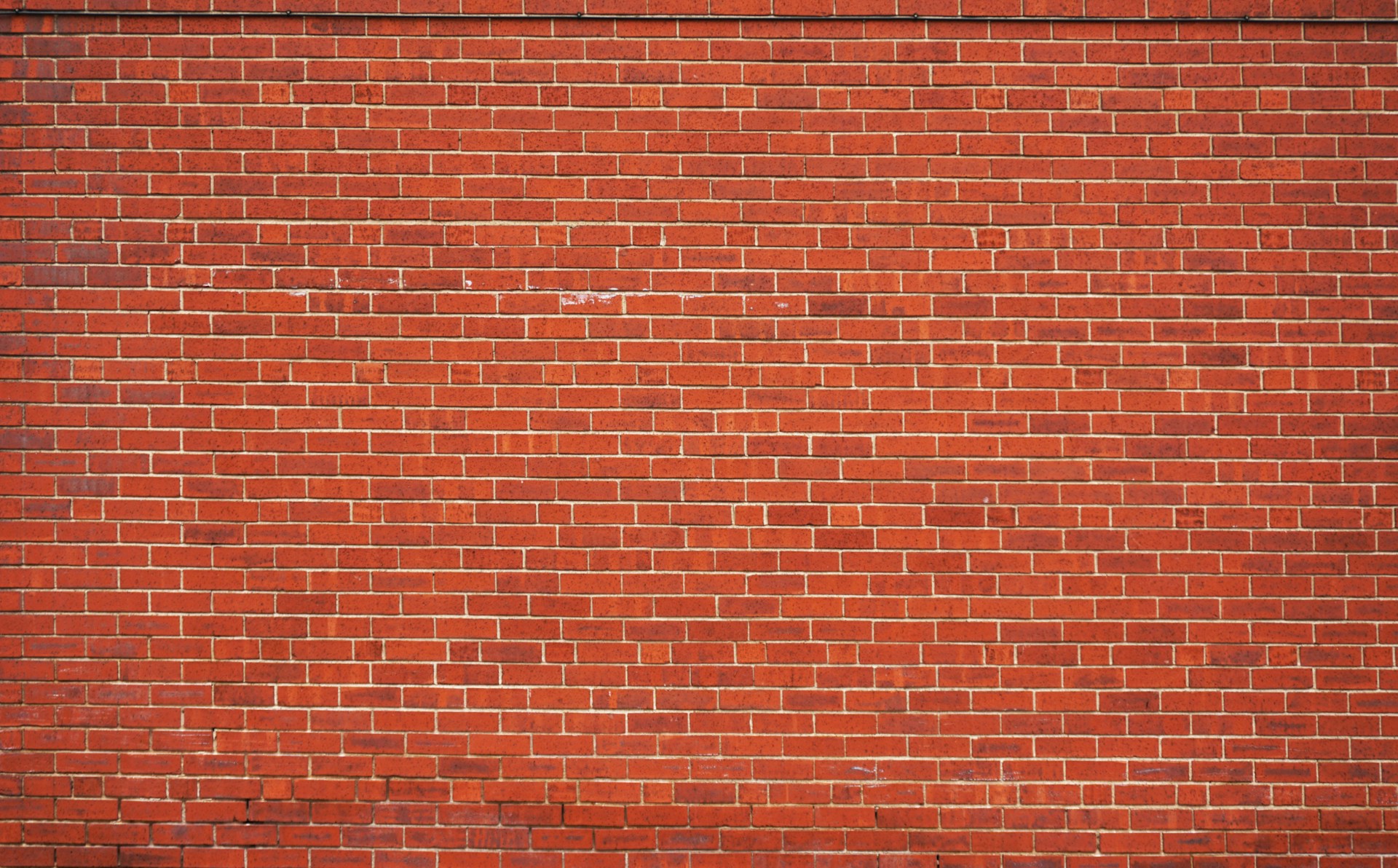
Reclaimed St. Louis brick brings history, craftsmanship, and strength to every project. Known for its rich color and density, this brick connects modern work to the industrial heritage of the Mississippi Valley.
At New Orleans Brick & Stone, we source authentic St. Louis bricks salvaged from century-old buildings. Each brick shows character—deep reds, warm oranges, and white mortar traces that speak of time and resilience.
In this guide, discover the story behind these iconic bricks, how to identify authentic lots, and where to buy and use them for restorations, patios, and architectural design.
What Is Reclaimed St. Louis Brick?
Reclaimed St. Louis brick refers to antique masonry units salvaged from old buildings and streets in and around St. Louis. These bricks display a range of red-orange tones with weathered surfaces, often carrying mortar stains and signs of long service.
History and Origins
St. Louis became a major brick producer in the 19th and early 20th centuries due to abundant Mississippi Valley clay, river transport, and railroad links. Local mills such as the Hydraulic Press Brick Company produced “hydraulic-pressed” or “machine-made” bricks, increasing density and strength.
Many reclaimed bricks come from demolished warehouses, factories, row houses, and street pavers across the city and nearby towns like Hannibal. Salvage crews recovered whole bricks and thin antique brick veneers for reuse, carrying traces of their past: old mortar, soot, chips, and unique color variation from original firing conditions.
Unique Characteristics
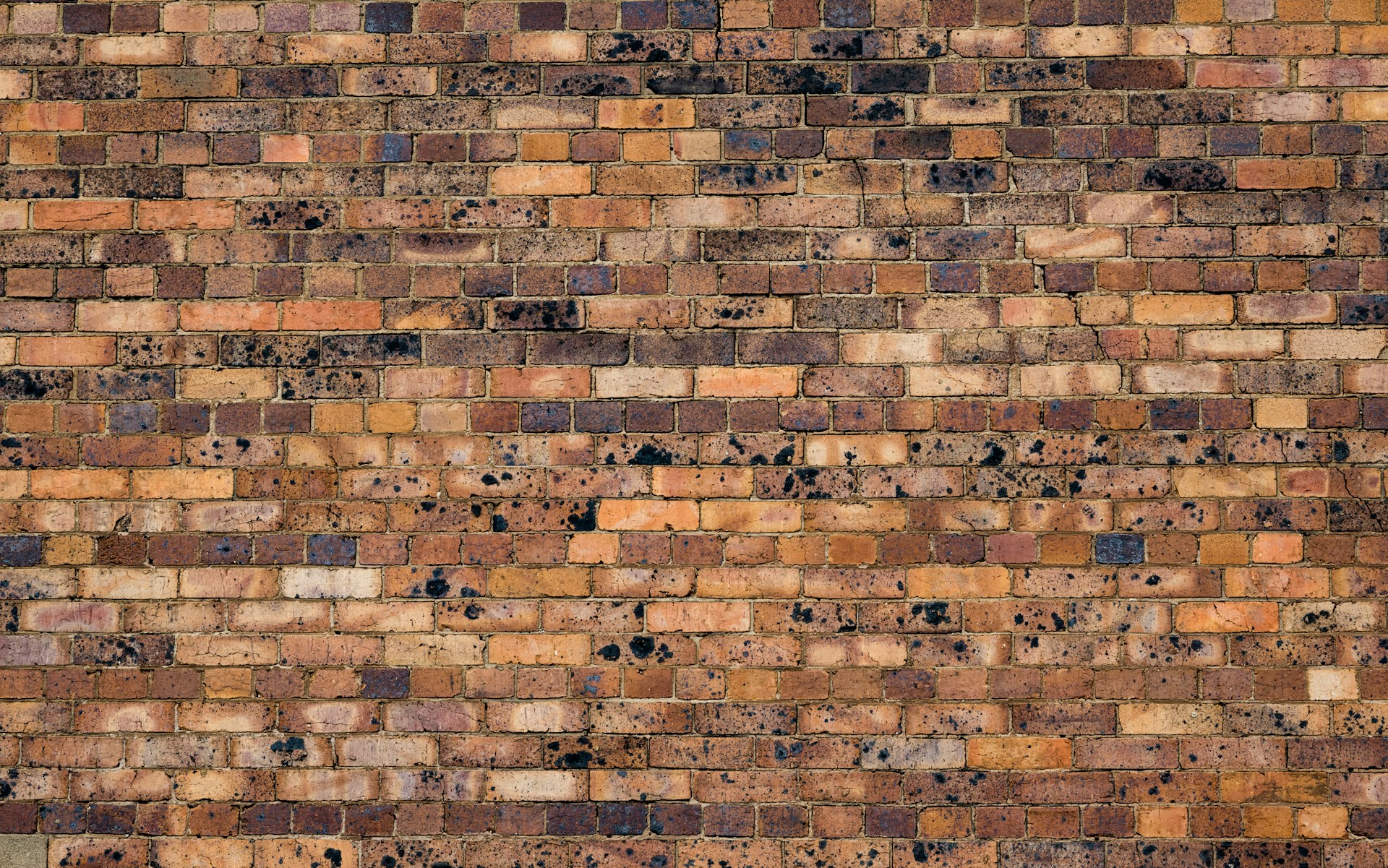
Reclaimed bricks from St. Louis offer a palette of deep reds, reddish-orange, occasional black flecking, and white mortar staining. Sizes commonly match historic standards (about 8.5" × 3 5/8" × 2 1/4"). You can find both full-thickness bricks and thin “antique thin-brick” cuts for veneers and pavers.
Surface textures range from smooth pressed faces to hand-made irregularities. Signs of age—rounded corners, nail holes, and carbon stains—add character and improve slip resistance outdoors.
Dense and durable, many reclaimed St. Louis bricks outperform other antique bricks in compression strength.
Comparison to Other Regional Bricks
Compared with reclaimed bricks from Chicago, Cincinnati, Milwaukee, or Detroit, St. Louis brick often shows warmer red-orange hues and a broader mix of black or white accretions. Chicago bricks tend to be darker or more iron-rich, while Carolina or Riverside varieties have different firing signatures and clay composition.
- Color range: St. Louis = red/orange with black/white accents.
- Density: St. Louis pressed bricks = generally higher.
- Wear signs: St. Louis reclaimed = common mortar stains and rounded edges.
Choose reclaimed St. Louis bricks for authentic Midwestern color, historic character, and durable material.
Types of Reclaimed St. Louis Bricks
Reclaimed St. Louis brick comes in several forms for different projects, from structural restoration to decorative paving. Expect variations in size, surface texture, color, and weathering that affect installation and appearance.
Antique Bricks
Antique bricks, made using older molding and firing methods, have irregular faces and edges. Look for deep red to reddish-orange hues, blackened fire marks, and remnants of white mortar stains. These bricks often measure close to historic St. Louis sizes (around 8¼" × 4" × 2¼"), though dimensions vary.
When reusing antique brick, check each piece for hairline cracks, spalls, and salt efflorescence. Suppliers grade bricks for load-bearing work or use in veneers and garden walls. Clean gently with a wire brush and low-pressure washing to preserve patina.
Machine-Made Bricks
Machine-made bricks from St. Louis’s hydraulic-press era combine uniformity with historic character. Notice sharper edges and more consistent dimensions compared to hand-formed antique bricks, plus hard-fired density for durability. Colors range from vivid red-orange to darker tones.
Use these reclaimed machine-made bricks in structural masonry and load-bearing walls. Inspect for residual mortar and surface staining; most sellers offer cleaned grades. Predictable dimensions make laying patterns and mortar joints easier to control for a tight, historic-looking finish.
Brick Pavers
Brick pavers reclaimed from St. Louis streets and alleys provide a ready-made surface with proven wear resistance.
These pavers are typically thinner and may show wheel rutting, rounded edges, and a traffic-polished face that adds slip resistance. Pallets usually contain 400–500 bricks, often called “Old St. Louis” or “used pavers.”
For driveways and patios, separate pavers by thickness and flatness for an even surface. Use a compacted base and jointing sand or mortar, depending on your installation preference. Reclaimed pavers may need more leveling effort but deliver a distinctive, timeworn look.
Sourcing and Availability
Find reclaimed St. Louis brick through local salvage yards, specialty suppliers, and demolition salvage from historic buildings. Availability varies by season and the scale of nearby renovation and demolition projects.
Where to Find Reclaimed Bricks
Start with St. Louis-area salvage yards and vendors advertising “reclaimed bricks” or “antique bricks for sale.”
Local businesses often list full-pallet quantities (about 500 bricks) and dimensions. Specialty suppliers source from the Midwest, including St. Louis, Hannibal, Cleveland, Chicago, and Detroit.
Construction and demolition companies that salvage materials before teardown may offer fresh lots direct from the site, sometimes with mortar remnants or paint flecks. Use these channels:
- Salvage yards and brick merchants
- Demolition contractors and reclamation crews
- Regional specialty suppliers and online marketplaces
How Bricks Are Salvaged
Salvaging crews dismantle walls by hand or with small tools to preserve brick edges and faces. Hand-stripping minimizes chipping and keeps the original surface patina.
After removal, bricks are sorted by condition, size, and color. Sellers grade inventory for structural reuse, paving, or decorative projects. Cleaning can include light chiseling, pressure washing, or chemical mortar removal for higher-grade bricks.
Expect some bricks to retain white mortar or black staining. Ask suppliers about reclamation methods and grading so you know if a lot suits load-bearing walls, veneer, or paving.
Cleaning and Preparing Historic Bricks for Reuse
Guidance from the National Park Service notes that reclaimed bricks should be cleaned gently using hand tools and low-pressure washing to preserve their fired surfaces. Harsh acids or sandblasting can strip protective coatings and shorten lifespan.
Proper cleaning keeps reclaimed St. Louis brick structurally sound while maintaining its authentic finish.
Bricks for Sale: What to Look For
Inspect lots for consistent color and size if you need a tight match. St. Louis reclaimed bricks often show red to reddish-orange tones with occasional black or white residue. Check for full-bed strength: bricks for structural reuse should have sharp edges and minimal spalling. For paving, prioritize flat faces and similar thickness.
Request samples or order a small quantity first. Ask the seller about quantity, grading, and whether bricks are machine-made or hydraulic-pressed. Confirm delivery options and return policies. Good suppliers provide provenances, grades, and photos so you can compare lots before buying.
Popular Uses for Reclaimed St. Louis Brick
Reclaimed St. Louis brick brings durable texture, historic color, and irregular edges for a range of projects. Use it indoors and out where longevity, character, and sustainability matter.
Residential Projects
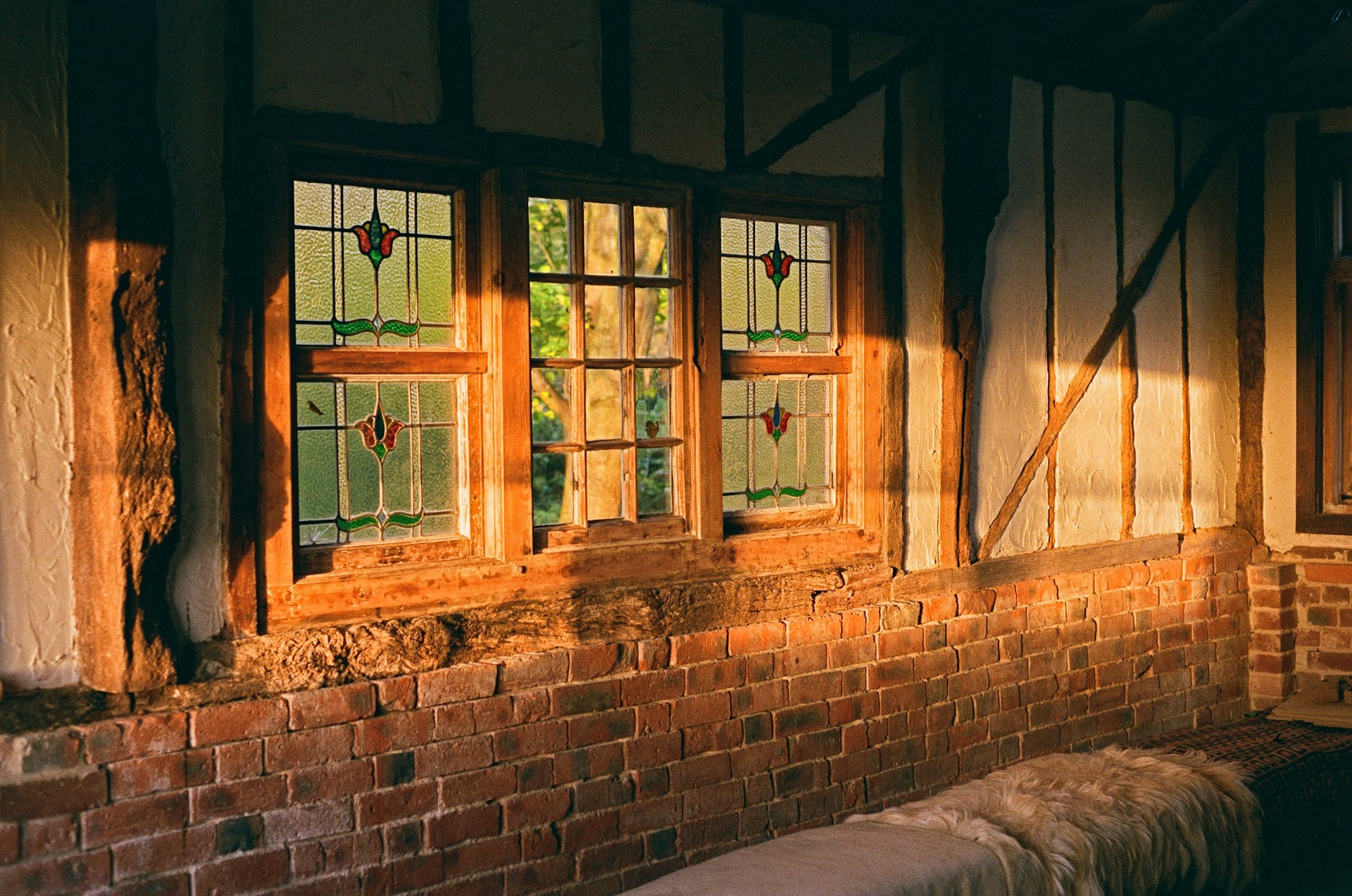
Use reclaimed St. Louis brick for accent walls, fireplace surrounds, backsplashes, and flooring. The bricks’ red-orange hues and occasional black staining create a warm, lived-in look that pairs well with wood and metal. For floors, set bricks in herringbone or running-bond patterns or cut them to integrate with tile transitions.
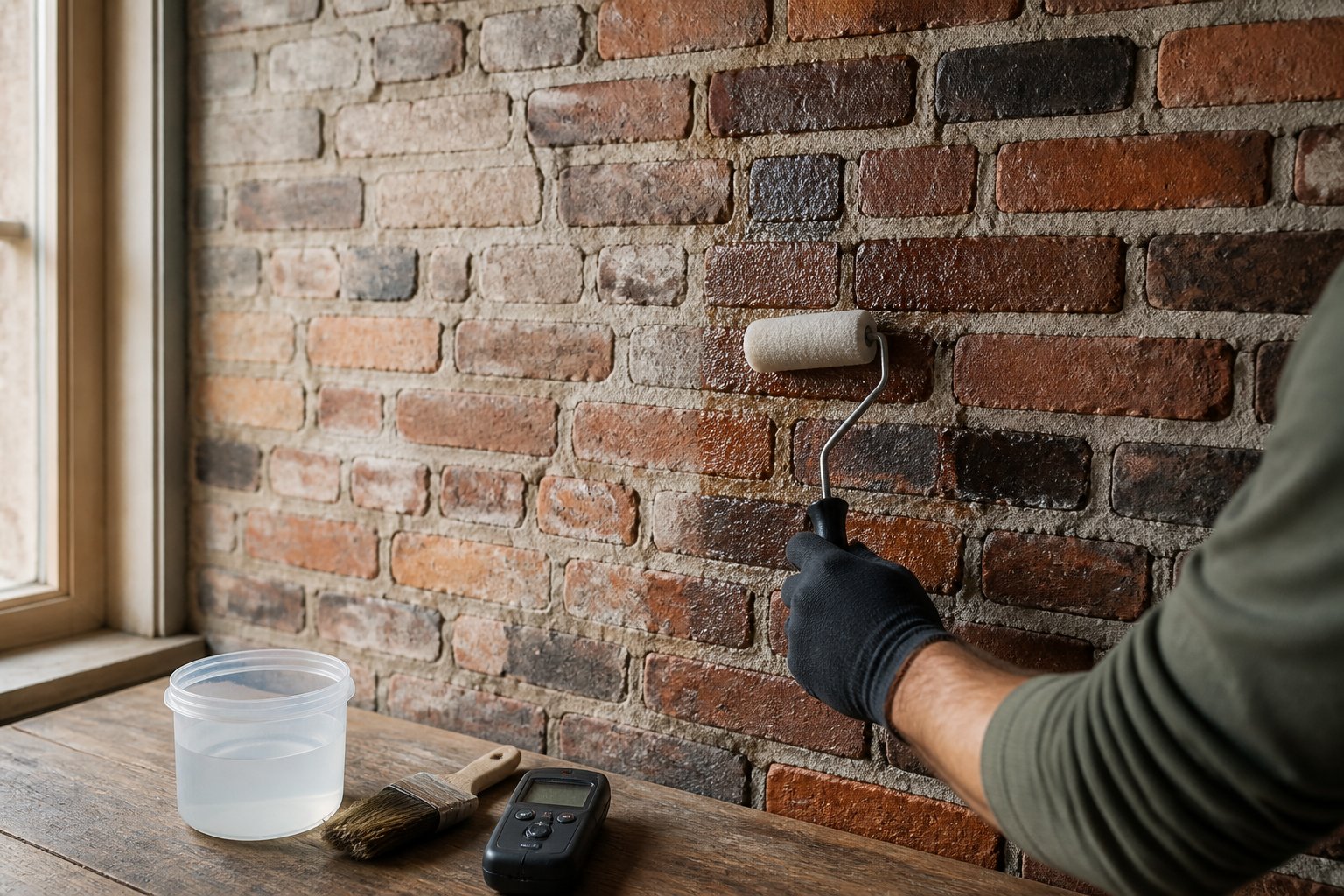
Expect some size variation; plan grout widths and a leveling substrate accordingly. Salvaged brick offers excellent durability in high-traffic rooms, and its historic patina hides wear. For backsplashes, seal the brick to prevent grease absorption and make cleaning easier.
Commercial and Architectural Applications
Reclaimed St. Louis brick suits storefront facades, interior feature walls in restaurants, and lobby cladding.
Architects often choose hydraulic-pressed St. Louis bricks for their consistent face and vivid colors. Mix reclaimed brick with modern materials—glass, steel, or concrete—for contrast and thermal mass benefits.
When specifying for commercial use, verify quantities and pallet counts early. Confirm compressive strength and mortar compatibility if matching with existing masonry. Reclaimed brick helps projects meet sustainability goals by reducing new materials and landfill waste.
Street Pavers and Outdoor Spaces
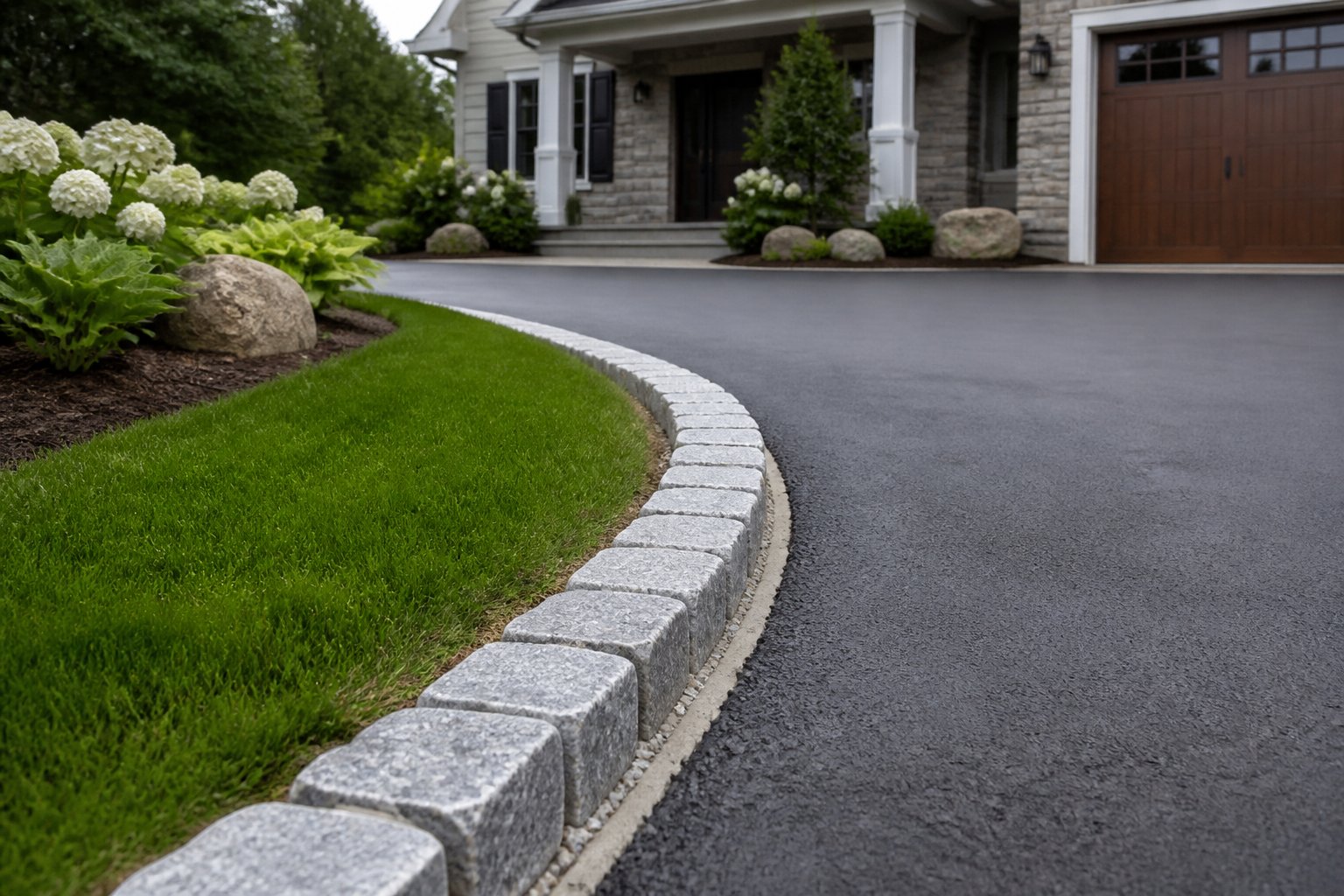
Use reclaimed St. Louis brick for driveways, walkways, patios, and public plazas to add historic character and non-slip texture. Typical sizes work well as street pavers; set them tightly with sand or mortar joints, depending on load requirements.
The natural color variation and occasional mortar stain create a patina that camouflages dirt and repairs.
For vehicle areas, choose thicker bricks or reinforce the base and pattern to distribute loads. Combine brick with concrete pavers or tile borders to define zones and add contrast. Regular joint maintenance and occasional re-leveling keep the surface safe and attractive.
How Reclaimed St. Louis Brick Compares to Other Antique Bricks
St. Louis brick stands out for its hard, vibrant fired clay, consistent dimensions, and a history tied to hydraulic-press manufacturing. Compare it to softer urban stocks and natural stone to find the best match for durability, appearance, and installation needs.
Chicago Common
Chicago Common is softer and more irregular than reclaimed St. Louis brick. It often came from local yards and was used for economical mass housing; faces can be weathered, and sizes vary. This makes Chicago Common ideal for interior accent walls, garden edges, or projects needing a rustic texture.
St. Louis brick was hydraulic-pressed and fired to a higher density, resulting in more uniform sizes, denser bodies, and brighter red-orange tones with some black or mortar staining. For exterior paving or structural reuse where freeze-thaw resistance matters, St. Louis bricks typically last longer than Chicago Common.
If you need to match an existing Chicago Common facade, test a sample for color and wear. For heavy-traffic areas, choose St. Louis reclaimed for better durability.
Old Cleveland Brick
Old Cleveland brick features a distinct patina and machine-made regularity similar to St. Louis products, but local clay and firing change color and hardness. Old Cleveland bricks range from warm reds to browns and may show hand-tool marks or heavier mortar residue, depending on the source.
Old Cleveland can be slightly softer or more porous than St. Louis brick, depending on manufacturing dates and kilns. This affects cleaning, cutting, and paving. For driveways or exterior steps, compare absorption and strength, or request samples; St. Louis bricks are often harder and more resistant to abrasion.
Old Cleveland and St. Louis bricks can complement each other aesthetically if you balance color and jointing, but always check mechanical compatibility before mixing them in structural work.
Stone and Other Materials
Stone behaves differently from reclaimed brick; it varies in density, texture, and installation. Using stone instead of reclaimed St. Louis brick means handling heavier units, using different tools, and applying mortar or dry-stack methods instead of brick bonding patterns.
Other materials, such as new modular brick, concrete pavers, or reclaimed cobblestone, offer different benefits. Concrete pavers provide uniformity and lower cost but lack the historic character of St. Louis brick.
Cobblestone creates rustic surfaces good for driveways, but requires specific subbase and drainage details.
Consider these factors:
- Durability: St. Louis reclaimed rates high for exterior use.
- Appearance: Stone offers natural variety; St. Louis brick gives consistent historic color.
- Workability: Brick cuts and bonds predictably; stone may need specialized masons. Always request samples and check freeze-thaw and slip resistance for exterior paving.
Tips for Buying and Using Reclaimed St. Louis Brick
Check mortar residue, dimensions, and color variation before buying. Plan for extra bricks to allow for cuts and breakage. Match brick size and face texture to your project's needs and exposure.
Quality and Authenticity
Inspect bricks for consistent dimensions (around 8.5" x 3 5/8" x 2 1/4" for most St. Louis units) and look for sharp edges and smooth faces.
Confirm if the supplier provides cleaned bricks or sells them "as-is"—cleaned bricks save time but cost more. Request a sample pallet to verify color range; St. Louis bricks often show deep red to reddish-orange tones with some black spots and white mortar stains.
Reject bricks that are spalled, crumbling, or heavily weathered if you plan to use them for load-bearing or exterior paving. Ask for provenance or demolition photos to ensure you get authentic St. Louis bricks.
Sustainability and Benefits
Reclaimed St. Louis brick reduces landfill waste and lowers the carbon footprint compared to new manufacturing. Salvaging bricks from local demolitions keeps your project regional and preserves historic appearance.
These bricks are ideal for facades, patios, and garden walls where vintage color and texture are important. Plan for variability: reclaimed bricks offer unique patina but require more sorting and flexible jointing.
Factor in a 10–20% overage for breakage, and consider thin-veneer St. Louis brick for consistent coverage with less structural work.
Preserving Heritage with Enduring St. Louis Brick
Reclaimed St. Louis brick tells the story of American industry through color, texture, and strength. Each brick carries a legacy of craftsmanship that still outperforms many modern materials today.
With New Orleans Brick & Stone, you gain access to verified St. Louis bricks recovered from historic structures and cleaned for immediate reuse. Every pallet offers the authenticity, density, and warmth that define true heritage masonry.
Bring historic character to your next project—contact our team for expert guidance and hand-selected reclaimed St. Louis brick ready for installation.
Frequently Asked Questions
Reclaimed St. Louis brick varies in price, availability, condition, and suitability for different projects. Below are answers about cost, sourcing, value, vendors, inspection, and installation tips.
What's the price range for reclaimed St. Louis bricks?
Prices range from about $0.25 to $2.50 per brick, depending on condition and quantity. Buying by the pallet or truckload usually lowers the per-brick cost. Specialty or unique pieces cost more. Delivery and cleaning add to the total price.
Where can I find reclaimed St. Louis bricks for sale?
Check salvage yards, reclaimed-brick dealers, and historic-material resellers in the St. Louis area. Regional marketplaces and specialty suppliers often have inventory and ship nationwide. Local demolition contractors and reuse centers sometimes offer bricks by the pallet or in small batches.
How can I determine the value of reclaimed St. Louis bricks?
Value depends on condition, age, color, markings, and how many matching bricks you need. Check for usable faces, straightness, thickness, and any staining. Include shipping, sorting, and cleaning costs when comparing offers. Historical matches with provenance are worth more.
Are there specific vendors that specialize in reclaimed St. Louis brick sales?
Yes—several regional and national suppliers list St. Louis bricks in their inventories. Look for vendors advertising "Old St. Louis," "hydraulic press," or "machine-made" bricks, and ask for photos and specifications. Contact vendors who offer sample packs or inventory lists to confirm details before buying.
What should I look for when purchasing reclaimed St. Louis bricks?
Check for soundness: no major cracks, delamination, or severe spalling. Look for regular edges and minimal face wear. Consistent thickness helps with installation. Ask about the source and cleaning method, available quantities, return policies, and whether the seller separates paving-grade from wall-grade bricks.
Can you suggest some tips for integrating reclaimed St. Louis bricks into my project?
Sort bricks by color and wear before laying them to create intentional blends or patterns. Choose a mortar mix and joint profile that match the brick size and historic style.
Buy 5–10% extra bricks for waste and repairs. For bigger projects, request samples or trial panels and consult a mason familiar with reclaimed brick installation.