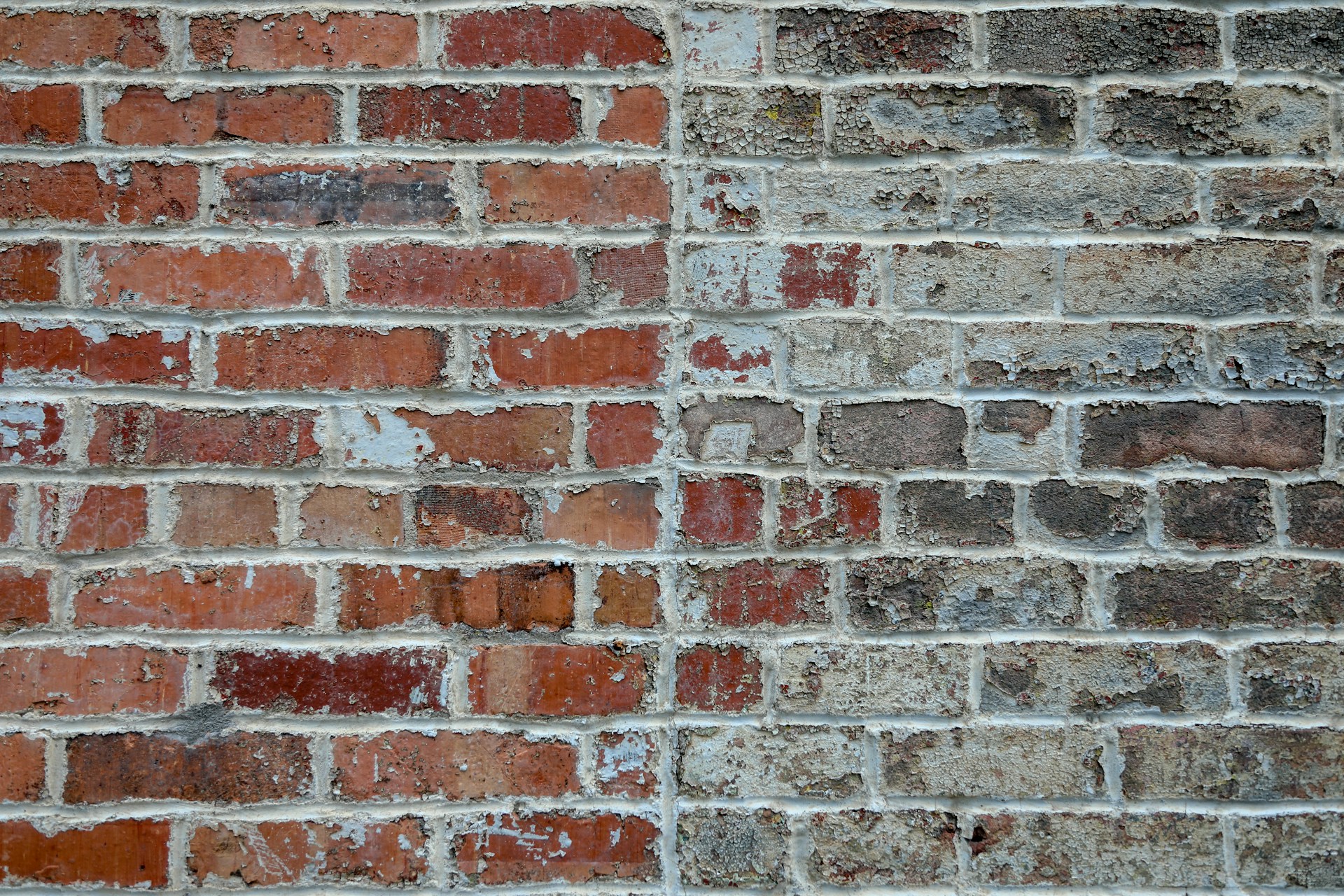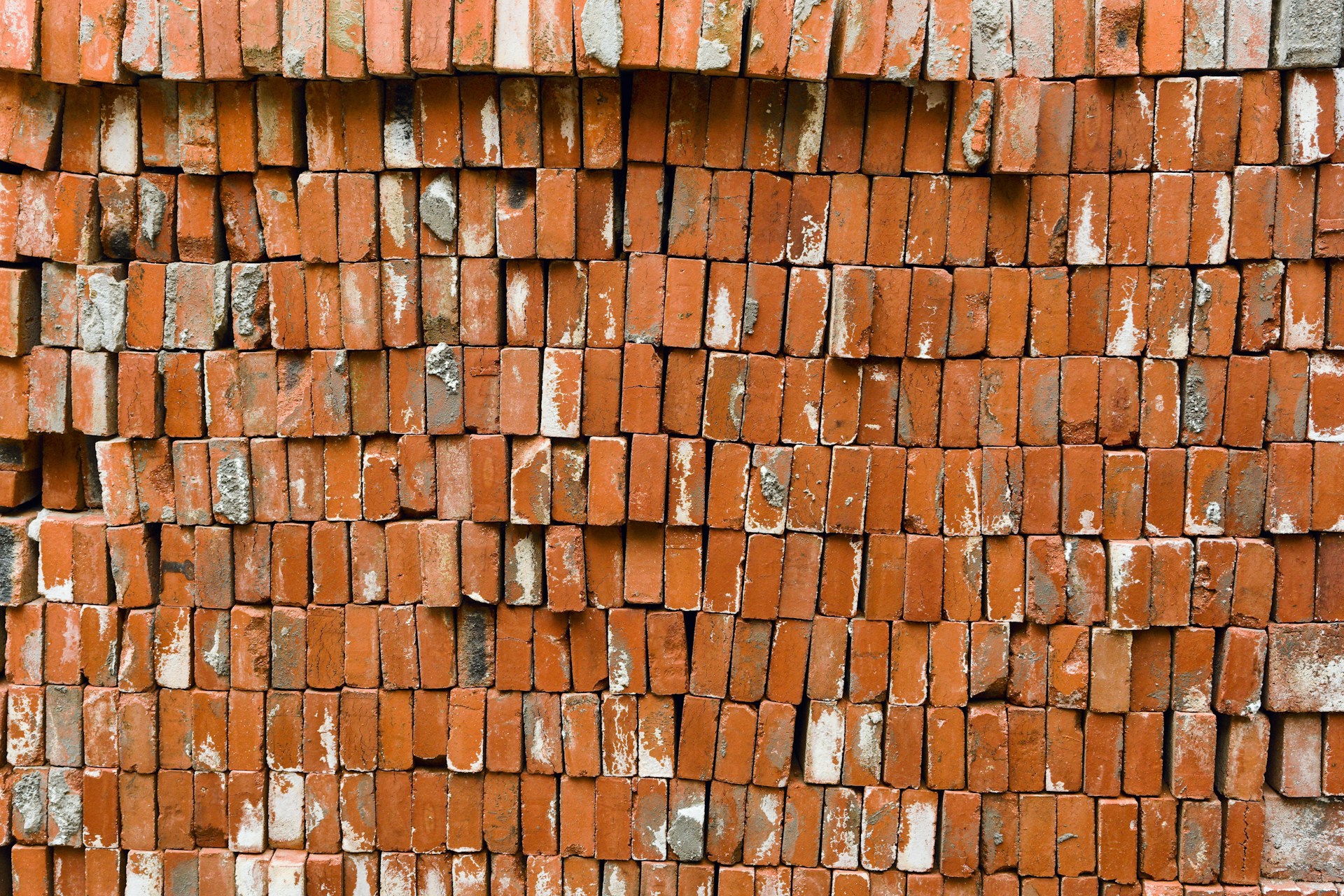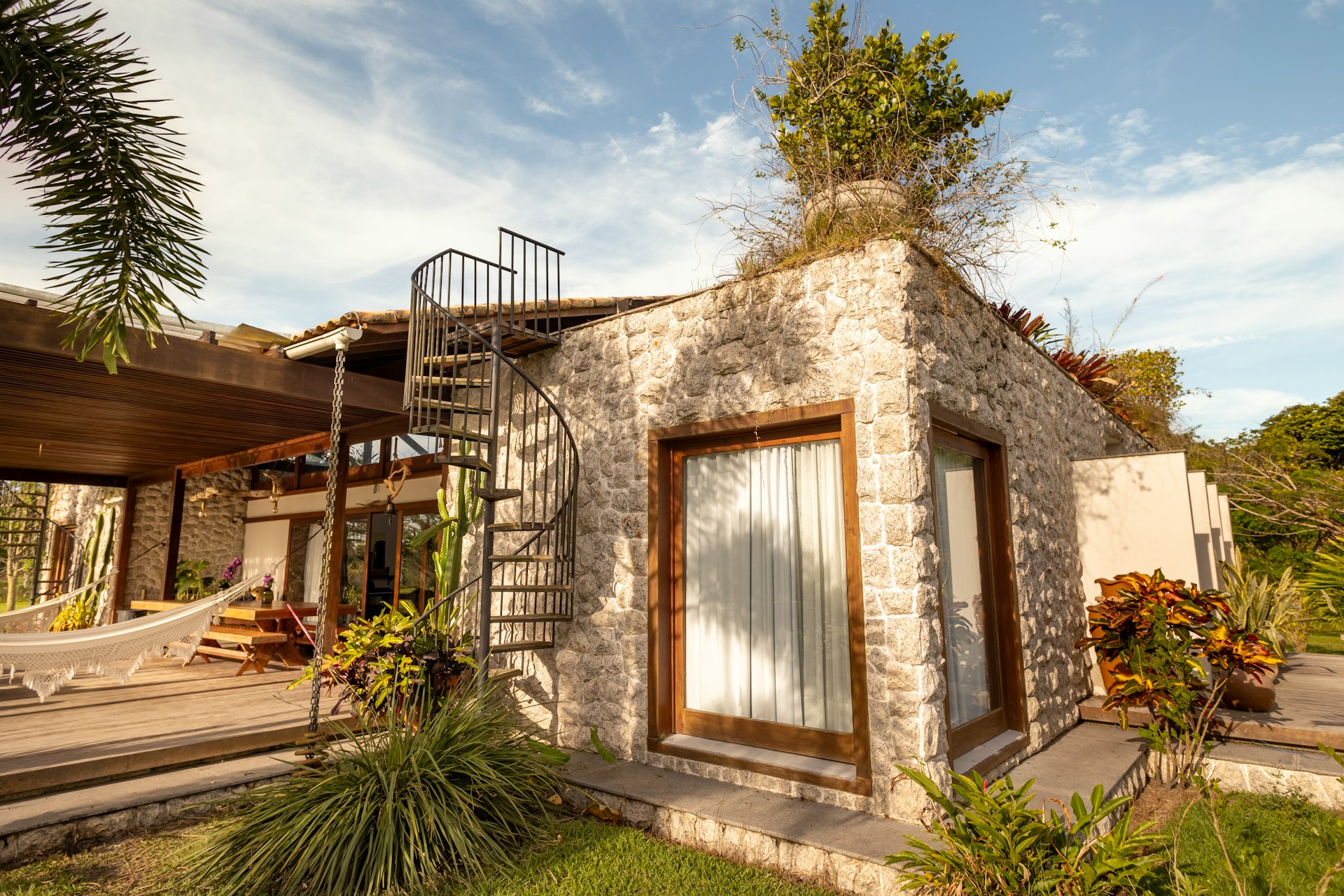
Stone should feel like it belongs to the land and the history around it. When you choose materials that are authentic and well proven, you get surfaces that hold their beauty year after year. The right stone carries real texture, natural variation, and a quiet confidence that grows richer with time.
This guide will help you understand what durability truly looks like, how to match stone to your vision, and how to avoid the shortcuts that lead to regret. Think about where the material was reclaimed, how it feels in your hand, and the kind of care it may need. Reclaimed stone offers patina you cannot replicate, and proper installation is essential for longevity. Working with our team at New Orleans Brick & Stone brings clarity, dependable materials, and peace of mind as you begin your project.
Stone Character
Stone choice shapes how your building looks, lasts, and feels. Pay attention to grain, color shifts, porosity, mineral content, and how the stone will age in your climate.
Lasting Character in Stone
Lasting character means the stone keeps its appeal and holds up for decades. Look for authentic wear, tight grain, and stable minerals—these point to stone that resists crumbling and keeps its texture.
Ask about where the stone came from and how it’s been tested. Reclaimed stone from old structures usually has proven durability and a natural patina you just can’t fake. That patina gives a lived-in look without losing strength.
How the stone was cut and finished matters too. Hand-hewn or weathered faces show texture that hides little chips. Smooth, soft surfaces? They show damage fast. Pick finishes and cuts that fit your exposure and use.
Why Use Enduring Stone
Durability: Go for dense stone with low porosity for exterior walls and paving. Less water means fewer freeze-thaw issues and less staining.
Compositional stability: Stones with stable minerals—think granite or some old sandstones—stand up to weather and resist flaking. Steer clear of stones with lots of salts or clay seams for anything load-bearing.
Texture and patina: Character often shows up in grain, tool marks, and weathering. These features age well and hide repairs. Reclaimed stone brings authentic surface history that new stone just can’t match.
Workability and maintenance: Stones that are tough but still workable make life easier for installers and repairs. Know what cleaning and sealing the stone needs to keep it looking good without causing harm.
Visual Versus Structural Longevity
Visual longevity is about color, texture, and patina. Some stones mellow or darken, others bleach in the sun. For facades, pick stones whose aging you actually like, not just what looks good now.
Structural longevity is about strength and resistance to weather, salts, and erosion. Always check compressive strength and porosity before using stone for foundations or retaining walls.
Both matter for lasting character. A stone that looks amazing but flakes under stress? That’s a problem. On the flip side, a super-durable stone with no visual interest might not give you the charm you want. Try to balance looks with performance. If you’re stuck, New Orleans Brick & Stone can help you find reclaimed material that fits.
What Types Of Stone Has Enduring Appeal
These options all bring something different in terms of look, lifespan, and care. Choose based on where you’ll use the stone, how much maintenance you want to deal with, and the vibe you’re after.
Natural Stone Options
Natural stone like granite, limestone, slate, and flagstone offers strong, long-lasting surfaces. Granite shrugs off scratches and weather, so it’s great for countertops and outdoor steps. Limestone feels warmer and softer for walls and floors but needs sealing in wet spots. Slate sheds water and keeps its color, so it’s a go-to for roofs, patios, and hearths. Flagstone lays flat and lasts for years, giving you rustic walkways and patios.
Reclaimed natural stone adds patina and history. If you want character and proven longevity, reclaimed pieces from old buildings usually have tighter compaction and denser grain. New Orleans Brick & Stone handpicks reclaimed stone and ships it fast if you need authentic material with a story.
Engineered and Composite Stones
Engineered stone blends crushed natural stone with resins and pigments for a uniform look and low porosity. Quartz surfaces resist stains and need barely any maintenance, so they’re perfect for busy kitchens. Porcelain and sintered stone tiles mimic natural patterns but stand up to freezing and chemicals, making them ideal for outdoor kitchens and pool decks. Thin veneers give you real stone looks, but with less weight and easier installation.
Composite options handle heavy use and perform predictably. Choose engineered materials when you want consistent color, high stain resistance, and less fuss. For historic projects that need visual authenticity, pair thin real-stone veneers with reclaimed units to balance look and practicality.
Unique Characteristics of Each Type
Granite: super hard, scratch-resistant, takes the heat—great for counters and exterior cladding.
Limestone: warm tones, softer, needs sealing; fits interiors and period-style facades.
Slate: layered, slip-resistant, natural texture; works for roofs, patios, and wet areas.
Flagstone: irregular shapes, good traction, strong for landscaping; perfect for rustic paths and terraces.
Engineered quartz: nonporous, even color, easy care; best for high-traffic interiors.
Porcelain/sintered: frost-proof, slim options, low absorption; excellent for outdoors and modern facades.
Reclaimed stone: weathered patina, proven tough, unique sizing; brings instant history and character.
Match these features to what you need: exposure, load, maintenance, and how much historic character you want.
Assessing Durability and Performance
Check how the stone stands up to weather, where you’ll use it, and how long you expect it to last. Focus on resistance to freeze-thaw, abrasion, and the specific site conditions.
Weathering and Wear Resistance
If winters get cold, stone that resists freeze-thaw cycles is a must. Go for low water absorption and dense grain to cut down on cracking when things freeze. Hardness ratings or abrasion tests help predict wear on walking surfaces.
Salt and acid rain speed up erosion. For coastal spots, pick stone with low porosity and proven salt resistance. For patios and steps, choose materials rated for high abrasion to avoid surface wear and pitting.
Surface finish changes performance, too. Rough textures hide wear but can trap dirt; honed finishes show scratches faster. If you can, test samples in real site conditions.
Impact of Location and Usage
Location matters more than looks. South-facing walls get more sun and temperature swings - use stone with stable color and low thermal expansion to avoid spalling. North-facing, shady areas stay damp - pick stone that breathes and dries slowly so moss and mold don’t take over.
Usage drives performance needs. Driveways need dense, load-bearing pavers. Pool surrounds should be slip-resistant and handle chlorine. Interior veneers need to be thin but still need proper backing and mortar to prevent shifting.
Plan for upkeep, too. High-traffic or coastal spots need regular sealing and checks. Match your stone and installation to how you’ll actually use the space.
Longevity in Different Applications
Different uses age at different rates. Exterior load-bearing walls made from hand-selected reclaimed stone can last a century if they’re set on good footings and lime-based mortar that lets things move a bit. Thin veneers on framed walls last decades, but only if you use the right anchors and weep systems.
Ground-level paving needs frost-resistant, dense stone with a well-compacted base to prevent settling. Interior floors can get away with softer stone if traffic’s light, but expect patina and wear in busy rooms.
When you pick reclaimed materials from New Orleans Brick & Stone, check tested properties and get their installation advice. Good choices and proper installation give you the best shot at decades of use.
Aesthetic Considerations for Lasting Beauty
Choose stone for how it’ll look long-term, how it ages, and how it fits your design. Think about color changes, surface feel, and the mood you want.
Color and Pattern Over Time
Stone color shifts with sun, moisture, and pollution. Lighter limestones and sandstones may darken or pick up patina; granites usually stay stable but can show mineral veins that change over time. Try leaving samples in the actual spot for a few months to see how they really behave.
Match mortar and joint width to the stone so color transitions look intentional. Reclaimed brick and stone often show varied tones and streaks; that variety adds warmth and hides stains. If you want a uniform look, stick with quarried stone with tight color control. For a more soulful, lived-in feel, use hand-selected reclaimed pieces from a supplier you trust.
Texture and Surface Finish
Texture changes how light hits, how much grip you get, and how dirt shows. Honed or polished finishes feel modern and smooth but show scratches and water marks easily. Rough, tumbled, or brushed finishes hide wear and give you traction for outdoor steps and paths.
Maintenance matters. Smooth surfaces need regular cleaning to keep their shine. Rough finishes collect moss or dust but mask fading and chips. Try a small mock-up—install a few square feet where they’ll go to see how the finish looks when wet, dry, and after some use.
Matching Stone to Design Styles
Pick stone that matches your style—historic, modern, rustic, or coastal. For traditional Southern or cottage looks, go with reclaimed brick, thin brick, or weathered limestone with irregular edges. Clean-cut granite and slate work for contemporary or formal spaces.
Think about scale and proportion. Large wall panels suit big, open rooms; smaller, hand-laid stones fit cozy interiors and historic renovations. Coordinate your trim, wood, and metal finishes to make the stone feel like it belongs. If you’re not sure what fits, talk to someone who handles reclaimed materials and can deliver fast.
Sourcing Stone With Proven History
Look for materials with real age, verified origin, and clear handling records. Focus on ethical quarrying, documented provenance, and examples that prove long-term performance.
Ethical and Sustainable Quarries
Choose quarries with clear environmental rules and good labor practices. Ask for permits, reclamation plans, and water-usage reports. Support quarries that restore sites after mining and use gentle extraction to keep stone quality high.
Check for third-party audits or certifications for sustainable practices. If a supplier can’t show paperwork, that’s a red flag. Ethical sourcing protects local communities and keeps your project out of legal or supply trouble.
If you want reclaimed stone, work with suppliers who document how and where they recovered the material. New Orleans Brick & Stone hand-selects and tests reclaimed pieces, so you get stone that’s both authentic and responsibly handled.
Evaluating Stone Provenance
Always get written provenance for every lot you buy. It should list the original source, estimated age, building of origin (if reclaimed), and any restoration history. Photos of the original structure and recovery process add a lot of credibility.
Test for durability with simple checks: see how much water the stone absorbs, try scratching an edge, and look for visible wear. Ask for lab reports on porosity and salt resistance if you’re dealing with harsh climates. Compare samples at your site to make sure color and texture match.
Keep chain-of-custody records with invoices and shipping dates. These help if you ever resell, insure, or renovate. Provenance gives you confidence that the stone’s story and performance are real.
Case Studies of Timeless Uses
Check out projects where stone has really lasted. For instance, a restored 19th-century townhouse used reclaimed brick for load-bearing walls and kept original mortar lines for historic strength and looks. The place held up under modern loads and kept that authentic texture.
Another example: a coastal home used dense, low-porosity flagstone for steps and terraces. The stone’s salt resistance and tight grain held up after storms. Photos and maintenance logs from these jobs show how choice and placement affect long-term performance.
When you look at case studies, pay attention to climate, installation, and upkeep. Those details tell you which stone and techniques will give your project the same lasting character.
Installation Techniques for Long-Term Value
How you lay, joint, and seal the stone matters just as much as what you pick. Good prep, the right mortar, and careful sealing keep stone looking great and standing strong for decades.
Professional Stone Setting Practices
Set stones on a compacted, well-draining base. Gravel topped with crushed-stone scree and a sturdy subgrade works best. For walls and patios, lay down a 4–6 inch crushed-stone base and compact it in 2-inch layers to keep things from shifting later.
Use level strings, spacers, and a rubber mallet to get each stone in line. Try to keep joint sizes similar across the run—irregular joints look intentional when they’re consistent. Cut stones only when you have to so you don’t lose their natural strength and character.
Pick a mortar or bedding mix that matches the stone’s type and where it’s going. If you’re working with reclaimed stone, go for a breathable mortar with less cement; it lets moisture escape and helps avoid damage. Tool joints to a slightly concave finish—this sheds water and helps the work last longer.
Install flashings where walls meet roofs or grade. On patios and steps, keep a slight slope—about 1/8–1/4 inch—away from structures so water moves off quickly.
Choosing the Right Sealants and Treatments
Sealants aren’t one-size-fits-all. Consider porosity, location, and use. For exterior reclaimed stone, breathable penetrating sealers work best—they let moisture out. Skip thick film coatings on historic faces; they can trap salts and change the look.
Always test sealers on a hidden spot first to check color and finish. For busy floors, pick a penetrating sealer that resists stains and maybe gives a little surface enhancement. You’ll probably need to reapply every 3–7 years, depending on use and weather.
For outdoor vertical surfaces, use water-repellent silane/siloxane treatments. They cut water absorption but keep the stone’s patina. Clean gently with pH-neutral cleaners before sealing, or you risk poor adhesion.
If you’re buying reclaimed materials from someone like New Orleans Brick & Stone, ask about past treatments and what products they recommend for that specific stone.
Caring for Stone To Preserve Character
Keep your stone clean, dry, and sealed where it makes sense. That’s the best way to hold onto its color, texture, and strength. Simple upkeep and quick repairs stop small issues from turning into big headaches and help the stone keep its historic look.
Routine Cleaning and Maintenance
Sweep or brush surfaces every week to get rid of grit and dirt before they wear down the stone. Outdoors, a soft-bristled broom or leaf blower works; inside, use a microfiber mop.
When stains show up, wash with plain water and a mild, pH-neutral cleaner. Try it on a hidden spot first. Skip acidic cleaners, bleach, or high-pressure washers—those can etch surfaces or loosen mortar.
Check grout and mortar joints twice a year. Replace any cracked or missing mortar right away to keep water out. Outside, keep an eye on drainage and fix any pooling water that could freeze and crack the masonry.
Apply a breathable sealer on porous stones every 3–5 years if you notice the stone darkens when wet. Follow the product’s instructions and reapply after lots of traffic or harsh weather. It helps to keep a log of when you clean or seal—makes life easier.
Restoration and Repair Tips
When you need to repair, match new materials to the original stone in color, grain, and hardness. For historic masonry, use lime-based mortar. It moves with the wall and avoids the hard, damaging bonds modern cement can create.
For chips or small cracks, use epoxy or stone-specific fillers—color them to match. Work in dry weather and let repairs cure properly for lasting results. If the damage is bigger, it’s usually better to replace the stone than try to patch it up.
Got moss, algae, or lichen? Remove it gently with a nylon brush and a diluted, stone-safe biocide. Rinse well and repeat if needed. For bigger structural problems, bring in a mason who knows reclaimed materials. The folks at New Orleans Brick & Stone can help with advice and sourcing.
Common Pitfalls When Choosing Stone
Choosing stone is all about balancing looks, toughness, and how you actually live. Keep an eye out for small flaws, make sure the material fits your daily routine, and don’t get swept up by passing trends—classic choices stick around for a reason.
Overlooking Subtle Defects
Little chips, hairline cracks, or uneven faces might not seem like much, but they can mess with longevity. Get up close and check for fractures below the surface or soft spots that crumble under pressure.
Ask for a cut or edge sample so you can see what’s inside. Look for color bands or mineral seams that might split later. See if pieces sit flat—warped stones are a pain to install and cost more in labor.
Request test documentation—frost resistance, compressive strength, absorption rates. If you’re buying reclaimed stone, inspect for leftover mortar or old repairs that might hide problems.
Ignoring Lifestyle Needs
Think about your daily life. Porous stone stains or soaks up oil in a busy kitchen, and rough stones are tough to clean in a mudroom or entry.
Match the finish to how you’ll use it: honed or sealed surfaces handle spills better; rough, split-face stones are fine for low-traffic accent walls. If you’re outside, pick stones that can handle freeze-thaw cycles and salt if you live somewhere cold.
Maintenance matters. Some stones need sealing or special cleaners. If you want less hassle, ask your supplier about durable, easy-care options.
Misjudging Trends Versus Timeless Qualities
Trendy colors and wild textures might feel right today, but will you still like them in ten years? Grain, veining, and natural color range tend to outlast fads.
Go for stones with a track record for durability and classic appeal. Reclaimed stone offers that layered patina and history—its quirks usually add authenticity, not flaws.
Not sure? Test a small area or grab extra samples to see in different light and seasons. That quick check can save you from a costly mistake.
Making an Informed Decision
When you’re picking stone, weigh cost, durability, and where it comes from. You want something that’ll last and fit your style. Look for clear inventory, testing data, and fast delivery so you don’t get caught off guard.
Budgeting for Quality Stone
Set a budget that covers the stone, delivery, and installation. Reclaimed stone usually costs more per unit than new, but it can cut waste and add value. Ask about unit prices, freight, and handling fees up front.
Order a little extra—5–10%—for cuts and breakage. Labor might run higher if you’re hiring masons used to working with reclaimed pieces, but the fit is usually better. Get a written quote that lists grade, square footage, and expected yield so you can compare apples to apples.
If you want that vintage patina, expect to pay more for select pieces. Balance looks with structure—use tougher stone where it counts and thinner veneers where weight isn’t a big deal.
Partnering With Reputable Suppliers
Work with suppliers who test and certify reclaimed stone for strength and suitability. Ask for reports on compressive strength, density, and freeze-thaw resistance if your climate calls for it. Make sure they have inventory on hand and can ship fast.
Talk to someone who knows the material—not just a call center. Check lead times, return policies, and how they handle damaged shipments. Look for clear photos, sample mixes, and provenance—knowing your stone came from a century-old building sets expectations for wear and character.
If you want well-sourced reclaimed options and quick shipping, New Orleans Brick & Stone offers direct service, inventory access, and family-run support.
Choosing stone with lasting character is about more than finding a material that looks good today. It is about selecting something with real history, honest texture, and the strength to stand the test of time. When you understand how stone weathers, how it performs in your climate, and how installation shapes its future, you make decisions that honor both your vision and the craft behind it.
Take your time with the process. Study the grain, the patina, and the story each piece carries. When you choose well, you create spaces that feel grounded, welcoming, and built for generations. Wherever your project takes you, let authenticity and long-term value guide the way.
And if you want reclaimed materials with true heritage and dependable service, New Orleans Brick & Stone is here to help you build with confidence.
Frequently Asked Questions
Here are some straightforward answers about stone types, durability, sourcing, and care. You’ll find real material suggestions, inspection tips, and quick maintenance advice.
What are the best options for durable and timeless stone materials?
Granite and bluestone are tough and low-porosity—they shrug off stains, freeze-thaw cycles, and heavy use.
Sandstone and limestone have that classic warmth, but you’ll want to seal them in wet climates. Slate and flagstone are solid picks for patios and walkways—they handle foot traffic and the elements.
Reclaimed stone brings proven durability and a look you just can’t fake. New Orleans Brick & Stone stocks a bunch of reclaimed options ready to ship.
How can you identify high-quality stones for lasting construction?
Look for tight, even grain and as few visible cracks as possible. Give slabs a tap—if you hear a clear ring, that’s usually a good sign.
Check water absorption rates—lower is better if you get freezing weather. Ask for provenance and test data; reclaimed pieces should come from known sources.
Inspect edges for clean cuts and flatness. For veneers, test a sample for strength and how well it sticks.
What factors should be considered when selecting stone for outdoor projects?
Climate matters most. Low-porosity stones handle freeze-thaw best. Sun and salt affect color and finish.
Think about load and traffic—driveways need dense stone like granite. Drainage is key; heavy stone on porous soil can shift if the base isn’t solid.
For stairs and pool areas, pick something non-slip. Texture and finish should balance safety with style.
Which stone varieties offer the most enduring style for home design?
Limestone and bluestone bring elegant, lasting color to walls, floors, and patios. Slate offers subtle, varied tones that age well.
Granite works for kitchens and high-use outdoor spots—it’s durable and easy to keep up. Reclaimed stone and flagstone add instant character and a sense of history.
Can you recommend stones that maintain their character over time?
Reclaimed brick and stone hold onto patina and weathering that only time can create. They keep their charm for decades with little loss.
Granite and bluestone keep their color and surface detail for years with basic care. Slate resists flaking and holds texture if you install it on a stable base.
What maintenance should be anticipated for different types of stone to ensure longevity?
Porous stones like limestone and sandstone need sealing every 1–3 years, but honestly, it depends on how much foot traffic and weather they face. Use pH-neutral cleaners—harsh stuff just wears them down faster.
Granite and bluestone are a bit easier. A quick sweep and the occasional gentle wash usually do the trick. If you spot cracks or loose bits, fix them soon. Otherwise, water seeps in, freezes, and things get messy.
With reclaimed stone, check the mortar joints and backing now and then. It helps to keep notes on where the stone came from and any testing you’ve done—makes future repairs way less of a headache when you want everything to match.