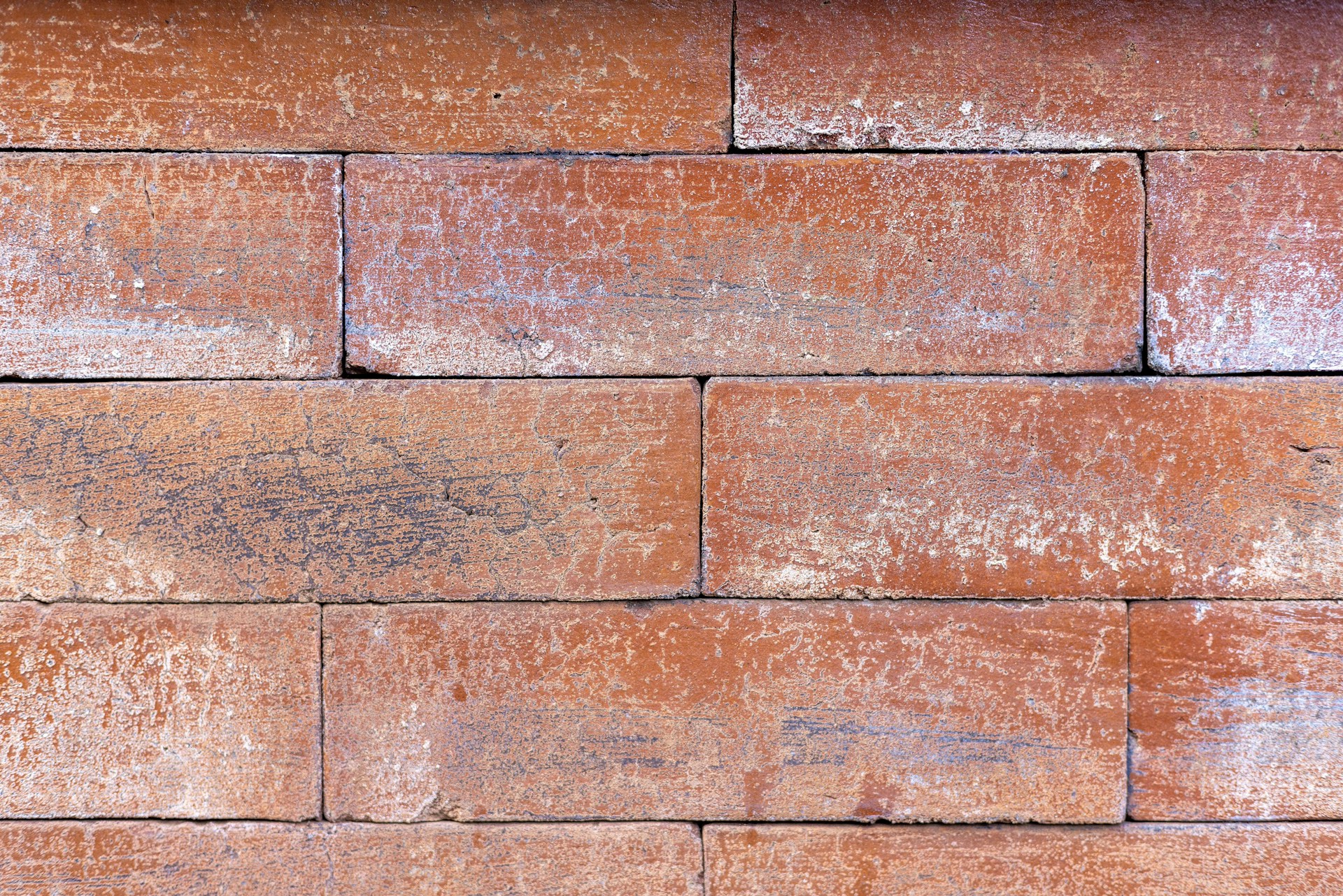
Authentic reclaimed antique brick connects the past to modern design. Each piece tells a story through its surface, color, and texture. Builders and designers use it to bring warmth, durability, and authenticity to new construction or restoration projects.
At New Orleans Brick & Stone, this respect for history guides every reclaimed material sourced. Each brick is carefully recovered, cleaned, and prepared for reuse—ensuring both quality and heritage remain intact. The result is masonry that carries visible proof of craftsmanship and time.
In this guide, you’ll discover what makes brick truly reclaimed, the main types available, and how to use them in restoration or new builds. You’ll also learn about their sustainability benefits and why reclaimed materials outperform new ones in both character and longevity.
What Is Authentic Reclaimed Antique Brick?
Authentic reclaimed antique brick means bricks salvaged from old buildings or infrastructure and kept for reuse because of their material integrity and historic character. People value them for their age, varied textures, and the stories they carry from previous construction.
Definition and Origins
Salvagers remove authentic reclaimed antique brick intact from demolished or deconstructed structures—factory walls, row houses, sidewalks, bridges, and barns. Expect bricks fired and laid decades or centuries ago, not modern reproductions or artificially distressed versions.
Origins matter: many bricks come from Victorian or early-industrial-era buildings built before standardized mass-production, explaining variations in size, composition, and mineral content. Vendors typically note source type and provenance, which helps you match visual and structural needs.
How Reclaimed Bricks Differ from New Bricks
Reclaimed bricks differ in manufacture, wear patterns, and consistency. New bricks have uniform size, color, and firing; reclaimed bricks show size variance, mortar remnants, and uneven edges. Chips, nail holes, and mortared faces signal prior use.
Older kilns and raw materials produced hard-fired units, making many reclaimed bricks extremely durable. However, the condition varies—some pieces need cleaning or stabilization. Inspect for cracks, spalling, and salt damage.
Sorting by color and size before installation helps you achieve a cohesive look while preserving authenticity.
Colonial Brickmaking And Craftsmanship
According to the Encyclopedia of Greater Philadelphia, brickmaking became one of the city’s first industries, shaping early American architecture from the 1600s onward.
Local clay deposits and hand-press methods produced distinct red and orange hues that defined the region’s colonial buildings.
These early handmade bricks reveal a level of craftsmanship and material variation rarely seen in modern, machine-fired production. Understanding those regional methods helps restorers select truly authentic reclaimed brick for historically accurate projects.
Age, Patina, and Historical Character
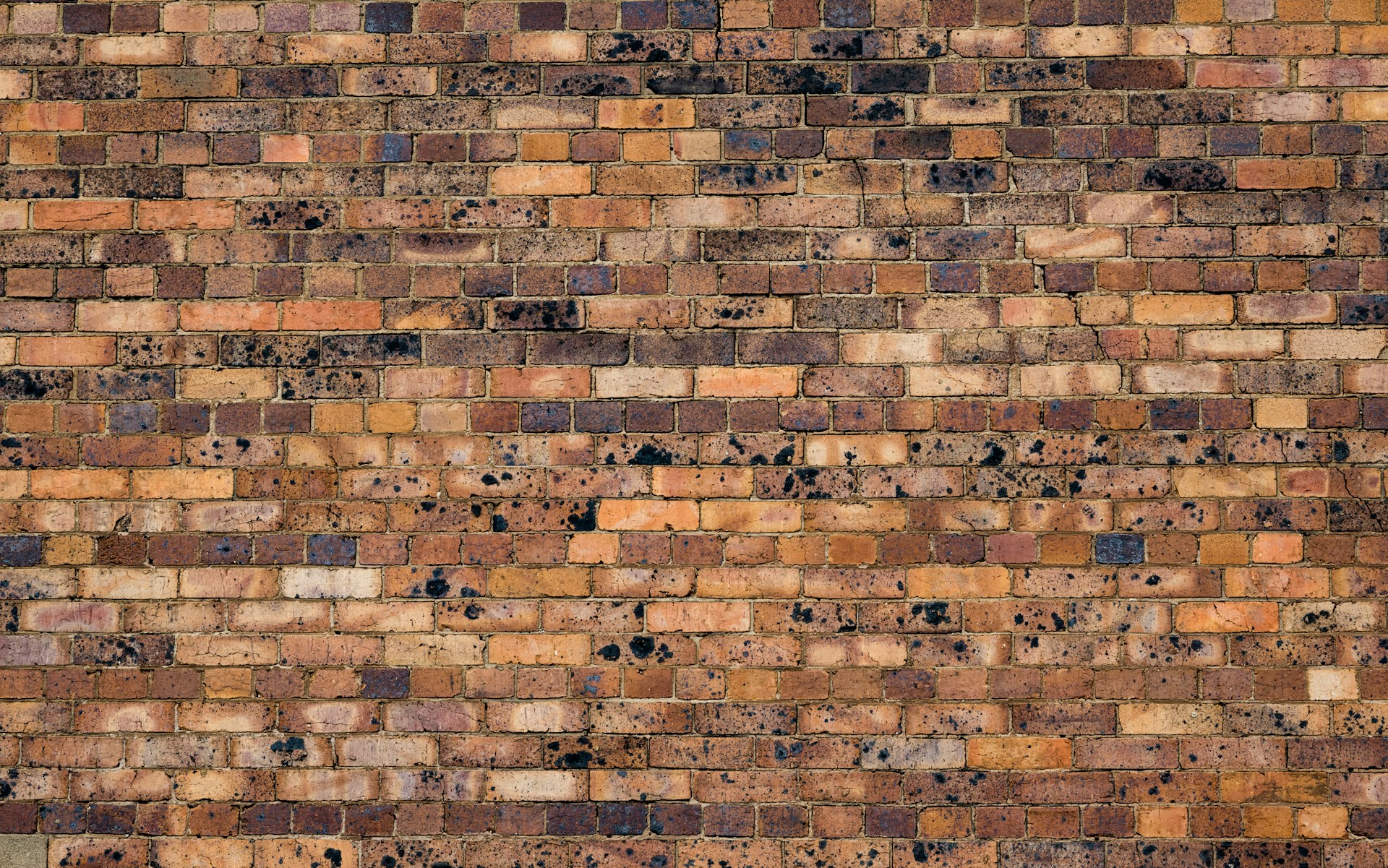
Age gives reclaimed brick its patina: subtle color shifts, weathered surfaces, and embedded grit from decades of exposure. Those features create depth you can’t replicate with new stock. Look for darker firing rings, lime deposits, and soot from coal-era environments.
Historical character includes maker’s marks, irregular molding seams, and uneven hand-pressed textures.
These traits help you identify vintage brick versus artificially aged units. When authenticity matters, ask for documentation or photos of original locations and check for consistent signs of real long-term exposure.
Noteworthy Types of Reclaimed Antique Brick
Types of reclaimed antique brick stand out for their origin, color, and texture. Each type influences how you plan, source, and install materials. Pay attention to sizing, patina, and structural condition when choosing floors, walls, or outdoor paving.
Old Chicago Brick
Salvagers recover Old Chicago brick from late-19th and early-20th century Chicago buildings. These bricks show deep red to brown hues, heavy iron spotting, and irregular edges. Sizes can vary slightly from modern standards, so plan for some cutting or custom courses.
These bricks are prized for floors and fireplaces because they already have decades of wear. Inspect for hairline cracks and spalled faces; many sellers sort by grade. When laying, use a denser mortar and consider a buffer layer under foot traffic to compensate for variable thickness.
Antique Brewery Bricks
Antique brewery bricks come from industrial buildings like breweries and warehouses. They tend to be larger, denser, and darker, often with a hard-fired surface and a mottled, soot-darkened patina. Their density makes them durable for exterior paving and heavy-use interiors.
Because many were exposed to steam, chemicals, and heavy loads, check for soundness rather than surface appearance.
These bricks often require less sealing but need careful cleaning to remove residual mortar or mineral deposits. Their consistent mass helps when you need uniform weight-bearing capacity in landscaping or structural veneers.
Antique Buff Handmades
Antique buff hand-made display pale yellow to warm tan tones from local clays and hand-formed molds. You’ll recognize irregular faces, soft rounded corners, and subtle striations from the molding process.
These bricks give interiors a lighter, vintage look and work well as accent walls, hearth surrounds, or decorative paving.
Because they are softer than modern machine-made bricks, check compressive strength for load-bearing applications.
Sort by color and face condition to achieve a consistent visual result. If using outdoors, choose bricks graded for exterior use and plan on a breathable sealer to reduce staining while preserving their tactile character.
Popular Applications and Project Ideas
Reclaimed antique brick offers durable, character-rich material for both hardscape and building work. You can use it to add texture, improve durability, and create historically nuanced details in outdoor and indoor projects.
Patios and Walkways
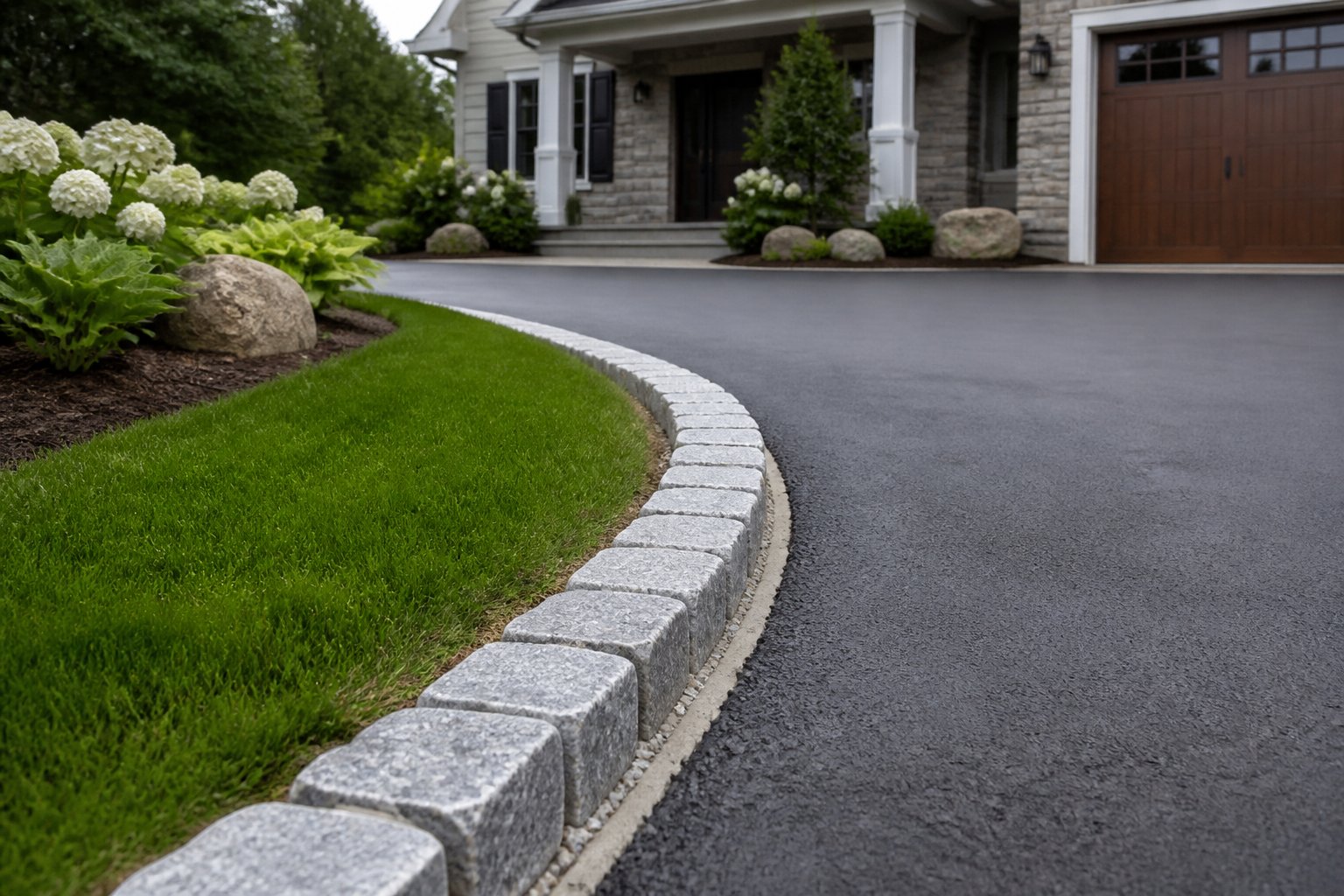
Reclaimed brick pavers and cobblestones give patios and walkways a timeworn look while withstanding foot traffic. Lay bricks in herringbone, basketweave, or running-bond patterns to control movement and reduce shifting; use a compacted sand base and polymeric jointing sand for low maintenance.
Use reclaimed brick pavers for steps and thresholds where matching patina between surfaces matters. For driveways, choose thicker reclaimed pavers or antique cobbles and set them on a crushed-stone base to support vehicle loads.
Add edging with cut reclaimed bricks or a concrete border to keep the lawn and gravel from encroaching. Incorporate gentle slopes and permeable joints to improve drainage and protect landscaping.
Fireplaces and Interior Walls
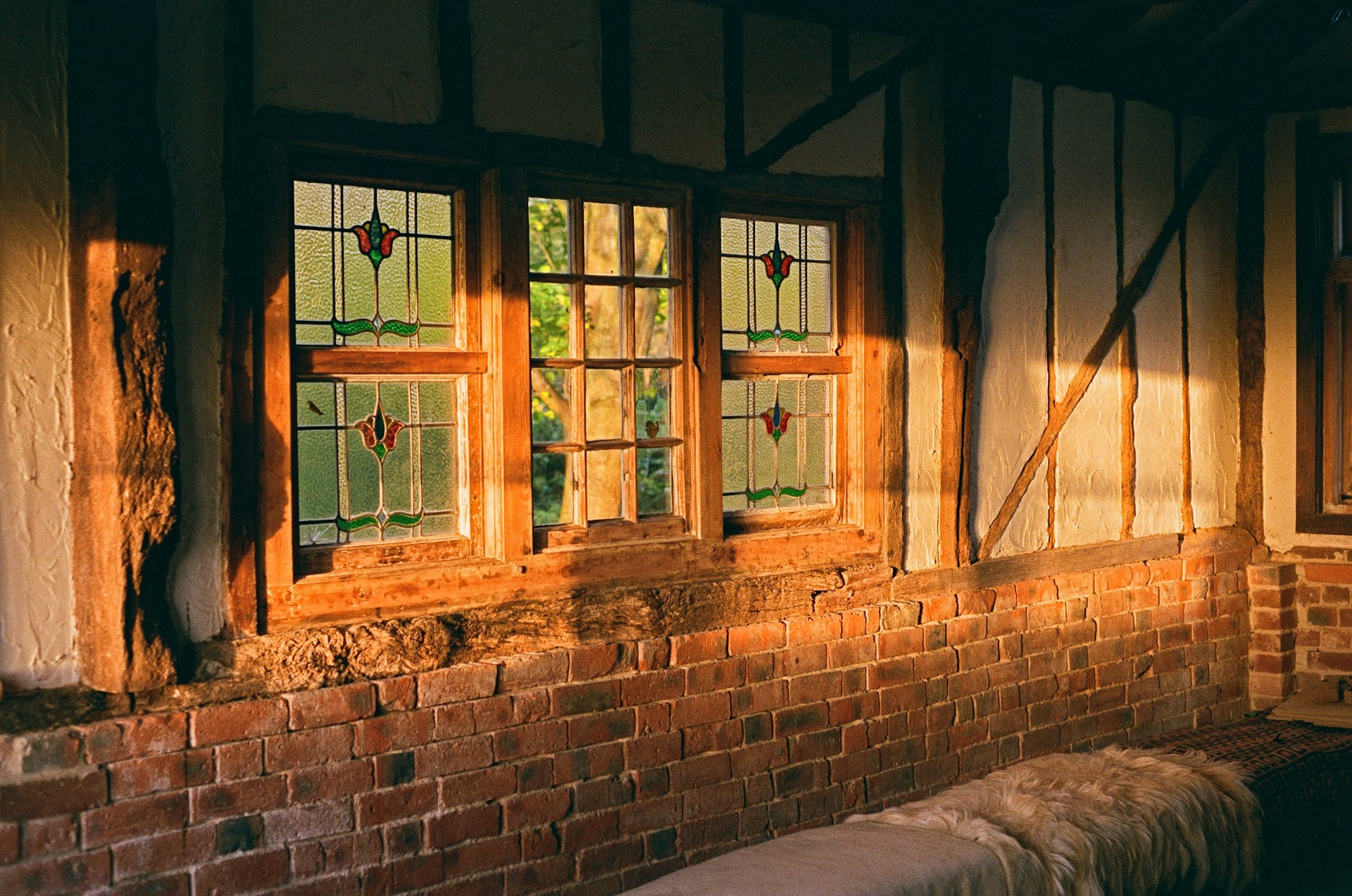
Reclaimed building bricks create warm, tactile fireplaces and interior feature walls that resist heat and wear. For fireboxes and hearths, use inspected, heat-rated reclaimed bricks and proper refractory mortar to meet safety codes.
On interior walls, lay bricks with a raked joint or tight mortar finish; leave some bricks lightly sandblasted or wire-brushed to reveal original textures.
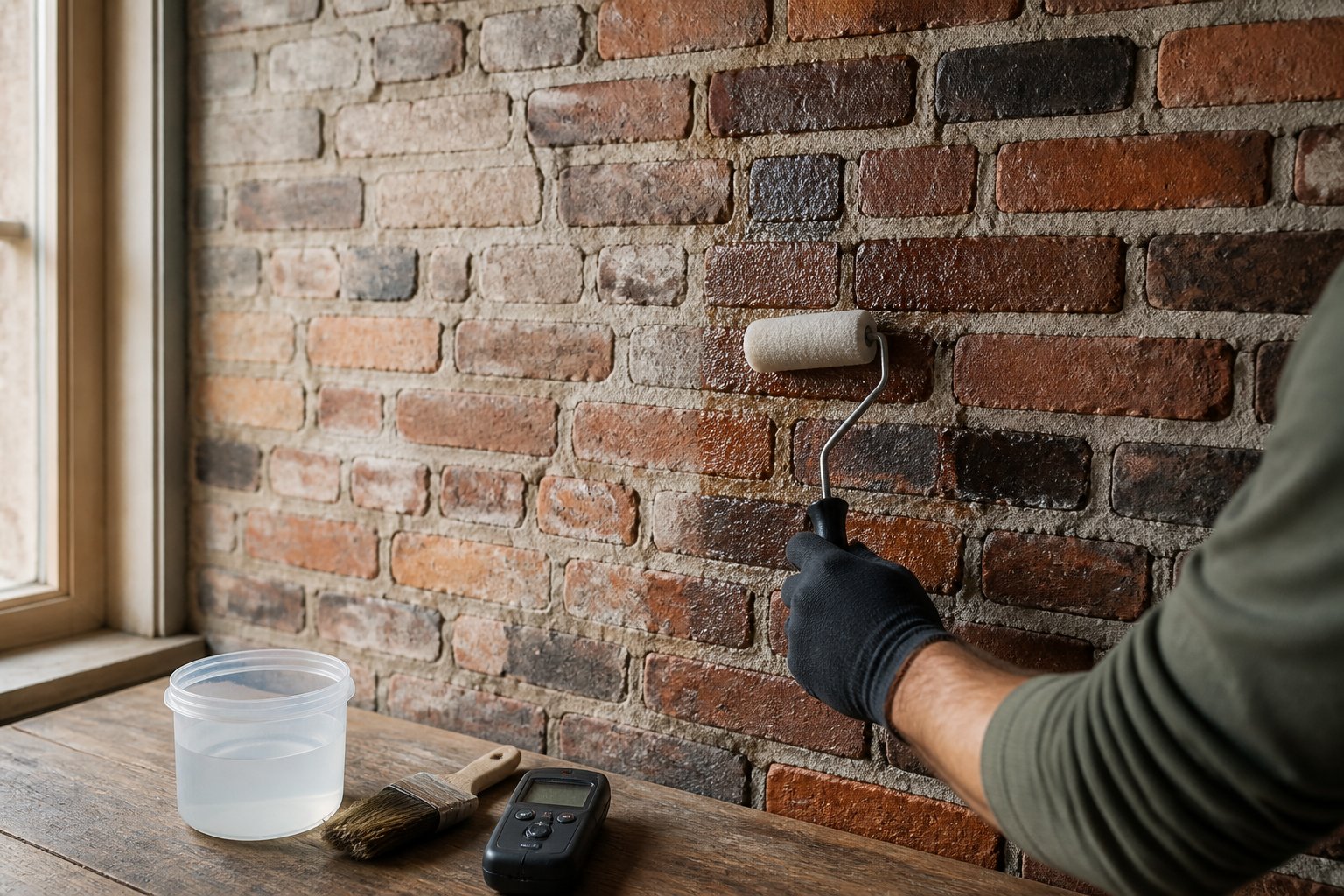
Seal surfaces with a breathable masonry sealer for easier cleaning without hiding the aged look. Mix reclaimed brick with steel or wood mantels for contrast. Use thin or veneer cuts when weight or clearances limit full-thickness installation.
Facade and Exterior Uses
Reclaimed bricks suit exterior facades, garden walls, and retaining walls where authenticity and longevity matter. When rebuilding a facade, sort reclaimed bricks by size and strength; test for soundness and remove heavily spalled or salt-damaged units.
For retaining walls and raised planters, pair reclaimed bricks with concrete block backup or compacted stone cores for stability.
Use reclaimed brick veneers on new framing to gain the antique appearance without full-mass masonry. Combine landscaping features—arched gateways, low garden walls, and reclaimed brick steps—to create cohesive outdoor rooms. Match mortar color and tooling to historic examples to maintain visual continuity.
Specialty Bricks and Materials
You’ll find reclaimed specialty materials for precise aesthetic and performance needs: thin brick veneer offers historic looks with lighter weight, granite cobblestones provide durable paving with old-world texture, and Old Tuscany bricks offer warm, irregular faces for rustic facades.
Reclaimed Thin Brick Veneer
Reclaimed thin brick veneer gives you authentic brick character at a fraction of the thickness and weight of full-depth salvaged brick. You can apply it over modern framing, concrete, or CMU; it reduces structural load and often avoids the need for deep anchors.
Look for pieces cut from salvaged full-depth bricks or reclaimed production runs specifically labeled “thin.” Quality indicators include consistent face weathering, intact original color variation, and thin-cut edges that show the original frog or stamp in cross-section.
Use an appropriate mortar bed or thin-set, follow substrate recommendations, and anticipate tighter joint profiles to mimic historic mortar lines. If matching an existing façade, request samples showing color range and texture; installers can blend multiple lots to recreate period-correct appearance.
Granite Cobblestones
Granite cobblestones offer extreme durability and a tactile, historic surface ideal for driveways, alleys, and pedestrian plazas. Reclaimed granite cobbles retain centuries of wear while providing slip-resistant irregularities that modern pavers can’t replicate.
Sizes typically range from 3"–6" wide and vary in thickness; set them on a compacted sand or mortar base, depending on vehicle load. Check for soundness—avoid stones with core cracking—and sort by color and size to create consistent runs or mixed patterns.
Maintenance is low: occasional joint repointing and clearing of organic matter preserve performance. Ask suppliers for provenance if you want a specific historic look; cobbles from old urban streets often show square edges polished by cart and foot traffic.
Old Tuscany Bricks
Old Tuscany bricks deliver warm, varied tones—terra cotta, deep ochre, and muted red—with soft edges and hand-formed irregularities. They suit interior feature walls, fireplaces, and exterior cladding where a Mediterranean or rustic aesthetic matters.
These reclaimed bricks often show surface patina, lime run, or kiln spotting; those traits add visual depth but require sample approval to ensure the range fits your scheme. Because sizes and thicknesses can vary, plan for a flexible bonding pattern and expect some extra cutting and sorting during installation.
Verify freeze-thaw resistance for exterior use, especially in colder climates, and discuss recommended mortar mixes with your mason to preserve both adhesion and historic appearance. For a cohesive result, blend Old Tuscany bricks with compatible reclaimed thin brick veneer where weight or substrate limits prevent full-depth installation.
Benefits of Choosing Reclaimed Antique Brick
Reclaimed antique brick gives you measurable environmental savings, proven durability, and a distinctive look that new brick rarely matches. You cut embodied carbon, reuse salvaged materials, and add texture and color variation that develops interest across walls, floors, or paving.
Sustainability and Environmental Impact
Using reclaimed materials reduces the demand for new brick production, which lowers energy use and CO2 emissions tied to kiln firing. When you specify salvaged brick, you divert material from demolition waste and reduce landfill volume.
You also avoid the extraction of clay and the energy cost of manufacturing new units. Reclaimed brick often shows a notably smaller footprint compared with new brick. Sourcing from local salvage yards or reclaimed-brick suppliers cuts transport emissions.
For green building documentation, keep invoices and notes from salvage yards to support credits or client requests.
Durability and Longevity
Reclaimed antique brick has already endured decades—often more than a century—of weathering and load cycles. These bricks, removed from historic buildings, typically show solid compressive strength and stable mineral composition.
Inspect reclaimed brick for cracks, spalling, and excessive mortar remnant. Sorting by condition and size helps you match bricks for structural or decorative uses. When you clean and reinstall them with compatible mortar, reclaimed bricks can last as long as new masonry and often outlast modern alternatives.
Reclaimed brick also lowers maintenance costs over time. The material ages gracefully, with natural color shifts and crazing adding character instead of requiring replacement.
Unique Aesthetic and Character
Reclaimed bricks offer a palette and texture that new bricks can’t match. Patina, uneven edges, soot-darkened faces, and historical tooling marks create authenticity and visual depth, whether for a feature wall, period facade, or reclaimed brick pathway.
You can sort salvaged brick by color, size, and wear to control the final look. Mixing different types of reclaimed bricks produces a varied appearance. Indoors, a single reclaimed-brick feature can anchor a room; outdoors, antique pavers provide tactile, slip-resistant surfaces with proven durability.
If you want a historical presence and materials with a documented past, reclaimed antique brick offers both aesthetic distinction and a link to earlier construction.
Preserving History, Building with Integrity
Authentic reclaimed antique brick brings together the strength of history and the purpose of sustainability. Every mark and variation reflects a story of resilience—proof that true craftsmanship lasts. Builders, designers, and homeowners use it to add value, warmth, and permanence to modern spaces.
New Orleans Brick & Stone continues to champion this tradition by supplying genuine reclaimed materials from historic sites across the country. Each brick is chosen for its authenticity and quality, helping every project achieve a balance between old-world beauty and present-day reliability.
Bring timeless character into your next build. Visit our website to explore available reclaimed brick collections and request expert guidance for your design.
Frequently Asked Questions
This section answers practical concerns about sourcing, identifying, pricing, and using reclaimed antique brick. Find clear checks for authenticity, where to buy, cost factors, installation tips, identification methods, and preservation practices.
How can I tell if an antique brick I've found is authentic?
Look for maker’s marks, stamps, or imprints on the faces or edges. Authentic antique bricks often have the original manufacturer’s name or initials. Check for hand-formed texture, uneven edges, color variation, and tooling marks. Compare weight and hardness to a known historic sample; genuine older bricks are often denser and show natural weathering patterns.
Where can I find reclaimed antique bricks for my building project?
Visit specialty reclamation yards, historic salvage dealers, or companies that advertise reclaimed bricks from specific cities. Ask local preservation societies, architectural salvage stores, or restoration contractors for leads. Request samples or photos of the lot before ordering.
What should I expect to pay for high-quality reclaimed antique bricks?
Prices depend on type, rarity, condition, and shipping distance. Reclaimed bricks usually cost more per brick than new ones. Suppliers often set minimum orders of one pallet and prefer full-truck shipments. Get a written quote that includes all costs—brick, pallet handling, trucking, and any sorting or cleaning fees.
Can you suggest any tips for incorporating antique brick veneer into my home design?
Match mortar color and tooling style to the period look you want. Use a proper substrate and mechanical fastening for thin veneer to prevent moisture or detachment problems. Test a small mock-up to confirm color, texture, and grout lines before full installation.
How can I properly identify different types of antique bricks I come across?
Note the size, bond pattern, and edge profile to distinguish face brick, pavers, common brick, and pressed or molded varieties. Record any stamps, glaze, or unique surface treatments, and compare them to regional brickmaker records or historic catalogs. Photograph both faces and edges, then consult local guides or reclamation specialists if needed.
What are the best practices for preserving the quality of reclaimed bricks?
Store bricks off the ground on pallets, cover them with breathable tarps, and keep them dry to prevent salt buildup and freeze-thaw damage.
Clean bricks gently using hand tools and low-pressure water. Avoid sandblasting or harsh acids, as these can harm historic surfaces.
When installing, use compatible mortar and include proper drainage and movement joints. These steps help protect bricks from moisture and structural stress.