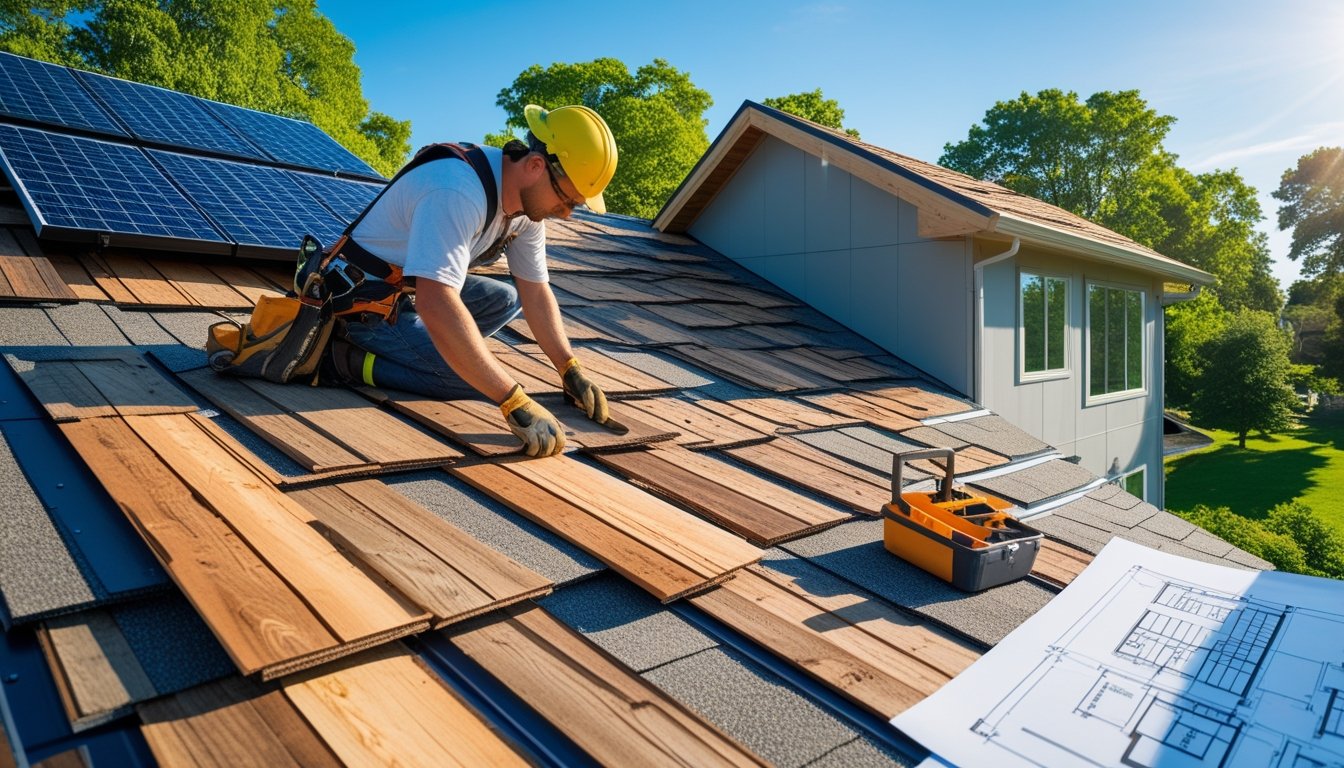
Sustainable reclaimed roofing gives your home authentic character while reducing the environmental toll of producing new materials. These time-tested roofing elements carry textures, patinas, and durability shaped by decades of natural weathering. They offer a depth that modern products can’t reproduce.
New Orleans Brick & Stone offers heritage-driven reclaimed materials rooted in craftsmanship and architectural legacy. With fast nationwide delivery and hand-selected inventory, the company helps builders and homeowners use roofing materials that honor history.
In this article, you’ll learn how reclaimed roofing materials are sourced, the environmental benefits they provide, and how to select, install, and maintain them. You’ll also explore design ideas, cost considerations, and future trends that make reclaimed roofing a meaningful part of eco-friendly construction.
Key Takeaways
- Reclaimed roofing reduces environmental impact while providing durable, historic materials.
- Authentic reclaimed materials offer a unique character not found in new roofing products.
- Quick, reliable sourcing ensures your roofing project stays on schedule with meaningful inventory.
What Is Sustainable Reclaimed Roofing?
Sustainable reclaimed roofing uses materials salvaged from old buildings to create durable, eco-friendly roof systems.
These materials reduce environmental impact by avoiding new resource extraction while offering authentic character and proven longevity. This process combines respect for history with practical benefits like cost savings and unique aesthetics.
Definition of Reclaimed Roofing
Reclaimed roofing means reusing materials such as slate, clay tiles, or wood shingles salvaged from existing or demolished structures. These materials often come from buildings over 50-100 years old, offering a historic look and quality that modern roofing rarely matches.
Using reclaimed roofing gives materials a second life instead of sending them to landfills. It also helps preserve architectural integrity, especially in restoration projects or homes seeking vintage charm with functional, long-lasting roofs.
Sustainability Principles
The core of sustainable reclaimed roofing is minimizing waste and reducing demand for new raw materials. By reusing roofing products, you lower the carbon footprint associated with manufacturing, transportation, and disposal.
Sustainability also means choosing materials that last. Many reclaimed roofing materials, like slate or clay tiles, are highly durable and weather-resistant, reducing the need for frequent replacement. This longevity helps conserve resources over time.
Types of Reclaimed Roofing Materials
Common reclaimed roofing materials include:
- Slate: Known for its strength, fire resistance, and distinctive beauty, slate can last over a century.
- Clay Tiles: These tiles offer excellent durability, natural insulating properties, and aged patinas that add depth.
- Wood Shingles: Typically cedar or redwood, these provide warmth and character but require regular maintenance.
- Metal Roofing Components: Reclaimed copper or tin can be reshaped or reused, adding a vintage element with high durability.
When choosing materials, consider your roof’s style, climate, and maintenance needs. Inspections and supply of quality reclaimed stone roofing materials ensure authenticity and performance for your project.
Environmental Benefits of Reclaimed Roofing
Using reclaimed roofing materials offers tangible environmental advantages that benefit your project and the planet. It limits landfill buildup, reduces emissions related to producing new materials, and helps preserve vital natural resources. Check out Reclaimed Stone Fireplaces and Features.
Reducing Waste in Landfills
When you choose reclaimed roofing, you keep durable materials out of landfills. Roofing material makes up a significant share of construction debris, often ending up as waste after demolition.
Reclaimed tiles or shingles come from serviceable roofs that are carefully dismantled. This process diverts substantial amounts of material from disposal sites.
By giving these materials a second life, you actively reduce the volume of waste generated by new construction. This approach supports a circular economy, where resources are continuously reused instead of discarded.
Lowering Carbon Footprint
Manufacturing new roofing materials demands energy and releases greenhouse gases. When you use reclaimed roofing, you avoid much of the carbon emissions tied to mining, processing, and transporting raw materials.
Transportation emissions shrink when you source reclaimed materials locally or from suppliers with inventory ready to ship quickly. Reclaimed roofing materials require far less energy overall, helping lower your project's carbon footprint without compromising quality.
Resource Conservation
Reclaimed roofing conserves finite resources by reusing brick, slate, or terracotta that took decades to produce and weather naturally.
You reduce the need for fresh extraction of raw materials, preserving quarries and natural landscapes. Choosing authentic, historic materials also respects craftsmanship traditions and architectural heritage.
Comparison of Reclaimed Roofing Materials
Choosing reclaimed roofing materials means balancing durability, appearance, and environmental impact. Each option offers distinct qualities that affect installation, maintenance, and longevity. Understanding these factors helps you select the best roofing material for your project.
Reclaimed Wood Shingles
Reclaimed wood shingles bring a warm, historic charm to your roof, especially if you want a natural, textured appearance. The wood, often sourced from old barns or homes, is carefully inspected for rot and pests before reuse.
Wood shingles are lightweight but require regular maintenance to prevent moisture damage and insect infestation. Treating them with natural preservatives can extend their lifespan. Their insulation properties also help regulate temperature, making them practical as well as attractive.
Because reclaimed wood shingles vary in size and wear, your roof gains a unique, irregular pattern. They suit homes seeking heritage style, but budget for periodic upkeep.
Slate and Tile Options
Slate and clay tile roofing are prized for their durability and classic elegance. When reclaimed, they retain the original patina and texture, giving your roof a timeless, authentic look that new materials can’t match.
Slate is extremely durable—often lasting over a century—and is resistant to fire and severe weather. Tile options, including clay and terra cotta, also stand up well to the elements but are heavier, so your roof structure must be strong.
Both materials require skilled installation, as reclaimed pieces can vary in thickness or condition. Slate and tile are low-maintenance compared to wood and provide excellent energy efficiency.
Metal Roofing Panels
Reclaimed metal roofing offers a sleek, modern aesthetic combined with sustainable reuse. Metals such as copper, zinc, and galvanized steel have long lifespans and resist corrosion thanks to their dense, non-porous surfaces.
Metal panels are lightweight and easy to install over existing roofs, saving time and labor. They reflect heat effectively, keeping your home cooler in warm climates. Reclaimed panels may show weathering that adds character but remains functional.
Because metal roofs can last 50 years or more, they offer long-term value with minimal maintenance. You may need to check for dents or rust, but high-quality reclaimed metal can perform as well as new. This option suits homeowners seeking durability with a contemporary edge.
Sourcing Sustainable Reclaimed Roofing
Finding the right materials means balancing authenticity, durability, and availability. You need trusted sources that offer verified quality and choices between local and imported reclaimed roofing pieces. This allows you to maintain project integrity while meeting sustainability goals.
Trusted Suppliers and Recyclers
When sourcing reclaimed roofing, work with suppliers who specialize in authentic materials. Choose providers that salvage roofing from century-old buildings, ensuring the patina, weathering, and craftsmanship remain intact.
Reliable suppliers provide clear provenance and perform thorough inspections to remove hazards like lead paint or asbestos, common in old materials.
Look for recyclers who practice ethical demolition and careful sorting to maximize material quality. Engaging with family-owned or heritage-driven businesses often means direct communication, faster response times, and materials you can trust.
Quality Standards
Reclaimed roofing must meet strict quality benchmarks to perform well. This includes testing for structural integrity, water resistance, and long-term durability under various weather conditions. Materials that visibly age gracefully, like slate or certain woods, should resist breaking, warping, or extensive moisture absorption.
Confirm that suppliers apply rigorous cleaning, grading, and repair processes. Proper packaging and storage also preserve quality until shipment. Because reclaimed roofing varies more than new products, ask for samples or detailed photos to assess finish and condition before committing.
In your choice, weigh heritage value alongside functional performance. Roofing reclaimed from historic sites carries a unique character—and when properly vetted, it supports sustainability goals without compromising safety or lifespan.
Local vs. Imported Materials
Choosing between local and imported reclaimed roofing affects cost, authenticity, and environmental footprint. Local materials reflect regional architectural history, making them ideal if you want your project to echo nearby styles or maintain cultural heritage.
Using materials sourced near your region typically means faster delivery and lower shipping emissions. However, importing offers access to rare textures or roofing types unavailable locally, expanding your design possibilities.
When selecting, consider lead times, transport impact, and how the aesthetic aligns with your goals. Local reclaimed roofing strengthens community connections and reduces carbon footprints, but imported materials can introduce unique, authentic options for exceptional projects.
Installation Considerations for Reclaimed Roofing
Installing reclaimed roofing requires careful attention to material condition, compatibility with your roof structure, and skilled installers. Each step impacts the longevity, appearance, and sustainability of your project.
Preparation and Inspection
Before installation, inspect every piece of reclaimed roofing material carefully. Look for cracks, chips, or signs of weather damage that could affect performance. Sorting materials by size, thickness, and condition helps ensure a uniform appearance and structural integrity.
Remove any nails or fasteners left from previous use. If materials need cleaning, do so gently to preserve their patina. Also, check the roof deck for damage or rot; repairing it beforehand prevents future issues and supports the reclaimed roofing correctly.
Matching Materials to Roof Structure
Reclaimed materials vary widely in weight and thickness. Ensure your roof framing can support the extra load, especially if you use dense materials like slate or aged clay tiles. Consult your structural engineer if you’re unsure about the roof’s capacity.
Pay attention to the pitch and style of your roof when selecting reclaimed materials. Some historic tiles may only work with steeper slopes or specific layouts. Proper alignment avoids leaks and maintains the authentic character of your design.
Hiring Qualified Installers
Choose installers experienced with reclaimed roofing products. They know how to handle fragile, aged materials without causing damage during placement or fastening.
Look for professionals who can integrate reclaimed roofing into existing systems, managing flashing, ventilation, and insulation properly. Experienced crews appreciate the legacy and craftsmanship behind each piece and treat your project as a restoration, not just an installation.
Climate Compatibility and Moisture Behavior in Reclaimed Roofing
Historic roofing materials perform differently across climates, especially in areas with freeze–thaw cycles, high humidity, or intense heat. Research supported by the National Center for Preservation Technology and Training shows that stone (and clay) based roofing materials can experience moisture expansion and contraction.
That may affect long-term stability if not paired with the right underlayments and installation methods.
Understanding how reclaimed slate, clay tile, or wood behaves in your region helps ensure longevity and reduces maintenance needs. Climate-matched materials support both sustainability and structural performance.
Cost Factors and Value
Choosing sustainable reclaimed roofing involves upfront costs balanced by long-term benefits. Understanding how initial expenses, future savings, and insurance considerations play out can help you make a well-informed investment.
Initial Investment
Reclaimed roofing materials often cost more than new, mass-produced options because of their careful sourcing, inspection, and preparation. Workers hand-select each tile or slate for durability and authenticity, which adds value but increases costs.
Skilled labor is necessary, as installing reclaimed roofing requires special techniques to preserve the materials' integrity. These factors can raise your initial investment by 15-30% compared to conventional roofing.
Long-Term Savings
Reclaimed roofing materials offer impressive durability and often outlast new ones, since they have already weathered decades of use. This longevity means you need fewer repairs or replacements, saving thousands over your roof’s lifetime.
Older roofing materials, especially natural slate and clay tiles, provide better insulation and help maintain stable indoor temperatures, which can lower your heating and cooling bills. Maintenance needs are also lower; their proven durability means you’ll spend less on upkeep like patching or sealing.
Insurance and Warranties
Insurance providers see reclaimed roofing as both a risk and an asset. Some insurers might raise premiums because replacing unique, historic materials can be difficult, so verify your coverage details before installation.
Your roof's history of longevity can help during claims or assessments. Keep detailed records of installation and material sourcing to assist with insurance matters.
Warranties on reclaimed materials vary. Suppliers usually offer craftsmanship guarantees rather than product warranties, so confirm these terms before installation to know your protections if issues arise.
Design Inspiration for Reclaimed Roofs
Reclaimed roofing materials bring character and history to your project while supporting sustainability. Their unique textures and aged patinas create charm that new materials cannot match.
Historic Restoration Projects
When restoring historic buildings, you want to preserve authenticity and durability. Reclaimed roofing tiles and slates from century-old structures offer the right look and strength, maintaining period-accurate aesthetics.
Clay tiles with faded glazes or hand-cut slate with natural imperfections provide character missing from modern alternatives. Using reclaimed materials also aligns with preservation guidelines, often required in historic districts.
Modern Eco-Friendly Homes
In modern eco-friendly homes, reclaimed roofing adds sustainability without sacrificing style. By reusing quality materials, you reduce waste and lower your project’s carbon footprint.
Reclaimed roofs blend well with contemporary designs focused on natural textures and earthy colors. Slate and terra cotta tiles offer warmth and unique patterns that complement features like solar panels or rainwater harvesting systems.
You can combine reclaimed roofing with modern construction techniques, creating a home that is both innovative and timeless.
Maintenance and Longevity of Reclaimed Roofing
Reclaimed roofing provides durability and character but needs proper care to maintain its strength and appearance. Regular maintenance and timely repairs can extend its life, protecting your investment and preserving its authentic charm.
Upkeep Practices
Regular inspections help keep your reclaimed roofing in good condition. Check for cracked or loose tiles, moss buildup, and debris that could trap moisture. Clean with a soft brush and mild detergent to prevent mildew or organic growth.
Use gentle cleaning methods and avoid high-pressure washing, which can damage reclaimed materials. Inspect flashing and sealants at least twice a year to ensure watertight integrity. Keep gutters and downspouts clear to maintain proper drainage and prevent water backup around the roof’s edges.
Repair and Replacement Tips
When making repairs, source-matched reclaimed materials to maintain your roof’s historic appearance and charm.
Address minor cracks or chips early with appropriate sealants designed for reclaimed roofing. When replacing sections, match the mortar composition and installation style to the original for a seamless repair. Keep spare tiles on hand for future fixes and to maintain your roof’s integrity.
Certifications and Green Building Standards
Using sustainable reclaimed roofing means meeting industry standards that verify environmental benefits and quality. Understanding certification options and local regulations helps you meet project requirements and improve your building’s green credentials.
LEED and Other Certifications
LEED (Leadership in Energy and Environmental Design) recognizes projects that use recycled and reclaimed materials, including roofing. Choosing reclaimed roofing can earn points in categories like Materials and Resources and Indoor Environmental Quality.
Other certifications, such as the Living Building Challenge and WELL Building Standard, also promote reuse to reduce waste and embodied carbon.
By selecting certified reclaimed materials, you show your commitment to sustainable building practices and make it easier to get approval from green building programs.
Meeting Local Regulations
Local building codes may require specific approvals for reclaimed roofing. These rules focus on safety, structural integrity, and fire resistance. Consult your building authority early to confirm your reclaimed roofing complies with local regulations.
Some regions offer incentives or credits for using recycled materials, so understanding local policies can help your budget. Reliable suppliers can provide documentation and testing reports to support your permit applications.
By addressing regulations early, you avoid delays and ensure your sustainable roofing project meets both legal and green building standards.
Future Trends in Sustainable Reclaimed Roofing
Builders and homeowners are increasingly choosing reclaimed roofing materials to reduce environmental impact. Using recycled slate, tile, and wood shakes preserves historic character and cuts waste.
Technological advances now make it easier to assess and prepare reclaimed materials. Improved testing ensures reclaimed roofing matches new materials in durability and performance without losing its unique look.
Hybrid roofing, which combines reclaimed materials with modern weatherproofing, is becoming more popular. This approach delivers both sustainability and long-lasting protection.
Customization is also rising. Carefully selected roofing pieces allow you to create a distinctive, timeless look that connects to heritage.
Building Sustainably With Time-Honored Materials
Reclaimed roofing offers long-lasting beauty and environmental value. It reduces waste and conserves natural resources while adding authentic character to your home. These materials prove their worth through durability, patina, and performance shaped by time, making them ideal for eco-friendly projects.
New Orleans Brick & Stone supports this approach with heritage-driven reclaimed materials. They connect your project to craftsmanship and environmental responsibility. With nationwide access, you can source meaningful materials that honor tradition and support sustainable building.
Bring history home—reach out to request reclaimed roofing materials today and create a roof that blends authentic beauty with responsible design.
Frequently Asked Questions
Sustainable materials like reclaimed wood, recycled rubber, and metal roofing are common and cost-effective. Finding local suppliers, understanding environmental benefits, and comparing performance will help you make the right choice for your roof.
What are the most cost-effective sustainable roofing materials available?
Reclaimed wood and metal roofing balance cost and longevity. Recycled rubber shingles also offer affordability and eco benefits. Prices vary by location and material condition.
How can I find local suppliers of reclaimed roofing materials?
Search online for reclaimed building material dealers or salvage yards in your area. Family-run companies that focus on authentic materials and fast shipping are good options.
What are the environmental benefits of using recycled tire shingles for my roof?
Recycled tire shingles reduce landfill waste and limit the need for new raw materials. They are durable, help keep tires out of waste streams, and often have energy-efficient properties.
Are there any financial assistance programs for installing eco-friendly roofing?
Many states and cities offer tax credits or rebates for sustainable roof installations. Check local government or energy provider websites for available programs.
How do recycled rubber shingles compare to traditional roofing in terms of durability and performance?
Recycled rubber shingles typically resist cracking, fading, and hail damage better than asphalt. They also perform well in extreme weather, making them a durable alternative to traditional options.
What should I consider when choosing sustainable materials for my roof replacement?
Consider the material’s lifespan, installation cost, maintenance needs, and environmental impact. Select suppliers who offer authentic, hand-selected products to ensure you preserve both quality and heritage.