


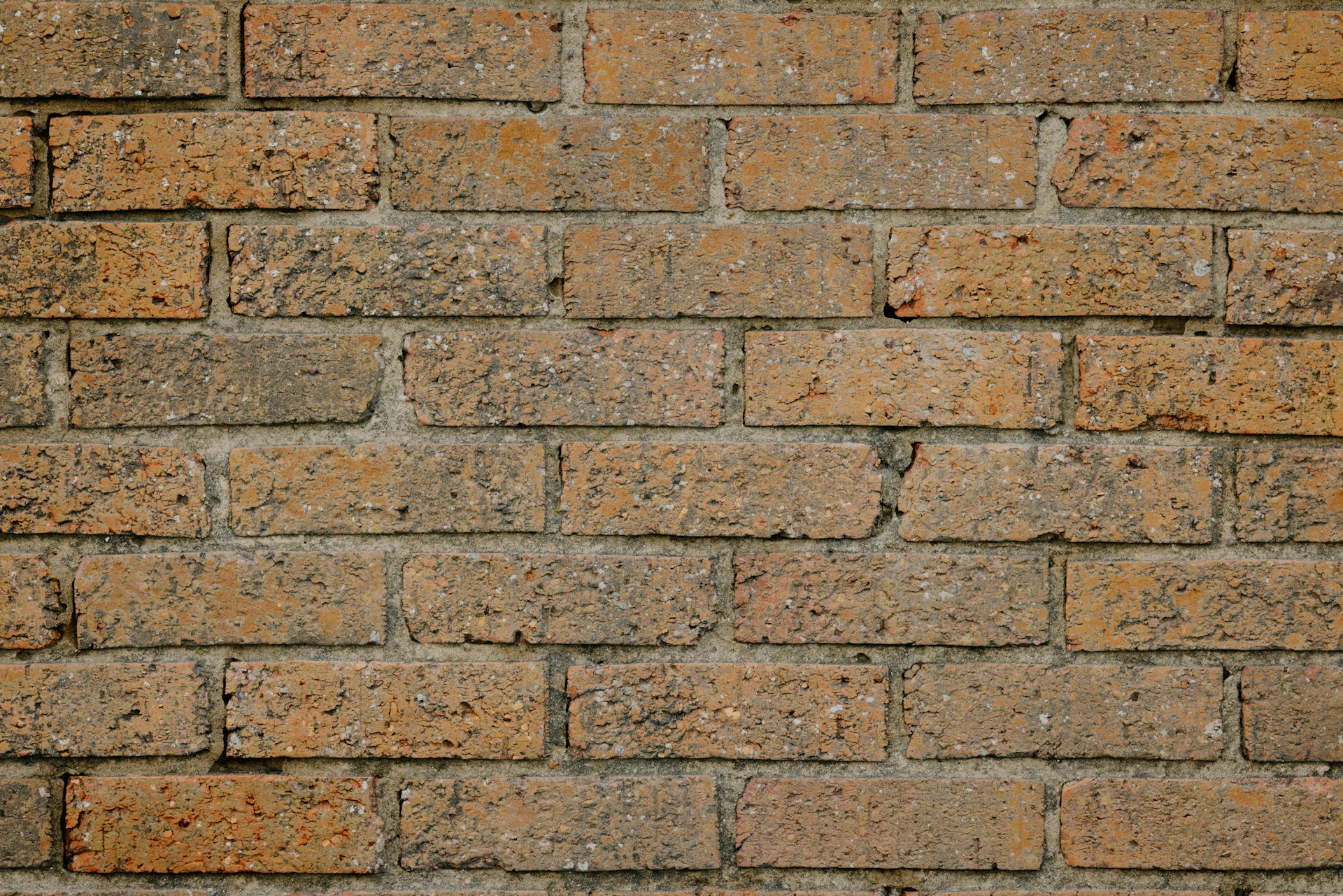
Reclaimed brick cladding brings real depth and character to a space. It offers the warmth of aged brick, the texture of authentic craftsmanship, and the benefit of reusing materials that have already stood the test of time. Whether you want a feature wall, a weathered facade, or a more sustainable finish for your home or project, reclaimed brick cladding delivers a timeless look while keeping waste out of landfills.
In this guide, you will learn what reclaimed brick cladding is, why homeowners and designers choose it, the formats and styles available, and how to install and care for it. We also share practical tips to help you decide if reclaimed brick is the right fit for your budget and your space. And if you need help sourcing authentic reclaimed brick cladding with reliable availability, our team at New Orleans Brick & Stone is here to support your project with expert guidance and fast shipping.
What Is Reclaimed Brick Cladding?
Reclaimed brick cladding uses old, salvaged bricks or thin slices of them to cover walls. It gives you authentic vintage texture, reduces waste, and works on both interior and exterior surfaces.
Reclaimed brick cladding is a surface finish made from bricks previously used in buildings. You can get whole reclaimed bricks or thin pieces called brick slips that attach to a substrate like concrete, plywood, or a metal frame. The result looks like a genuine brick wall but weighs less and installs faster than full-thickness masonry.
You can choose authentic reclaimed brick veneer for real age, with chips, color variation, and mortar remnants. Manufacturers also offer reclaimed brick tiles and brick wall tile that mimic that look when true salvage isn’t available. Reclaimed cladding keeps the texture and patina of antique brick while fitting modern construction methods.
Types of Reclaimed Brick Products
You’ll find several product types to match project needs and budget:
- Whole reclaimed bricks: Best for load-bearing walls or where you want full-depth historic material.
- Reclaimed brick veneer / reclaimed thin brick: Thin slices (usually 10–25 mm) that attach like tile.
- Brick slips and brick tiles: Standardized thin pieces for quick installation and consistent sizing.
- Reclaimed brick cladding systems: Panels or mesh-mounted slips for fast exterior application.
Whole bricks offer the most authenticity but cost more and add weight. Brick slips and tiles allow easier installation and lower structural demands. Reclaimed brick veneer maintains the aged look but comes in uniform thickness for easier bonding and mortar work.
How Reclaimed Brick Cladding Is Made
The process starts with salvage. Workers carefully remove bricks from demolition sites, then sort by size, color, and condition. They clean bricks to remove old mortar; some are hand-chiseled to preserve texture while ensuring a flat back for adhesion.
Suppliers cut or slice whole reclaimed bricks into reclaimed brick slips or tiles for thin products. They dry and sometimes seal pieces to stabilize them. Panels or mesh-backed systems are assembled by fixing slips onto backing sheets in factory-controlled patterns. Quality checks focus on moisture content, strength, and frost resistance for exterior use.
When buying reclaimed cladding, check grading for appearance and structural assurance. Some suppliers mark pieces as “authentic reclaimed” or “vintage brick” to distinguish true salvage from manufactured lookalikes.
Why Use Reclaimed Brick Cladding
Reclaimed brick cladding gives you a mix of visual character, environmental gains, and proven strength. You gain a unique look, cut waste and embodied energy, and use material that has already stood the test of time.
Unique Aesthetic Appeal
Reclaimed brick brings textures and colors you won’t get from new bricks. You can use antique brick with worn edges, color variation, and old kiln marks to create a façade or interior wall that feels aged and rich with history. This variety lets you design focal walls, rustic facades, or mixed-pattern cladding without heavy surface treatments.
You control the look by sorting bricks by tone or mixing for a patchwork effect. Mortar color and joint width also change the final appearance, so small choices make big design differences. If you want a period feel or an industrial vibe, reclaimed brick cladding gives that instantly.
Sustainability Advantages
Using reclaimed bricks cuts the need for new brick production and keeps material out of landfills. That lowers the embodied energy tied to your project because you avoid the extraction, firing, and transport of newly made bricks. Sourcing from demolition salvage yards or verified suppliers helps ensure the bricks were responsibly recovered.
You also reduce waste on site. Reclaimed brick cladding can be reclaimed again in future renovations, supporting a circular material cycle. Choosing authentic reclaimed brick supports heritage reuse and often qualifies for sustainable-building credits or local incentives.
Durability and Longevity
Reclaimed bricks often come from older buildings that have already proven their durability. Many antique brick pieces were fired longer and often contain dense clay, which resists frost, fire, and wear. When you install reclaimed brick cladding properly—using compatible mortar and correct flashing—you get a long-lasting exterior or interior surface.
You should inspect and sort reclaimed bricks for cracks, salt damage, or excess spalling before installation. Proper cleaning and repointing with a matched mortar preserve the brick’s strength and appearance. With the right preparation, reclaimed brick cladding can perform as well as new brick while keeping the character you want.
Popular Formats and Styles
Reclaimed brick cladding comes in several practical formats that suit interiors and exteriors. Each option balances appearance, weight, and installation method so you can pick what fits your project, budget, and skill level.
Brick Slips and Tiles
Brick slips are thin slices cut from full bricks. They keep the texture and weathering of reclaimed brick while cutting weight. You can glue or bed them onto walls, making them a good choice for vertical surfaces and retrofit work where structural load matters.
Look for reclaimed brick slips sold in sheets or individual pieces. Sheets speed up installation and help maintain a consistent joint pattern. Individual slips give you more control for patching or creating an aged, irregular look. Choose slips with matching thickness to avoid uneven pointing.
Brick tiles are similar but often made specifically for cladding. They come in standard sizes and have smoother backs for better adhesion. If you want true reclaimed character, check whether tiles are cut from reclaimed brick or are new brick tiles styled to look old.
Thin Brick Veneer
Thin brick veneer offers the look of full brick without the depth. Reclaimed thin brick veneer is typically 15–25 mm thick and is ideal for external facades, fireplace surrounds, and garden walls where you need durability with less mass.
Veneer can be installed with mortar or adhesive systems depending on substrate and exposure. For exterior use, use a proper weatherproof membrane and breathable fixing method to avoid moisture trapping. Many reclaimed brick veneers meet building standards, but always confirm frost and salt resistance if you are in a harsh climate.
You’ll see veneer sold as loose units or on mesh-backed panels. Mesh panels speed up work and help keep brick courses straight, while loose units let you vary joint width and create patchwork effects.
Accent Walls & Feature Panels
Accent walls let you use reclaimed brick tiles and slips to create a focal point inside your home. Feature panels are pre-assembled sections—often on backing boards—that you fix directly to the wall. These panels save time and reduce on-site mess.
Use reclaimed brick tiles for fireplace surrounds, kitchen splashbacks, or a single lounge wall. Aim for consistent mortar color and joint width to keep the look polished. If you want a rougher, more rustic feel, vary slip sizes and use irregular pointing.
Panels work well where speed matters, like retail fit-outs or rental refurbishments. They’re also handy for tricky surfaces such as plasterboard or timber frames. Make sure panels are compatible with your wall type and that you allow expansion gaps around openings.
Design Applications for Reclaimed Brick Cladding
Reclaimed brick cladding brings warm texture, history, and durability to many projects. You can use it to create feature walls, weathered facades, or durable commercial surfaces that fit both modern and traditional styles.
Interior Design Ideas
Use reclaimed brick cladding as an accent wall in living rooms, kitchens, or entryways to add instant character. Install vertical or horizontal courses depending on the look you want: horizontal for a classic feel, vertical or stacked for a contemporary twist. Pair vintage brick with matte black metal shelving or warm wood to balance the aged texture.
Consider the mortar color carefully; a light mortar highlights color variation, while a dark mortar tones the wall down. For fireplaces, choose reclaimed brick that has been tested for heat exposure and use a fire-rated mortar. For bathrooms or kitchens, seal the brick to resist stains and moisture, especially near sinks and cooktops.
Exterior Uses
On exteriors, reclaimed brick cladding creates a timeless facade without full structural masonry. Use it for front elevations, garden walls, or porch columns to blend new construction with older neighborhoods. Ensure the bricks are graded for exterior use and that installers follow proper drainage and cavity systems to avoid moisture trapping.
Select reclaimed bricks with consistent thickness and sound density for cladding panels or brick slips. For weathered looks, mix pallets from different salvages to create natural color variation. Finish with breathable lime-based mortars when working on heritage-style homes to keep the masonry flexible and long-lasting.
Commercial Spaces
In retail, hospitality, or office fit-outs, reclaimed brick cladding gives your space an authentic, tactile backdrop that supports branding. Use exposed brick in cafés behind service counters, in boutique store feature walls, or in office breakout areas to create a relaxed, credible atmosphere. Combine with track lighting to highlight texture.
For high-traffic areas, choose cladding that has been cleaned and sealed for stain resistance. Work with suppliers who grade reclaimed brick for durability and provide consistent sizing to speed installation. When retrofitting older buildings, reclaimed brick can match existing masonry and meet local conservation guidelines while keeping maintenance needs low.
Installation and Maintenance
This section shows what to check, the tools to use, and how to install and care for reclaimed brick cladding so it lasts. You’ll find clear steps for prepping surfaces, setting reclaimed brick tiles or brick wall tile, and keeping the finish clean.
Preparation and Tools Needed
Check the substrate first. For interior or exterior walls, ensure the surface is flat, dry, and free of grease or loose material. Concrete block or plywood backing must be structurally sound and fixed to studs or a solid backing system.
Gather these tools and materials:
- Mortar or adhesive rated for brick slips
- Type N or lime-based mortar for traditional joints
- Notched trowel, pointing trowel, and grout float
- Spirit level, spacer wedges, and tape measure
- Wet sponge, stiff brush, and bucket
- Diamond blade or angle grinder for cutting tiles
- Safety gear: gloves, eye protection, dust mask
Sort reclaimed bricks and brick wall tile by size, thickness, and color before you start. Remove old mortar and pre-wet highly porous units. Plan layout with dry runs to reduce cuts and keep joints consistent.
Step-by-Step Installation
Start by marking a straight reference line at the base of the area where you will install the cladding. Apply a thin, even bed of adhesive or mortar to a small section using the notched trowel.
Set reclaimed brick tiles press-fit into the bed, leaving consistent joint widths with spacer wedges. Use a spirit level often to maintain a true plane and adjust each tile for uneven thickness.
Cut edge tiles with a diamond blade to fit around openings and corners. After tiles set (per adhesive manufacturer’s cure time), fill joints with mortar using a pointing trowel. Tool joints to the profile you want and clean excess mortar with a damp sponge before it skins over.
For exterior work, allow full cure time before sealing. If you use brick slips over a rainscreen or mechanically fixed system, follow the manufacturer’s fastening pattern and ensure proper flashing and weep paths.
Cleaning and Ongoing Care
Clean surface dust and mortar haze within 48 hours using a stiff brush and clean water. Avoid strong acids on thin reclaimed brick tiles unless you dilute and test them on a scrap piece first.
Inspect for loose tiles and cracked mortar annually. Repoint soft or crumbling joints with matching mortar—use a lime-based mix for historic reclaimed brick to allow breathability. For exterior installations, apply an impregnating water repellent if the project faces severe wetting.
Test sealants on a hidden tile to confirm no darkening. Remove moss or mold with a mild detergent and soft brush; avoid pressure washing high-porosity reclaimed units.
Reclaimed brick cladding offers more than a surface finish. It brings history, authenticity, and a sense of permanence that makes a space feel grounded and inviting. With the right product type, thoughtful installation, and proper care, reclaimed brick can transform both interiors and exteriors into places with real character and long lasting appeal.
If you are ready to explore reclaimed brick cladding for your home or project, our team at New Orleans Brick & Stone is here to help. We can walk you through options, provide samples, and ship the materials you need quickly so your vision comes together with confidence.
Frequently Asked Questions
Reclaimed brick cladding can change a home's look, add weathered texture, and cut material waste. You’ll find answers on exterior use, upkeep, costs, environmental benefits, quality checks, and interior use below.
How can I integrate reclaimed brick cladding into my home's exterior?
Use reclaimed brick as a full facade, a partial accent wall, or around entryways and chimneys. Match bricks by color and size before installing to keep a consistent look.
Attach cladding to a framed wall with a proper breathable underlay and masonry ties or a ventilated rainscreen system. Hire a contractor who knows how to prepare substrates and flash around windows and doors.
Plan for loads, especially if you add a heavy brick veneer over an existing wall. You may need extra structural support or thinner brick tiles designed for cladding.
What should I expect in terms of maintenance for reclaimed brick cladding?
Expect occasional cleaning to remove dirt, mold, or moss, usually with a soft brush and mild detergent. Avoid high-pressure washing that can damage old mortar and brick faces.
Inspect mortar joints every few years and repoint where mortar has eroded or cracked. Use a lime-based mortar when matching older bricks to reduce damage from stiff modern mixes.
Watch for water entry at flashings, sills, and roof junctions; fixing leaks early prevents more costly repairs to brick and substrate.
Are there significant cost differences between new and reclaimed brick cladding materials?
Reclaimed bricks can be cheaper if you source local salvage and avoid long shipping costs. High-quality reclaimed bricks that are cleaned and graded may cost the same or more than new bricks because of labor and sorting.
Factor in extra costs for cleaning, sorting, and custom cutting. Also budget for skilled labor, since installing recycled materials often takes more time to fit uneven sizes. For a detailed comparison, review the costs of reclaimed versus new brick.
What environmental benefits does using reclaimed brick cladding offer?
Reclaimed brick reduces demand for new fired bricks, saving energy and raw materials used in production. It keeps demolition waste out of landfills and extends the useful life of existing materials.
Using local reclaimed brick cuts transport emissions. Choosing reused material supports circular construction and lowers your project's embodied carbon. Learn more about environmental benefits of reclaimed stone and brick.
How do I determine the quality of reclaimed brick cladding?
Check for intact faces, minimal cracking, and consistent sizing within batches. Bricks graded as A-grade (face brick) are typically cleaner and more uniform; B-grade may be more weathered or tumbled.
Ask the supplier about compression testing or structural history if you plan to use the bricks for load-bearing areas. Verify that old mortar is removed and that bricks are sorted for color and size before purchase.
Can I install reclaimed brick cladding on the interior walls of my home?
Yes. Reclaimed brick creates strong feature walls, fireplace surrounds, and kitchen backsplashes. You can use thinner brick tiles or a full-width veneer depending on the wall’s weight limits.
Clean or seal the bricks to reduce dust and loose particles. Make sure the wall substrate and fixings are appropriate for the type of brick you select.


