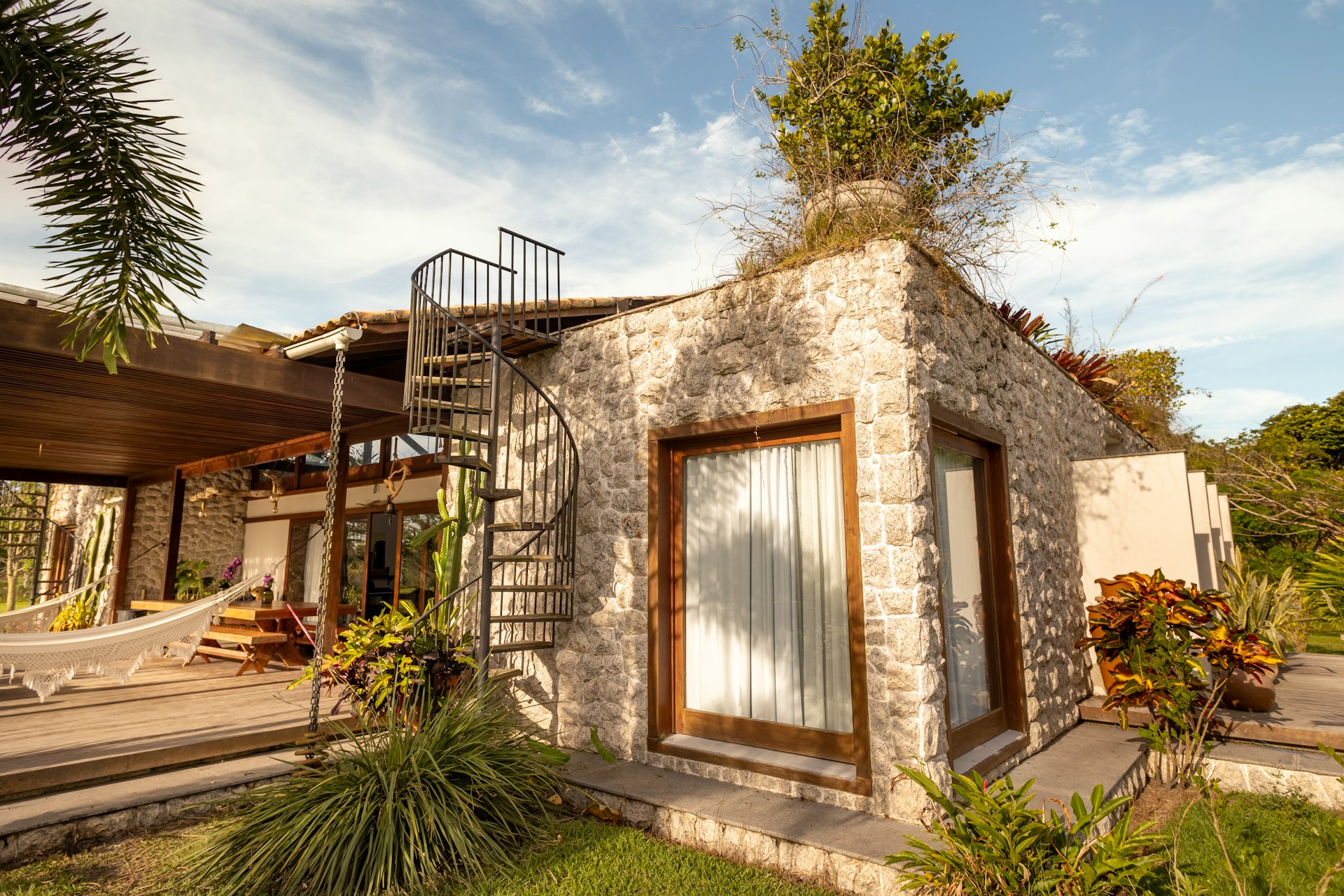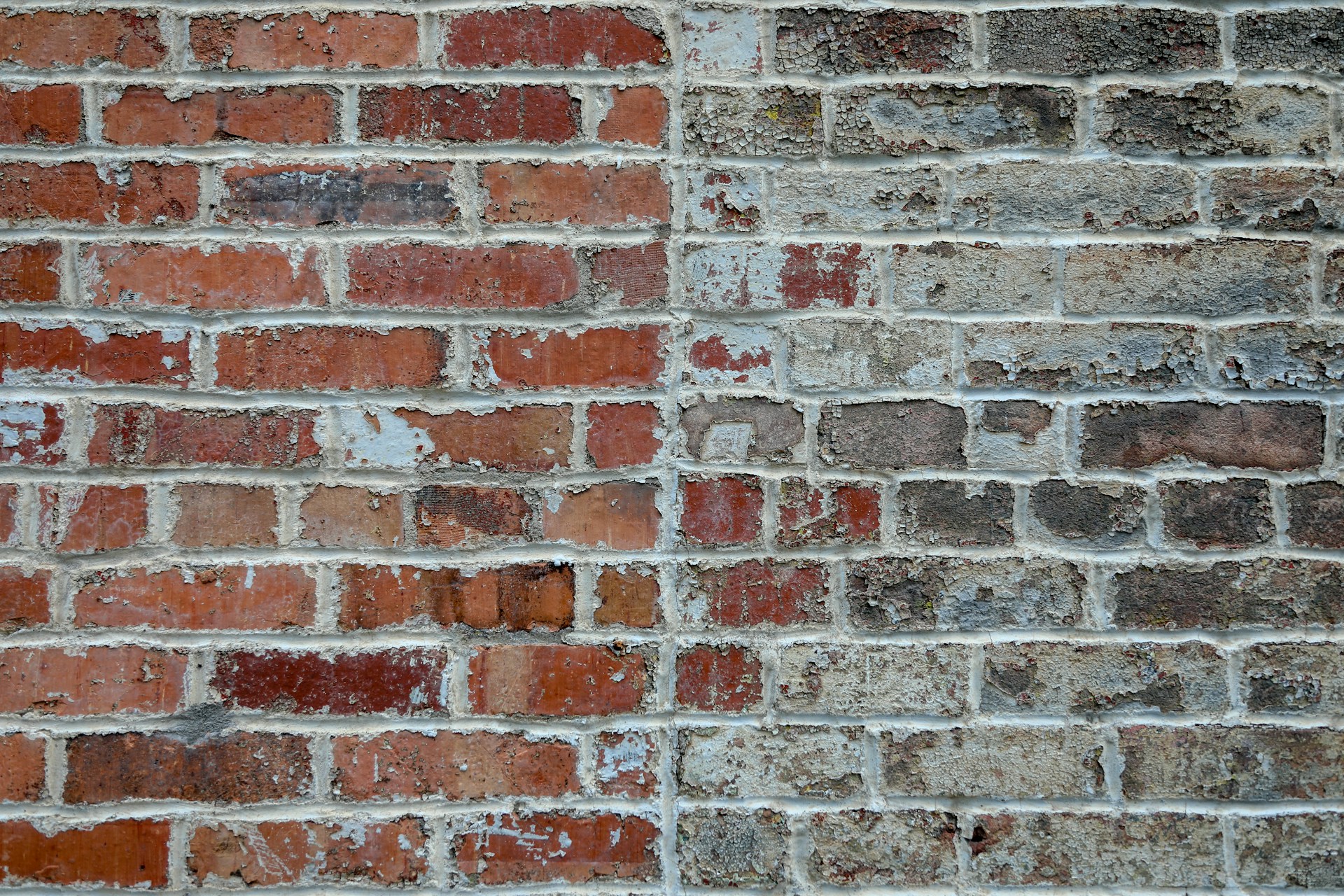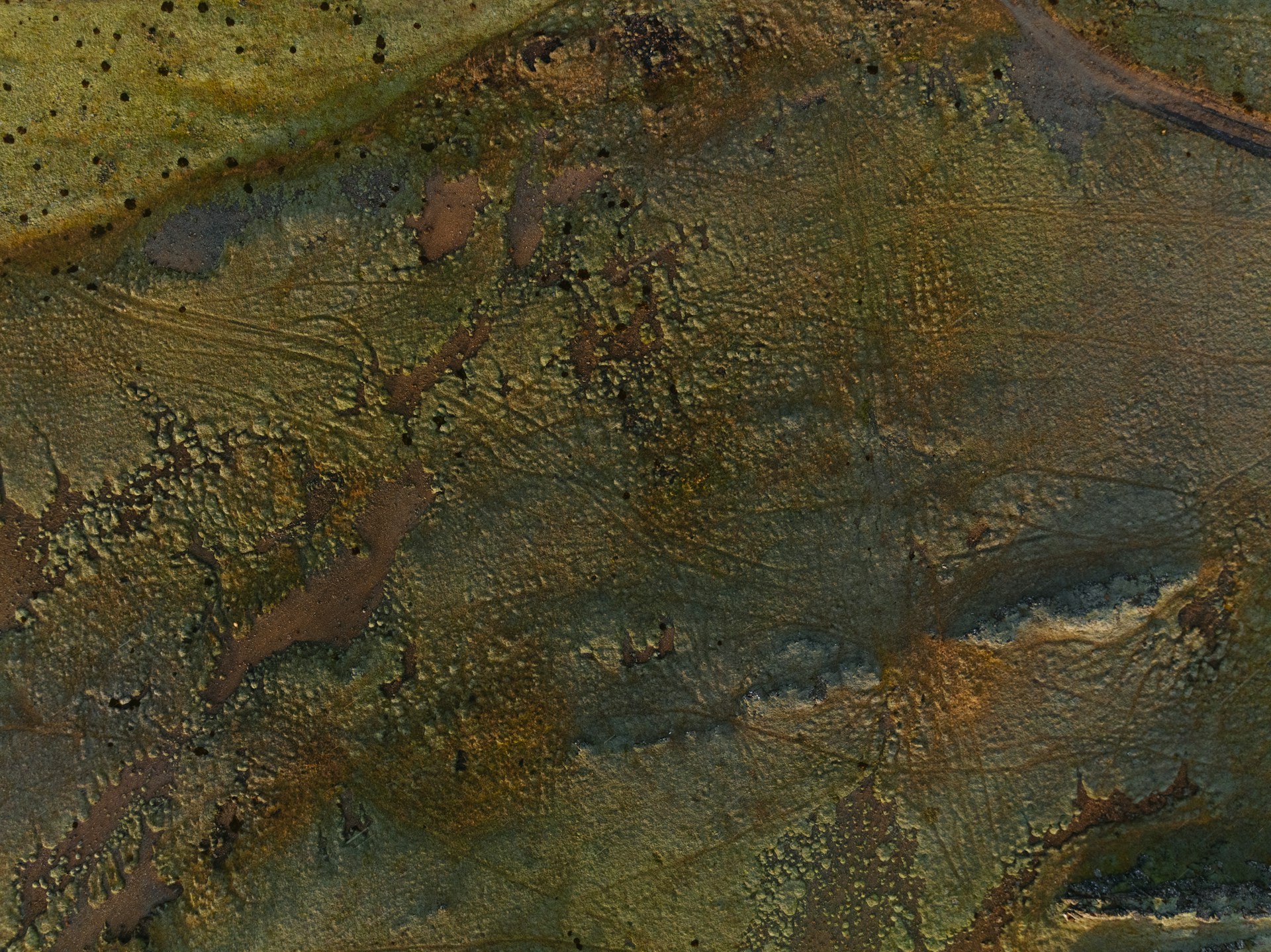
Patina gives architecture its soul. As metal, brick, and stone age, their surfaces shift—colors deepen, edges soften, textures evolve—and those changes reveal a building’s history in a way no new finish can. Patina shapes character by showing time, use, and material honesty, helping spaces feel grounded, authentic, and genuinely lived-in.
You feel it the moment you step into a room: reclaimed brick warming a kitchen wall, copper touched by sea air turning a soft green, or weathered stone anchoring a path with quiet permanence. These details tell a story—craft, climate, care—and they influence design choices from color palette to layout to whether something should be restored or replaced.
If you’re looking for materials that already carry these time-earned qualities, New Orleans Brick & Stone offers hand-selected reclaimed brick and stone with true, proven patina. In this guide, you’ll learn how patina forms, what’s worth preserving, and how to use aged materials to strengthen your project’s sense of place.
Patina in Architecture
Patina records time on materials, adding color, texture, and history. It forms through chemical change, wear, and environmental exposure—sometimes naturally, sometimes with a little help.
Patina is that thin surface layer you see on building materials after years of exposure. On copper and bronze, it starts off brown and can turn greenish as oxidation kicks in. Brick and stone pick up darker tones, salts, and softer edges from minerals and moisture. Wood darkens, hardens, or goes silvery gray after enough sun and rain.
Chemical reactions, microbes, and just good old physical wear all play a part. Pollution and salty air speed things up. Regular touch, foot traffic, or wind-blown grit shape the edges and show off the inner texture. Patina shows where a building’s actually been used and lived in, giving you visual clues about age and climate.
Natural Versus Artificial Patina
Natural patina grows slowly, reflecting real history. Bronze builds a protective layer, while some stones might flake if salts pile up. Natural patina usually brings subtle color shifts and uneven texture—there’s just something about it that feels right.
Artificial patina tries to mimic the look in a hurry. People use acids, heat, stains, or abrasives to darken metal or age brick faces. Artificial finishes give predictable results and save time. But honestly, they don’t always have the depth or staying power of true age. Sometimes you just need to fake it for a deadline, but if authenticity matters, real patina’s tough to beat.
Common Materials That Develop Patina
Metals:
- Copper and bronze shift to green or blue-green with oxidation.
- Steel rusts into those rich orange-brown tones when it gets wet.
Masonry and stone:
- Fired clay brick picks up darker, warmer colors and worn edges from weather.
- Limestone and marble get soft stains or black crusts in polluted air.
Wood and finishes:
- Exterior wood fades to gray or darkens with sun and moisture.
- Painted surfaces crack and peel, showing off old colors beneath.
Materials reclaimed by New Orleans Brick & Stone come with these authentic patinas. You can use that character to anchor a design or help new work blend right in with the old.
Patina: Shaping Architectural Character
Patina changes how a building feels, looks, and connects to history. It shapes color, texture, and how people relate to a place.
Cultural Significance of Patina
Patina ties your building to a story. Weathered brick, worn stone, and faded mortar show past use, repairs, and generations of care. That visible history helps people read a place as lived-in and meaningful.
You can use reclaimed materials to reinforce local tradition. Bringing century-old brick into a New Orleans home, for example, links your project to regional craft and the work of architects like A. Hays Town. Materials with patina carry cultural signals that new stuff just can’t pull off.
Patina also signals authenticity. Visitors and buyers often notice surfaces that look truly old, not just made to look old. That authenticity supports a stronger sense of place and can even bump up perceived value—no flashy ornament needed.
Aesthetic Appeal and Textural Effects
Patina creates layered color and subtle contrast you just can’t get with new materials. Bricks mellow from deep reds to soft ochres; mortar shows white flecks and shadow lines. Those little shifts catch light and make facades feel textured, not flat.
Tactile variation matters too. Rough brick edges, worn stone, and pitted surfaces invite touch and slow your eye as you look around. That rhythm of rough and smooth defines character across walls, walks, and fireplaces.
When you pick reclaimed materials, you’re choosing those textures on purpose. New Orleans Brick & Stone keeps pieces with varied patina so you can mix tones and textures for the exact look you want. Use mixed lots to avoid that cookie-cutter feel and get some real depth.
Patina and the Passage of Time
Patina records time in the built environment. It shows weather patterns, pollution, and human interaction—repairs, graffiti, all of it. That record helps you design with honesty—accepting age as part of beauty instead of hiding it.
In adaptive reuse, patina becomes a design tool. Keep a worn sill or a patched brick wall visible to show continuity between old and new. That approach helps people feel rooted and nods to the building’s lifecycle.
Maintenance choices shape future patina too. You can preserve existing wear with gentle cleaning or just let surfaces evolve. Both paths change how the building’s character develops over time.
Types of Patina and Their Visual Impact
Patina changes the look and feel of materials and guides design choices. It adds color, texture, and a sense of age that can strengthen a room, facade, or landscape.
Metallic Patinas in Architectural Design
Metallic patinas—verdigris on copper, rust on corten steel, darkened bronze—make bold focal points. Verdigris gives you those blue-green tones for roofs, gutters, and trim. Rusted corten brings a warm, earthy orange-brown that grounds exteriors and pops against glass or masonry.
Placement and maintenance matter. Exposed roofs and sculptures can take full patina; interior accents need sealed finishes to avoid stains. Metal patinas also change how light plays: shiny bronze glows warmly, while matte rust scatters light and emphasizes shape.
Try metallic patinas to highlight entries, frame windows, or define landscape edges. When paired with reclaimed brick or aged stone, they look intentional and storied, not just old.
Stone and Concrete Patinas
Stone and concrete pick up subtle patinas from weather, minerals, and even lichen. These marks deepen color and reveal a layered history. Bluish slate, ochre limestone streaks, and soft gray concrete patinas each shift a surface’s tone and weight.
Match patina type to style: clean, pale limewash suits refined classical work; rough, soot-darkened stone fits rustic facades or reclaimed paths. Patina on stone can show durability—century-old quarry blocks wear evenly and look strong.
When you use reclaimed stone, expect varied edges and tooling marks. Those quirks add visual depth and a lived-in look, especially with hand-selected historic brick.
Wood Surface Patina
Wood patina forms from sunlight, handling, finishes, and moisture. Sunlight fades reds to soft grays or honey tans; repeated touching darkens railings and sills; natural oils boost grain contrast. This patina makes wood feel warm and approachable.
You’ll need to decide whether to preserve, accelerate, or stabilize the patina. A light oil keeps color and texture lively; a clear sealer locks an aged look in place. Weathered siding with silver-gray patina can read coastal or historic, while brushed oak hits the mark for interiors wanting a lived-in feel.
Pairing reclaimed timbers with reclaimed brick or stone adds continuity. New Orleans Brick & Stone stocks materials that play well with aged wood to build a cohesive, historic vibe.
Why Use Patina Development
Patina can protect surfaces, add historic character, and change how materials age in different climates. You’ll weigh durability, environmental factors, and the upkeep needed to keep patina desirable or to control it.
Enhancing Durability and Protection
Patina often forms a thin surface layer that slows further decay on materials like copper, bronze, and old brick. On metals, a stable patina blocks oxygen and moisture, reducing corrosion. On reclaimed brick and stone, surface mineral changes can tighten pores and help prevent flaking.
You get longer service life from materials that develop the right patina. That cuts replacement costs and keeps the original fabric, which helps maintain historic value. But not every patina protects—some salt or sulfide deposits can actually speed up damage, so it’s worth checking the material’s story before assuming it’s safe.
Environmental Influences on Patina
Climate, pollution, and salt all shape how patina forms and how fast it develops. Coastal sites with salt spray create different patinas than urban spots with sulfur and nitrogen oxides. Rain, humidity, and temperature swings change chemical reactions on stone and metal.
Material history matters. Reclaimed brick and stone from older buildings bring built-in patina from decades of weathering, which might be exactly the vibe you want. If you’re specifying reclaimed materials, ask about their prior exposure so you can guess how they’ll behave and plan for protection or intentional aging.
Maintenance and Preservation Considerations
Deciding whether to preserve, remove, or encourage patina shapes your maintenance plan. Preservation usually means gentle cleaning, targeted consolidation, and skipping harsh chemicals that strip away good surface layers. For reclaimed masonry, mild cleaning and repointing with compatible mortar keep both integrity and looks.
If patina starts to threaten performance—salt efflorescence, active corrosion, or biological growth—you’ll need to step in with stronger measures like poulticing, corrosion inhibitors, or careful restoration. Work with suppliers who know reclaimed materials. New Orleans Brick & Stone can help you choose pieces with the right patina and advise on cleaning and sealing for long-term use.
Patina in Modern and Historic Architecture
Patina gives buildings a visible record of time, weather, and use. It shapes mood, material choice, and how people connect with a place.
Historic Examples and Case Studies
Take a look at 19th-century Southern homes with hand‑fired bricks and limestone sills. The bricks show soft reds, worn edges, and a warm patina that reflects decades of sun, rain, and human touch. Those surfaces anchor a sense of history you really feel walking up to the porch.
Public buildings and warehouses converted to housing often keep original brick walls and reclaimed stone flags. Retaining that patina honors craftsmanship and cuts waste compared with new materials. New Orleans Brick & Stone supplies hand‑selected reclaimed brick that matches these historic textures, making authentic restoration more straightforward.
Contemporary Uses in New Designs
You can use patinaed materials to add depth to clean, modern lines. Architects pair reclaimed brick or slate with glass and steel to soften stark façades and add visual warmth. The irregular surfaces catch light differently across the day, creating subtle shifts in color and shadow.
In interiors, patinaed brick behind a kitchen or fireplace becomes a focal wall that feels lived‑in, not staged. Using reclaimed stone or thin brick also speeds up project timelines when suppliers keep inventory ready, so you get authentic materials without long waits.
Design Strategies for Integrating Patina
Patina can guide your choices for materials and long-term maintenance. Pick materials that age the way you want and plan details that protect and highlight natural wear.
Material Selection for Desired Patina Effects
Pick materials that’ll actually give you the look you want. Reclaimed brick and stone? They’ve got rich texture and color that only decades of weathering can bring. If you’re after warm, aged reds and soft mortar lines, grab reclaimed brick. For layered color and those mineral streaks, reclaimed limestone or slate just works.
Check each piece for soundness and thickness before you buy—nobody wants a pile of chipped, cracked, or crumbling stuff. Watch for old mortar that might need a little stabilizing. Match the finish and size to your project. Thin brick veneers are great for interiors, while full brick or pavers hold up for walls and patios.
Decide how much contrast you’re comfortable with between new and old. Sometimes you’ll need a bit of new mortar or a replacement brick for safety, but don’t overdo it—history’s part of the charm. If you’re sourcing, places like New Orleans Brick & Stone offer hand-picked, tested reclaimed units that ship out quickly.
Architectural Planning and Patina Longevity
Design details really steer how patina shows up over time. Place eaves, drip edges, and flashing where they’ll guide water away—otherwise, you’ll get weird stains and uneven wear. The way you orient walls matters too. North-facing walls stay darker and get more lichen; south-facing surfaces lighten up and soften.
Choose mortar mixes and sealers with care. Lime-based mortars breathe and let historic masonry age naturally. Skip heavy-duty sealers on porous stone—they trap moisture and can make things worse. For busy areas, plan on gentle cleaning and the occasional spot repair instead of ripping everything out.
Keep notes about where you put certain materials and how to maintain them—future caretakers will thank you. Leave access points for inspections and easy swaps, so the work lasts and keeps its character.
Community Perception and Storytelling Through Patina
Patina’s the way buildings talk, if you ask me. Walk by a weathered brick wall or a darkened stone entry and you can almost feel the years—repairs, changes, all that care layered on. These marks? They’re little stories about who lived and worked there.
People connect to places that show their age. Neighbors point out a faded lintel or a mossy step and suddenly, you’re swapping stories about families, old businesses, or local trades. That’s how communities remember—and decide what matters for the future.
Patina shapes design choices, too. Reclaimed materials bring visible history, helping new work settle right into an old neighborhood. Hand-selected brick and stone keep that character, adding authenticity you just can’t fake.
Honestly, patina’s a conversation starter. A worn facade gets people talking, maybe even feeling proud. It can even teach—showing off old crafts and preservation skills, connecting younger builders to older ways.
If you’re sourcing, go for truly reclaimed stuff. New Orleans Brick & Stone has inventory with real weathering, ready to ship. Those genuine marks of age? They strengthen community ties and keep local stories alive.
Patina reminds us that architecture isn’t just built—it’s lived. Those softened edges, mineral streaks, and time-worn textures shape how we read a space and how we connect to it. Whether you’re restoring a historic home, adding character to a new build, or simply trying to bring more authenticity into your materials, patina can guide your choices and ground your design in something real.
If you want materials that already carry this depth and history, New Orleans Brick & Stone can help. We hand-select reclaimed brick and stone with true patina, curate each load for consistency and character, and ship quickly so your project stays on track. When you’re ready to bring honest, time-earned texture into your work, we’ll help you find the pieces that feel right for your design and your story.
Frequently Asked Questions
Patina adds color, texture, and those little signs of age that help people read a building’s history. It shapes appearance, durability, and how old and new materials fit together.
How does patina formation contribute to the character of historic buildings?
Patina records time. Weather, minerals, and use create layers that show off a building’s past and the local climate.
Those surface changes make bricks, stone, and metals look richer and more complex. You can often guess a building’s age or craft just by reading its patina.
What role does patina play in preserving or enhancing architectural heritage?
Patina can actually protect materials, forming stable layers that slow down decay. Conservators usually keep patina to preserve authenticity.
Reclaimed materials with original patina help repairs blend in with the old fabric. New Orleans Brick & Stone supplies hand-selected reclaimed brick that keeps that aged look for faithful restoration.
In what ways can the natural aging process of materials be considered an asset in architecture?
Aged materials give you a depth and sense of place that’s tough to fake. They link old and new work, making everything feel more connected.
Patina hides little flaws and lets repairs blend in, so you don’t have to keep patching things in an obvious way.
How do different materials like copper, leather, and wood develop patina, and what impact does that have on their aesthetic?
Copper turns green as it oxidizes, giving a soft, even color that signals age and resilience. Architects use it to highlight rooflines or accents.
Leather darkens and softens with use, making interiors feel warm and touchable. Wood grays or deepens in tone from sun and moisture, bringing out the grain and adding depth.
Can intentional patina application be used as a design strategy for contemporary architecture?
Absolutely. Designers can speed up patina with controlled exposure or chemical tricks to get a certain look fast. That lets you pair new structure with lived-in surfaces.
Just be careful—artificial aging needs to fit the context and the materials. When you get it right, you give new projects a grounded, historic vibe without pretending they’re older than they are.
How does patina affect our understanding and appreciation of architectural character?
Patina tells stories—layers of use, traces of care, evidence of local weather—so you end up reading buildings as living things, not just static objects. There's something about it that makes architecture feel trusted, maybe even a bit comforting.
When you pick materials that show real patina, you're bringing a kind of tactile and visual history right into the space. That move often stirs up a deeper emotional response and gives the place more aesthetic weight for everyone who walks through.