Reclaimed stone has a way of grounding a project - bringing history, texture, and quiet permanence that new materials simply can’t imitate. When architects choose reclaimed stone, they’re choosing character, sustainability, and a connection to the past that enriches modern design. Whether you’re shaping a facade, crafting a landscape feature, or building a home with true soul, reclaimed stone offers unmatched depth and authenticity.
In this guide, you’ll find practical sourcing strategies, design techniques, and standout architectural examples that reveal how old stone meets contemporary craftsmanship. If you’re exploring reclaimed materials for an upcoming project and need authentic, ready-to-ship options, New Orleans Brick & Stone can help you source hand-selected stone with confidence.
Why You Should Use Reclaimed Stone
Reclaimed stone delivers real gains for your projects: it cuts material waste, adds proven beauty and history, and can lower long-term costs. You get a durable material that also supports greener building choices.
Sustainability and Environmental Impact
Using reclaimed stone reduces the need for new quarrying, which lowers fuel use from extraction and transport and keeps large volumes of stone out of landfills. Choosing locally salvaged stone cuts shipping miles further and supports regional reuse networks.
Recycled construction with reclaimed stone helps meet green building standards like LEED by earning reuse credits. It also preserves landscapes and raw resources because the stone already exists in usable form. For projects aiming for a smaller carbon footprint, reclaimed stone directly reduces embodied energy in materials.
Aesthetic Value and Historical Character
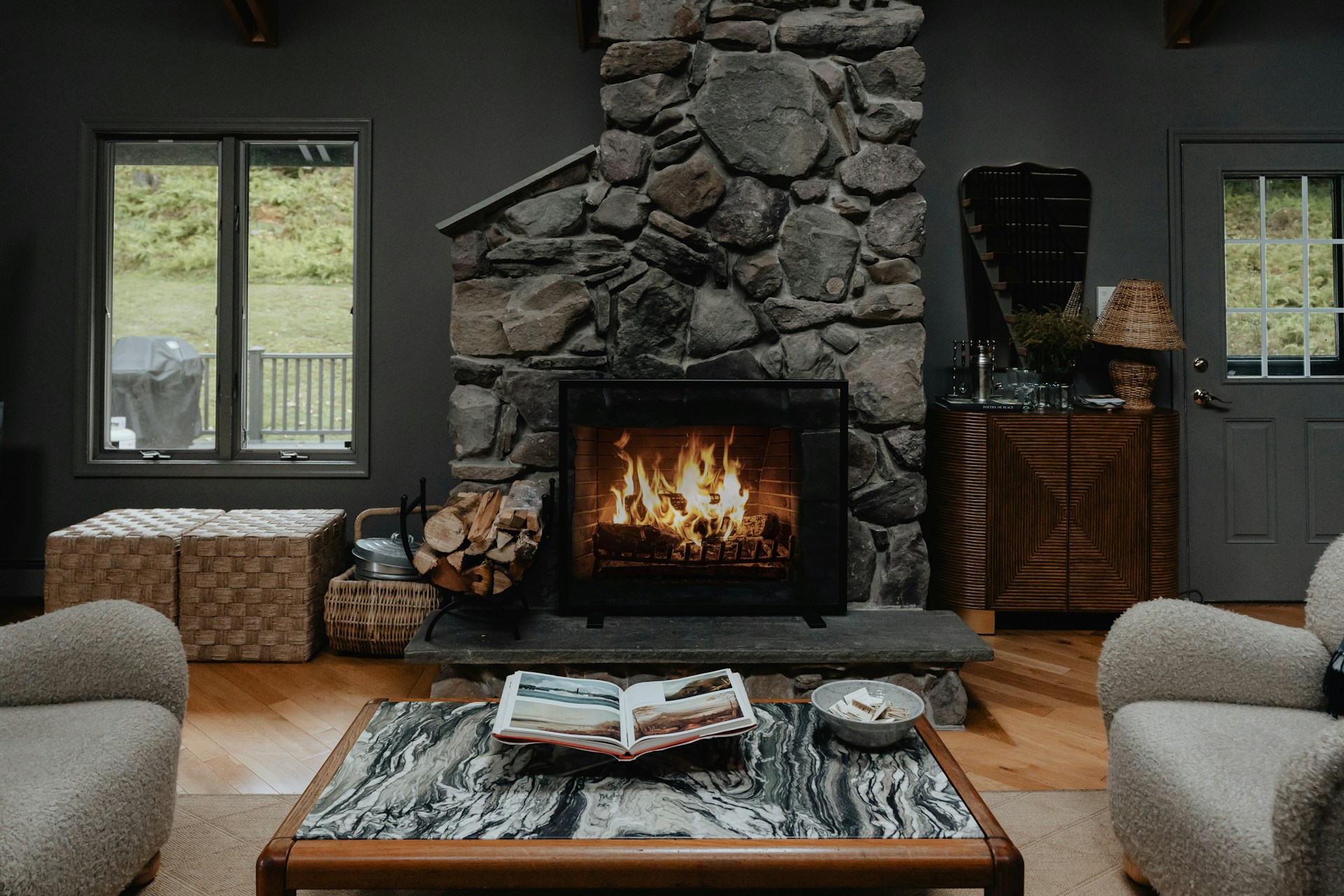
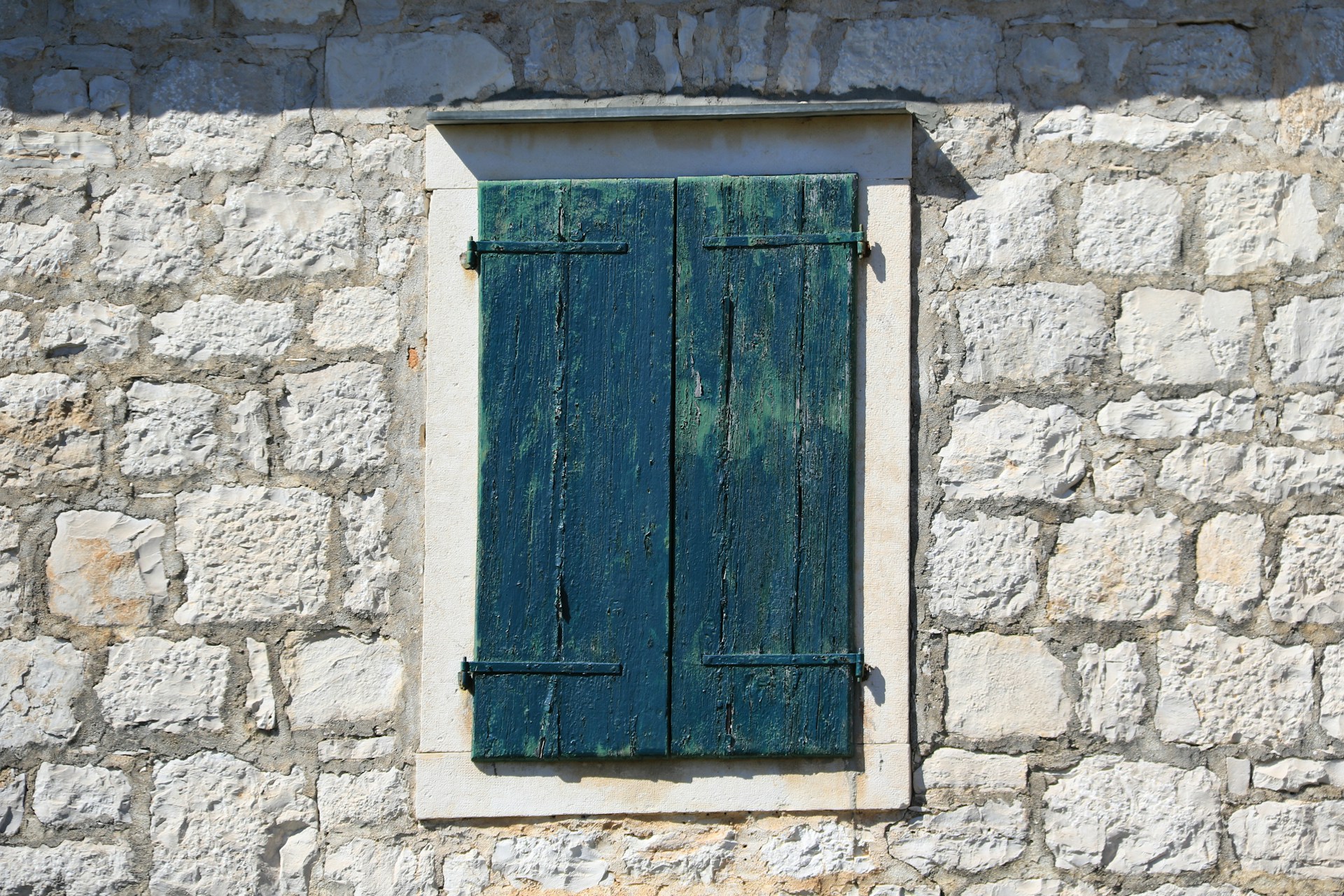
Reclaimed stone carries visible age—weathering, patina, and tooling marks that new stone can’t match. Use it for facades, accent walls, flooring, or landscape elements to add texture and a sense of place.
That historical character can tell a story about the site or region. Matching reclaimed stone to your design palette creates unique patterns and color variation that often become focal points. Much of the appeal comes from keeping original surfaces intact, though you can cut and refinish pieces as needed.
Cost Efficiency in Construction
Upfront costs for reclaimed stone can vary. Some pieces, especially rare or highly finished stone, command a premium. However, you often save on long-term maintenance and replacement because reclaimed stone is already proven to last decades or centuries.
Using reclaimed materials can reduce waste-handling and disposal fees on demolition sites. You may also qualify for tax incentives, reuse credits, or reduced permitting costs in some jurisdictions. Plan for skilled installation, since experienced masons speed fitment and prevent costly rework.
Innovative Architectural Projects with Reclaimed Stone
These projects demonstrate how reclaimed stone can shape structure, character, and sustainability. You’ll see examples that reuse local materials, cut waste, and create strong visual impact.
Showcase: La Fabrique
La Fabrique repurposes stone from nearby demolished buildings to rebuild thick load-bearing walls. Walls often reach 30–40 cm thick, boosting thermal mass and reducing heating needs in winter.
The design keeps original stone faces visible, giving rooms a textured, historic look. Reclaimed stone anchors new steel and glass elements, so modern additions sit lightly on a robust base. Construction teams sorted and matched stones on site to ensure consistent courses and bonding, lowering transport costs and preserving local character.
Showcase: Kamikatz Public House
Kamikatz Public House uses reclaimed stone in both structural walls and landscape work. Rough-hewn stones form the foundation and seating terraces, linking interior and exterior spaces.
The project emphasizes local sourcing: stones came from nearby ruins and old pavements, reducing embodied carbon. Inside, reclaimed stone frames service counters and hearths, giving public spaces a warm, tactile feel. Craftspeople left tool marks and irregular joints visible to celebrate the stones’ past lives.
Showcase: Manifesto Eco House
Manifesto Eco House blends reclaimed stone with timber and earth plaster to meet tight sustainability goals. A load-bearing stone core stabilizes temperature swings and reduces reliance on mechanical systems.
Stones salvaged from local farm buildings were retooled into clean, fitted blocks for precise courses. Interior design pairs stone walls with large south-facing glazing for passive solar gain, resulting in a quiet, low-energy home with a strong visual link to the region’s built heritage.
Showcase: Glass Chapel
Glass Chapel contrasts thin reclaimed-stone walls with full-height glass panels to highlight material history. Stone buttresses and a base plinth rise partway, then meet transparent facades.
Reclaimed stone provides mass and a grounded feel, while glass brings light and views. Stones taken from a centuries-old structure were cut for stability and placed to preserve original color variation. Nighttime lighting washes the stone, revealing texture and mortar patterns.
Design Strategies and Techniques
Here are practical ways to use reclaimed stone so it looks good, performs well, and pairs with other recycled materials. The focus is on facade work, mixed-material assemblies, and reusing whole elements from buildings and vehicles.
Creative Facade Solutions
Use reclaimed stone for cladding, veneer, or sculptural panels to give your building a durable, textured face. Choose stones with consistent thickness when possible for faster installation and reduced mortar use. For irregular stones, create a backing system—steel anchors or a ventilated rain-screen—to avoid heavy point-loading and keep moisture off the substrate.
Combine coursed ashlar or random rubble patterns depending on the look you want. Seal visible joints with flexible mortar to accommodate movement and reduce hairline cracks. Consider fastening recycled car windows or small glazing inserts into stone openings for daylight pockets, using stainless-steel frames and EPDM gaskets for protection.
Integrating Stone with Other Recycled Materials
Pair reclaimed stone with recycled wood, metal, or glass to create tactile contrast and lower embodied carbon. Anchor timber cladding onto a secondary framing system so the stone does not carry the load of the timber. Reclaimed timber works well as lintels, soffits, or shelves against stone walls.
When using recycled windows or sash elements, set them in reinforced stone reveals with compression gaskets to avoid stress on old glass. Recycled car windows can be shaped into small skylights or interior partitions; keep their glazing thin section supported by a secondary frame to meet code.
Detail transitions carefully. Use a moisture barrier and thermal break between stone and metal to prevent corrosion. Label each reclaimed piece during deconstruction to match color and grain during reassembly.
Adaptive Reuse in Modern Architecture
Reuse whole stone elements—archways, lintels, paving—directly in new designs to preserve history and save cost. Survey each piece for structural integrity and perform petrographic or compressive tests for load-bearing reuse. Non-structural stone can be repurposed as cladding, benches, or planters.
Design new connections that avoid drilling into fragile stones. Use saddles, stainless straps, or cradle supports to hold heavy blocks without damaging faces. For modern interiors, insert reclaimed stone as feature walls with hidden steel backing to meet seismic requirements.
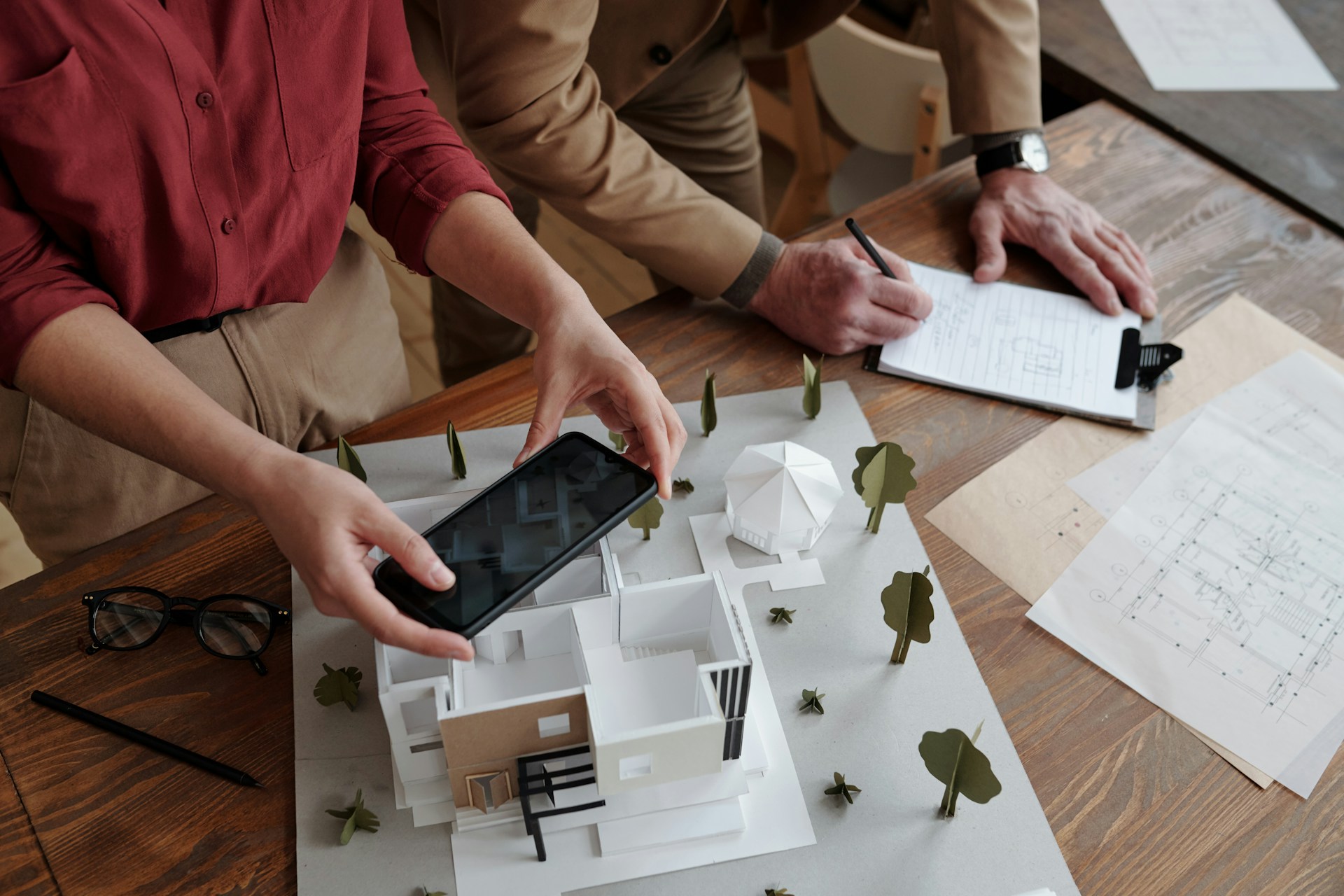
Plan logistics: tag stones, photograph orientations, and sketch placement during dismantling. This keeps reclaimed windows and salvaged stone aligned with your design intent and speeds on-site assembly.
Practical Considerations for Sourcing and Using Reclaimed Stone
You need durable, matched pieces, ethical sellers, and installers who know how to work with aged materials. Check condition, provenance, and compatibility before you buy to avoid delays and extra cost.
Selecting Quality Materials
Inspect pieces in person whenever possible. Look for cracks, previous repairs, and signs of moisture or salt damage. Tap stones; a clear ring usually means solid stone. Note variations in thickness and size so your project won’t need excessive cutting or filler.
Ask for sample pieces to test cleaning, sealing, and cutting. Record the stone type—limestone, granite, sandstone, or marble—and confirm its finish and load-bearing capacity for your application. Keep extra matching pieces for future repairs or expansion.
Sourcing Ethically and Locally
Buy from reputable suppliers who document origin and removal method. Ask for proof that stone was salvaged from demolition, a disused quarry, or an architectural salvage project. This reduces the risk of illegal or destructive sourcing.
Prioritize local or regional sources to cut transport costs and carbon emissions. Local vendors often have consistent batches and know the material history. Verify that sellers follow reuse standards and can supply enough matched material for your timeline.
Installation and Compatibility
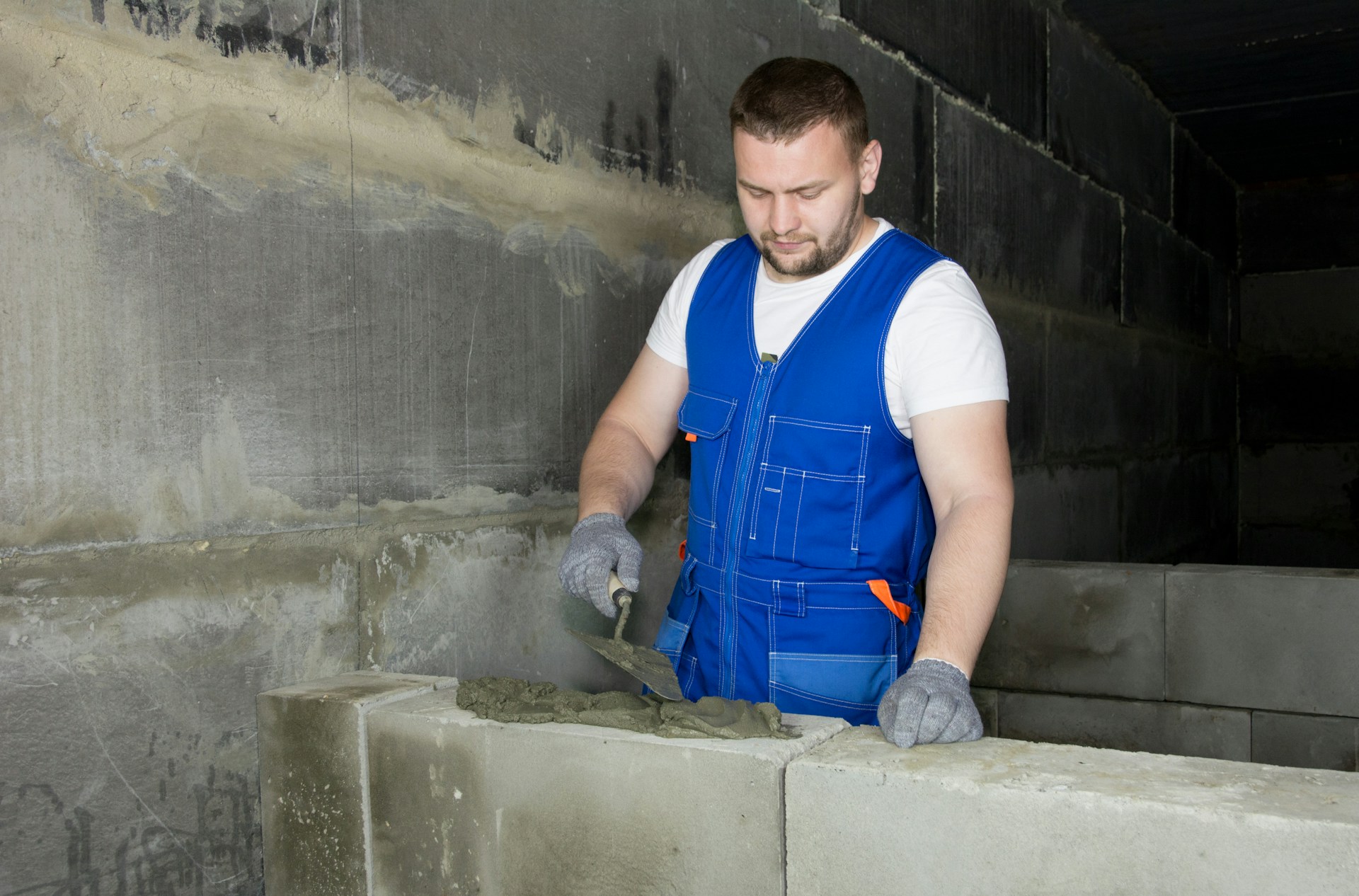
Hire contractors experienced with reclaimed stone. They accommodate size variation, irregular beds, and older mortar residues. Expect longer preparation time: cleaning, drying, and sorting take more effort than for new stone.
Plan substrate and anchoring systems for irregular thicknesses. Use lime-based mortars where appropriate to allow breathability and movement. Specify sealing and maintenance schedules based on stone type and exposure to weather or salts to preserve appearance and performance.
Noteworthy Global Examples of Reclaimed Materials in Architecture
These projects reuse waste in clear, measured ways. Each example shows a practical method for saving resources while maintaining strong design and function.
Bima Microlibrary
The Bima Microlibrary uses small, low-cost reclaimed items to create a public learning space. Its facade is made from stacked recycled ice cream buckets that form a patterned, light-filtering wall, reducing new material needs and giving the building a playful, local character.
Inside, the structure packs shelves, seating, and children's areas into a compact footprint. The buckets and other reclaimed plastic pieces are fixed into modular panels, making repairs and future changes simple for the community.
Designers treated and secured the plastics to resist weather and wear, showing how reclaimed materials can meet safety and durability needs. This model works well for small community projects that need low cost and high visibility.
Rural Studio
Rural Studio teaches practical reuse on a larger scale. Based in Alabama, this design-build program has students repurpose bricks, timber, and reclaimed windows for affordable homes and community buildings. Salvaged masonry appears in load-bearing walls and decorative facades throughout their projects.
Their process starts with local material surveys so students can match reclaimed items to structural needs, lowering costs and cutting transport emissions. Rural Studio also documents construction methods clearly, offering step-by-step techniques for cleaning, testing, and installing reclaimed stone and brick.
The program emphasizes performance: recycled components are adapted to meet code, insulation, and moisture control. This approach shows how education and hands-on work produce safe, beautiful buildings.
paacademy
paacademy operates as a practical training hub focused on craft and reuse in architecture. Workshops train builders to identify, prepare, and install reclaimed stone, brick, and metal, teaching stone cleaning, mortar matching, and fitting irregular units into new walls.
Projects led by paacademy often partner with local reclamation yards to source materials for public work, creating jobs and keeping heritage materials in use rather than landfilled. Their methods apply to restoring old facades or constructing new elements that carry historical character.
The academy stresses documentation: catalogs of reclaimed pieces, photos, and notes help plan and match materials for projects. Learning their techniques gives you practical skills to incorporate reclaimed stone and other recycled materials into reliable, attractive architecture.
Choosing reclaimed stone is more than a design decision. It is a commitment to authenticity, craftsmanship, and the stories carried within each piece. When thoughtfully sourced and skillfully installed, reclaimed stone can transform a project with texture, character, and a sense of heritage that grows richer with time.
If you are planning a new build or an adaptive reuse project and want materials that are ready when you are, our team at New Orleans Brick & Stone can help you source hand-selected reclaimed stone with confidence. Reach out to start a conversation and get your materials moving within 48 hours.
Frequently Asked Questions
This section gives clear, practical answers on using reclaimed stone. You’ll find tactics for eco-friendly installation, ways to check and strengthen structure, sourcing tips, project examples, cost and schedule impacts, and common problems with fixes.
What are some environmentally friendly methods for incorporating reclaimed stone into modern construction?
Salvage stone from deconstructed buildings to avoid new quarrying. Reuse façade blocks, flooring slabs, and lintels to lower embodied carbon.
Choose local reclaimed sources to cut transport emissions. Repoint with lime mortar and use breathable seals to extend life without harmful chemicals.
Plan designs around existing sizes to reduce cutting waste. Combine reclaimed stone with recycled insulation and energy-saving systems for better overall sustainability.
Can you suggest ways to ensure the structural integrity when using reclaimed stone in new architectural designs?
Have a structural engineer test representative stones for compressive strength and porosity. Use those results to size supports and calculate loads.
Reinforce old stone walls with stainless steel anchors, concealed steel frames, or grout-in rods where needed. Tie new masonry to existing fabric with through-bolts and flexible joints.
Install a modern structural backup, such as a concrete or steel frame, behind exposed reclaimed stone on façades. This approach maintains the desired appearance while meeting code and seismic requirements.
What are the best practices for sourcing and preparing reclaimed stone for construction purposes?
Inspect each batch for cracks, weathering, salt damage, and biological growth. Reject material with deep fractures or active decay.
Track provenance and any treatments applied. Ask sellers for dismantling records and, if possible, lab test results for contaminants or salt content.
Clean stones gently with low-pressure water and soft brushes. Allow them to dry and acclimate on-site, and cut or dress only what is needed to preserve patina and reduce waste. Learn more about stone cleaning methods.
Could you provide examples of successful projects that have utilized reclaimed stone innovatively?
A renovated town hall used salvaged limestone for a new public plaza, matching original masonry while lowering material costs. The team reused original coping stones for stairs and curbs.
A private home integrated reclaimed granite slabs as kitchen counters and landscape steps, combining modern steel elements with old stone for contrast. See examples of residential stone reuse.
A commercial retrofit retained an industrial building’s stone ground floor, adding a glass box above. Engineers tied the old masonry to a new steel frame for safety and visual continuity. Explore more adaptive reuse projects.
How does the use of reclaimed stone impact the cost and timeline of an architectural project?
Material costs can be lower, but expect higher labour and restoration expenses. Skilled masons and extra site time for sorting add to the budget.
Sourcing delays are common. If specific sizes or colors matter, allow extra time to find and test appropriate stone. Read about sourcing challenges.
Factor in testing, transportation, and careful storage when planning the schedule. Early procurement and flexible design help reduce surprises and schedule slips.
What are some challenges one might face while working with reclaimed stone, and how can they be overcome?
Irregular sizes and hidden defects increase fitting time. Design with variable modules and keep a small stockpile for matching to address this issue.
Contamination or salt damage can cause long-term failure. Run lab tests, avoid high-salt pieces in damp locations, and use compatible mortars.
Regulatory or documentation gaps may block reuse. Maintain clear records of source, tests, and engineer approvals to satisfy building officials and insurers.