Restoring old brickwork is a careful balance of preserving history and ensuring long term durability. Success starts with understanding what you already have, because older bricks vary widely in size, color, and wear. Matching those traits matters far more than finding something new and shiny. With the right approach, you can honor the original craftsmanship while giving the masonry the strength it needs for decades ahead.
In this guide, you will learn how to assess old bricks, clean and prepare them safely, choose compatible mortars, and select the right restoration techniques for your project. You will also find practical advice on sourcing reclaimed bricks that blend seamlessly with historic masonry. And if you need matched reclaimed brick for an upcoming restoration, our team at New Orleans Brick & Stone is here to help you find the right materials with confidence.
Understanding Old Bricks for Restoration
Old bricks vary in size, shape, color, and strength. You need to spot physical traits, common damage, and the advantages of using reclaimed bricks before you start work.
What Makes Old Bricks Unique
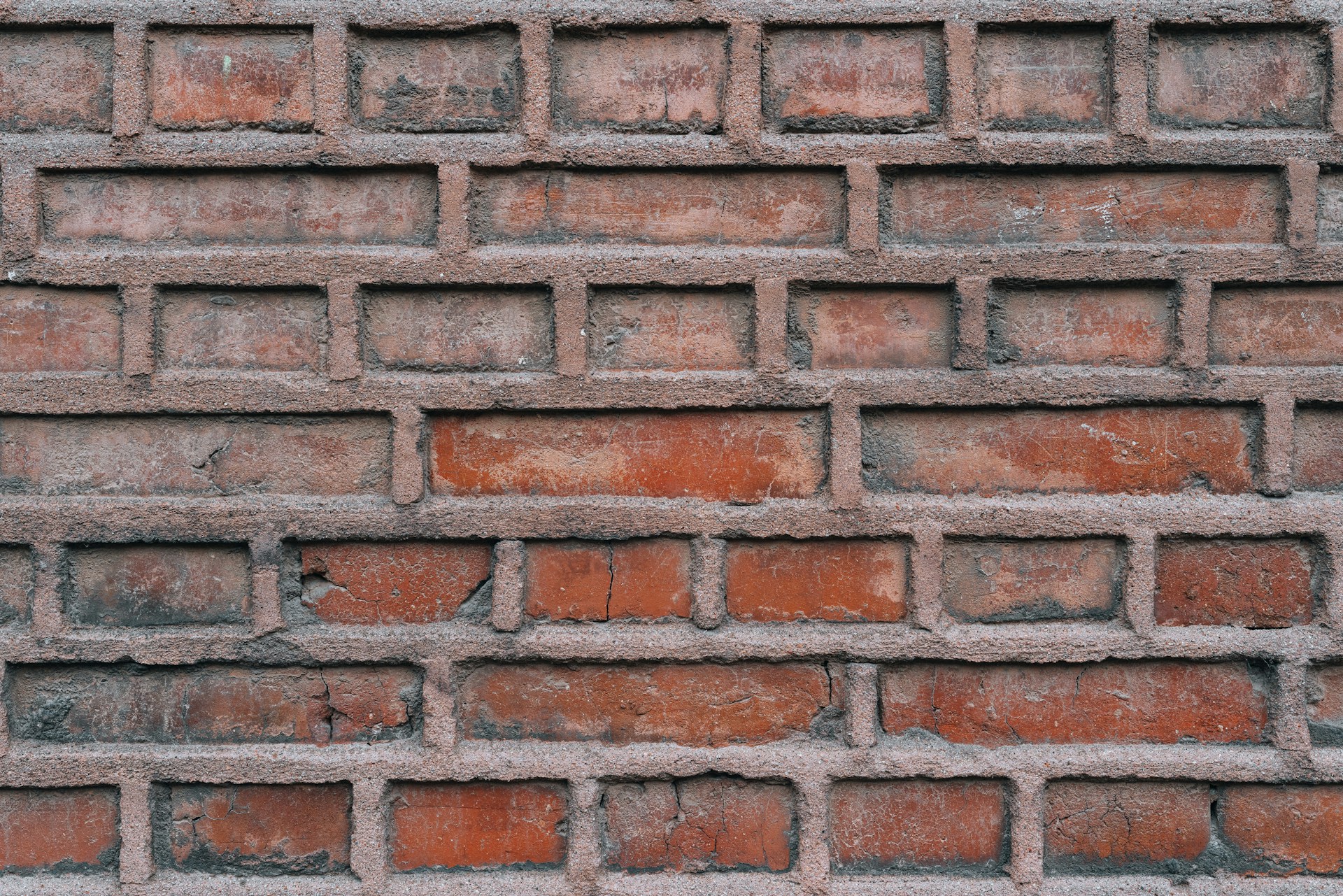
Craftsmen often made old bricks by hand or fired them in small batches, so they show irregular edges, varied colors, and uneven faces. Expect sizes that differ from modern modular bricks and surface textures reflecting local clay and firing methods from decades ago.
These bricks usually have a hard outer "fire skin" and a softer interior. That gives them an aged look but can also make them fragile if the interior has degraded. Mortar joints from earlier eras are typically softer and more porous than modern mixes.
Match new materials to these traits. Use mortar with similar compressive strength and porosity, and source reclaimed bricks that match in color and texture to keep repairs invisible.
Common Issues with Aged Brickwork
Water damage appears as spalling, salt deposits (efflorescence), and crumbling surfaces. Look for vertical cracks that may indicate settlement, and horizontal cracks that can point to freeze-thaw cycles. Check for biological growth in shaded areas; moss and lichen trap moisture against the brick.
Mortar loss is common; joints may be eroded or missing, allowing water to reach the brick cores and accelerate decay. Incompatible repairs from hard modern cement can cause softer historic bricks to crack or flake.
Evaluate bricks individually. Note which can be repointed, which can be cleaned gently, and which need replacement with matched reclaimed bricks.
Benefits of Using Reclaimed Bricks
Reclaimed bricks come from demolished buildings and match old masonry better than new stock. You get authentic color variation, original sizing, and existing fire-skin texture that blends with your structure, making repairs less visible.
They also reduce the need to alter original masonry. Using reclaimed bricks lowers the chance of creating new stress points from mismatched materials and is more environmentally friendly, since they reuse existing materials and cut manufacturing demand.
When you choose reclaimed bricks, sort them by size, color, and condition. Test a few in place to confirm fit and appearance before committing to large sections of work.
Assessing and Preparing Old Bricks
Check each brick, note damage, and remove loose dirt or coatings before doing repairs. Focus on matching materials and locating structural problems so repairs last and the building keeps its historic character.
Inspection and Documentation
Start with a close visual scan of every wall face. Note cracked, spalled, or missing bricks and mark their locations on a simple sketch or photo map.
Take clear photos of areas showing efflorescence, bulging, or mortar loss. Record brick size, color, texture, and any maker’s marks. These details help you match replacements and choose the right mortar.
Measure joint width and existing mortar hardness with a small chisel or scratch test. Keep a log of patterns (e.g., Flemish bond) and any previous repairs. This documentation guides repointing and lets you track changes over time.
Cleaning and Surface Preparation
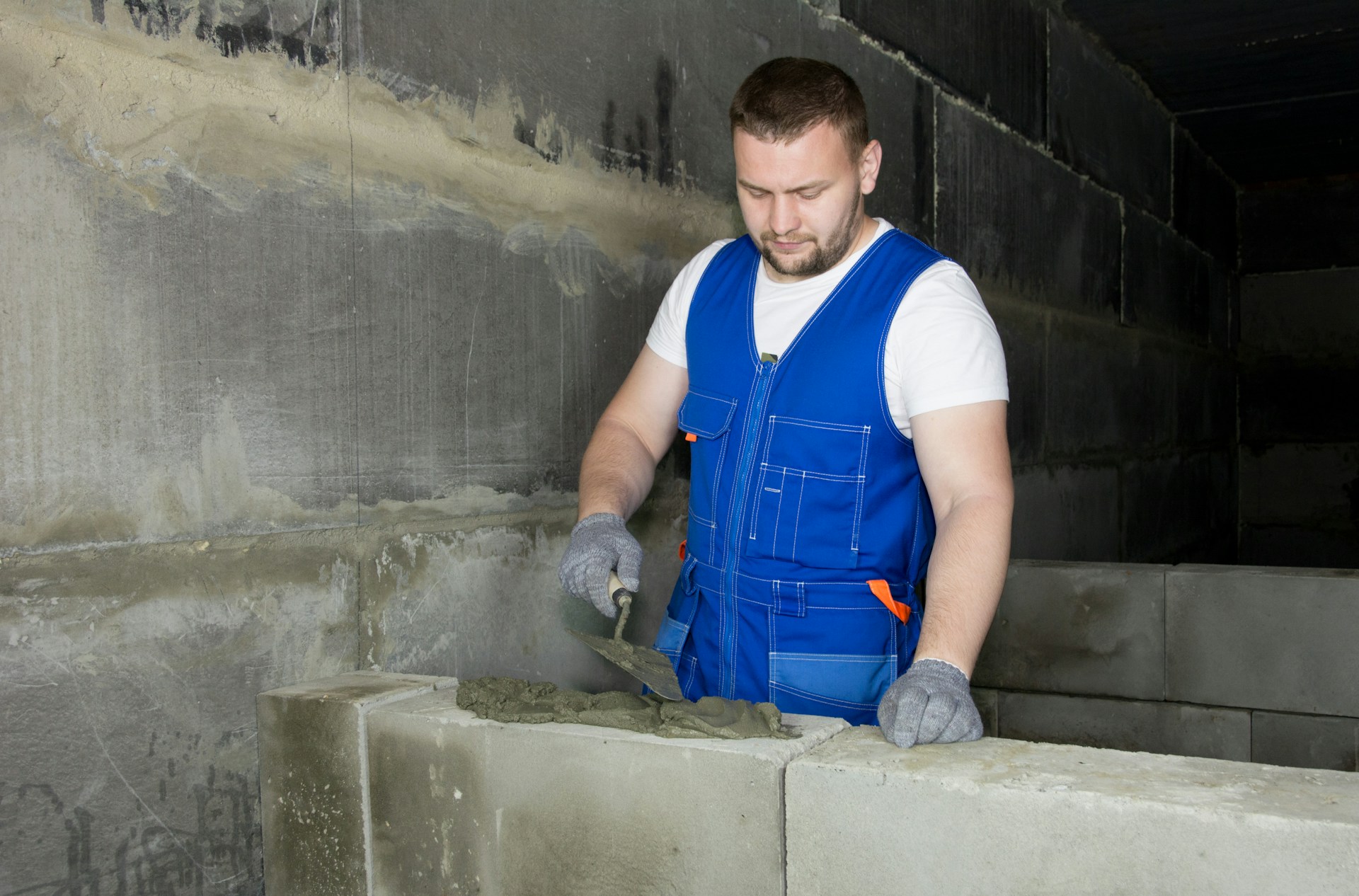
Test-clean a small, hidden area first to avoid damage. Use mild soap and water with a natural-bristle brush; avoid high-pressure washers and sandblasting that can strip the brick surface.
Remove loose mortar and dirt with hand tools only—wood or plastic chisels and brushes work best. For stubborn stains, use a diluted, pH-neutral cleaner made for masonry and rinse thoroughly.
After cleaning, let the bricks dry fully—typically 48–72 hours in dry weather. Dry bricks reveal hidden cracks and allow accurate mortar tests and sample matches for restoration.
Identifying Structural Concerns
Look for bulging walls, horizontal cracks, or mortar that falls out when probed. These signs point to movement, moisture issues, or failing ties that need professional attention.
Check the foundation level and roofline nearby. Water entry from gutter failures or rising damp will accelerate brick decay and must be fixed before repointing or replacing bricks.
If you find major cracks, shifting, or widespread spalling, contact a structural mason or engineer to assess the cause. Treating the root problem first prevents repeated repairs and protects the historic fabric during brick restoration.
Techniques for Restoring Old Brickwork
Focus on careful mortar work, targeted brick repairs, and advanced methods that protect the masonry while matching historic materials. Each technique aims to keep as much original brick as possible and use compatible materials.
Repointing and Mortar Replacement
Repointing fixes failing mortar joints that let water into the wall. Test the old mortar to match composition and color; many historic mortars are lime-based and softer than modern Portland mixes. Remove damaged mortar by hand tools to a depth of 2–3 times the joint width; avoid power grinders that can chip brick faces.
Mix a mortar that matches strength and porosity to help the bricks shed water properly. Use a pointing trowel to pack mortar tightly, then tool joints to the original profile. Cure the new mortar slowly—keep it moist for several days in warm weather—to prevent cracking. For large jobs, sample a few joints first so you can adjust color and workability before repointing the whole wall.
Brick Repair Methods
Repair rather than replace when bricks have surface damage or minor spalling. For hairline cracks, use a compatible lime mortar or a micro-mortar applied with a syringe or brush-injection to bond the crack without changing appearance. For broken edges, use a patching mortar that matches texture and color; apply thin layers and sculpt to match the original face.
When bricks are beyond repair, source reclaimed bricks that match size, color, and texture. Test-fit replacements and lay them with matching mortar and joint profile. Use through-bonding only where needed for structural strength. Avoid cement-based patching or coatings that are harder than the bricks, as they can trap moisture and cause further decay.
Advanced Restoration Techniques
Use low-pressure steam cleaning and mild detergents for deep cleaning without harming the fire-skin of historic bricks. Always test a small area first. Consider lime-based consolidants for very friable faces; apply sparingly and only after lab testing to ensure compatibility.
For structural issues, insert stainless-steel reinforcement like helical bars into mortar beds to stabilize cracks without removing bricks. When color matching is critical, have custom bricks fired by a specialist or use mortar tinting and selective replacement to blend new units. Work with a masonry restoration specialist for complex jobs to meet preservation standards and avoid damaging original materials.
Sourcing and Matching Reclaimed Bricks
Learn where to find real reclaimed bricks, how to match color and surface, and when to use custom replication. This helps you keep a building’s look and meet structural needs.
Finding Authentic Reclaimed Bricks
Look for local salvage yards, demolition contractors, and architectural salvage firms that list brick inventories by era or source building. Ask for photos, batch dimensions, and proof of origin so you can confirm the bricks match your structure’s period.
Inspect samples in person when possible. Check for consistent size, fired surface, and signs of previous mortar. Note hardness and any hairline cracks—these affect reuse and cutting.
Plan quantities with waste allowance (typically 5–15%). If a single source won’t cover your need, gather several lots that visually blend. Arrange delivery with palletized stacking and protective wrapping to avoid damage.
Matching Brick Color and Texture
Start by cleaning a small sample area of your wall to see true color and texture. Take daylight photos and a physical sample to suppliers for direct comparison.
Match on three points: color range, surface texture (smooth, wire-cut, or heavily weathered), and dimensional tolerance (length/height variation). Use a swatch board with several candidate bricks placed next to your sample under natural light.
If mortar joint appearance matters, match mortar color and joint profile too. Test a small patch to confirm visual fit before ordering large quantities.
Custom Brick Replication
When reclaimed stock is insufficient, work with manufacturers who can press or extrude bricks to match your sample. Provide detailed specs: exact dimensions, surface profile, and a physical color sample for firing tests.
Expect prototype samples and small test batches. Review porosity and compressive strength data if the wall is structural. For visible restoration, specify slight surface aging or color variation so new bricks blend with reclaimed ones.
Price custom runs against sourcing more reclaimed material. Sometimes combining a reclaimed face with new backing bricks offers cost and performance benefits for brick replacement projects.
Best Practices in Historical Brick Restoration
Keep original material, use mortar and bricks that match the old ones, and do the smallest effective repair. Test before you act, document everything, and hire a specialist for complex issues.
Preserving Heritage and Authenticity
Aim to keep as much original brick and mortar as possible. Repair rather than replace when mortar is cracked or loose but the brick remains sound. Replace bricks only when they are crumbling, deeply spalled, or structurally unsafe.
Document the wall before work. Take photos, note mortar profiles and joint widths, and sample old mortar for lab analysis. This record helps match materials later and supports permits for historic restoration.
Avoid abrasive cleaning like sandblasting or high‑pressure washing. Use mild detergent, soft brushes, and patch tests on small areas. If you must replace bricks, source reclaimed or custom-made units that match size, color, and texture.
Choosing Compatible Materials
Match mortar strength and composition to the original. Most old masonry used lime-based mortars that are softer and more breathable than modern cement mortars. Using a hard Portland mortar can crack the bricks over time.
Have the original mortar tested for lime/cement ratio, sand type, and color. Use a mix that mimics those properties. Match joint profile and finish — flush, struck, or recessed — so repairs blend visually and behave similarly with moisture.
When sourcing replacement bricks, check for porosity, size variation, and surface texture. Reclaimed bricks from the same era are best. If you use new manufactured bricks, ask the maker for low‑firing, hand‑formed options and test them in a small patch first.
Principles of Minimal Intervention
Do only what the masonry needs. Minimal intervention keeps historic fabric intact and reduces future problems. Start with the least invasive fix and stop when the problem is solved.
Use hand tools for repointing and small repairs. Power tools can chip or overcut historic faces. Remove loose mortar by hand to the proper depth, then pack compatible mortar in thin layers to avoid shrinkage cracks.
Address root causes like leaking gutters or failing flashing before masonry work. Fixing moisture sources prevents repeat damage and preserves your repairs. Keep records of every change so future caretakers understand what you did and why.
Restoring old brickwork is ultimately about respect for the craftsmanship that came before you. With careful assessment, compatible materials, and thoughtful repair methods, you can preserve historic character while giving the structure the strength it needs for the future. The right bricks and the right techniques make all the difference, especially when you want the finished work to look seamless and age naturally over time.
If you are preparing for a restoration project and need reclaimed bricks that truly match in color, size, and texture, our team at New Orleans Brick & Stone is here to help. We can guide you through options, provide samples, and get materials shipped quickly so your restoration is both authentic and dependable.
Frequently Asked Questions
This section gives clear, practical answers on sourcing, pricing, buyers, mortar matching, asbestos risks, and low‑cost options. You’ll find steps you can take, typical costs, and places to check.
How can I find reclaimed bricks for a restoration project?
Check local demolition sites, salvage yards, and architectural salvage shops first. Call ahead and ask about sizes, quantities, and delivery.
Search online marketplaces and specialty reclaimed-brick suppliers for matched batches. Use photos and measurements to confirm color and size before buying.
Contact contractors or historic‑preservation groups; they often know where to source consistent, older bricks. Join local Facebook groups or community forums where builders trade materials.
What should I expect to pay for historic bricks?
Prices vary by rarity, condition, and match quality. Expect $0.50–$3 per brick for common reclaimed units and $3–$10 or more for rare or custom-matched bricks.
Factor in freight and sorting costs when bricks come in mixed lots. Budget extra for matching, testing, and any cleaning or repair work.
Who might be interested in purchasing used bricks?
Salvage yards and reclaimed-material dealers buy whole, clean batches. They look for consistent color and minimal damage.
Contractors, homeowners doing restoration, and landscape designers also buy used bricks for walls, paths, and features. Post clear photos, counts, and delivery options when you sell.
How do I identify the right type of mortar for vintage brickwork?
A lab or experienced mason can test a sample to determine the existing mortar’s composition. These tests reveal lime content and compressive strength, making it possible to match the original mix.
Match mortar softness to the brick; older bricks usually need softer, more porous mortar (often lime-based). Replicate joint profile and color for visual and structural compatibility.
What precautions should I take when using old bricks that may contain asbestos?
Don’t assume bricks contain asbestos; the risk is typically in old insulating materials, not clay bricks. If you suspect asbestos, stop work and get a certified asbestos survey.
If asbestos is present, hire licensed abatement professionals to remove contaminated materials. Follow local regulations for handling and disposal.
Where can I find free or affordable used bricks for landscaping or construction?
Check local demolition crews, Craigslist, Freecycle, and Facebook Marketplace for free pickup offers. Builders sometimes give away bricks from teardown projects.
Visit municipal transfer stations or reuse centers that sell surplus building materials at low cost. Offer to sort and load bricks yourself to keep prices down. For more options, explore Habitat for Humanity ReStores or contact local salvage yards to inquire about available bricks.