Reclaimed Bath stone brings a warm, lived-in beauty that instantly anchors a project in history. Its soft honey tones, subtle patina, and long proven durability make it a powerful choice for floors, walls, architectural details, and conservation work. When you choose reclaimed Bath stone, you preserve original craftsmanship, reduce the need for new quarrying, and introduce a natural texture that feels at home in both traditional and contemporary spaces.
In this guide, you will learn what reclaimed Bath stone is, how it is sourced, and the practical ways it can be used in your home or project. You will also find clear advice on quality, sizing, installation, and selecting the right pieces for long lasting results. And if you need help sourcing authentic reclaimed stone you can trust, our team at New Orleans Brick & Stone is here to guide you through options and ship materials quickly when your project needs them.
What Is Reclaimed Bath Stone?
Reclaimed Bath stone is salvaged, cut limestone that once formed walls, facades, and paving in historic buildings. It brings aged character, a warm honey color, and proven durability into new projects while reducing waste and the need for new quarrying.
Reclaimed Bath stone comes from old buildings, terraces, and civic structures primarily in and around Bath, England. You’ll often find it removed during renovation or demolition of Georgian and Victorian properties. Masons originally quarried it from the Combe Down and Bathampton Down beds. Over decades, craftsmen shaped it into ashlar blocks, dressings, and window surrounds used in traditional building materials across the city.
When you buy reclaimed pieces, you get stone that has been on buildings for 100–250 years. That history shows in weathering, surface patina, and old tool marks. Salvage yards clean and grade the stone so you can match it to new work or create an authentic period repair.
Why Reclaimed Bath Stone?
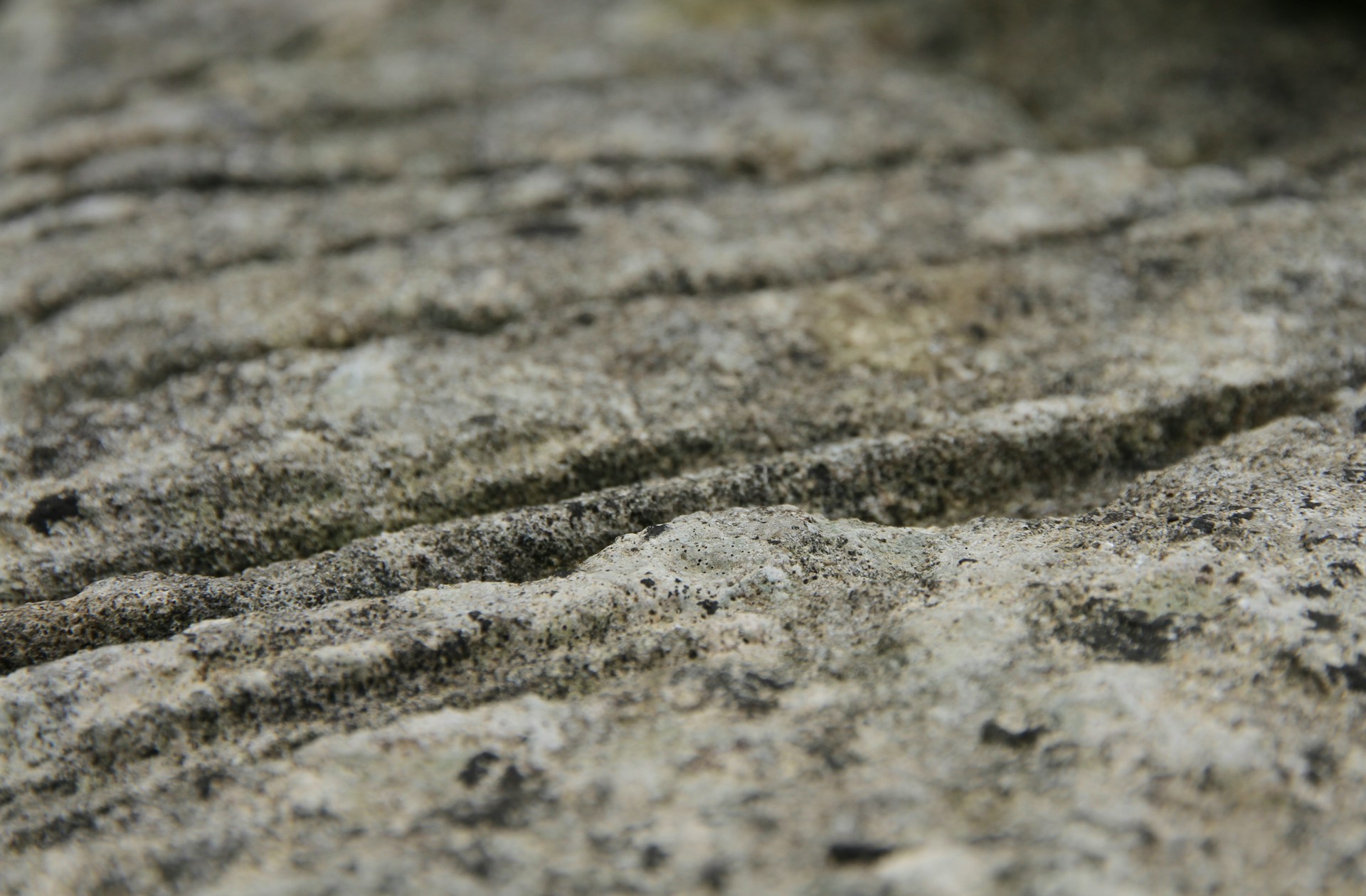
Bath stone is a fine-grained oolitic limestone with a warm, creamy to honey color. Reclaimed pieces retain the same mineral makeup but show signs of age: softened edges, small surface pitting, and color variation from long-term exposure. These traits make it visually richer than fresh-cut stone.
You’ll find the stone is still workable. Masons can dress, cut, and pin it for structural or decorative uses. It performs well as ashlar, lintels, paving, and interior features. Because it has settled in place for decades, reclaimed Bath stone often has proven compressive strength suitable for many repair and conservation tasks.
What’s The Difference From New Bath Stone
New Bath stone is quarried and freshly dressed, so it looks uniform, crisp, and lighter in color. Reclaimed stone shows weathering, old mortar traces, and a patina that new stone lacks. If you want exact matches for historic restoration, reclaimed pieces often blend better than new stone.
Cost can differ. Reclaimed material may be cheaper per unit but requires inspection, cleaning, and possible cutting, which adds labour. New stone gives predictable dimensions and fresh material warranties, while reclaimed stone gives character and sustainability benefits you don’t get from newly quarried blocks.
Sourcing and Reclamation of Bath Stone
You will learn where Bath stone comes from, how it is reclaimed, and what to check when buying. The following details cover practical steps, trusted yards, and ethical concerns.
Reclamation Process
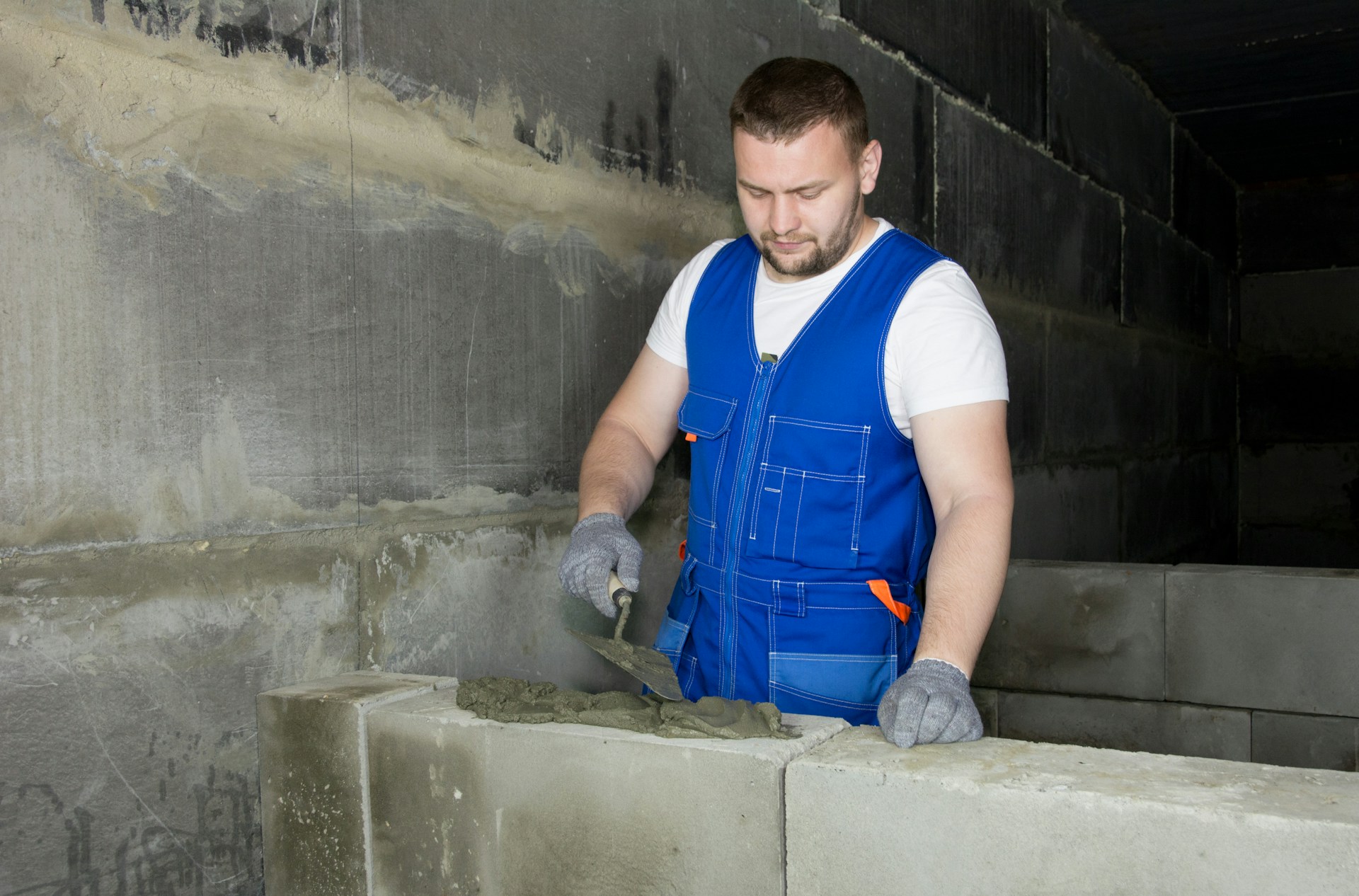
Salvage teams usually reclaim Bath stone from Georgian and Victorian buildings slated for demolition or careful dismantling. Check stone condition, tool marks, and weathering to match new work. Reclaimers cut, dress, and grade ashlar blocks and flagstones; this often involves cleaning lime mortar, trimming to size, and numbering pieces for reinstallation.
Skilled teams use lifting gear, cranes, and hand tools to avoid cracking. Ask for provenance and a written record of where each lot came from—this helps confirm origin and legal clearance. If a source lists Cary Morgan or references Walcot Reclamation, expect people with long experience in reclamation and salvage.
Architectural Salvage Yards
Visit yards like Bath Reclamation at Home Farm Buildings, Newton St Loe (BA2 9BZ) to inspect stock in person. You can see bricks, roofing tiles, fireplace surrounds, and Bath ashlar laid out. Bring measurements and photos so staff can match you to suitable reclaimed pieces.
Walcot Architectural Salvage and Walcot Stone Reclamation also hold large stone stocks and can source specific sizes. Contact details matter: call ahead—some yards prefer appointments; Bath Reclamation or individual contacts may also use mobile numbers for queries. Ask about delivery, cutting services, and any structural grading they provide.
Ethical and Environmental Considerations
Confirm that stone was obtained legally and with owner consent. Reclamation and salvage that follow planning rules prevent loss of heritage fabric. Request documentation showing the site, planning approvals, and any salvage licences.
Reclaimed stone reduces demand for new quarrying and cuts embodied carbon. Still check for contaminants like lead paint or asbestos in associated materials. Choose suppliers who reuse unusable fragments as rubble or landscaping stone, and who offer transparent pricing to avoid laundering stolen materials. If you find listings tied to known local businesses—Bath Reclamation, Walcot Reclamation—ask about their track record and sourcing practices before you buy.
How To Use Reclaimed Bath Stone
Reclaimed bath stone fits into many practical uses around your property. It brings durable building materials to structural work, outdoor hardscaping, and interior finishes while keeping a worn, historic look.
Building and Construction
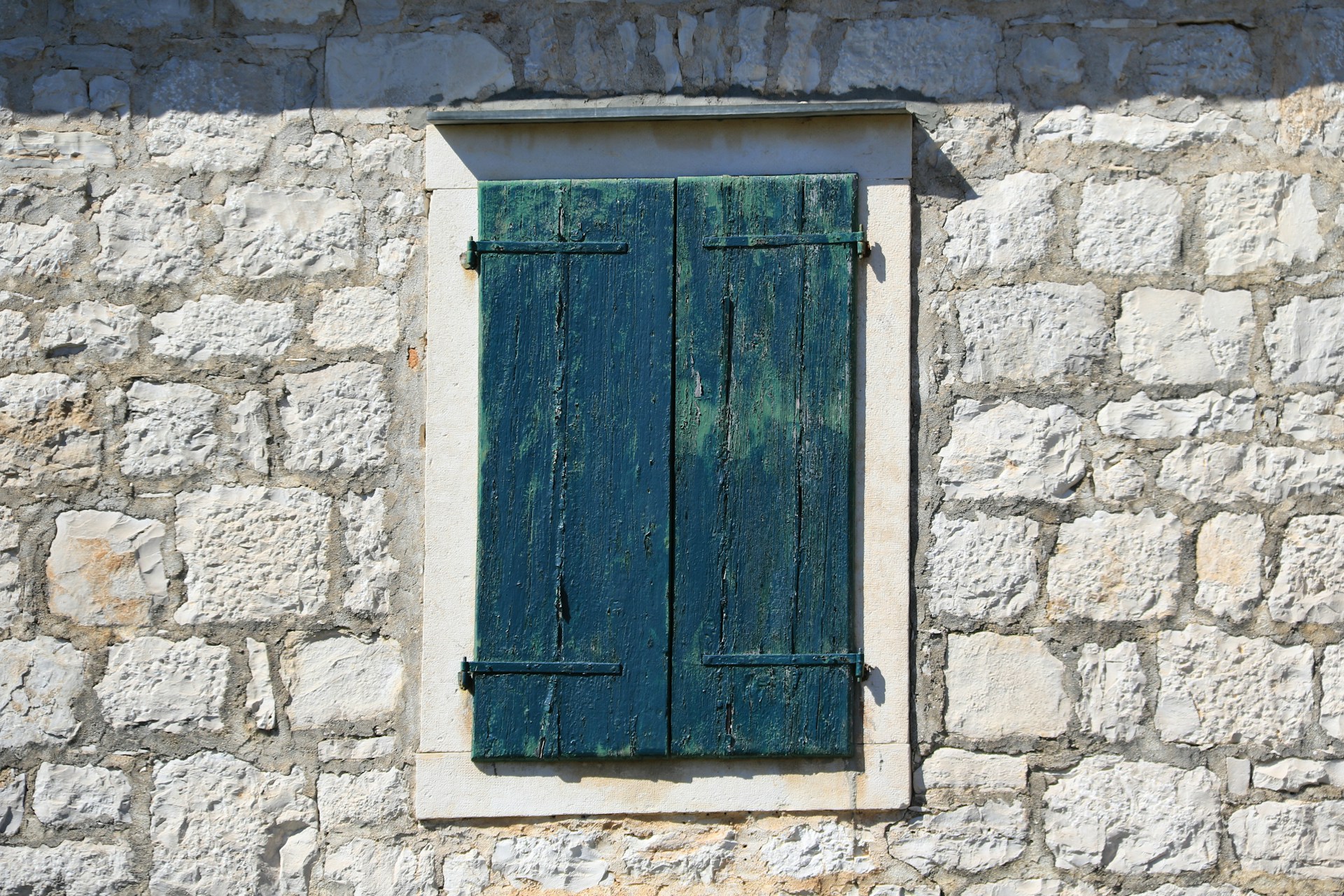
Use reclaimed stone as load-bearing ashlar blocks, face-work, or as part of brick-and-stone assemblies. Salvaged ashlar and bricks work well for repair or extension of period walls where matching texture and color matters.
Reclaimed stone also makes good coping and sill material because it resists weathering. You can cut older stone into steps, treads, or lintels to match existing masonry.
When using reclaimed pieces structurally, check for soundness and any hidden damage. Dress and pin stones properly, and pair them with fresh lime mortar where possible.
Reuse cast iron elements—like railings or grates—alongside reclaimed stone for historically accurate details. This approach preserves character while meeting modern load and safety requirements.
Landscaping and Garden Features
Reclaimed bath stone suits paths, patios, and garden steps because of its hardness and patina. Use granite or sandstone pavers for high-traffic patios and granite treads for durable steps.
Lay irregular reclaimed pieces as rustic pathways or set uniform ashlar slabs for a formal terrace. Reclaimed coping stones top low walls to shed water and protect masonry below.
You can build benches, raised beds, and small retaining walls with reclaimed blocks for a cohesive look. Anchor benches on cast iron feet or detail edges with reused brick for contrast.
Match stone thickness to use: thicker slabs for steps and seats, thinner for paving. Compact the base well and allow for slight movement to avoid cracking.
Interior Design
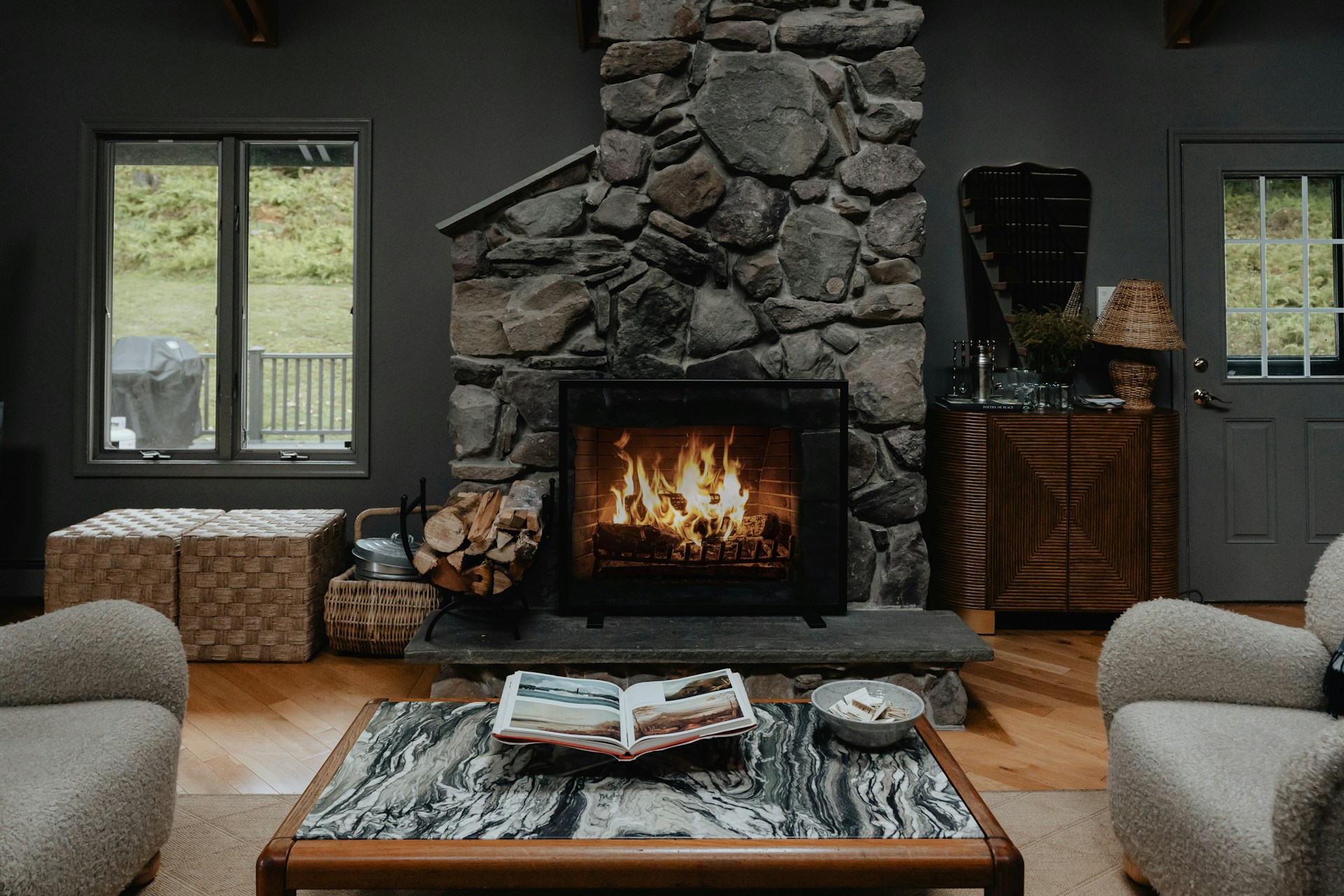
Inside, reclaimed bath stone brings texture and history to floors, fireplace surrounds, and vanity tops. Use honed or lightly textured stone in wet areas to improve grip; avoid highly polished finishes in showers.
Salvaged slabs make striking vanity tops and backsplashes; leave a broken edge as a feature if it suits your style. In flooring, choose larger pavers for fewer joints and easier maintenance.
Combine reclaimed stone with cast iron fittings—drain covers, grates, and towel rails—for an authentic period feel. Seal stone where needed to resist stains, but keep surface breathability to avoid trapping moisture.
Work with a stonemason to minimise cutting and preserve valuable edges; this keeps costs lower and retains more character in your finished space.
Advantages of Using Reclaimed Bath Stone
Reclaimed bath stone brings real texture, proven durability, and clear environmental benefits to your bathroom. You get unique looks from aged stone, cut your demand for new quarried material, and support conservation work that rescues historic fabric.
Authenticity and Character
When you choose reclaimed stone, you pick pieces that already have a lived-in surface. Patina, irregular veining, and tool marks give each slab or basin a look you can't copy with new stone. This makes your bath feel personalized and layered with history.
You can pair reclaimed limestone, marble, or granite with modern fixtures for contrast, or use matching vintage sinks and taps for a cohesive period look. Small chips and weathering often become design features rather than flaws.
The density and compression in older stone can mean fewer hairline cracks and a surface that wears gracefully. If you want a bathroom with strong visual identity, reclaimed stone delivers character that new materials rarely match.
Sustainability Benefits
Reclaimed stone cuts the need for new quarrying, so your project uses fewer natural resources. Salvaging existing slabs lowers waste from demolition and reduces transport and processing emissions compared with newly quarried material.
Using reclaimed materials often earns points in green building programs, which helps if you aim for certifications like LEED. Choosing stone that was already quarried and cut minimizes the embodied carbon tied to extraction and fabrication.
You also help extend the life of traditional building materials. Reusing stone supports a circular approach: items already in circulation get new use in your bathroom rather than becoming landfill. That makes your design choice both stylish and more planet-friendly.
Value in Conservation Projects
In restoration work, reclaimed stone can match original materials far better than modern substitutes. You can source slate, sandstone, or reclaimed marble that mirrors the grain, color, and proportions of historical elements.
This lets you repair listed or period properties without compromising authenticity. Skilled masons can blend reclaimed stone into existing walls, floors, or bath surrounds so repairs read as original construction.
Using authentic materials avoids compatibility issues—like differing thermal expansion or moisture response—that can arise with new artificial replacements. That protects the fabric of the building and can reduce future maintenance.
Reclaimed Bath stone brings depth, history, and an unmistakable sense of craftsmanship to any project. When chosen carefully and installed with attention to detail, it can unify new work with existing architecture and create surfaces that age gracefully over time. Whether you are restoring a period home, updating a bathroom, or adding character to a modern space, the right reclaimed stone makes the difference between a project that feels new and one that feels truly rooted.
If you are ready to explore reclaimed Bath stone for your project, our team at New Orleans Brick & Stone is here to help. We can guide you through selecting the right pieces, provide samples, and ship materials quickly so you can move forward with confidence.
Frequently Asked Questions
You can locate reclaimed bath stone from salvage yards, specialty stone dealers, and online marketplaces. Know the stone type, typical sizes, and common price ranges before you start shopping.
How can I find reclaimed bath stone for sale in my area?
Check local architectural salvage yards and reclaimed material stores first. They often list inventory online or by phone.
Search online marketplaces like eBay, Etsy, and niche stone forums for local sellers. Use filters for location and arrange pickup to avoid high shipping costs.
Ask contractors, stonemasons, or restoration specialists for leads. They sometimes have leftover pieces or contacts with suppliers.
What are the benefits of using reclaimed bath stone?
Reclaimed stone offers unique patina and aged character you can’t get from new material, giving baths and surrounds a historic or rustic feel. It often costs less than new quarried stone, especially for rare or large pieces, and helps reduce waste by reusing material. Many reclaimed stones are already weathered and stable, which can reduce the need for sealing and finishing work.
What should I look for when purchasing reclaimed bath stone?
Inspect for major cracks, deep pitting, or signs of previous repairs that might fail. You can usually fix small surface chips, but structural damage is a bigger concern. Check the stone type—limestone, marble, granite, or sandstone—and make sure it suits wet, humid conditions, as not all stones resist water and cleaners equally.
Measure thickness and dimensions to match your installation needs. Ask about past use so you know if the stone was glued or filled in previous applications. For more tips on evaluating reclaimed materials, see this guide on choosing reclaimed stone.
How do I ensure the reclaimed bath stone matches my existing stonework?
Bring a clear photo and a small sample of your existing stone when shopping. Compare color, grain, and finish in natural light to find the closest match. Ask the seller for the stone’s origin and type, as stones from the same quarry or era often match better.
Expect some color variation and remember that reclaimed stone rarely matches perfectly. You can blend pieces or use transition trim to make seams look intentional. For blending techniques, check out this resource on matching stonework.
Can reclaimed bath stone be used for both interior and exterior projects?
Many reclaimed stones work well indoors and outdoors, but select the right type for each setting. Dense stones like granite and some marbles handle outdoor exposure better. Avoid using soft or highly porous stones outside unless you apply proper sealing and protection.
Ask if the stone has had previous outdoor exposure, as frost cycles can weaken some reclaimed pieces. For more on exterior stone care, visit this article about outdoor stone maintenance.
What maintenance is required to keep reclaimed bath stone in good condition?
Seal porous stones regularly with an appropriate stone sealer. Frequency ranges from once a year to every few years depending on use.
Clean with pH-neutral stone cleaners to avoid etching and damage. Wipe up soaps, oils, and hard-water deposits quickly.
Inspect grout and seal lines, and reapply sealant after heavy use or if you notice darkening or staining. Simple, regular care ensures reclaimed stone looks good for decades.